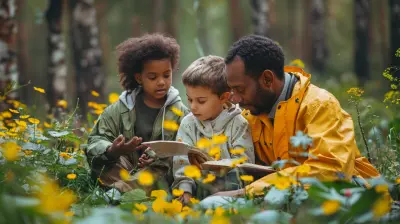
Balancing Academic Success With Personal Responsibility
20 May 2026
Let’s be honest—parenting in today’s fast-paced, achievement-focused world can feel like juggling flaming bowling pins on a unicycle. Between schoolwork, after-school activities, social lives, and family responsibilities, it can feel like your child is always one step away from total burnout.
But guess what? Finding the sweet spot between academic success and personal responsibility is totally possible—and honestly, it's one of the best gifts you can give your child.
In this blog post, we’re going to dive into how to help your kids crush it in school and grow into responsible, independent, and well-rounded human beings.
What Does "Balancing Academic Success With Personal Responsibility" Even Mean?
You know how pancakes are better with syrup? That’s kind of how academic success and personal responsibility go hand-in-hand. Academic success is all about grades, studying, test scores, and projects. Personal responsibility, on the other hand, is the syrup—it's about owning your actions, managing time, staying organized, and being accountable.When kids learn to balance both, they’re not just making honor roll—they’re preparing for real life.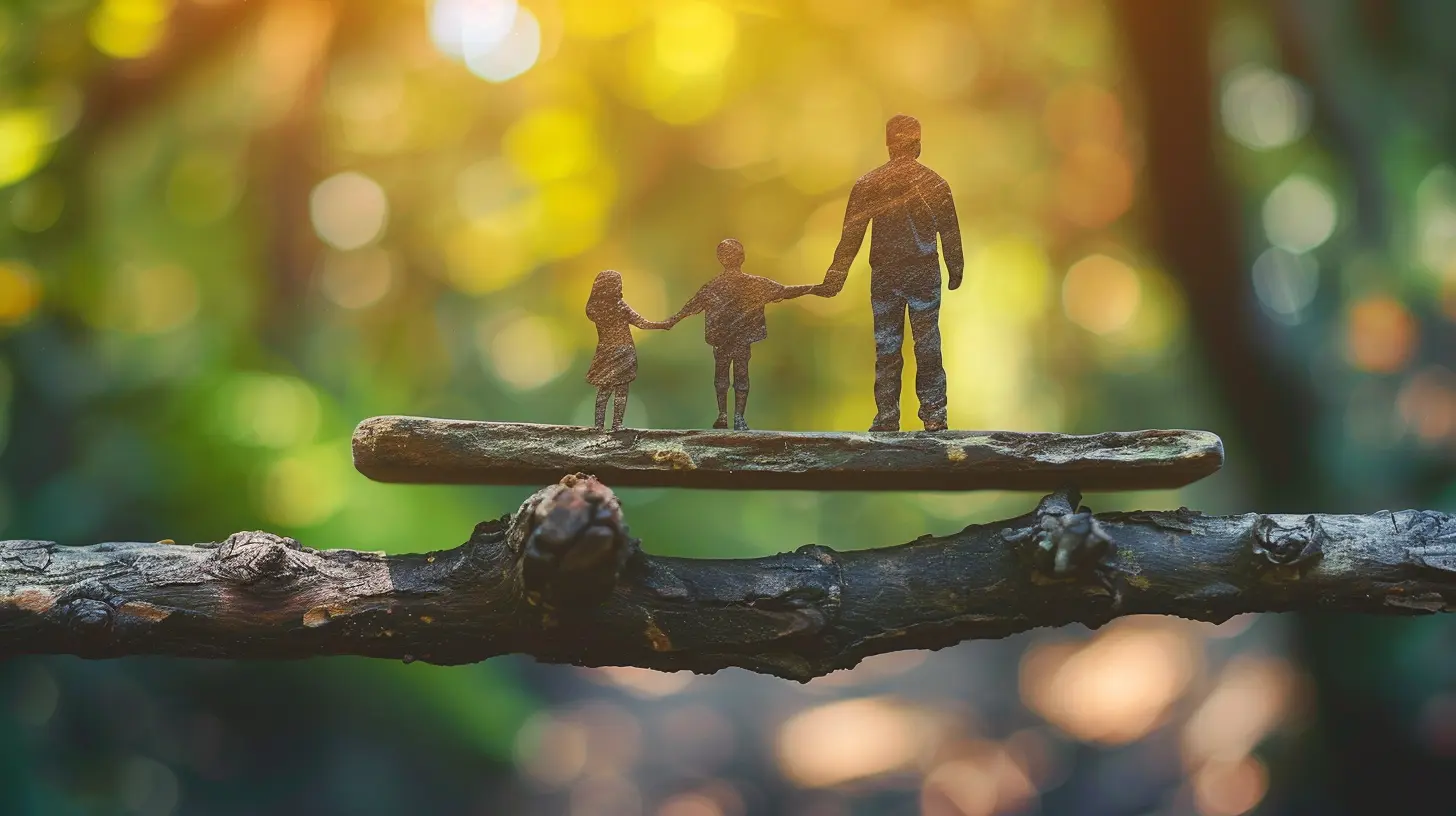
Why This Balance Matters (A Lot More Than You Think)
Sure, report cards and GPAs are important, but if your child can ace algebra and still forget to feed the dog, we’ve got a little gap to fill. Academic knowledge opens doors, but personal responsibility helps your child walk through them with confidence.Here’s why balancing both matters:
- Builds resilience – Life throws curveballs. A kid who’s responsible learns how to bounce back.
- Reduces stress – When kids manage their time wisely, they’re not scrambling at the last minute.
- Fuels independence – Responsible students aren't always waiting for someone to tell them what to do.
- Prepares for adulthood – Because let’s be real, college professors and future bosses won’t chase them for homework.
The Pressure Is Real: Today’s Overloaded Kids
Let’s take a moment to talk about the pressure kids face today. Tests, homework, sports, clubs, social media, peer pressure—it’s enough to make any adult's head spin, let alone a teenager's.We often expect kids to be mini-adults without giving them the tools to handle everything. The result? Burnout. Anxiety. Frustration. And tears—lots of tears.
So how do we lighten the load while still keeping academics on track?
Step 1: Teach Time Management (Because There's No App for That... Yet)
Time is a funny thing—it flies when you're on TikTok but drags during math homework, right?Teaching your child to manage time is like giving them a map in a jungle. It helps them navigate their many responsibilities without getting totally lost.
Easy ways to teach time management:
- Use planners or digital calendars – Get them in the habit of writing down assignments, tests, and reminders.- Teach the art of prioritization – Highlight what's urgent vs. what's important.
- Break big tasks into chunks – “Write 5 pages” sounds scary. “Write an intro paragraph” sounds doable.
- Set mini deadlines – Don’t just wait for the due date. Help them set checkpoints along the way.
Step 2: Build Healthy Routines That Work for Them (Not You!)
Every kid has their own rhythm. Some are early birds; others are night owls. The goal here is to help them create a routine—not enforce one that doesn’t fit.Key parts of a healthy routine:
- Consistent sleep schedule – 8-10 hours of sleep isn’t a luxury; it’s a necessity.- Dedicated study time – Keep it distraction-free and chunk it into manageable sessions.
- Breaks and rewards – No one can be focused for hours. Let them take breaks, grab a snack, or dance it out.
- Family time – Even teens need connection. Make space for dinner chats or weekend activities.
Step 3: Encourage Accountability Without Nagging (Tricky, But Worth It)
Let’s be real—nagging feels like shouting into the void most days. But the goal isn’t to micromanage; it’s to teach ownership.How to help them take the wheel (without driving off a cliff):
- Let natural consequences happen – Forgot homework? Happens. Let them experience the result to learn from it.- Have regular check-ins – Not helicopter hovering, just casual chats about how things are going.
- Use a reward system – Not bribery! Just small incentives to recognize their efforts.
- Model responsibility – Kids learn by example. When you own your mistakes and stay organized, they notice.
Step 4: Encourage Interests Outside the Classroom
Help your child realize they’re more than just a grade.Extracurricular activities, hobbies, and downtime help kids develop confidence, creativity, and social skills. Plus, engaging in things they love builds passion, and passionate kids are more motivated in all areas of life—including academics.
Ideas to spark interest:
- Music, dance, or art lessons- Sports or martial arts
- Volunteering or community service
- STEM clubs or book groups
- Learning a new language or instrument just for fun
Step 5: Celebrate Progress, Not Just Perfection
Perfection is exhausting. Progress is empowering.Celebrate the wins—big and small. Whether it’s a better grade than last time, remembering to do chores, or completing homework without a reminder, it all counts.
Ways to cheer them on:
- Verbal praise – A simple “I’m proud of you” goes a long way.- Reward milestones – A movie night, their favorite meal, or a weekend outing.
- Reflect together – Talk about what’s working and what they feel proud of.
Step 6: Teach Emotional Responsibility Too
Let’s not forget—emotional smarts matter just as much as book smarts.Kids who understand their emotions and know how to deal with them responsibly tend to handle school stress better, avoid drama, and build healthier relationships.
Start with these emotional responsibility tips:
- Name the feelings – Help them say “I’m frustrated” instead of sulking in silence.- Teach self-regulation – Deep breaths, journaling, taking a break—it all helps.
- Encourage empathy – Talk about how actions affect others.
- Keep communication open – Let them know it’s safe to talk about anything—even the hard stuff.
Step 7: Know When to Step Back (And When to Step In)
Finding that balance between involvement and independence is like walking a tightrope. Too much control? They rebel. Too little? They drown. The key is to be their safety net, not their helicopter.When they mess up (and they will), resist the urge to fix everything. Be there. Listen. Guide. But let them do the heavy lifting.
Helping Teens: Special Considerations for High School Years
Ah, the teenage years—a rollercoaster of hormones, homework, and headstrong opinions. Helping teens balance academic success and personal responsibility takes patience, humor, and a lot of snacks.Here’s what works:
- Give them ownership – Let them schedule their own study time.
- Talk long-term – Discuss how responsibility shapes their future.
- Remind them of their 'why' – Connect school success with goals they care about—college, careers, or even buying that first car.
Your Role as a Parent: The Ultimate Cheerleader
At the end of the day, your child needs you in their corner. Not as the homework police. Not as the chore commander. But as a cheerleader, mentor, and safe space.Be there to guide, support, and encourage. Offer tools, not just rules. Applaud the effort, not just the A+. And remind them often that who they are is just as important as what they achieve.
Final Thoughts: It's All About the Long Game
Balancing academic success with personal responsibility isn’t something that happens overnight. It’s a journey—full of ups, downs, and “oops I forgot my project!” moments. But with consistent effort, support, and love, your child can thrive in school and in life.So, keep the faith, keep cheering them on, and know that every lesson, every talk, every “Did you do your homework?” moment matters more than you think.
Because in the end, the goal isn’t just raising a student—it’s raising a capable, confident, and compassionate human being.
all images in this post were generated using AI tools
Category:
Teaching ResponsibilityAuthor:

Liam Huffman
Discussion
rate this article
2 comments
Luma Summers
This article highlights the importance of teaching kids responsibility alongside academics. Striking that balance shapes well-rounded individuals ready for life's challenges. Great insights!
July 13, 2026 at 2:46 AM
Morrow Lopez
Balancing academic success with personal responsibility is crucial for kids' growth. It teaches them valuable life skills while fostering independence. Encouraging them to manage their time and responsibilities can lead to a well-rounded experience that prepares them for future challenges. Great insights in this article!
May 20, 2026 at 4:37 PM
Liam Huffman
Thank you! I'm glad you found the insights valuable. Balancing both aspects truly shapes their future.