Balancing Academics and Life Skills in Homeschooling
31 January 2026
If you're a homeschooling parent, there’s a good chance you’ve already asked yourself this big question:
“How do I juggle teaching math, science, and reading—while also making sure my child learns how to cook, clean, manage money, and not turn into a couch potato?”
First off, you’re not alone. This tug-of-war between academics and life skills is a real thing, and it’s something most homeschool families struggle with at some point. We all want our kids to be book-smart, but also street-smart, right?
Let’s dive into how to strike the right balance—without losing your mind or turning your homeschool into a boot camp.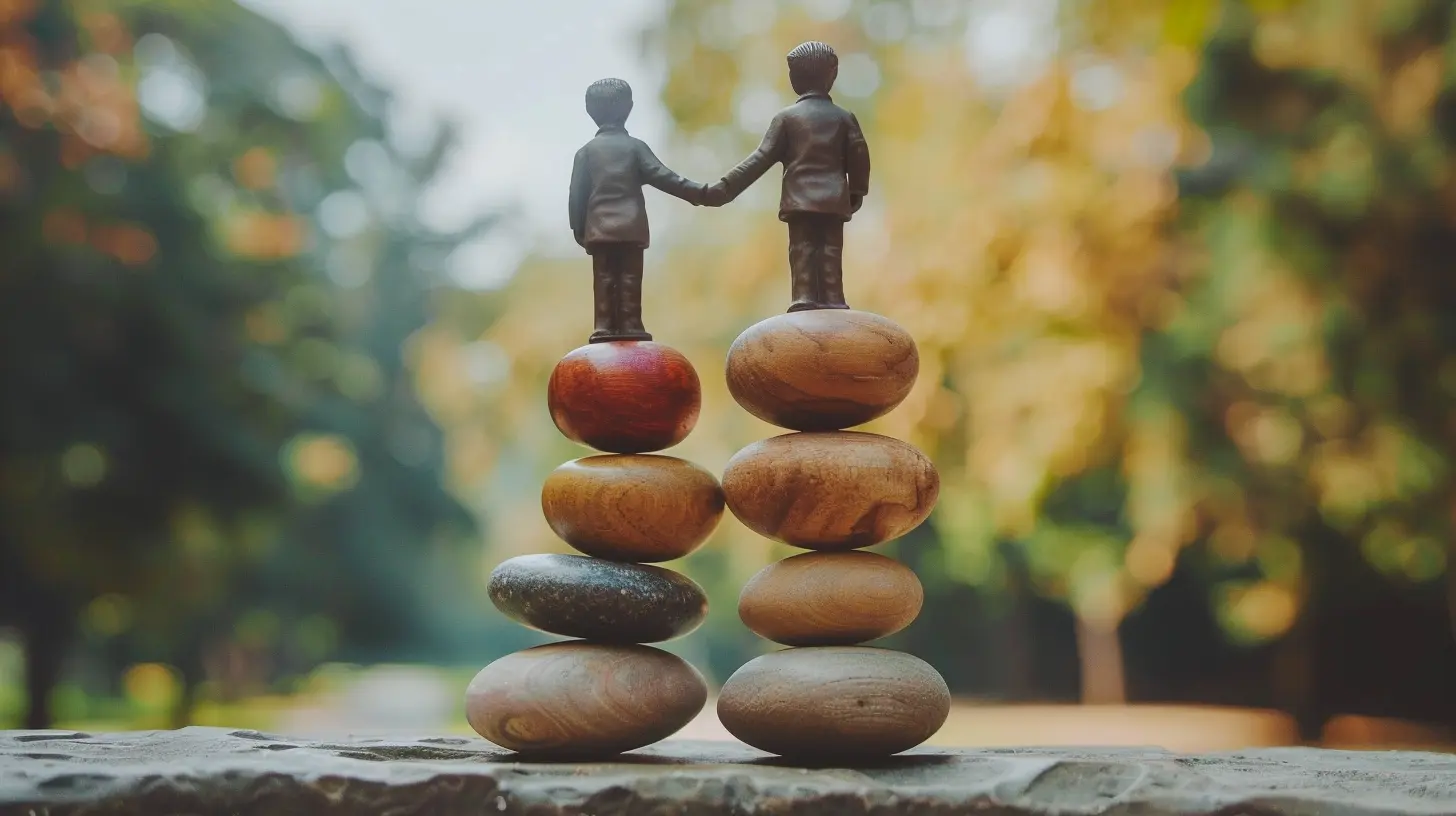
Why Balance Matters
Picture this: your child gets straight A’s in algebra, reads at a college level, and can recite every U.S. president in order… but doesn’t know how to cook noodles without setting off the smoke alarm 👀.See the problem?
Balancing academics and life skills isn't just a nice idea—it’s essential. Real life doesn’t hand out report cards. The goal is to raise well-rounded, capable human beings who can think critically and fold their own laundry.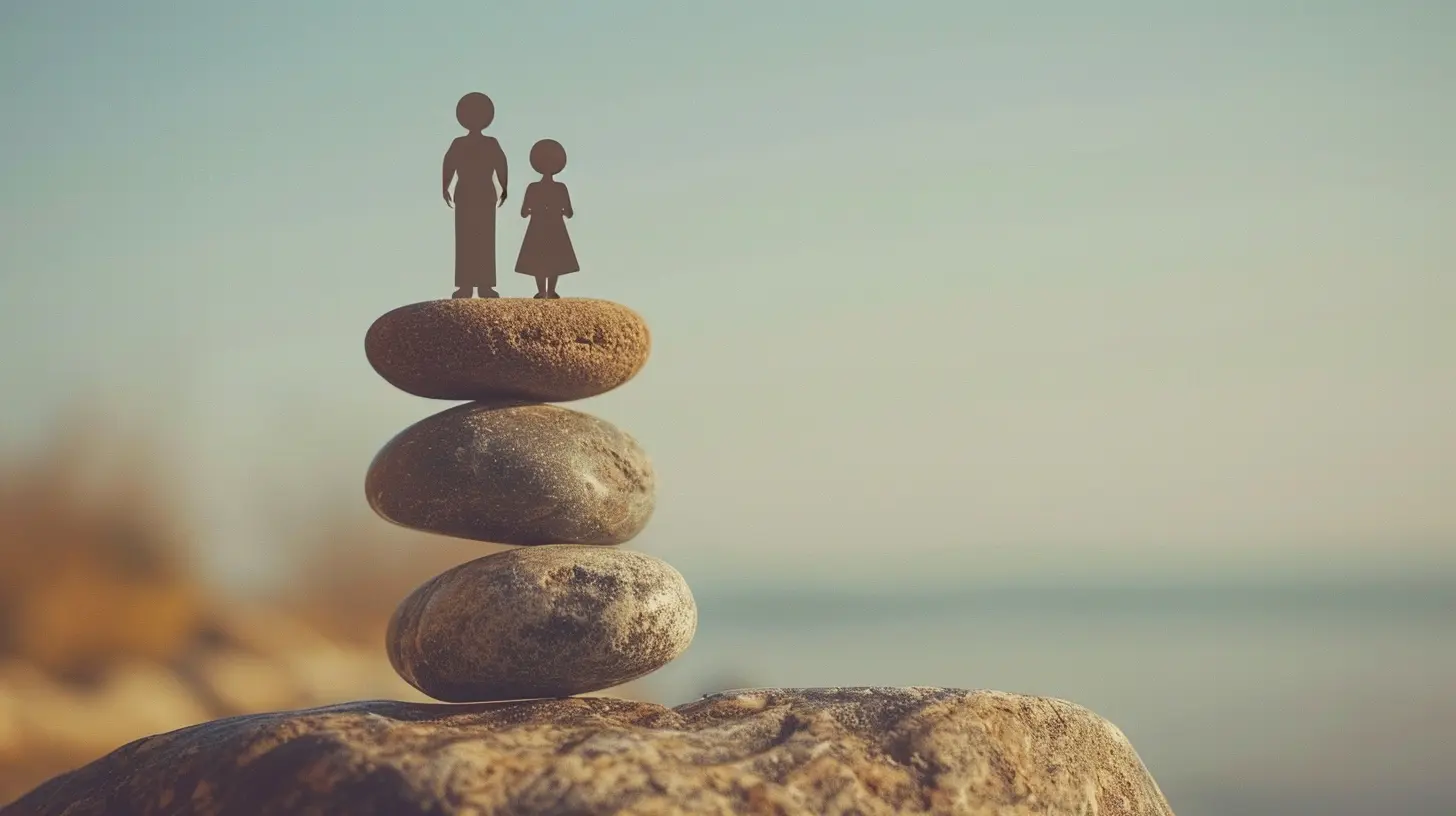
What Are Life Skills, Anyway?
You might be thinking, "Okay, but what exactly counts as a life skill?"Good question. Life skills are those everyday abilities that help us function as independent, successful adults. Some of the most important ones include:
- Cooking and meal planning
- Budgeting and financial literacy
- Time management
- Organization and cleaning
- Emotional regulation and communication
- Problem-solving
- Basic car/home maintenance
- Self-care and hygiene
And yes—these are just as important as knowing how to solve for X.
Homeschooling Gives You an Advantage
Here’s the good news: homeschooling actually makes it easier to teach life skills.Why? Because your child is at home with you. They're not sitting in a classroom for seven hours a day with bells ringing and hall passes. That means you can weave life skills into your day naturally.
For example:
- Cooking lunch? Teach them fractions by doubling a recipe.
- Fixing a leaky faucet? That’s hands-on science and problem-solving.
- Budgeting for groceries? Hello, math and financial literacy.
Homeschooling doesn’t need to be 8am to 3pm with a rigid schedule. Learning can (and should) look like real life.
Create a Flexible Homeschool Routine
Let’s talk structure. And no, I don’t mean strict, military-style scheduling. I mean a flexible routine that includes space for both academics and hands-on life lessons.Try this mix-and-match approach:
- Morning block: Core academics (math, reading, writing)
- Midday: Creative subject (art, music) or educational play
- Afternoon: Life skill + free time
- Evening: Family project or educational screen time
You don’t need to cram every subject every day. Rotate! Maybe Mondays are “Money Mondays” where you focus on financial literacy. Tuesdays are “Tidy Tuesdays” and the kids deep clean their room while learning about organization.
Keep it playful, but purposeful.
Integrating Life Skills Into Academic Subjects
You don’t have to teach life skills separately. Blend them right into your academics to make learning more meaningful.Here are a few fun mashups:
Math + Cooking
- Use recipes to teach measurements, conversions, and multiplication.- Have your child adjust recipes for more or fewer servings—real-world math at its finest.
Language Arts + Communication
- Write a how-to guide on doing laundry as a writing assignment.- Role-play a job interview to practice speaking skills.
Science + Gardening
- Grow herbs or veggies to learn about biology, nutrition, and responsibility.- Track plant growth for a science log.
Social Studies + Budgeting
- Study different countries’ economies, then create a fictional budget for living in that country.- Compare pricing and cost of living—great for older kids!
By sneaking life skills into subjects you already teach, you kill two birds with one stone—and make learning a lot more fun.
Let Go of the School Mindset
If you're new to homeschooling, here’s something that might blow your mind:You don’t have to replicate public school at home.
Your homeschool doesn’t need to follow the same pace, structure, or subjects in the exact same way. And guess what? That’s okay!
The beauty of homeschooling is that you get to personalize your child’s education based on their needs and your family values.
So if your 12-year-old is super into mechanics? Let them learn by fixing the lawnmower. That counts. If your high schooler wants to run a small baking biz? That’s entrepreneurship, math, and marketing in one go.
Don’t get so caught up in spelling tests and workbook pages that you miss out on these real learning moments.
Emphasize Emotional Intelligence
Here’s the thing nobody tells you: emotional intelligence (EQ) is just as—or maybe even more—important than IQ.Kids need to know how to:
- Identify and manage their emotions
- Communicate clearly
- Work through conflict
- Show empathy
- Practice self-control
These are life skills too!
In a homeschool setting, you have more room to focus on EQ. Use storybooks to discuss emotions, talk through meltdowns calmly, model respectful communication—it all adds up over time.
Encourage Independence
Now, I know it’s tempting to just do everything yourself—especially when you're tired or in a rush. But one of the best gifts you can give your child is responsibility.Let them:
- Make their own lunch
- Keep track of their schedule
- Fold their own laundry
- Plan a grocery list
Will it be perfect? Nope. Will it take longer? Probably. But you're raising a kid who won’t call you at 25 asking how to boil water. Totally worth it.
Don’t Be Afraid to Go Off Script
Sometimes your homeschool will veer off course—and that’s okay.Maybe your child gets obsessed with photography one month or wants to start a YouTube channel. Lean into it. Help them create content plans, learn video editing, and manage comments. That’s media literacy, digital skills, and communication—all rolled into one.
Homeschooling doesn’t have to look the same every single week. In fact, it probably shouldn’t.
Keep it Real (and Grace-Filled)
Some days, your "lesson plan" will be surviving a meltdown and managing to cook dinner. That’s fine.You don’t have to teach everything all at once. Life skills are learned over time, not in one week or even one year. Give yourself permission to adjust, pivot, and rest.
Your kids will remember how you supported them through mistakes—and that’s a life skill in itself.
Tips to Stay on Track
Want to keep that balance without burning out? Here are some quick tips:- Use a planner: Track both academic goals and life skill milestones.
- Set realistic expectations: Progress, not perfection.
- Mix things up: Keep learning fresh with different formats—videos, field trips, projects.
- Let your kids lead: Ask them what they want to learn or improve.
- Celebrate small wins: Cooked a meal? Budgeted their allowance? That’s a big deal!
Make a point to reflect weekly on what’s working and what’s not. This helps you tweak your approach as needed without the guilt.
What a Balanced Week Might Look Like
Need a little inspiration? Here’s an example homeschool week that blends academics and life skills:Monday
- Math: Fractions using a cooking activity- Reading: Biography of a famous entrepreneur
- Life Skill: Grocery shopping + budgeting
Tuesday
- Science: DIY soap-making (chemistry!)- Writing: Journal entry about a personal goal
- Life Skill: Laundry + organizing clothes
Wednesday
- History: Learn about a country, plan a mini-trip- Math: Currency conversion
- Life Skill: Bake a cultural meal together
Thursday
- Art: Make vision boards- Language Arts: Write a letter to a relative
- Life Skill: Clean out the family car
Friday
- Review: Weekly quiz + goal check- Life Skill: Time management challenge (plan their day)
- Fun Friday: Movie with discussion
Blend and adjust this to fit your family and your rhythm.
Final Thoughts
At the end of the day, balancing academics and life skills in homeschooling isn’t about doing more—it’s about being more intentional.It’s okay if your kid doesn’t become a math genius. But if they grow up knowing how to manage money, cook a solid meal, communicate well, and keep learning? You’ve done your job.
So take a breath. You’re doing great. Your homeschool doesn’t need to look perfect—it just needs to prepare your child for real life… and you're already doing that every single day.
all images in this post were generated using AI tools
Category:
HomeschoolingAuthor:

Liam Huffman
Discussion
rate this article
2 comments
Teagan McKee
Thank you for this insightful article! Balancing academics with life skills is truly a challenge. Your tips inspire me to create a more well-rounded homeschooling experience for my kids.
February 21, 2026 at 5:57 AM
Liam Huffman
I appreciate your kind words! I'm glad the tips resonated with you. Wishing you all the best in your homeschooling journey!
Alanna Torres
Balancing academics and life skills in homeschooling is essential for fostering well-rounded individuals. Prioritizing real-world applications alongside traditional subjects empowers children to thrive in both educational settings and everyday life, equipping them for future success.
February 1, 2026 at 3:48 PM
Liam Huffman
Thank you! I completely agree—integrating real-world applications with academics is key to nurturing well-rounded individuals in homeschooling.