Building a Strong Foundation for Responsibility in Kids
25 July 2026
Parenting isn’t for the weak. It’s messy, chaotic, sleep-deprived, and about 78% powered by coffee and leftover chicken nuggets. But amid the goldfish crumbs in the minivan and the mysterious sticky handprints on every wall, every parent wants the same thing: to raise responsible, decent human beings who won't still expect you to call the dentist for them when they're 30.
Alright, so how exactly do we start building a strong foundation for responsibility in kids without turning into a full-on drill sergeant or losing our sanity? Buckle up, friend. We’re diving into the wonderfully wacky world of teaching kids responsibility — with humor, patience, and maybe a few bribes (just kidding… kind of).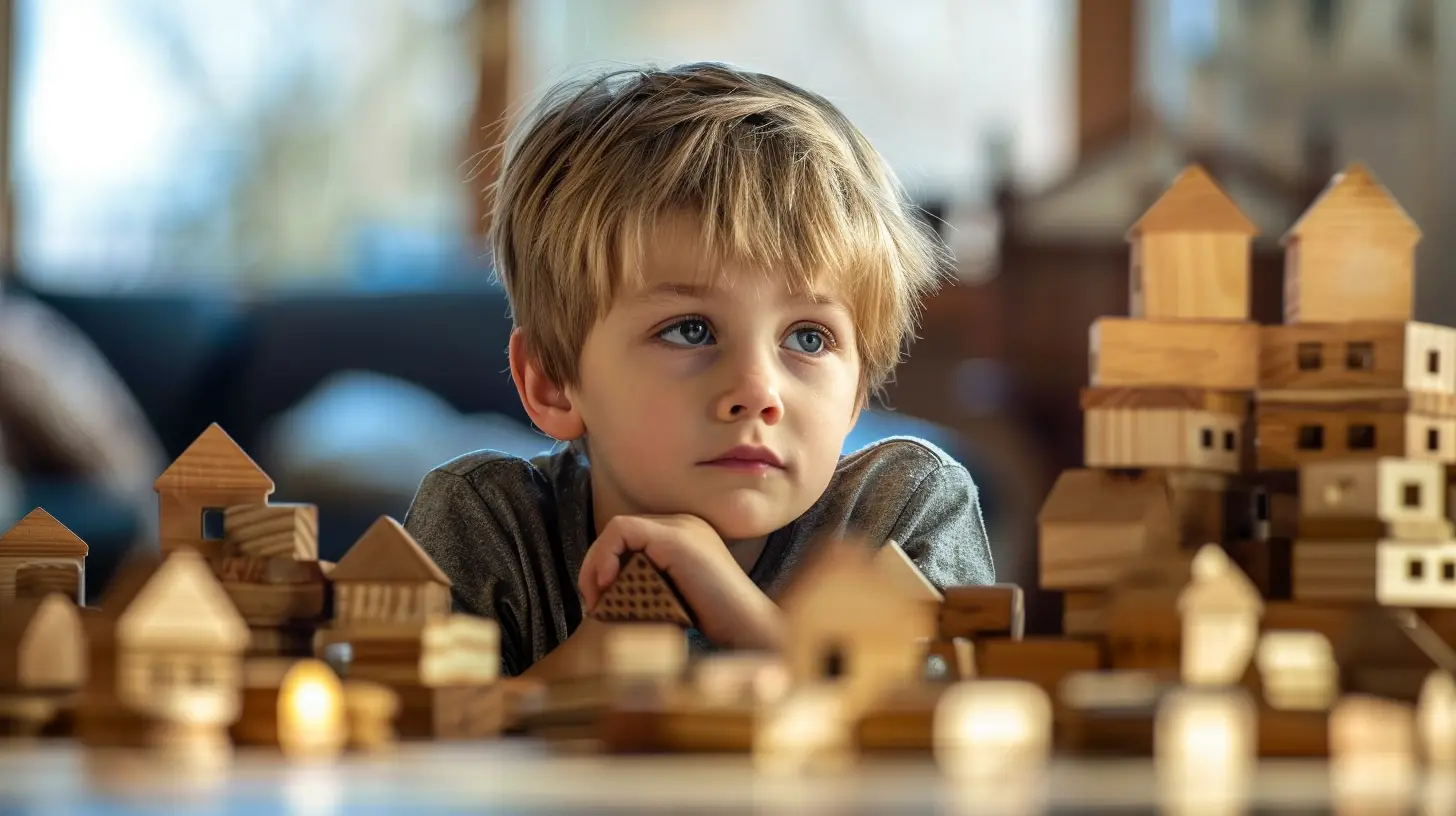
Why Responsibility Matters (Yes, Even for Toddlers in Dinosaur Pajamas)
Before we dive into the how, let’s talk about the why. Why is it so crucial to teach responsibility early on? Can’t we just let them run wild and figure it out later? (Spoiler alert: We really shouldn’t.)Responsibility isn’t just about getting your kid to take out the trash without acting like they’ve been sentenced to hard labor. It builds character. It boosts confidence. It helps them understand consequences, make better decisions, and become that rare unicorn of a human — a person who’s accountable and remembers to replace the toilet paper roll.
Teaching responsibility early helps your child:
- Become more independent
- Develop a strong work ethic
- Learn from mistakes
- Grow self-confidence
- Build stronger habits that last into adulthood
And let’s be honest, it also means you won’t be stuck picking up their dirty socks forever. Win-win.
Start Small, Dream Big
Here’s the deal — you can’t expect a six-year-old to suddenly manage their calendar, walk the dog, and make soufflé for dinner. Responsibility starts small. Like, super small. We're talking "putting the cereal box back in the cabinet" small.Practical tip: Give Them Age-Appropriate Tasks
Kids thrive on feeling needed and capable. Give them tasks that fit their age and stage:- Toddlers: Put toys back, throw away trash, feed the pet (with supervision or it will be a kibble tsunami)
- Preschoolers: Dress themselves, put away clothes, water plants
- Elementary kids: Make their bed, pack a snack, sweep the floor
- Tweens/Teens: Laundry, cook simple meals, manage their schedule (with some oversight)
Think of it like leveling up in a video game. They start by jumping over puddles and eventually they’re fighting dragons — or at least folding towels without you reminding them 72 times.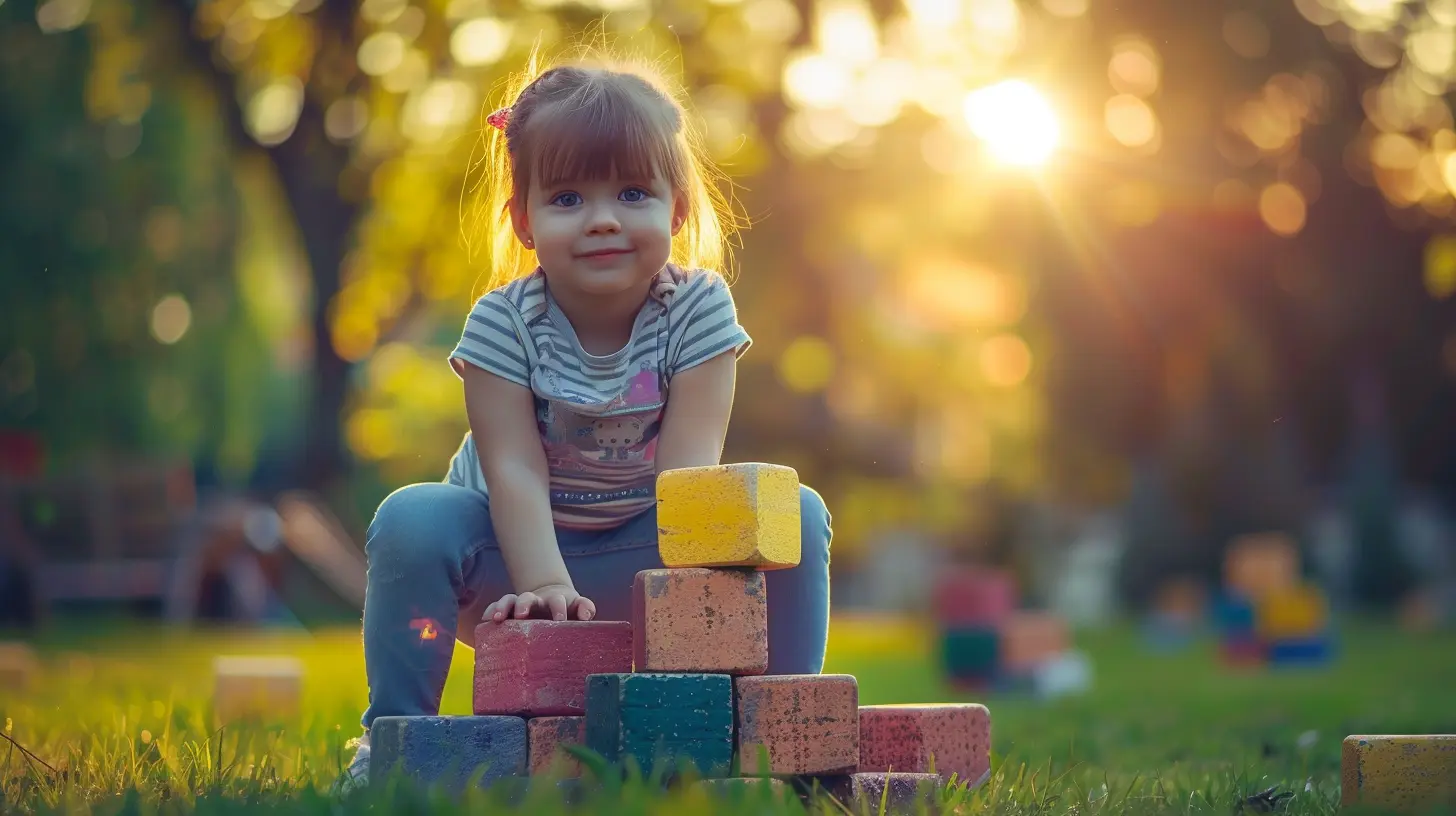
The Secret Sauce: Consistency + Patience + Praise
You may have to remind your kid more times than you’ve watched Frozen (again) to put their shoes away. That’s normal. Teaching responsibility isn’t a one-and-done thing. It’s more like building IKEA furniture — it takes time, it’s often frustrating, but the end result is (mostly) worth it.Be Consistent
If your 9-year-old has a chore chart and "feed the dog" is circled in red every Tuesday, but you're still doing it for them because "they had homework" or “they forgot,” guess what? The dog’s eating and so is the habit of excuses.Stick to the plan. Responsibility grows when kids know that their actions matter and count. Missed a chore? Missed screen time. It’s not punishment — it’s life 101.
Be Patient
Kids are learning. That means messes, forgetfulness, and “but I didn’t know!” moments. Don’t expect perfection. You’re shaping behavior, not auditioning your 7-year-old for the next season of The Home Edit.Positive Reinforcement Works Wonders
Celebrate the wins, even the tiny ones. “Hey, I saw you cleaned up your crayons without me asking — high five!” builds way more momentum than “Finally! You cleaned up for once!”Responsibility isn’t just about doing things; it’s about taking pride in doing them well.
Let Them Fail (Yes, Really)
Now, this one’s tough. As parents, our instincts are wired to protect our kids from falling, failing, or forgetting that Thursday is library day. But guess what? Failure is one of the best teachers on the planet — way more effective than any lecture or nagging could ever be.Natural Consequences Are Gold
Forgot their lunch? They’ll probably remember next time when they’re munching on the school’s mystery meatloaf. Left their homework on the table? Welp, that’s a lesson in responsibility the hard (and effective) way.Letting kids experience the direct results of their choices helps connect the dots between actions and consequences. That’s real-world stuff right there.
Model the Behavior You Want to See
Yeah, this part stings a little. We can’t exactly yell at our kids for not hanging up their towel… when ours is still draped over the foot of the bed from Tuesday.Kids are like little responsibility sponges. They absorb what they see, not what you say. So if you're promising to go to the gym but spend the day binging true crime documentaries while stress-eating cookies, they're watching.
Want them to own their mistakes? Apologize when you mess up. Want them to do chores? Make it a family thing. Want them to be more organized? Show 'em your (slightly chaotic but honest) planner.
Parents aren’t perfect. But being real and responsible yourself sets the tone.
Make Responsibility Fun (Or At Least Less Miserable)
Let’s face it. “Responsibility” doesn’t exactly scream party time. But kids are more likely to participate if it’s engaging — or if it at least doesn’t feel like punishment.Gamify the Boring Stuff
Turn chores into races. Create a reward system with stickers, stars, or good ol’ fashioned pennies in the jar. Play music and turn clean-up time into a dance party. Make it a competition: “Let’s see who can put away the most books before this song ends!”Give Them Ownership
Let your child choose their chores (within reason). When a kid picks their task, they’re more invested in getting it done.“Would you rather water the plants or feed the fish?” feels more empowering than “Go do your chores now.”
Don’t Micromanage (Even If Their Sock-Folding Skills Are Atrocious)
Here’s a hard truth: Kids won’t do tasks exactly the way you would. The forks might end up facing the wrong way in the drawer. The bed might look more like a crumpled burrito than a hotel suite. And that’s okay.If you hover, correct, or redo everything, your kid learns two things:
1. “I’m not good at this.”
2. “Mom/Dad will just fix it anyway.”
Let go of perfection. Focus on effort. Praise the follow-through. You can always course-correct gently later (maybe after a cup of coffee).
Responsibility and Privileges Go Hand-in-Hand
This one’s juicy: tie responsibilities to privileges. Want screen time? Finish your homework. Want to hang at the mall with friends? Show you can manage your chores and curfew.This isn’t bribery. This is real-life. In the adult world, responsibilities and privileges are connected — just like paying rent gets you a roof, and doing work gets you paid. Teaching this early sets them up for success.
Encourage Problem Solving (No Helicopters Allowed)
When your kid comes to you with a problem (“I can’t find my backpack!”), fight the urge to jump in and save the day (again). Instead, coach them through it.Ask questions like:
- “Where did you last see it?”
- “What’s the usual spot you leave it?”
- “What’s your plan to be more careful next time?”
Helping your child think through solutions builds independence, accountability, and confidence. They become their own troubleshooters — and that’s seriously powerful stuff.
Make Responsibility Part of Your Family Culture
Responsibility shouldn’t feel like an afterthought or a punishment. It should be woven into your family values — like kindness, respect, or Taco Tuesday.Create rituals that reflect it. Celebrate acts of responsibility with shout-outs at dinner. Have family meetings where everyone talks about what they’re working on and where they’re struggling. Make it a whole vibe.
When responsibility becomes part of “who we are,” kids are more likely to embrace it — not just obey it.
Final Thoughts: Small Seeds, Big Trees
Teaching responsibility isn’t about pushing your kid into early adulthood. It’s about planting seeds that grow deep roots. It’s the little things, done over and over, that help raise a kid who’s capable, thoughtful, and, hey — maybe one day remembers to take the trash out without being asked.So don’t stress if your 5-year-old still needs a reminder chart, or if your teen “forgets” chores like it’s an Olympic event. Keep showing up, keep modeling, and keep laughing through it all.
Because raising responsible kids isn’t just rewarding — it’s the ultimate parenting power move. (Besides figuring out how to fold a fitted sheet, of course.
all images in this post were generated using AI tools
Category:
Teaching ResponsibilityAuthor:

Liam Huffman