Creating a Safe and Supportive Home Environment with Positive Parenting
22 December 2025
When you picture a “safe and supportive home,” what comes to mind? Probably laughter echoing through the hallways, open conversations during dinner, hugs before bedtime, and a real sense of trust and love in the air. That’s the power of positive parenting—it’s not just a technique, it’s a lifestyle that shapes the emotional foundation of your children.
Let’s face it—parenting isn’t a walk in the park (unless your toddler is napping peacefully in the stroller, then maybe). Between school schedules, tantrums, tech overload, and your own life responsibilities, it’s easy to lose balance. But here’s the thing: with some intention and consistency, creating a home environment that’s both safe and emotionally supportive isn't just possible—it’s powerful.
In this guide, we’ll unpack the real nuts and bolts of how to bring positive parenting into your home and create a space where your child feels valued, secure, and seen.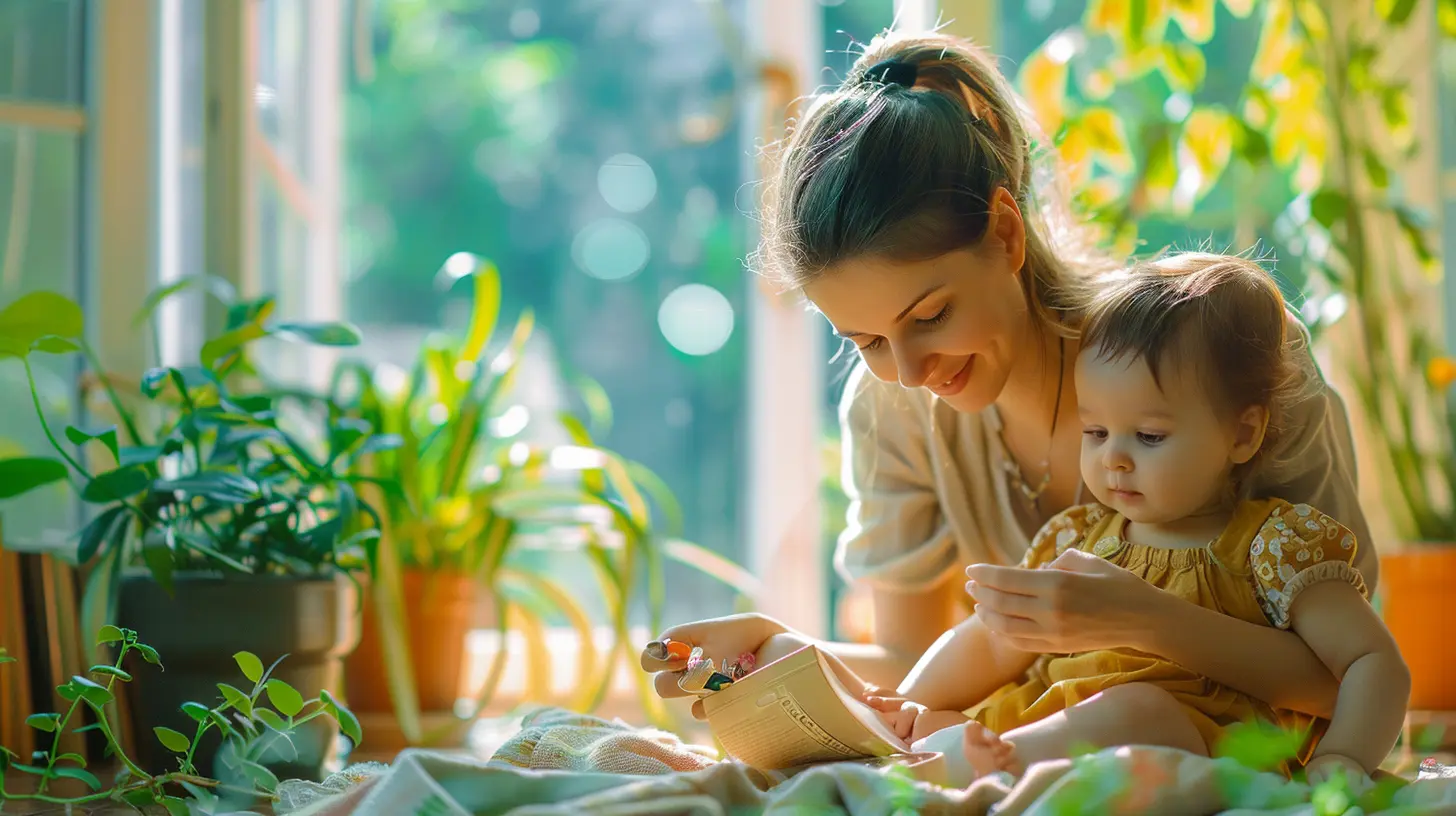
Why a Safe and Supportive Home Matters More Than You Think
Imagine trying to grow a plant in rocky soil with no sunlight. That’s how a child feels in a home that lacks emotional nourishment. A positive home environment gives kids the roots to grow and the wings to fly. It's the backbone of their mental, emotional, and even physical development.Children raised in loving, supportive homes are more likely to:
- Develop strong self-esteem
- Communicate effectively
- Build resilience under stress
- Form positive relationships
- Perform better academically
And guess what? It also helps you as a parent. Less stress, fewer power struggles, and more joy in the everyday moments.
What is Positive Parenting Anyway?
Positive parenting isn’t about being a pushover or letting your kids run the show. It’s about setting clear boundaries with kindness, leading by example, and nurturing a relationship that’s based on mutual respect—not fear.It’s about:
- Guiding instead of punishing
- Teaching instead of yelling
- Connecting before correcting
Think of yourself as a coach, not a dictator. Your job is to mentor, guide, and uplift your child as they navigate the world—not control them every step of the way.
Step #1: Start With Emotional Safety
Emotional safety is just as critical as physical safety. If your child doesn’t feel safe being themselves at home, they’ll look elsewhere for validation—and not always in healthy places.Here’s how to build emotional safety:
- Active Listening: Put the phone down, make eye contact, and really hear what your child is saying. Even if it’s about their favorite cartoon character.
- Validate Feelings: “I can see that you’re upset” goes a long way. You don’t have to agree, but acknowledgment is key.
- Create a Judgment-Free Zone: Let your kids make mistakes without fear of rejection or harsh punishment.
Want your child to open up to you as a teenager? Start listening when they’re four.
Step #2: Create Physical Safety (Yes, It Still Matters!)
We often assume safety ends at baby gates and outlet covers, but it evolves as kids grow. Creating a physically safe environment is an ongoing job.Here are some basics that go beyond the toddler years:
- Secure Dangerous Items: Medications, cleaning products, and sharp objects should always be out of reach.
- Screen Time Safety: Use parental controls. Talk about internet dangers. Be involved in what they’re watching.
- Private Spaces: Every child needs a space that feels like their own—whether it’s a corner with books, a small desk, or their own bed.
Safety isn’t about wrapping your kids in bubble wrap. It’s about preparing them for the world in a way that they feel capable, not scared.
Step #3: Set Clear, Consistent Boundaries
Boundaries are love in action. Think of them as the safety rails on a winding mountain road—they don’t limit freedom; they protect it.Positive parenting involves firm but kind boundaries:
- Be Consistent: Empty threats make kids feel unstable. If you say it, mean it.
- Explain the “Why”: Kids respond better when they understand. “We wash hands to keep germs away” makes more sense than “Just do it!”
- Use Natural Consequences: If they forget homework, they deal with the result. That teaches responsibility, not fear.
Boundaries done right build trust, not tension.
Step #4: Model the Behavior You Want to See
Your kids learn more from your actions than your words (yes, even the eye-rolls you think go unnoticed).If you want your child to:
- Handle conflict calmly—show it yourself
- Say sorry—own your mistakes
- Speak kindly—avoid sarcastic jabs
Children are like mirrors. They reflect what they see. So ask yourself, are you being the example you want to set?
Step #5: Prioritize Connection Over Correction
You can’t discipline your child effectively if your relationship is weak. Connection is the bridge that makes all communication easier.Here’s how to strengthen it:
- One-on-One Time: 10 minutes of undivided attention a day can transform your relationship.
- Daily Check-Ins: “How was your day?” goes further when you genuinely care about the answer.
- Family Rituals: Taco Tuesdays, bedtime stories, weekend walks—these traditions build security.
Connection is the cushion that softens the tough moments.
Step #6: Teach Problem Solving, Not Just Rules
Rules are important, but teaching your child why and how to make good choices is a game-changer.Try this:
- “What do you think we can do differently next time?”
- “How did that make you feel?”
- “What’s your plan to fix it?”
These questions develop critical thinking and self-awareness. You’re equipping your child to handle life—not just follow instructions.
Step #7: Embrace Mistakes (Yours and Theirs)
Perfection has no place in parenting. Everyone messes up—what matters is how you bounce back.- Apologize when you lose your temper
- Laugh when things go sideways
- Forgive easily and often
Mistakes are opportunities to model vulnerability and growth. Trust me, your kids don’t need a perfect parent—they need a real one.
Step #8: Foster Independence and Responsibility
Kids want to feel competent. They want to be trusted. Give them age-appropriate responsibilities and let them learn by doing.Examples:
- Let your preschooler pick out their clothes (even if it’s stripes and polka dots).
- Involve your teen in meal planning or budgeting.
- Let your kids pack their school bags, even if they forget something once or twice.
Letting go a little helps them grow a lot.
Step #9: Practice Positive Discipline
Discipline isn’t about punishment—it’s about teaching. That’s the heart of positive parenting.Instead of time-outs, try:
- Time-ins: Sit together and talk through big feelings.
- Logical consequences: Break a toy? Save up allowance to replace it.
- Praise the behavior you want to see: “You were so patient with your brother—that’s awesome.”
Positive discipline keeps dignity intact while still guiding behavior.
Step #10: Take Care of Yourself, Too
You can’t pour from an empty cup. Your mental, emotional, and physical health plays a massive role in what kind of environment you’re creating.That means:
- Getting enough sleep (at least sometimes)
- Taking breaks when you need them
- Asking for help—because superheroes need support too
Self-care isn’t selfish. It’s survival. And it teaches your kids to value their own well-being.
Final Thoughts: The Ripple Effect of Positive Parenting
Creating a safe and supportive home environment with positive parenting isn’t about being perfect. It’s about being present. Really present. Every kind word, patient response, and hug after a hard day sends a message: “You matter. You are safe. You’re loved.”The truth? You’re already doing more right than you think.
So breathe. Be kind to yourself. Keep showing up with love, grace, and honesty.
Because when your home is a haven, your kids carry that strength into the world—and isn’t that what we all want?
all images in this post were generated using AI tools
Category:
Positive ParentingAuthor:

Liam Huffman
Discussion
rate this article
2 comments
Xeno McCool
Love this! Positive parenting truly transforms home life!
December 25, 2025 at 3:32 PM
Liam Huffman
Thank you! I’m glad you found it inspiring. Positive parenting really does make a difference!
Maya Cooper
Thank you for this insightful article on positive parenting. Creating a safe and supportive home environment is essential for children's growth and development. Your practical tips and thoughtful approach are invaluable for parents striving to foster a nurturing atmosphere.
December 23, 2025 at 4:07 AM
Liam Huffman
Thank you for your kind words! I'm glad you found the article helpful in fostering a nurturing environment for children.