Creating a Safe Outdoor Play Environment for Your Children
24 July 2026
Let’s face it—kids today don’t play outside nearly as much as we did growing up. Screens have taken over, and the freedom of outdoor adventure has slowly slipped away. But here’s the thing: kids still need outdoor play. It’s not just about burning off energy (though heaven knows we all need that quiet after dinner); it’s about creativity, confidence, and good old-fashioned fun.
So, how do you let your little wild ones roam free without constantly worrying about safety hazards lurking in the backyard? Creating a safe outdoor play environment doesn’t require a degree in engineering—it just takes a little attention, a dash of planning, and a whole lot of common sense.
In this guide, we’re going to walk through exactly how to make your outdoor space a safe, happy, injury-free zone, where your kids can be kids (and you can exhale).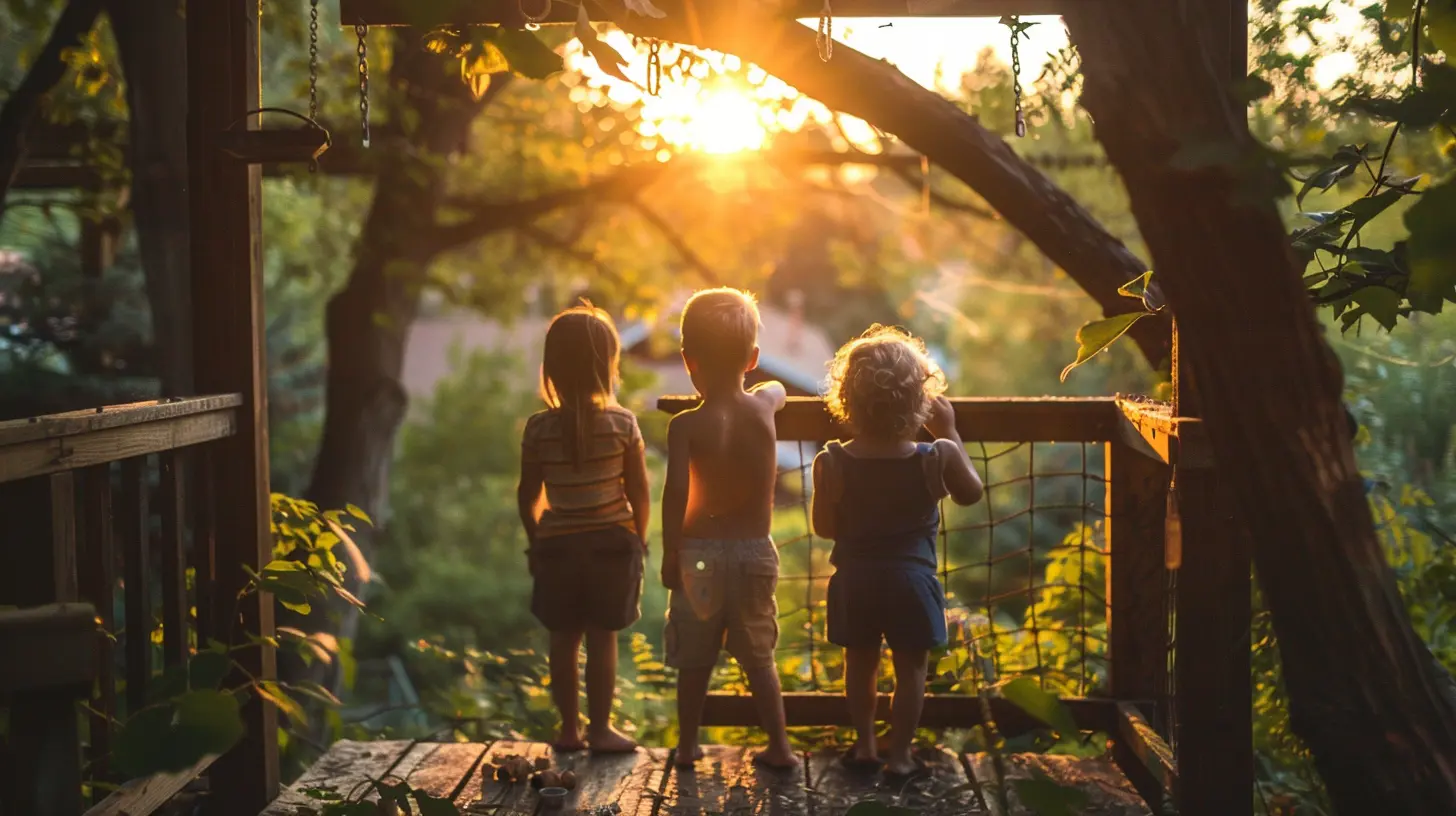
Why Outdoor Play Still Matters
Before we dive into safety tips, let’s talk about why outdoor play isn't just good—it's essential.Fresh Air Does Wonders
Seriously, when’s the last time your kids came in from outside and weren’t happier and more relaxed? There’s something almost magical about fresh air, sunshine (vitamin D, anyone?), and the freedom to move. It boosts moods, supports better sleep, and can even improve focus.Physical Activity = Healthy Kids
Running, jumping, climbing, crawling—it’s not just fun, it’s exercise in disguise. Kids who play outside regularly are more likely to develop motor skills, stronger bones, and better heart health.It Builds Confidence & Creativity
Ever seen your kid turn a stick into a magic wand or a pile of rocks into a castle? Outdoor play fuels imagination and builds confidence through risk-taking and discovery.But none of this works if your outdoor space is more “booby trap” than “backyard oasis.” That’s where safety comes in.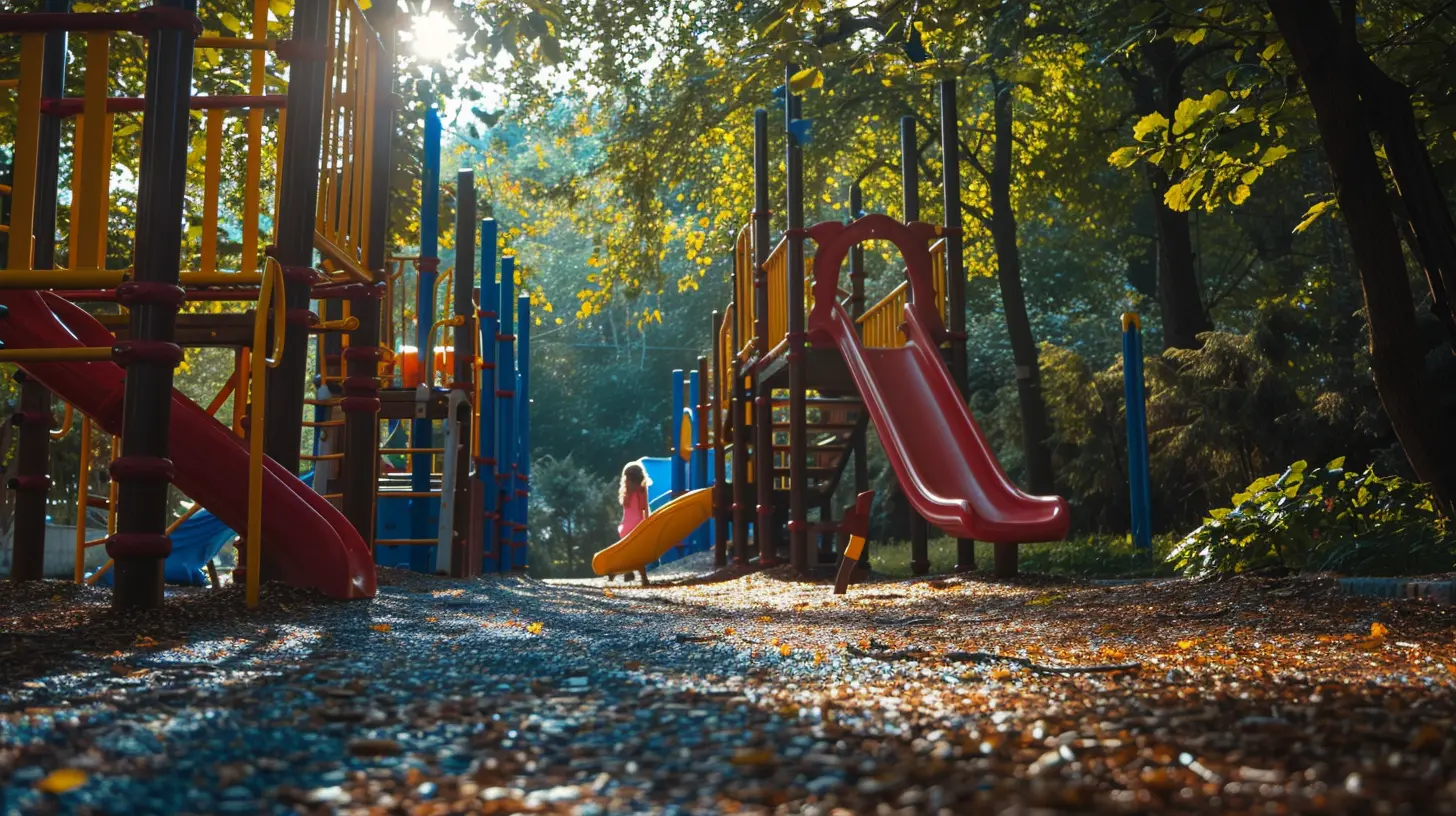
Assessing Your Outdoor Space: Start with a Walkthrough
Alright. Step one: put on your “safety inspector” badge (okay, or just your parenting hat) and take a slow walk around your yard. Look at everything from your child’s perspective. That means getting low—yes, on your hands and knees like a curious toddler.Ask yourself:
- What might a child trip over, touch, or stick their fingers into?
- Are there any sharp edges, loose boards, or hidden holes?
- What’s growing in this garden patch? (Some common plants are toxic to kids!)
Make a quick list of problem areas, or better yet, snap some photos to review later. It’s amazing how much more you notice when you’re taking inventory with safety in mind.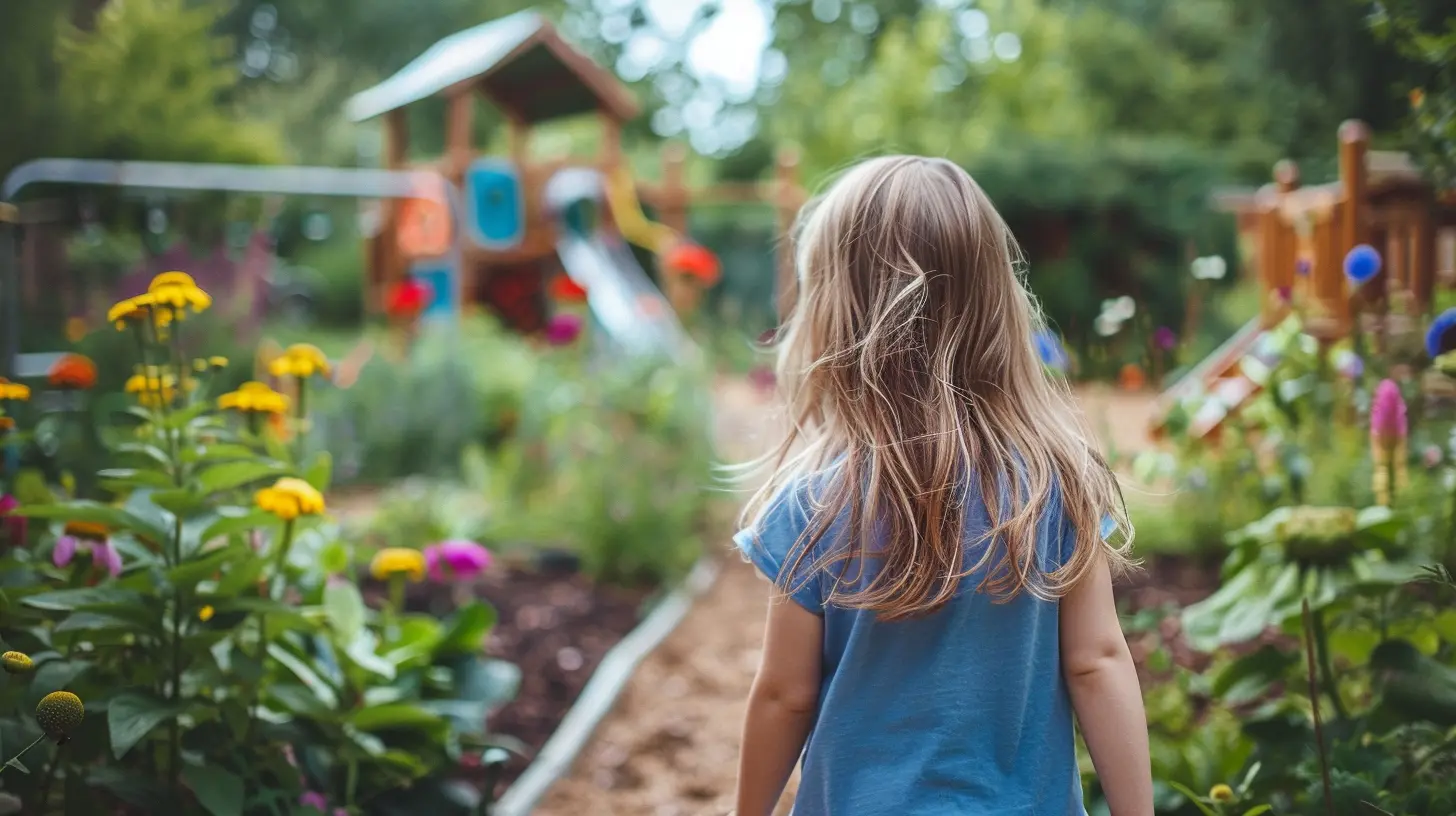
Fence It In: First Line of Defense
Let’s talk boundaries. And no, I don’t mean bedtime rules—although, yes, those matter too.If you have little ones, a secure fence is your best friend. It keeps adventurous toddlers from wandering off and helps keep neighborhood pets (read: strange dogs) out.
What Makes a Fence Safe?
- At least 4 feet high—higher for older kids or teens.- No sharp edges or protruding nails.
- Gates should latch securely and ideally be self-closing.
And please, avoid fences they can easily climb. Because challenge-seeking toddlers will view that like Everest.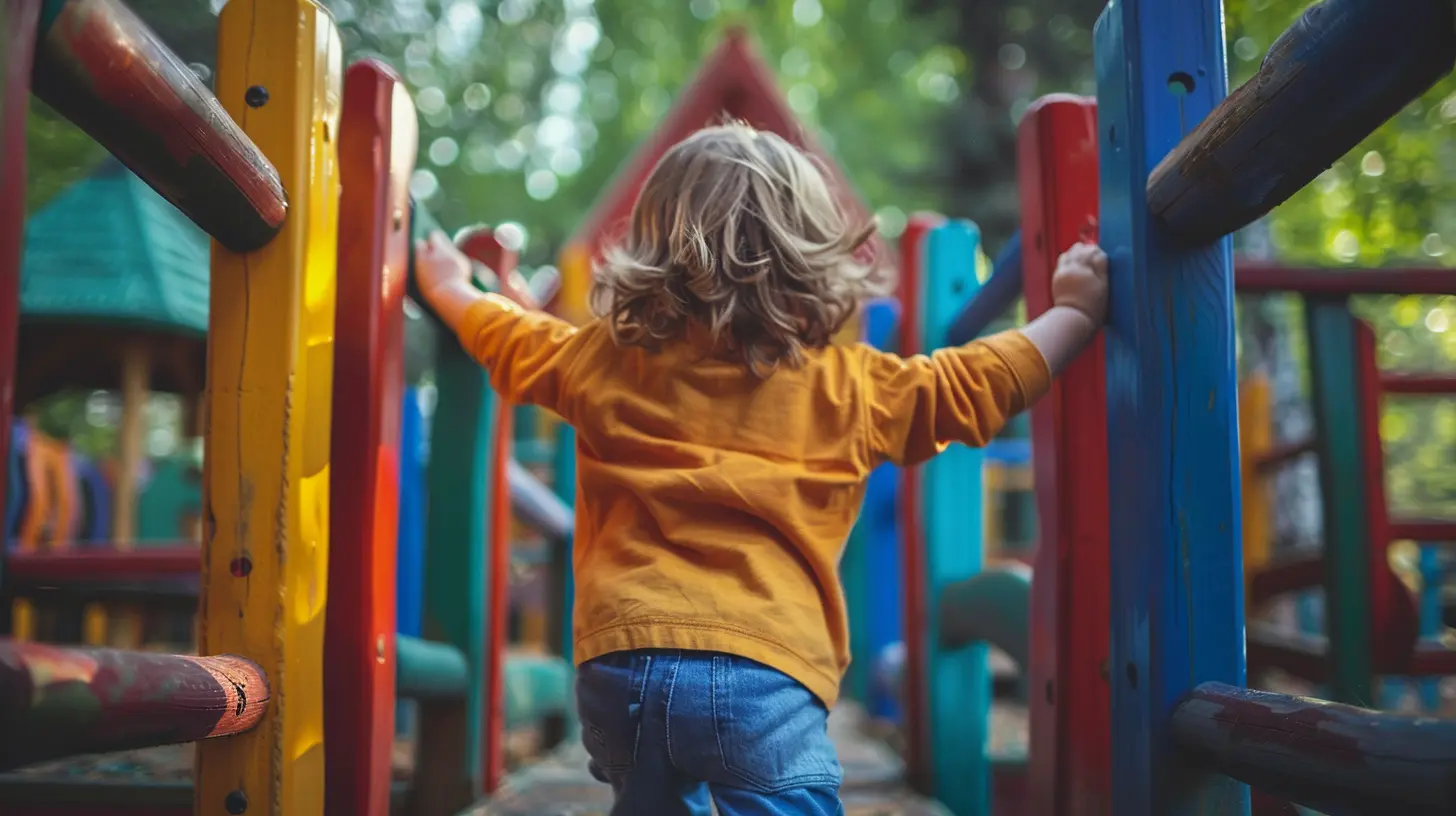
Kid-Friendly Ground Cover: Grass, Mulch, or Something Better?
What your kids are landing on matters almost as much as what they're climbing on.Avoid:
- Concrete or asphalt (ouch)- Bare dirt (hello, mud pit)
- Gravel (ankle twister + ouch for toddlers)
Safer Options:
- Rubber mulch: Soft and springy, but can get hot.- Engineered wood fiber (EWF): Cheaper than rubber, still cushiony.
- Grass: Nature’s carpet, but fades fast under heavy use.
- Playground turf: Looks and feels like grass, but more durable (and cushioned).
Think of it as a mattress for your backyard. Less bounce, more peace of mind.
Age-Appropriate Play Equipment: One Size Doesn’t Fit All
That super tall slide might look cool, but it’s a recipe for panic attacks if you’ve got a toddler at the bottom of it. Always match your outdoor gear to your child’s age and stage.For Toddlers:
- Low-rise slides- Toddler swings with safety harnesses
- Climbing structures under 3 feet
For School-Age Kids:
- Monkey bars and climbing walls- Tire swings (securely tied, of course!)
- Zip lines with safety stops
Safety Check:
- Equipment should be stable—not wobbly- No rust or splinters
- Bolts and hardware should be flush—not sticking out
Oh, and please—anchor that swing set. Wind and wobbles don’t mix.
Shade, Hydration, and Sunscreen—The Holy Trinity
So many parents focus on play structures that they forget the basics: sun protection.What You Can Do:
- Plant trees or install a shade sail- Set up a covered rest area with chairs and water bottles
- Keep a bucket of sunscreen and hats handy
Kids can get sunburned faster than you can say “s'more,” especially in warmer months. Make it part of your outdoor routine.
Keep the Bugs (and Critters) at Bay
How many outdoor adventures have ended in a meltdown over a bee sting or mosquito bite? Been there. Got the calamine lotion to prove it.Tips to Bug-Proof Your Yard:
- Empty standing water (birdbaths, buckets, etc.)- Use natural repellents like citronella or lemon eucalyptus oil
- Keep grass trimmed and garden areas well-maintained
- Teach kids to watch where they step—especially in flower beds
For snakes or other critters, it’s all about keeping hiding spots (wood piles, thick brush) away from play zones.
Supervision: No Substitutes Allowed
Look, even with the safest playground in the world, you still can’t just let kids roam free unsupervised. Supervision is the real MVP here.You don’t need to hover (we’re not helicopters), but definitely:
- Be nearby and aware
- Keep younger kids within arm’s reach
- For older kids, check in every few minutes
And yes, this probably means putting your phone down. It’s worth it.
Safety Gear: Helmets Aren’t Just for Bikes
If your child is on wheels—bike, scooter, skateboard, hoverboard—you better believe helmets are non-negotiable.Safety Gear Rundown:
- Helmet: Sized correctly, snug, and buckled- Elbow/knee pads: For new riders especially
- Closed-toe shoes: Flip-flops don’t mix with scooters
Teach them that wearing gear isn’t “lame”—it’s a badge of outdoor bravery.
Keep It Clean: Toys, Tools, and Toxic Stuff
Yard tools, grills, gardening chemicals—none of that should be within kid reach. Lock it up or stash it high.As for toys, give them a weekly once-over:
- Broken? Toss it.
- Moldy? Clean or replace.
- Unsafe? Say goodbye.
Create a designated “toy zone” so your yard doesn’t look like a toy explosion.
Weather-Proof Your Playtime
Weather can flip just like that. One minute it’s sunny, next it’s thunder and lightning.Teach your kids the basics:
- If you hear thunder, head inside.
- Avoid metal or tall trees during storms.
- In extreme heat, play early morning or late afternoon.
And yes, puddle jumping is allowed—just not when lightning’s part of the package.
Emergency Prep (Just in Case)
No one likes to think about “what if,” but it’s good to be ready.Keep these near your outdoor area:
- First-aid kit
- Emergency contact numbers
- Bug bite cream/bandages
- A small fire extinguisher if you have a grill or fire pit nearby
Trust me, when you’ve got a kid screaming about a splinter, you’ll be glad you didn’t have to sprint inside.
Teaching Kids to Be Safety Smart
Here’s a little secret: if you teach kids why safety rules exist, they’re way more likely to actually follow them.Turn it into a game:
- Who can spot the unsafe item first?
- What’s the “checklist” before you use the trampoline?
- What’s the sun safety chant today?
The more they understand, the more they’ll remember.
Wrap-Up: Safe + Fun = Best Childhood Ever
At the end of the day, we don’t want our kids to grow up in bubble wrap. A few scraped knees and grass stains are part of the childhood package.But by setting up a safe outdoor play environment, you give them something priceless—freedom with protection. A chance to explore, grow, and play their hearts out while staying out of the ER. Sounds like a win to me.
So grab your sunhat, pour yourself a coffee, and let the kiddos loose in your new-and-improved safe outdoor paradise. You’ve earned it.
all images in this post were generated using AI tools
Category:
Child SafetyAuthor:

Liam Huffman