Deconstructing the School Menu: How to Encourage Better Choices
10 March 2026
Ah, the school cafeteria. A place where milk cartons pop open like soda cans, pizza has its own day, and mystery meat still remains… well, a mystery. If you've ever peeked at your child’s lunch tray and thought, _“Wait, is that lunch or a science experiment?”_, you're not alone. For parents, navigating the world of school food is like trying to read a foreign menu without subtitles.
But here's the thing: the school menu isn’t just about food—it's about shaping habits, preferences, and even confidence around eating. So, how do we as parents guide our little ones toward better food choices when we’re not even around at lunchtime?
Let’s pull back the curtain, deconstruct the school menu, and figure out how to set our kids up for food success.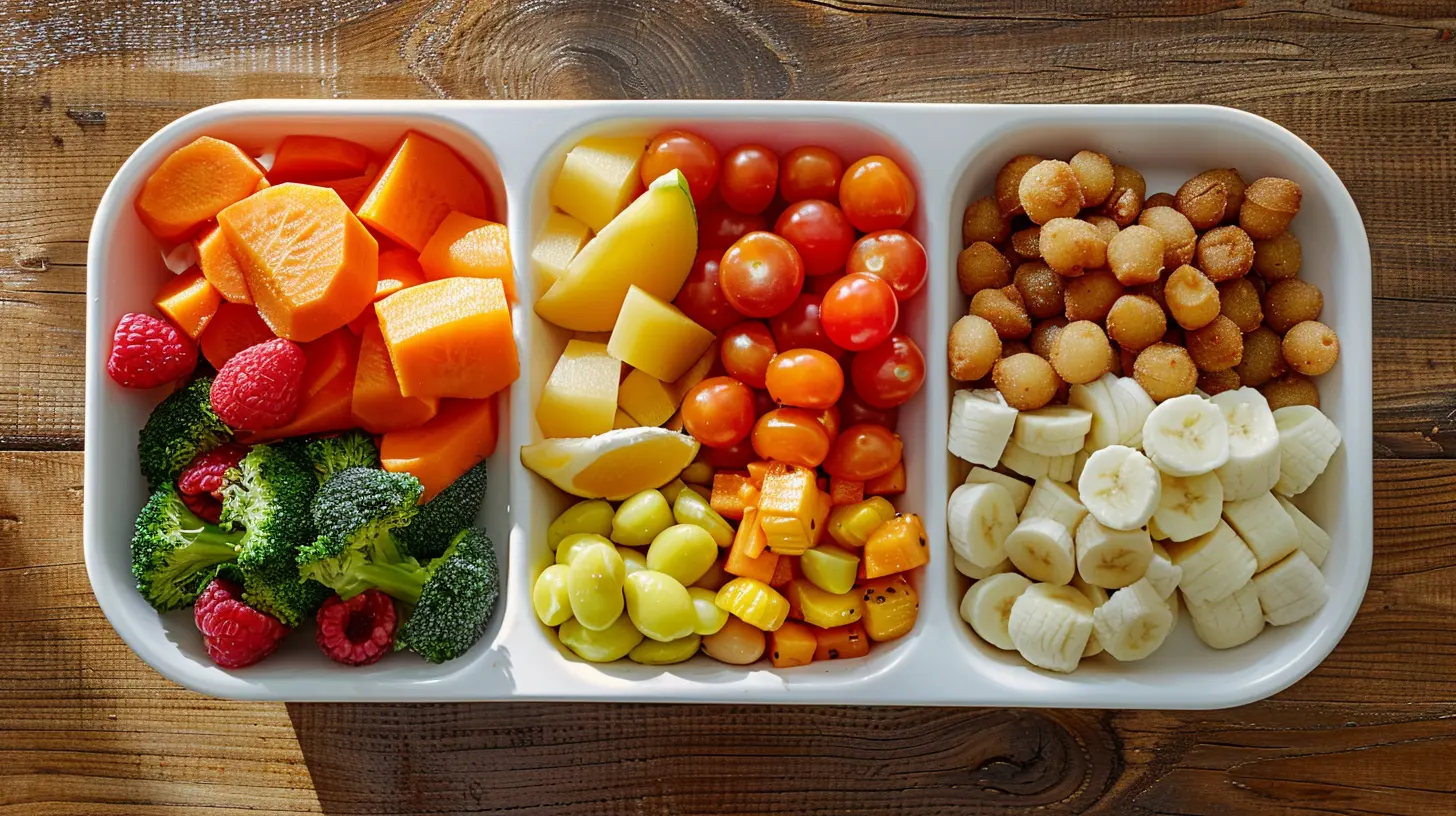
Why School Lunches Matter More Than We Think
We're talking about more than just calories here. School lunches represent a third (sometimes more) of a child's daily intake. That’s a big deal. These meals can either fuel attention spans and energy levels or leave kids dragging by 2 p.m. And let's admit it—when we were young, some of us made a steady diet of chocolate milk and fries. Sound familiar?The habits kids form in the cafeteria often stick with them longer than we’d like to admit. It's not just about nutrition—it's about autonomy, preferences, and even peer dynamics. Your child is making real decisions here, and those decisions—if positively influenced—can lead to lifelong healthy habits.
What’s REALLY on the Tray?
Before we start encouraging better food choices, we need to understand what kids are actually choosing from. Here's a little breakdown of the typical school menu in most public schools:- Entrées: Pizza, chicken nuggets, cheeseburgers, hot dogs, or a daily sandwich
- Vegetables: Often canned corn, green beans, or carrot sticks
- Fruits: Usually canned peaches, applesauce, or the occasional banana or apple
- Milk: Chocolate, strawberry, or plain
- Sides/Snacks: French fries, tater tots, breadsticks
Now, depending on your school district, this may vary. Some schools have salad bars or "build-your-own" stations, while others stick to a more traditional, set menu. Regardless, the general theme is often heavy on processed foods and light on fresh, whole ingredients.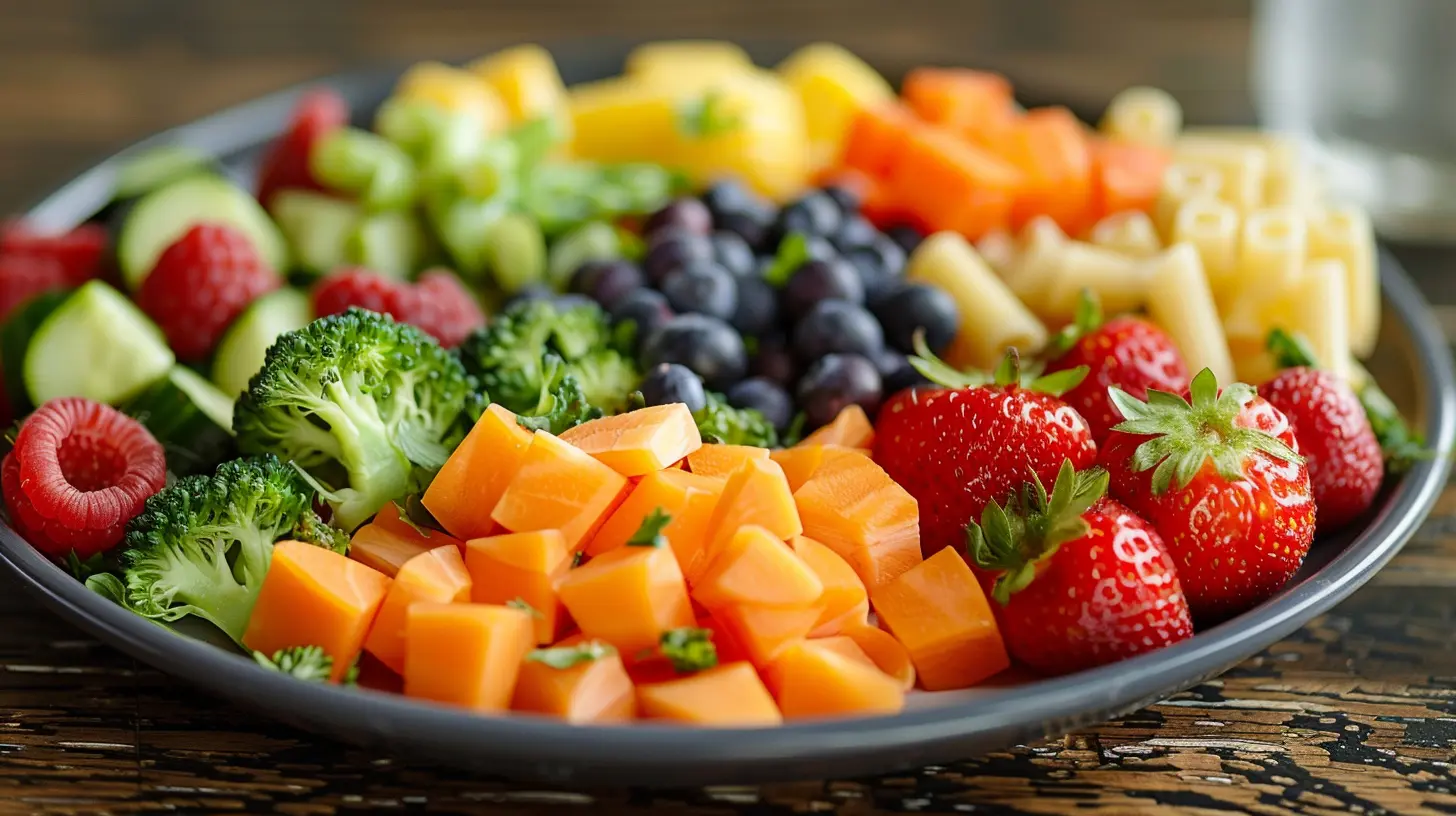
The Psychology Behind the Plate
Ever wonder why the chocolate milk is placed front and center while the bottled water hides like an introvert at a party? That’s not an accident. Food placement, labeling, and even tray design all play a role in what our kids choose.This concept is called “choice architecture,” and schools use it—intentionally or not. It's like a little psychological nudge. Put fruits at eye level? More kids grab them. Give veggies cool names like “X-Ray Vision Carrots”? Boom, higher consumption.
So maybe it’s not just what’s on the tray—but where and how it’s offered.
What Role Can Parents Play Without Hovering?
Alright, so we can’t exactly pack ourselves into our kids’ lunchboxes (unless you’re Ant-Man, in which case, tell me your secrets). But we can still influence their choices in subtle, smart ways.1. Start with Honest Conversations
Instead of asking, “Did you eat your vegetables?”, try, “What was the best thing on your tray today?” Get them talking. You might be surprised by what they remember—flavors, peer pressure, or even what the cafeteria ladies said. Giving kids space to talk about their food experiences is like opening a window into their mini world.2. Decode the Menu Together
Most schools post their menus online. Sit down once a week and look it over with your child. Ask:- “What looks good to you?”
- “What do you think this tastes like?”
- “What would make this better?”
This isn’t about policing their choices—it’s about involving them and helping them think critically about food.
3. Send in Reinforcements (When You Can)
Not a fan of what’s on the menu next Tuesday? Pack a lunch instead. And let your child help. Studies show that kids are more likely to eat what they prepare. Are they seven? Awesome. Let them wash the grapes, pick the snack, or wrap the sandwich. That little ownership goes a long way.4. Normalize Nutritious Foods at Home
If broccoli only shows up like a pop quiz, it's going to feel like a punishment at school. But if veggies, fruits, whole grains, and lean proteins are part of regular meals at home, they won’t feel so foreign in the cafeteria.Think of your home like the training ground and school like the big game.
Making the Menu Better From the Inside
Here’s a fun twist—parents can influence what goes on the actual menu.Join the Wellness Committee
Many schools have nutrition or wellness committees made up of staff and parents. They help review menus and make suggestions. If you want to be a real game-changer, this is your front-row seat.Poll Other Parents
Sometimes, voices are more powerful in unison. Talk to other parents in your school community. If others share your concerns (or your hopes), approach school administrators together. A united front works better than solitary emailing.Advocate for Farm-to-School Programs
These are programs that bring local produce into schools and teach kids where their food comes from. They aren’t just trendy—they work. Kids who participate often eat more fruits and veggies and are more open-minded about new foods.Let’s Talk About “Better Choices”
Now, I know what you’re thinking. "Better choices" sounds great—but what exactly does that mean?It’s not about banning pizza or becoming the lunchroom police. It’s about balance, awareness, and long-term health. Here are some examples:
| Instead of... | Try... |
|---------------|--------|
| Pizza every day | Pizza once a week + other options on other days |
| Canned fruit in syrup | Fresh fruit or fruit canned in water |
| Chocolate milk daily | Plain milk most days, chocolate milk as a treat |
| French fries/fries/fries | Baked sweet potatoes or veggie sides |
Again—it’s about nudging. Not nudging the kids, but nudging the menu. A small tweak here and there can shift the culture over time.
Model, Don’t Mandate
Here’s a secret weapon: your plate.Kids are spongy little observers. If they see you enjoying a colorful salad or drinking water instead of soda, that sticks. Food isn’t just about taste; it’s about culture, emotion, and identity.
Make food fun at home. Try new things together. Mess up a recipe. Laugh when it flops. Those memories form the foundation of their relationship with food.
Encouraging better choices starts with modeling curiosity—not perfection.
Involve Kids in the Bigger Food Conversation
Food isn’t just about eating—it's about community, science, environment, and even justice. Kids love purpose. Teach them where food comes from, what ingredients do in the body, and how different people eat around the world.Help them see that food choices are powerful. They can affect our health, our energy, and even our planet.
Tools and Resources for Curious Parents
Feeling inspired but not sure where to start? Here are some resources to rev up your food-fighting spirit:- Lunch Menu Apps – Many schools use apps like Nutrislice or My School Menus where you can view nutrition facts.
- Books for Kids – Try _What’s on Your Plate_ by Whitney Stewart or _We Are What We Eat_ by Kristy Hammonds.
- Family Cooking Nights – Pick one night a week where the kids help cook something new.
- YouTube Channels – Check out “Kid’s Cooking Network” or “Snack Science” for fun food facts and recipes.
Final Thoughts: Progress Over Perfection
Look, we get it. You can’t win every lunch. There will be days when your child trades their sandwich for a cookie or skips the veggies altogether. And that’s okay.What matters most is consistency, not perfection. It’s about creating an environment—both at home and indirectly at school—where better choices are normal, not forced.
Every bite is a building block, and every conversation about food is a tiny step in the right direction.
So, next time you see that school lunch menu pop up in your inbox—grab a cup of coffee, sit with your kid, and let curiosity lead the way.
all images in this post were generated using AI tools
Category:
Kids NutritionAuthor:

Liam Huffman
Discussion
rate this article
2 comments
Maisie Alexander
This article offers valuable insights into improving school meal choices. By involving children in meal planning and emphasizing the importance of nutrition, parents can empower their kids to make healthier decisions. Simple changes at home can inspire better eating habits that extend to school and beyond. Great read!
March 18, 2026 at 5:49 AM
Liam Huffman
Thank you for your thoughts! Involving kids in meal planning really does make a difference. I'm glad you found the article valuable.
Ariana Sullivan
Great article! Encouraging healthier choices in school menus is essential for our kids' well-being. By educating ourselves and our children about nutrition, we can empower them to make better food decisions that lead to lifelong healthy habits.
March 16, 2026 at 4:16 PM
Liam Huffman
Thank you for your thoughtful comment! Promoting nutrition education is indeed key to fostering lifelong healthy habits in our children.