Everyday Opportunities to Teach Responsibility in the Home
18 August 2026
As parents, we're constantly searching for ways to guide our kids to become capable, compassionate, and responsible adults. But here’s the good news: opportunities to teach responsibility aren’t confined to school or extracurricular activities. In fact, the simple, everyday moments that happen within the four walls of your home are some of the best places to nurture this essential skill.
You don’t need to reinvent the wheel or create elaborate lessons on responsibility. It can be as easy as making sure everyone has roles to play in the day-to-day operations of the house. Curious how? Stick around as I break down how you can use daily moments to instill responsibility in your children. The best part? These are methods anyone can implement — no superhero cape required!
Why Teaching Responsibility is Crucial
Let’s start with the “why.” Why is teaching responsibility to kids so important? Quite simply, responsibility equips our children with lifelong values such as accountability, reliability, and self-discipline. When they understand the importance of being responsible, they help create a more structured, harmonious environment at home and are better prepared for life's inevitable challenges.Without a strong sense of responsibility, consider the alternative: dependence, a lack of motivation, or issues with decision-making. Yikes, right? So, let's dive deeper into how you can turn everyday tasks into growth opportunities.
1. Household Chores: A Simple Place to Start
Chores might not exactly be a fan-favorite activity, but they are a perfect starting point for teaching responsibility. From making their bed to helping with meal prep, every task is a chance for a child to feel like a contributing part of the family.Assign Age-Appropriate Tasks
No one expects your toddler to scrub the bathroom floors (though, wouldn't that be nice?). The key to chore success is assigning age-appropriate tasks. For example:- Toddlers (Ages 2-3): Picking up toys, throwing trash away
- Preschoolers (Ages 4-5): Helping set the table, feeding pets
- School-age Kids (6+): Folding laundry, vacuuming, light yard work
Start small, but don't be afraid to up the ante as your child gets older. The idea is to gradually introduce them to more challenging tasks while ensuring they feel capable and competent.
Build a Schedule Together
Involving your children in building a chore schedule instills a sense of ownership. If they feel like they’ve had a voice in the process, they'll be more motivated to follow through. Plus, it demonstrates that their input matters in the household — a vital lesson in responsibility right there.
2. Let Them Take Ownership of Their Routines
Personal routines are one of the simplest ways to teach responsibility. Whether it’s a morning routine, homework time, or bedtime, creating consistency helps children develop self-discipline and autonomy.Establish Clear Expectations
Kids thrive on structure. When they know what is expected of them, they’re more likely to follow through. For instance, make it clear that after-school time includes both play and homework. Explain the importance of doing homework first, so there's more time for fun afterward. This conveys the value of prioritizing responsibilities.Use Visual Aids
For younger children, visual aids like a chore chart or morning checklist can work wonders. It’s tangible and can be as simple as adding stickers or checking off boxes. These small actions give a sense of accomplishment and reinforce the idea of owning one’s responsibilities.
3. In Encourage Responsibility for Personal Belongings
We’ve all been there — the mad rush to find lost shoes, forgotten lunchboxes, or misplaced favorite toys just as you're heading out the door. While it's often easier to step in and do it yourself, handing these duties to your child is an excellent way to teach accountability.Create Designated Spaces
Help your child by making it easy to stay organized. Create designated spots for shoes, backpacks, and toys. When kids know where things belong, it becomes their responsibility to put them there — not yours! Over time, they'll take pride in keeping their belongings in order.Natural Consequences
What happens if your child forgets their schoolwork or can’t find their jacket when it’s cold outside? Instead of rushing to save the day, allow natural consequences to happen. It might seem harsh initially, but this "tough love" approach teaches kids cause and effect. If they forget their homework and face a consequence at school, they're more likely to remember next time.4. Instill Responsibility Through Pets
If you have a pet or are considering getting one, pets can be a fantastic way to teach responsibility. Caring for another living creature requires commitment, consistency, and empathy — all great life skills.Pet Care Assignments
Break down pet care into specific, manageable tasks for your child. Feeding, watering, brushing, and cleaning up after pets are responsibilities that can be shared based on age and ability. As they learn to care for another being, they also develop an inner sense of duty to others.Consistency is Key
Remind your child that pets rely on them each day. Unlike chores that can be pushed to the side, pet care is non-negotiable. Forgetting to feed the dog isn’t just about missing a task; it’s a lesson in meeting the needs of someone else. This helps kids build empathy alongside responsibility.5. Teach Financial Responsibility Early
Money management is often overlooked in childhood, but it’s never too early to instill good financial habits. Teaching kids about saving, spending, and even donating can foster a sense of responsibility around money early on.Introduce an Allowance
Setting up an allowance system connected to chores or personal responsibilities is a great way to teach budgeting. Have discussions about saving a portion for future use, spending wisely, or giving to charity. These principles will stick with them long term, ensuring they grow into financially responsible adults.Real-Life Practice
Once your child has money from allowance or even birthday gifts, let them make decisions with it. Want a new toy? Great! How much will they need to save? Teaching them about value and trade-offs helps instill responsibility in their financial actions from a young age.6. Model Responsibility as a Parent
Let’s face it: kids are like sponges. They pick up on everything we do (including when we skip out on our own chores). Modeling responsible behavior is one of the easiest ways to teach this value without saying a word.Show Accountability in Your Actions
If you make a mistake, own it. Whether you're apologizing for running late or admitting you missed an important task, showing accountability in your actions teaches a valuable lesson: it’s okay to be imperfect, but it's important to take responsibility for your actions.Engage in Family Responsibility
You can also demonstrate responsibility as a shared family value. If everyone has a role in keeping the household running smoothly, it teaches teamwork, and your children will understand that responsibility doesn’t fall on just one person — it’s a group effort.7. Handle Conflicts and Mistakes with a Responsibility-First Approach
When your child makes a mistake (and they will), how you respond can make all the difference in teaching responsibility. Rather than jumping into punishment mode, frame the situation around learning. Encourage them to take responsibility for their actions and explore how they can fix the issue.Encourage Problem Solving
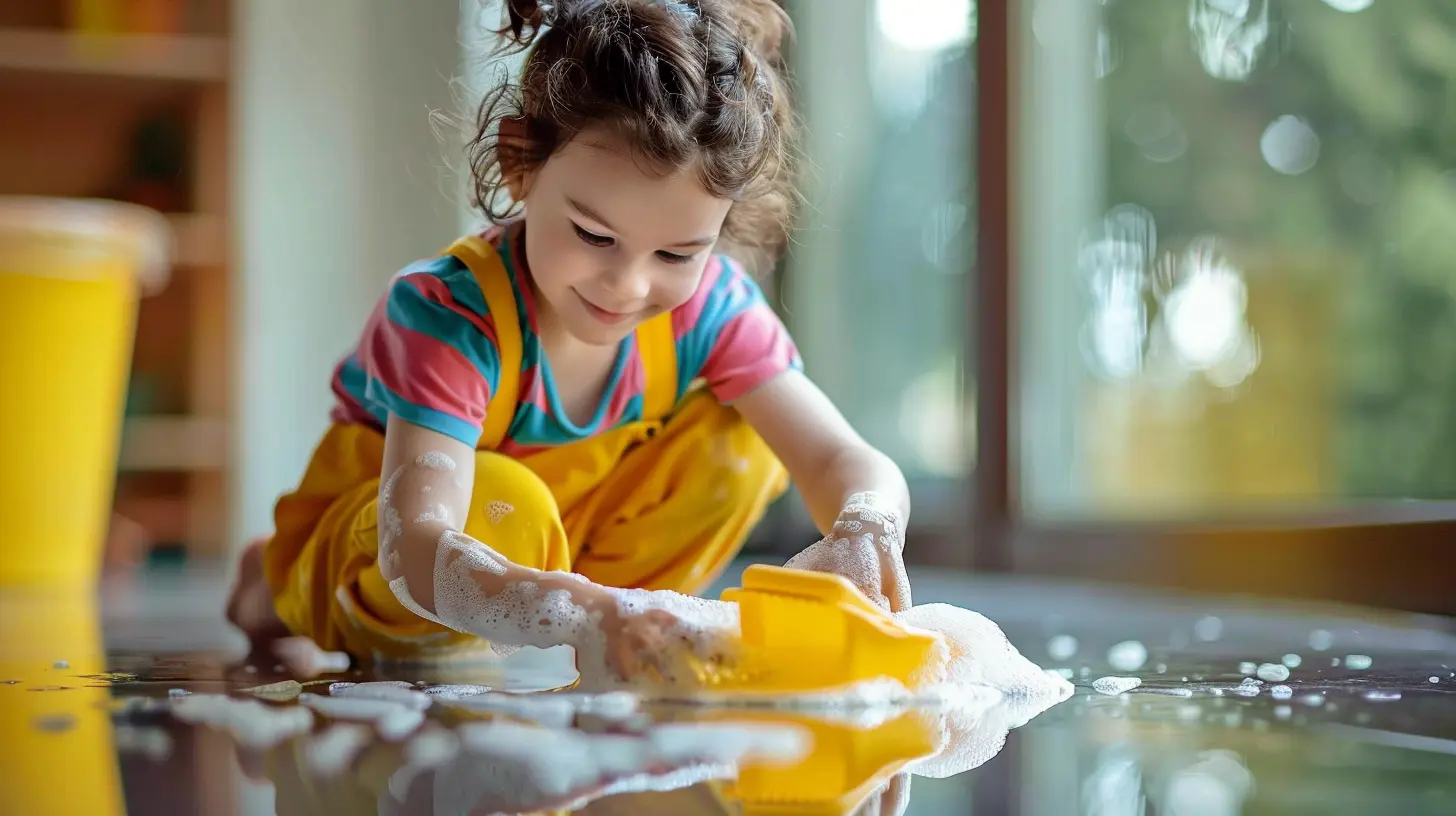
If a child spills juice on the floor, instead of scolding, ask: “What should we do to clean this up?” or “What can we do next time to avoid spills?” This encourages problem-solving and responsibility in handling their own mistakes.Celebrate Effort, Not Just Outcomes
Understanding that trying is often more important than succeeding is a valuable lesson. Whenever your child takes responsibility for their actions — whether in chores, mistakes, or relationships — take the time to acknowledge their effort. This will build their confidence to continue on the path of responsibility.8. Be Patient and Consistent
Here’s the thing: teaching responsibility isn’t a sprint; it’s a marathon. Progress can be slow, and there will likely be setbacks. Just remember: it's completely normal. Be patient with your child.Avoid Micromanaging
It can be tempting to swoop in and fix things when you see your child struggling. However, giving them space to problem solve and figure out their own responsibilities is key to fostering independence. If you constantly manage everything for them, they won’t feel the significant impact of their own choices and actions.Consistency is Key
Your child won’t instantly become responsible overnight. It’s a gradual process, so consistency is your best friend. Stick to routines, follow through with consequences when necessary, and continue assigning tasks regularly.Conclusion
Responsibility isn’t something that can be taught through one single moment or lesson. It’s built over time — through daily interactions, everyday tasks, and even the occasional mistake. By offering your child opportunities to contribute, guiding them through ownership of their personal tasks, and modeling responsible actions yourself, you create a solid foundation that will benefit them for the rest of their lives.Remember, you’re not just raising kids; you’re raising future adults. Every small responsibility today becomes a building block for the responsible adult they’ll grow up to be. And really, what can be more rewarding than that?
all images in this post were generated using AI tools
Category:
Teaching ResponsibilityAuthor:

Liam Huffman