First Aid for Parents: Handling Childhood Emergencies
10 December 2025
Let’s face it—parenting is the most rewarding job in the world, but it also comes with a whole lot of “Oh no, what do I do now?” moments. From scraped knees to full-blown fevers, kids have a knack for finding trouble wherever they go. That’s where first aid swoops in like a superhero cape you didn’t know you needed.
In this guide, we’re going to unpack everything you need to know about first aid for parents—because your kiddo doesn’t come with an instruction manual, but hey, this might be the next best thing.
Why First Aid Matters for Parents
Let’s get real for a second. Emergencies don’t send you a save-the-date. They just show up uninvited. Knowing how to respond can literally be the difference between panic and peace of mind—or even life and death.Remember that time your toddler decided to climb the dining table like Spider-Man? Accidents happen fast, and knowing just a few basic first aid steps can help you stay calm and act quickly.
Building Your Parent First Aid Kit
Before you can play the role of at-home medic, you need to have the right gear on hand. Here's what should be in your basic parent-first-aid toolkit:- Adhesive bandages (in all shapes and sizes)
- Antiseptic wipes or hydrogen peroxide
- Antibiotic ointment
- Digital thermometer
- Tweezers (for splinters and ticks)
- Child-safe scissors
- Ice packs (instant or reusable)
- Disposable gloves
- Infant and child pain relievers (acetaminophen or ibuprofen)
- CPR face shield
- Emergency contact card
Organize everything in a labeled box and keep it in a place that’s out of reach for little ones but easy for you to grab in a pinch.
CPR and Choking: Life-Saving Techniques Every Parent Should Know
This one’s a biggie. If there’s one thing every parent should learn ASAP, it’s infant and child CPR.Infant vs. Child CPR – Know the Difference
- Infants (0-12 months): Use two fingers for chest compressions and give gentle breaths.- Children (1 year and up): Use one or both hands depending on the child's size, and give stronger breaths.
Even a basic first aid class can teach you the ropes. You don’t need to be an EMT—just knowing the rhythm and where to press can make all the difference.
Choking Hazards and What To Do
Kids are curious eaters. Sometimes that curiosity ends with a piece of food going down the wrong pipe.Signs of choking include:
- Difficulty breathing
- Inability to cough
- Bluish skin color
- Gasping or silent crying
For babies under 1 year:
- Give 5 back blows, then 5 chest thrusts (not abdominal thrusts).
For children over 1:
- Perform the Heimlich maneuver (abdominal thrusts).
Tip: Always keep mealtimes distraction-free to prevent choking. No running, playing, or watching TV while eating.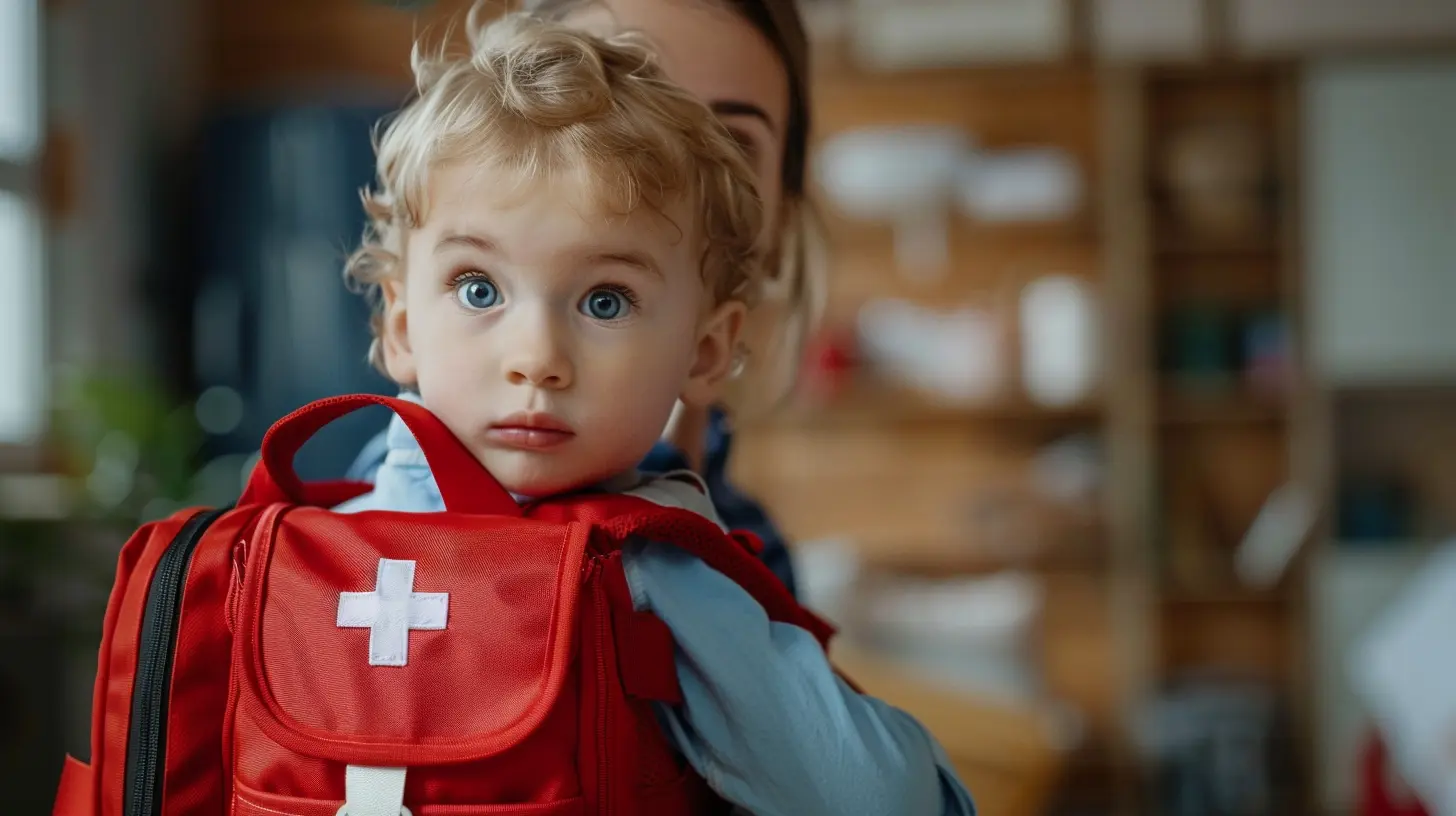
Managing Cuts and Scrapes Like a Pro
If you’ve got a toddler, you probably go through adhesive bandages faster than you go through coffee. Not kidding.What To Do When They Get a Cut or Scrape:
1. Wash your hands – You don’t want to introduce germs.2. Stop the bleeding – Use a clean cloth and apply gentle pressure.
3. Clean the wound – Use mild soap and water or antiseptic wipes.
4. Apply ointment – Keeps the wound moist and helps prevent infection.
5. Cover it up – Use a bandage, especially if the wound might get dirty.
Keep an eye on it over the next few days. If it gets red, puffy, or starts oozing—time to ring the doc.
Fevers: When to Worry and When to Wait
Fever always feels scarier than it is. It’s actually your child's way of fighting off infections, like a tiny warrior in their immune system armor.But, I get it. Seeing that thermometer hit a high number gives every parent a mini heart attack.
When Should You Call the Doctor?
- Under 3 months with a temp over 100.4°F (38°C)- Lasts more than 3 days
- Comes with a rash, stiff neck, or trouble breathing
- Child seems unusually drowsy or unresponsive
Treating a Fever at Home:
- Keep your child hydrated- Dress them in light clothing
- Use fever reducers like acetaminophen or ibuprofen (check dosages!)
- Offer cool compresses on the forehead
Don’t stress if they aren't eating—fluids are more important during fever days.
Bumps, Bruises & Head Injuries
If you've ever heard a thud followed by silence and then a scream, you know what I’m talking about. Kids are hard-headed (in more ways than one), but head injuries should always be taken seriously.What To Watch For After a Head Knock:
- Vomiting more than once- Unusual drowsiness
- Changes in behavior (confusion, irritability)
- Loss of consciousness
- Seizures
If any of these occur, head straight to the ER. Otherwise, apply a cold pack, keep your child calm, and monitor them closely.
Tip: Avoid letting them sleep immediately after a fall—observe them for a bit to make sure all systems are go.
Allergic Reactions: Spotting and Stopping Them Fast
Allergies can come out of nowhere. One day they're munching peanuts, the next day you're seeing hives.Signs of a Severe Allergic Reaction (Anaphylaxis):
- Swelling of lips, face, or tongue- Difficulty breathing
- Vomiting
- Dizziness or fainting
- Widespread hives
If you suspect anaphylaxis:
1. Use an epinephrine auto-injector if prescribed.
2. Call 911 immediately.
3. Keep your child lying down and calm while help arrives.
For milder reactions, antihistamines may help—just always check with your pediatrician first.
Burns and Scalds: What To Do When Things Get Too Hot
Hot soup, bathwater, straighteners—you name it, kids will find a way to touch it.First Aid for Minor Burns:
1. Cool the area – Run cold (not icy) water over the burn for 10-15 minutes.2. Don’t pop blisters – They protect underlying skin.
3. Apply burn cream or aloe vera – Helps soothe and heal.
4. Cover with a sterile, non-stick dressing.
For major burns, or if the skin is white or charred, skip the at-home fix and call 911.
Poisoning: Curious Hands, Sneaky Dangers
Whether it's a colorful detergent pod or a bottle of cough syrup, many things look like candy to little eyes.What To Do If You Suspect Poisoning:
1. Don’t induce vomiting unless told to by a professional.2. Call Poison Control: 1-800-222-1222 (in the U.S.)
3. Know what they took, how much, and when.
Store all meds, cleaners, and chemicals way out of reach and never assume those childproof locks are foolproof.
Insect Bites, Stings, and Tick Troubles
Mosquitoes, bees, and ticks—oh my! These tiny creatures can cause big reactions sometimes.For Regular Bites and Stings:
- Wash the area- Apply a cold pack for swelling
- Use calamine lotion or hydrocortisone cream for itching
For Bee Stings:
- Scrape (don’t squeeze) the stinger out- Watch for allergic reactions
For Ticks:
- Use tweezers to grasp close to the skin and pull straight out- Wash the area and apply antiseptic
- Monitor for rash, fever, or joint pain (could be Lyme disease)
Staying Calm in The Chaos
Look, nobody expects you to be a superhero, but staying calm is your superpower. Take a deep breath. Trust your instincts. And remember, even if you don’t get everything 100% right, your love and presence do most of the healing.Kids bounce back faster than we give them credit for—and you're doing an amazing job.
When to Head to the ER? Trust Your Gut
Here’s the million-dollar question: “Do I need to take them to the hospital?”Some red flags to watch for:
- Trouble breathing
- Seizures
- Deep or bleeding wounds that won't stop
- High fever + rash
- Major head trauma
- Severe allergic reactions
If you’re ever unsure, it’s okay to call your pediatrician or head to urgent care. Better safe than sorry.
Final Thoughts: You’ve Got This!
Being a parent means being part magician, part nurse, and part mind reader. It’s not easy, but when it comes to childhood emergencies, preparation is your best friend.Knowing how to react gives you confidence—and that calm energy is what your child needs most in moments of crisis. So stock that first aid kit, sign up for a CPR course, and tuck this guide somewhere accessible. You've got this, warrior parent.
all images in this post were generated using AI tools
Category:
Child SafetyAuthor:

Liam Huffman
Discussion
rate this article
2 comments
Cara McLain
Who knew parenting came with a side of First Aid training? With kids, every day’s an adventure! Let's dive into these emergencies so we can worry a little less and laugh a lot more!
December 15, 2025 at 4:58 PM
Liam Huffman
Absolutely! Being prepared can turn those scary moments into learning experiences. Let's equip ourselves to handle whatever adventure comes next!
Uriah McCoy
Who knew parenting came with a side of CPR? Just remember: for every scraped knee, there's a heroic band-aid application waiting in the wings. Super parents wear capes made of gauze!
December 10, 2025 at 5:00 PM
Liam Huffman
Absolutely! Parenting definitely has its unexpected challenges, but a little first aid knowledge can turn any superhero moment into a life-saving one. Every scraped knee is a chance to shine!