Helping Children Build Confidence Through Role-Playing Games
20 June 2026
Let’s face it — raising confident kids in today’s world can feel like trying to assemble IKEA furniture without the manual. There’s no one-size-fits-all solution, but one surprisingly powerful tool in the parenting toolbox is role-playing games (RPGs). Yep, those same imaginative activities kids adore can actually serve as a turbo boost for their self-esteem.
Now, before you picture your child running around in a wizard hat casting spells in the living room (though honestly, that sounds adorable), let’s dive into how role-playing games aren’t just fun—they’re confidence-building goldmines.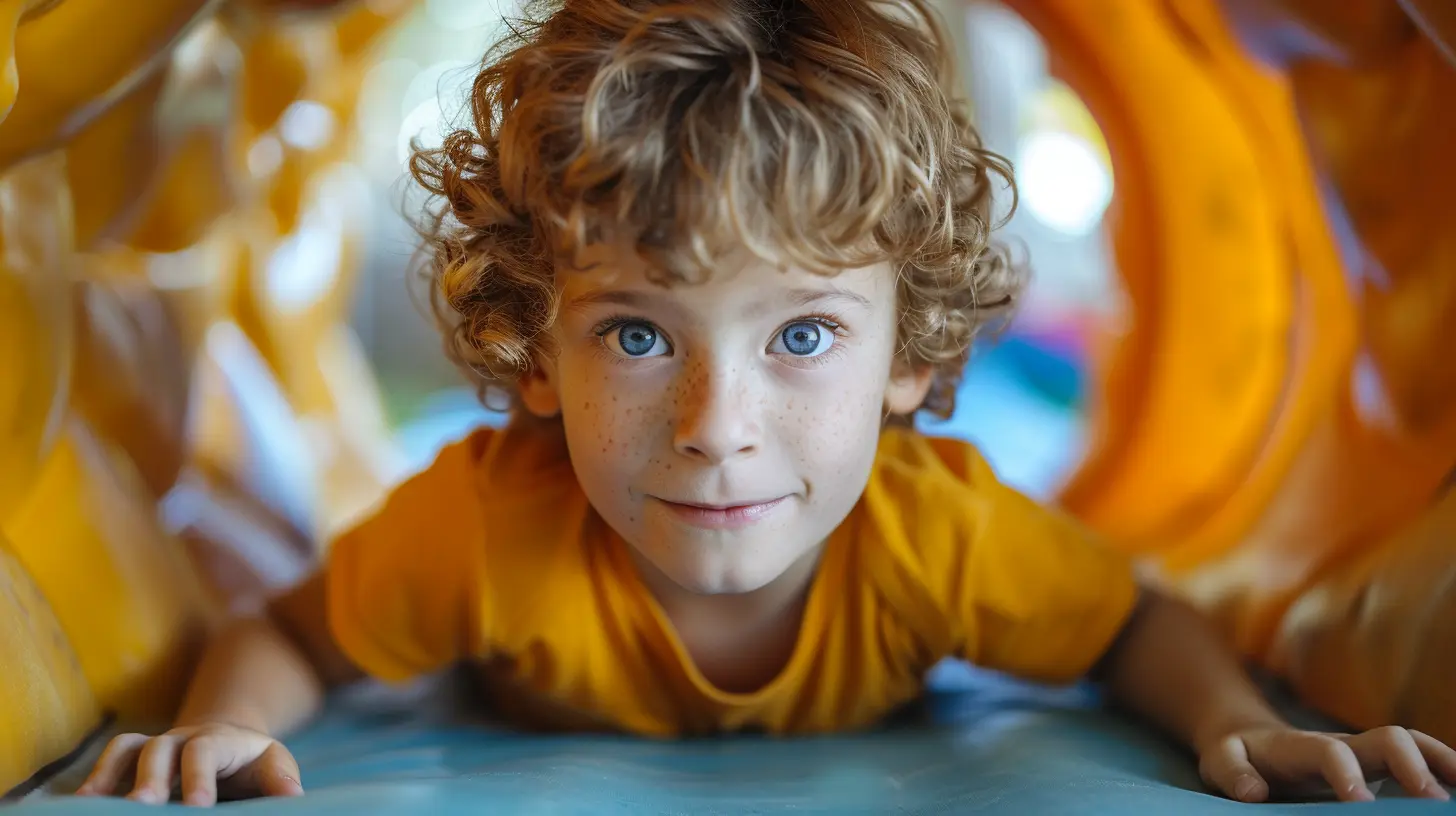
What Are Role-Playing Games, Anyway?
Let’s break it down. Role-playing games are any kind of game where kids take on the role of a character and act out scenarios. These can range from simple dress-up pretend plays to structured tabletop games like Dungeons & Dragons (don’t worry, no dragons were harmed in the making of this article).They can be solo, with friends, or even with you, the parent. Whether it’s pretending to be a doctor or reenacting a favorite cartoon, they're playing out real-world situations in a low-pressure, imaginative space.
Why Confidence Matters in Childhood
Confidence isn’t just about standing tall or speaking clearly—it’s the foundation of how kids see themselves. Believe it or not, confidence affects how they tackle challenges, make friends, and cope with failure. Kids who feel capable are more likely to try new things, ask for help when needed, and keep going when stuff gets tough.So where do role-playing games fit in? Right in the middle. These games let kids experiment with new personas, face imaginary problems, and come up with creative solutions. It’s like mental training wheels for real life.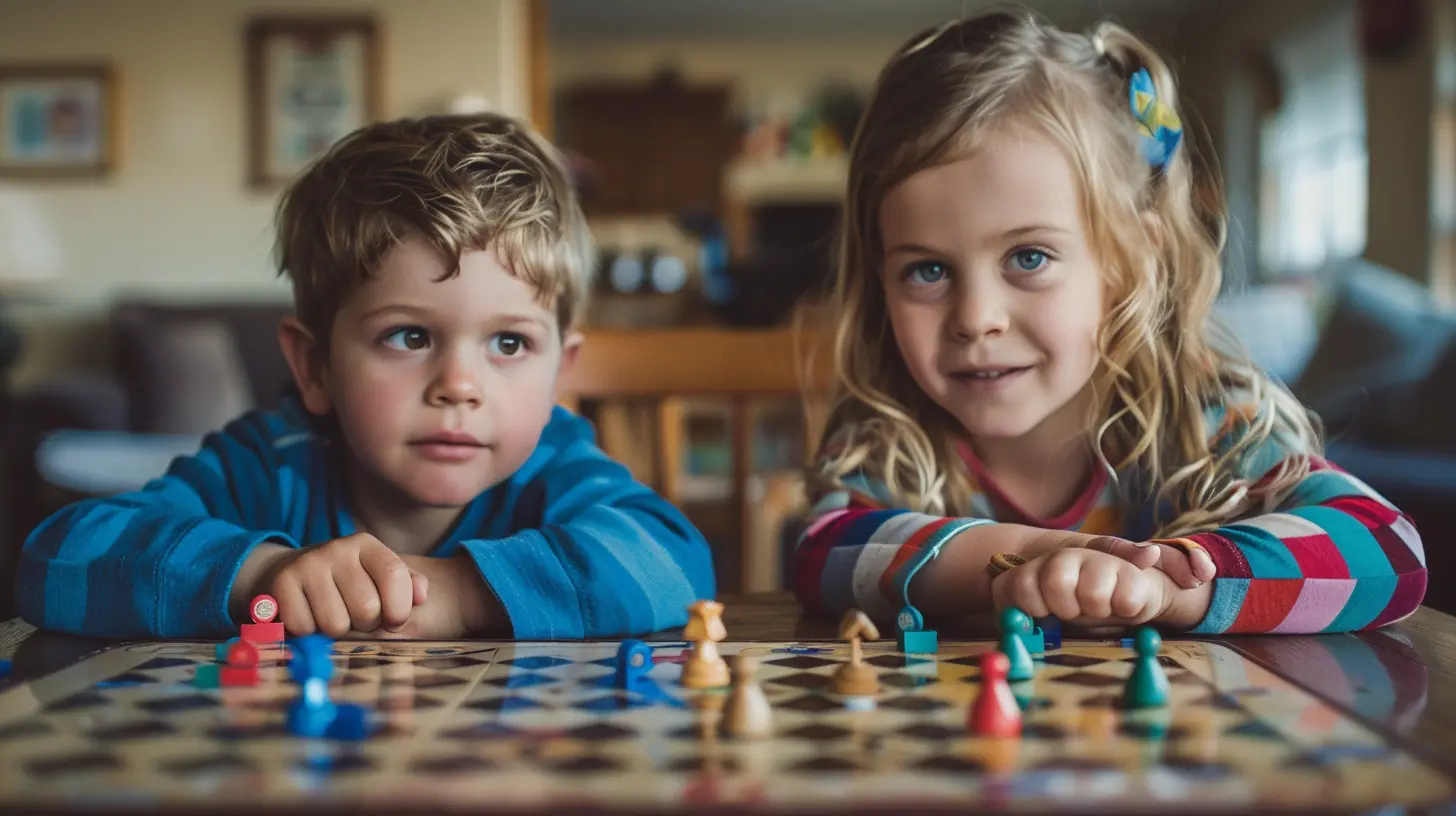
How Role-Playing Builds Confidence (The Fun Way)
Here’s where the magic happens. Role-playing isn’t just play—it’s practice. And here’s why it works so well:1. Safe Space to Make Mistakes
In the real world, mistakes can be scary. In a game? Not so much. Kids get to “fail” without real-world consequences. Maybe the pirate ship sank or their superhero plan didn’t work. That’s okay—it’s part of the fun! This helps children learn resilience and understand that mistakes are stepping stones, not stop signs.2. Creativity Unleashed
In role-playing, there are no wrong answers. Kids can cook imaginary potions, be a world-saving detective, or even talk to unicorns. This kind of creative freedom helps enhance problem-solving skills and gives them a sense of ownership over their ideas.3. Leadership Opportunities
When kids take the lead in a game—whether commanding a spaceship or organizing a tea party—they're practicing leadership and decision-making. They realize their choices matter, and that’s a huge confidence booster.4. Improved Social Skills
Role-playing often involves other kids. Taking turns, listening, negotiating, and sharing ideas—those are all wrapped into the game. These interactions build empathy and communication, two key ingredients in the self-confidence recipe.5. Identity Exploration
Kids sometimes struggle with expressing who they are or understanding how they fit in. Through role-play, they can try on different roles in a safe way—maybe they’re bold as a lion in the game, and that courage sticks with them in real life.
Types of Role-Playing Games That Boost Confidence
Not all games are created equal, but many different role-playing styles can do wonders for your child’s self-esteem. Here are a few go-to favorites:1. Dress-Up & Pretend Play
The classics. Kids love pretending to be firefighters, doctors, or royalty. These scenarios mimic adult responsibilities, making kids feel important and in control. Plus, it’s an excellent way for them to process and understand the world around them.2. Storytelling Games
Games that encourage kids to invent and share stories not only spark imagination but also build narrative and verbal confidence. Think about telling a story around “what happens at wizard school today”—they’re learning to organize thoughts and speak up.3. Tabletop Role-Playing Games (TTRPGs)
If your child is a little older (typically 8+), structured games like Dungeons & Dragons are amazing. With rulebooks, character sheets, and tons of creativity, these games help develop strategic thinking, emotional intelligence, and teamwork.And bonus? You can play with them! Family game night just got cooler.
4. Improv Games
These are great for fast-paced, on-the-spot creativity. Improv teaches kids to trust their instincts and not overthink. Plus, the laughs and silliness help lower anxiety around speaking or acting in front of others.How Parents Can Encourage Role-Playing
You don’t need a theater degree or a treasure chest of costumes—just a little enthusiasm. Here are some fool-proof ways to support your child’s role-playing adventures:1. Join the Fun
Be part of their world. Let them assign you a role—maybe you’re the talking dog, or the shop customer who needs 20 imaginary hamburgers. Your willingness to play along shows them their ideas are valued.2. Ask Open-Ended Questions
Instead of “What are you playing?” try “What happens next in your story?” These questions expand their thinking and boost their narrative confidence.3. Create a Role-Play Friendly Environment
Designate a corner for costumes, props, or even a blanket fort. It tells your child, “Your imagination has a place here.”4. Celebrate Their Ideas
When they proudly tell you about their pirate adventure or alien mission, be all ears. Your interest = their confidence skyrocketing.Real-Life Confidence Gains from Role-Playing
Let’s zoom out for a second. What happens when kids regularly engage in role-play?They start bringing those practiced skills into real situations. Maybe your shy child volunteers to read in front of the class after pretending to be a brave hero in a game. Or they handle a conflict with a friend smoothly after negotiating a kingdom treaty during playtime.
These seemingly small wins are massive development milestones.
What If My Child Is Shy or Hesitant?
That’s totally normal. Some kids warm up slowly, and that’s okay. The key is to create low-pressure, judgment-free opportunities. Try solo pretend play first, or play side-by-side instead of face-to-face (like both playing characters in a “doctor’s office”).Also—never force it. Instead, invite them in. Set up a scenario like “I need someone to help rescue the teddy bear from the couch lava!” and see if they bite. Often, it just takes one spark to ignite their confidence.
The Long-Term Payoff of Confidence Through Play
Here’s the best part—what kids learn through role-playing sticks. They carry those self-assured voices into classrooms, friendships, and eventually adulthood. They’re learning how to think creatively under pressure, how to speak up, how to empathize, and most importantly—how to believe in themselves.Confidence isn’t about being the loudest in the room—it’s about being okay with who you are, even if your voice shakes.
Role-playing gives kids a glimpse of who they can be, and helps them become that person—one imaginary adventure at a time.
Final Thoughts: Bring Out the Inner Hero
So whether your child is a knight battling dragons or a teacher instructing their stuffed animals, remember this:They’re not just playing. They’re growing.
The next time you see your little one wrapped in a cape, saving the world with a spatula wand, smile and join in. Because behind that make-believe lies real self-belief. And that’s worth every imaginary quest.
all images in this post were generated using AI tools
Category:
Building Self EsteemAuthor:

Liam Huffman
Discussion
rate this article
1 comments
Trixie Tucker
Oh great, just what I needed-my kid's a knight now. What's next, dragon training?
June 24, 2026 at 5:05 AM
Liam Huffman
Sounds like an epic adventure in the making! Embracing those imaginative roles can truly boost confidence. Who knows, maybe dragon training will be the next step!