Home Electrical Safety Tips for Families with Young Kids
26 December 2025
As parents, the safety of our little ones is always our number one priority. From the moment they start crawling and exploring the world around them, every corner of the house becomes both a wonderland and a potential hazard. One area where we need to be extra cautious? Electricity.
Young children are naturally curious, and that curiosity can sometimes lead them straight to electrical outlets, cords, and appliances. But don't worry—keeping your family safe doesn’t mean turning your home into a fortress. With a few simple precautions and safety measures, you can create a child-friendly environment without sacrificing convenience.
Let's dive into some essential home electrical safety tips to ensure your kids stay safe while they explore and grow. 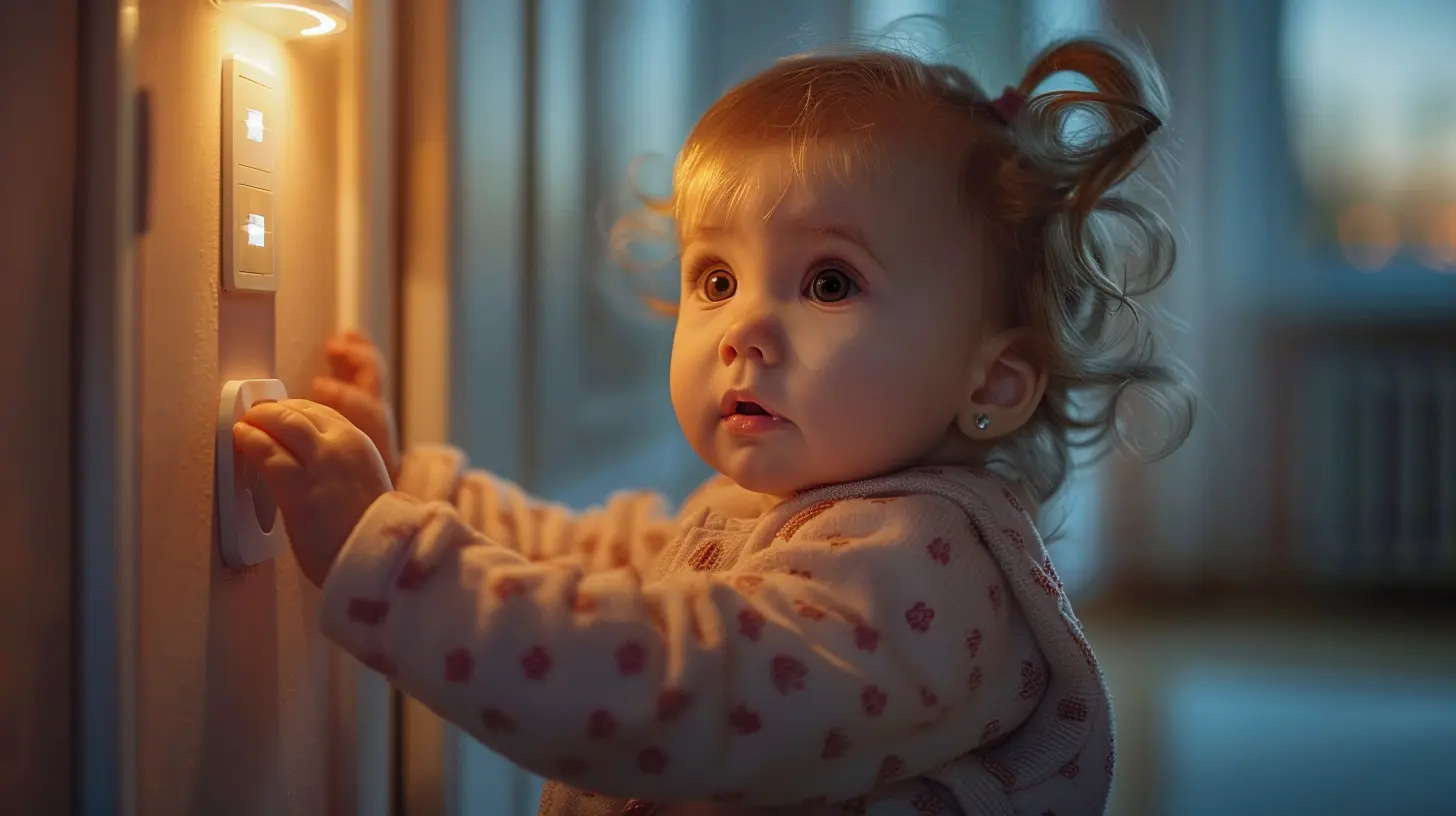
1. Cover Those Electrical Outlets
If your toddler has ever looked at an outlet like it's some kind of intriguing puzzle, you're not alone. Electrical outlets are at just the right height for little hands, making them a prime target for exploration.What You Can Do:
- Use outlet covers or plug protectors to block unused sockets.- Consider tamper-resistant outlets (TROs), which have built-in safety features to prevent insertion of foreign objects.
- Rearrange furniture to cover outlets that are frequently used but within a child’s reach.

2. Keep Cords Out of Reach
Long cords dangling from appliances or lamps might seem harmless, but to a child, they look like fun toys to pull on. This can lead to dangerous situations like tipping over lamps or even unplugging devices.Safety Tips:
- Keep cords hidden behind furniture or use cord shorteners.- Use cord organizers to bundle multiple wires together neatly.
- Avoid using extension cords in areas where kids play—they can be a tripping hazard or accidentally pulled out of the wall.

3. Be Extra Cautious with Power Strips
Power strips are a lifesaver for charging multiple devices, but they can also be a significant safety risk if left within reach of young children.How to Make Them Safer:
- Use safety covers designed for power strips.- Keep them out of reach by placing them behind furniture.
- Never overload a power strip with too many devices, as this can cause overheating.

4. Appliance Safety—Unplug When Not in Use
Kitchen gadgets, hairdryers, and other small appliances can be fascinating to toddlers. If left plugged in, they can pose major risks, from accidental burns to electrical shocks.What You Should Do:
- Always unplug appliances when they’re not in use.- Store cords and appliances in cabinets or high shelves.
- Teach older kids never to play with electrical devices—even if they look harmless.
5. Water and Electricity Don’t Mix
It may seem obvious to adults, but kids might not know that water and electricity are a dangerous combo. Bathrooms and kitchens are prime areas where electrical safety needs to be top of mind.Tips to Keep in Mind:
- Keep all electrical devices away from sinks, bathtubs, and pools.- Make sure your hands and the floor are dry before using any electrical appliance.
- Use GFCI (Ground Fault Circuit Interrupter) outlets in bathrooms, kitchens, and outdoor areas. These outlets shut off power if they detect water interference.
6. Educate Your Children About Electrical Safety
Although toddlers might not fully understand the dangers, slightly older kids can start learning the basics of electrical safety. The sooner they understand, the better!How to Teach Them:
- Explain in simple terms that electricity is not a toy and can be dangerous.- Use storytelling or videos to illustrate why they should never stick objects into outlets.
- Set a rule that only adults are allowed to plug or unplug devices.
7. Be Mindful of Electrical Toys
Battery-operated and plug-in toys are fun, but they also come with some risks. Frayed wires or cheap batteries can overheat, putting your child in danger.What You Can Do:
- Always buy toys from reputable brands that meet safety standards.- Check cords and battery compartments regularly for damage.
- Supervise younger children when they’re playing with electrical toys.
8. Invest in Child-Proof Lighting
Table lamps and nightlights can be dangerous if knocked over or played with. Thankfully, there are safer alternatives.Safe Lighting Options:
- Use wall-mounted lights instead of free-standing lamps.- Opt for LED nightlights with automatic shut-off features.
- Securely fasten any floor lamps to the wall or furniture to prevent tipping.
9. Be Cautious with Space Heaters
During colder months, space heaters can be lifesavers—but they’re also potential hazards, especially for curious kids.Safety Measures:
- Always place heaters out of children's reach.- Choose models with cool-to-touch surfaces and automatic shut-off features.
- Never leave a space heater running unattended.
10. Regular Electrical Inspections
It’s easy to overlook electrical issues when everything seems to be working fine, but old or faulty wiring can be a hidden danger.What You Should Do:
- Hire an electrician to inspect your home every few years.- Look out for flickering lights, buzzing sounds, or any burning smells near outlets.
- Replace damaged cords and frayed wires immediately.
11. Secure All Wall-Mounted TVs and Appliances
If you have a wall-mounted TV or heavy electrical appliances, make sure they’re securely installed. Kids love to climb, and one wrong move can lead to a serious accident.Tips for Safety:
- Use mounting brackets and safety straps to secure TVs and large appliances.- Keep all entertainment systems and gaming setups out of reach of small hands.
- Avoid placing objects your child might want to reach on top of TVs or shelves.
12. Establish Emergency Plans
Even with all the precautions in place, accidents can happen. That’s why it's crucial to have a plan in case of an electrical emergency.What to Include in Your Plan:
- Teach your kids what to do if they see a spark or fire.- Keep fire extinguishers in accessible areas, especially in the kitchen.
- Have emergency phone numbers saved and easily accessible.
Final Thoughts
When it comes to parenting, we can’t always control what happens, but we can prepare and prevent as much as possible. Keeping your home electrically safe for your little ones isn’t about making drastic changes—it’s about taking simple, smart precautions that create a safer environment.By implementing these electrical safety tips, you’re not just childproofing your home—you’re giving yourself peace of mind and ensuring your little adventurers stay safe while they explore their world.
Stay safe, stay vigilant, and most importantly—keep sparking joy, not accidents!
all images in this post were generated using AI tools
Category:
Child SafetyAuthor:

Liam Huffman
Discussion
rate this article
2 comments
Tempest Smith
Great tips! Ensuring electrical safety at home is crucial for protecting our little ones. Simple precautions can make a big difference—let's prioritize safety to create a secure environment for our families.
January 16, 2026 at 4:16 AM
Liam Huffman
Thank you for your thoughtful comment! Keeping our homes safe for our little ones is indeed a top priority.
Onyx Fletcher
Great tips! Staying safe at home is so important—kids are curious little explorers. Thanks for sharing!
December 30, 2025 at 4:06 AM
Liam Huffman
Thank you! I'm glad you found the tips helpful—keeping kids safe is a top priority!