How Attachment Parenting Can Help Heal Past Generational Trauma
23 April 2026
Parenting is one of the most transformative experiences in life. But what if the way we parent has the power to not only shape our children’s future but also heal the unseen wounds of the past? That’s where attachment parenting comes in.
Generational trauma—pain passed down through families—affects the way we connect, love, and raise our children. But the good news? We don’t have to repeat the cycle. With a mindful approach like attachment parenting, we can break free from old wounds and create a secure, loving environment for our kids. Let’s dive into how this parenting style can help heal past trauma and set the next generation up for emotional well-being. 
What Is Generational Trauma?
Before we explore how attachment parenting can help, let’s first understand what generational trauma really means.Trauma doesn’t just affect an individual—it can ripple through families for generations. Whether it’s caused by abuse, neglect, addiction, or even historical events, the emotional wounds of one generation can unknowingly be passed down to the next.
Maybe you grew up in a home where emotional expression was discouraged. Or maybe your parents were too overwhelmed with their own struggles to provide the warmth and security you needed. These experiences can create emotional patterns that shape the way we parent our own children.
But here’s the good news: Awareness is the first step to healing. When we recognize these cycles, we can consciously choose a different path. 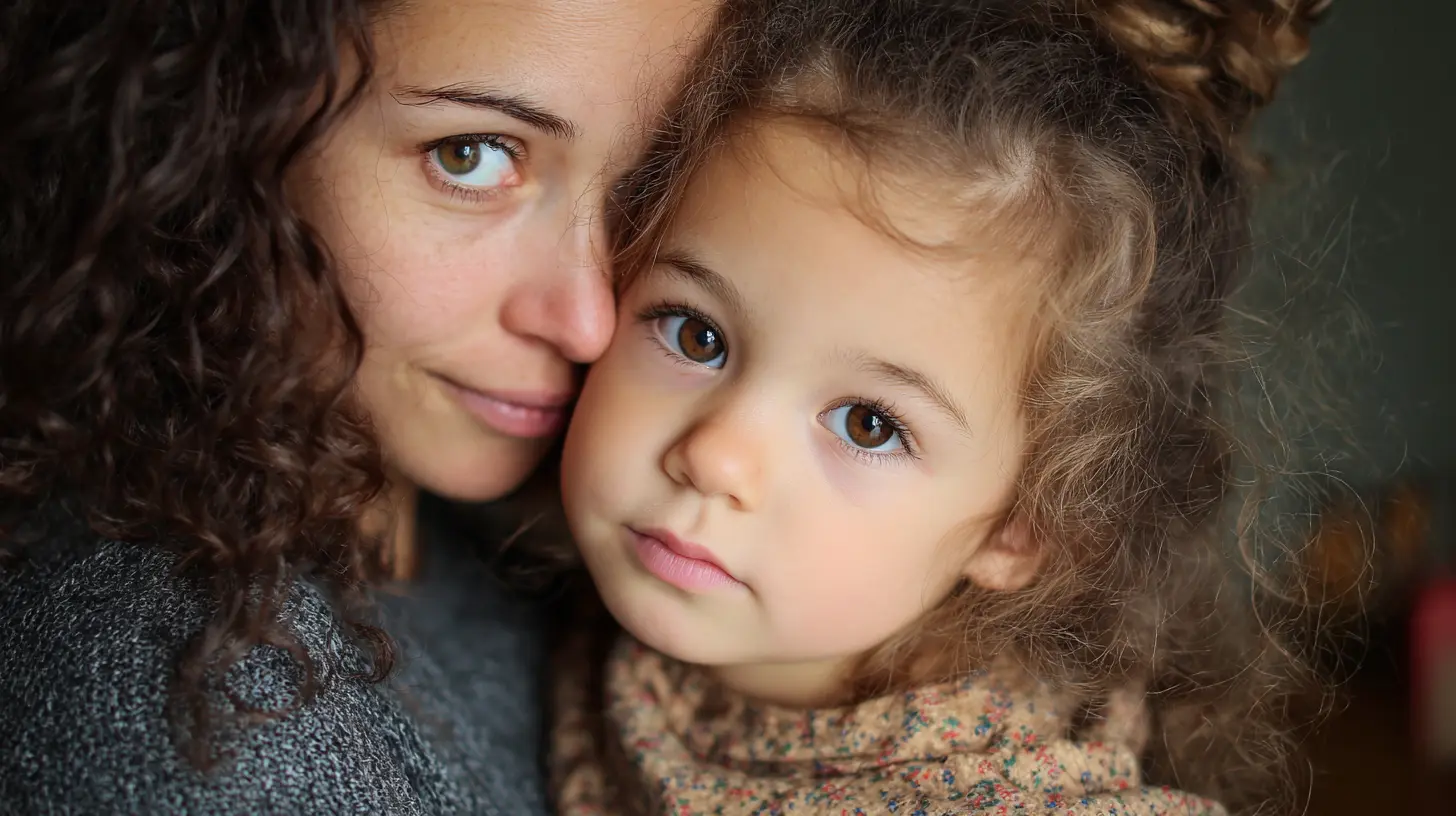
What Is Attachment Parenting?
Attachment parenting is a child-rearing approach that prioritizes emotional connection, trust, and security. It’s about tuning into your child’s needs and responding with warmth, empathy, and attentiveness.Developed by Dr. William Sears, attachment parenting focuses on forming secure emotional bonds between parents and children. The key principles include:
- Bonding from birth – Early skin-to-skin contact, breastfeeding, and physical closeness help create a strong foundation.
- Responsive parenting – Meeting your child’s needs promptly and consistently builds trust.
- Positive discipline – Gentle guidance instead of harsh punishments fosters mutual respect.
- Co-sleeping or proximity at night – Ensuring your child feels safe during vulnerable times.
- Babywearing and physical closeness – Keeping your child close strengthens emotional security.
Now, you might be wondering: How does this help heal past trauma? Let’s break it down. 
How Attachment Parenting Heals Generational Trauma
1. Breaking the Cycle of Emotional Neglect
If you grew up in a household where emotions were dismissed or ignored, attachment parenting offers a chance to rewrite that story.Many of us had parents who meant well but didn’t know how to express love openly. Maybe they were taught that crying meant weakness or that comforting a child would “spoil” them. Unfortunately, this lack of emotional validation can leave deep wounds.
Attachment parenting helps heal those wounds by teaching us to validate our child’s emotions. When we comfort them, listen to them, and acknowledge their feelings, we’re giving them what we may have longed for as children.
And the best part? As we nurture our kids, we also heal ourselves.
2. Building Secure Attachments to Undo Past Insecurities
Generational trauma often creates insecure attachment styles, where children grow up feeling unsure about their worth or whether they can trust others.If your childhood experiences left you feeling anxious, avoidant, or fearful in relationships, attachment parenting allows you to create a new blueprint. By responding consistently and lovingly to your child, you show them that relationships can be safe, dependable, and nurturing.
This not only helps them develop confidence, but it also gives you a chance to experience a secure attachment—something you may not have had growing up.
3. Teaching Emotional Regulation Through Connection
Many of us were raised with the mindset that emotions should be "controlled" rather than understood. Maybe you were told to “stop crying” or “toughen up.” Over time, these messages can make it hard to process emotions in a healthy way.Attachment parenting flips the script. Instead of shutting down emotions, it encourages co-regulation—helping children navigate their feelings through connection and understanding.
When your child is upset, instead of saying “You’re fine,” you might say:
“I see that you’re feeling really frustrated. I’m here for you.”
This teaches kids that emotions are normal and manageable. And as you guide your child through emotional regulation, you may find yourself learning the same skills—healing wounds you didn’t even realize were there.
4. Encouraging Empathy and Connection
Generational trauma often creates emotional distance in families. If you grew up in an environment that lacked warmth or affection, it may feel unfamiliar—even uncomfortable—to be openly loving with your child.But connection is the antidote to trauma.
Through attachment parenting, we practice empathy, affection, and attunement—skills that strengthen relationships and undo emotional barriers. The more we engage in these loving behaviors, the more natural they become, allowing us to rebuild the emotional bonds that past generations may have lost.
5. Redefining Discipline Without Fear
Many parents today were raised with strict, fear-based discipline. Spanking, yelling, or harsh punishments were considered normal. But research shows that these tactics don’t actually teach children self-discipline—they just teach fear.Attachment parenting takes a different approach: discipline through connection.
Instead of punishment, it focuses on guidance and understanding. This doesn’t mean allowing bad behavior—but rather, teaching kids why their actions matter while maintaining a strong emotional bond.
For example, instead of time-outs or spanking, attachment parenting encourages:
- Redirection – Helping a child choose a better behavior.
- Natural consequences – Allowing them to learn from mistakes in a safe way.
- Emotion coaching – Helping them understand why they acted out and how to handle it differently next time.
This not only prevents further emotional trauma but also sets children up with emotional intelligence and self-regulation skills that will serve them for life. 
Healing Yourself As You Heal Your Child
One of the most beautiful aspects of attachment parenting is that it’s not just about our children—it’s about us, too.As you practice empathy, connection, and emotional attunement with your child, you may notice something unexpected happening: You begin to heal, too.
Maybe you finally understand the love you didn’t receive as a child. Maybe you find yourself softening, allowing yourself to be more vulnerable. Or maybe, for the first time, you feel safe enough to express emotions without fear of rejection.
Parenting is not just about raising children—it’s also about re-parenting ourselves.
And that is the true power of breaking the cycle.
Final Thoughts: Parenting With Purpose
Healing generational trauma isn’t easy. It takes intention, patience, and a willingness to confront our own wounds. But attachment parenting offers a path forward—one filled with empathy, connection, and hope.By choosing to parent differently, we’re not just nurturing our children—we’re breaking free from the pain of the past and building something better for the future.
Will it be perfect? No. Parenting never is. But every time you respond with love instead of fear, connection instead of distance, and understanding instead of punishment, you’re rewriting the story.
And that? That is the greatest gift you can ever give—to your child, to yourself, and to generations to come.
all images in this post were generated using AI tools
Category:
Attachment ParentingAuthor:

Liam Huffman
Discussion
rate this article
2 comments
Sloane Evans
Heal, don't repeat... grow up!
May 3, 2026 at 2:53 PM
Liam Huffman
Thanks for your comment! Healing is a journey, and attachment parenting offers valuable tools for growth and connection.
Daria McIntyre
Attachment parenting can be a powerful tool for healing generational trauma. By fostering secure bonds and open communication, we not only nurture our children but also break the cycle of pain. It's time to rewrite our family narratives and create healthier futures together.
April 26, 2026 at 4:57 AM
Liam Huffman
I completely agree. Attachment parenting can pave the way for stronger connections and a brighter future, helping us transform our family stories for the better.