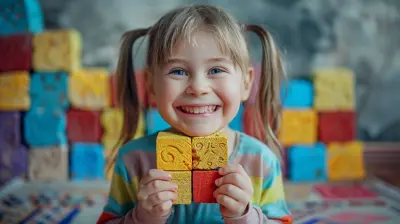
How Chores Can Foster Independence and Responsibility
10 May 2026
Parenting is a wild ride, isn’t it? Between school drop-offs, snack negotiations, and bedtime battles, we’re always looking for ways to raise responsible, self-sufficient little humans. What if I told you that the secret weapon to fostering independence and responsibility in your kids could be as simple as… chores? Yep, those tiny, everyday tasks we sometimes dread doing ourselves can actually help shape our children into capable, confident adults.
So, let’s talk about how chores can do more than just keep your house from looking like a tornado passed through.

Why Should Kids Do Chores?
If you’ve ever wondered, “Isn’t it easier to just do it myself?”—you’re not alone. Giving kids chores can feel like an uphill battle. But the truth is, assigning age-appropriate tasks isn’t just about lightening your load. It’s about teaching life skills, accountability, and self-reliance—things they won’t magically learn overnight.Think of chores like training wheels for adulthood. They might wobble at first, but with enough practice, they’ll eventually ride solo.

The Link Between Chores and Independence
We all want our kids to grow up with a sense of independence—the ability to think for themselves, make decisions, and take responsibility for their actions. Household chores can be a great way to instill this mindset early on.Here’s how:
1. Chores Teach Problem-Solving
Ever watched a toddler struggle to put away their toys? It might take longer than you’d like, but those little frustrations are actually teaching resilience. When kids figure out how to fold a shirt or sweep the floor, they’re learning how to tackle problems head-on—without expecting someone else to do it for them.2. They Learn Time Management
Chores teach kids how to prioritize and manage their time. If they want to play outside or watch their favorite show, they’ll realize that they need to complete their tasks first. This skill carries over into school, work, and future responsibilities.3. Builds Confidence in Their Abilities
There’s something deeply rewarding about accomplishing a task. Even a simple chore—like setting the table or making the bed—gives kids a sense of achievement. It tells them, “Hey, I can do this!” Confidence grows when they see they’re capable of handling responsibilities on their own.
Chores Foster Responsibility
Responsibility isn’t something kids just wake up with one day. It has to be nurtured, and chores are one of the best ways to do that.1. They Learn Accountability
When kids have assigned tasks, they realize that their actions (or lack thereof) affect others. If they forget to feed the pet, their furry friend goes hungry. If they don’t clean up their toys, they might trip over them later. They begin to understand cause and effect—a key component of responsibility.2. It Instills the Value of Hard Work
Nothing in life comes for free, and chores are an early introduction to this reality. When kids contribute to household upkeep, they start to appreciate effort. They begin to recognize that clean laundry doesn’t just magically appear in their dresser—it takes work.3. Encourages Teamwork and Cooperation
Let’s be real—running a household isn’t a solo job. When kids pitch in, they realize that maintaining a home is a team effort. They see firsthand the importance of working together and develop a greater respect for what parents do on a daily basis.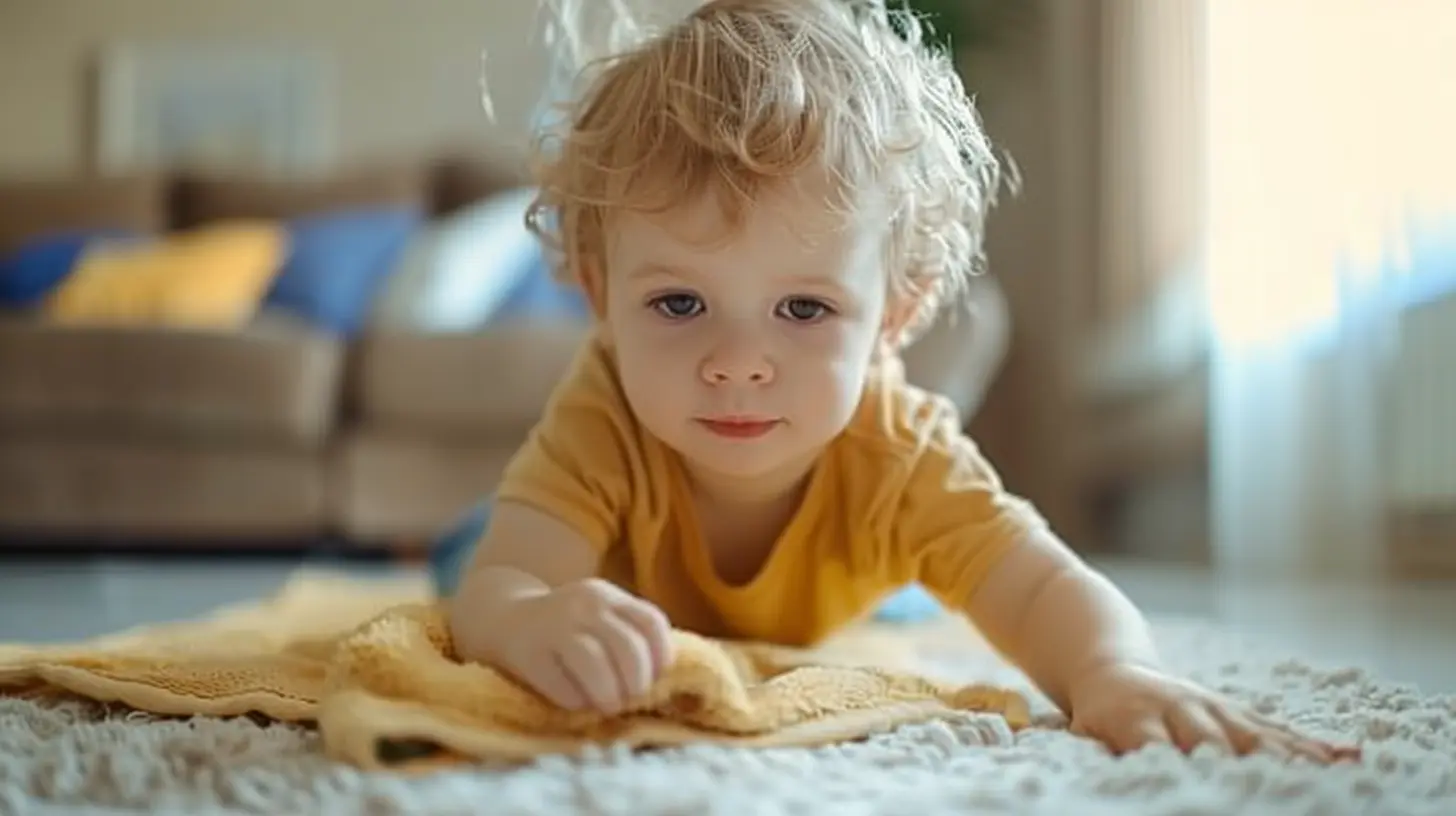
Age-Appropriate Chores That Teach Life Skills
Giving your child a chore that matches their developmental stage is key. If you hand a three-year-old a vacuum, you’re setting both of you up for frustration. Here’s a guide to what kids can handle at different ages:Toddlers (2-4 Years Old)
- Putting toys away- Wiping small spills
- Helping feed pets
- Carrying laundry to the hamper
Preschoolers (4-6 Years Old)
- Setting the table- Watering plants
- Folding washcloths or simple clothing items
- Making their bed (even if it’s messy!)
Elementary Age (6-10 Years Old)
- Sweeping floors- Loading/unloading the dishwasher
- Taking out the trash
- Helping with meal prep (stirring, measuring, etc.)
Preteens (10-12 Years Old)
- Vacuuming- Washing dishes
- Mowing the lawn
- Doing laundry (with supervision)
Teenagers (13+ Years Old)
- Cooking basic meals- Full laundry responsibilities
- Grocery shopping with a list
- Babysitting younger siblings
How to Get Kids Excited About Chores
Let’s be honest—most kids don’t wake up eager to do chores. But with the right approach, you can turn chores from a dreaded task into a normal part of daily life.1. Make It Fun
Turn on some music, set a timer, or make it a game. Can they tidy up their room before a song ends? Little tricks like these can make chores feel less like work.2. Offer Choices
No one likes being told what to do all the time. Let your child pick between two chores—would they rather clean the table or sweep the floor? Giving them a choice makes them feel more in control.3. Set Clear Expectations
Make sure your kids understand exactly what’s expected of them. A vague “clean your room” might mean something different to them than it does to you. Be specific—“Put all your toys in the basket and make your bed.”4. Use a Reward System (But Not Bribes!)
While chores should be part of daily life, a little motivation doesn’t hurt. Instead of bribing, try a simple rewards system. Maybe completing a week’s worth of chores earns them a special privilege—like picking out a family movie or extra playtime.5. Be Patient and Encouraging
Your child’s version of sweeping might not be perfect, and that’s okay. Praise their efforts! Encourage their progress instead of focusing on flaws. With time, their skills will improve.
Final Thoughts: Raising Responsible, Independent Kids One Chore at a Time
Chores aren’t just about keeping the house clean—they’re about shaping who our kids become. When we involve them in household responsibilities, we’re teaching independence, accountability, teamwork, and resilience.So, the next time you catch yourself saying, “It’s faster if I do it myself,” pause and remember: Teaching kids these skills now will make life easier for them (and honestly, for you) in the long run.
Start small, stay consistent, and make it fun. Before you know it, your child will be handling responsibilities like a pro—one chore at a time.
all images in this post were generated using AI tools
Category:
Teaching ResponsibilityAuthor:

Liam Huffman
Discussion
rate this article
2 comments
Hope McCray
Great article! It's wonderful to see how chores can teach kids valuable life skills. Fostering independence and responsibility starts at home.
June 10, 2026 at 4:28 PM
Liam Huffman
Thank you! I'm glad you found it valuable. Chores really do lay the foundation for important life skills.
Petra Martin
I wonder how introducing chores at a young age truly shapes a child's mindset. Could it be that simple tasks build a foundation for independence? I'd love to hear more about real-life experiences and insights on this topic.
May 10, 2026 at 2:35 AM
Liam Huffman
Absolutely. Chores can teach kids valuable skills and responsibility early on. I've seen kids gain confidence and a sense of accomplishment as they tackle tasks, which lays the groundwork for independence. Real-life experiences show that these simple chores can lead to lasting benefits.