How to Celebrate Diversity Within Your Family
30 April 2026
Let's face it—families are like patchwork quilts. Some squares are loud and vibrant, others soft and cozy, and when stitched together with love and understanding, they create something truly beautiful. In today’s world, diversity is not just something we encounter outside our homes—many of us live it, every single day.
Whether your family comes from different cultures, practices different religions, speaks multiple languages, or simply holds a variety of beliefs and traditions, that diversity is something to be cherished. And just like any good celebration, honoring diversity in your family takes a little effort, a lot of heart, and a mindset that's open to growth.
This article will show you how to celebrate diversity within your family—not just during the holidays or when it’s convenient, but as a daily part of your family’s rhythm.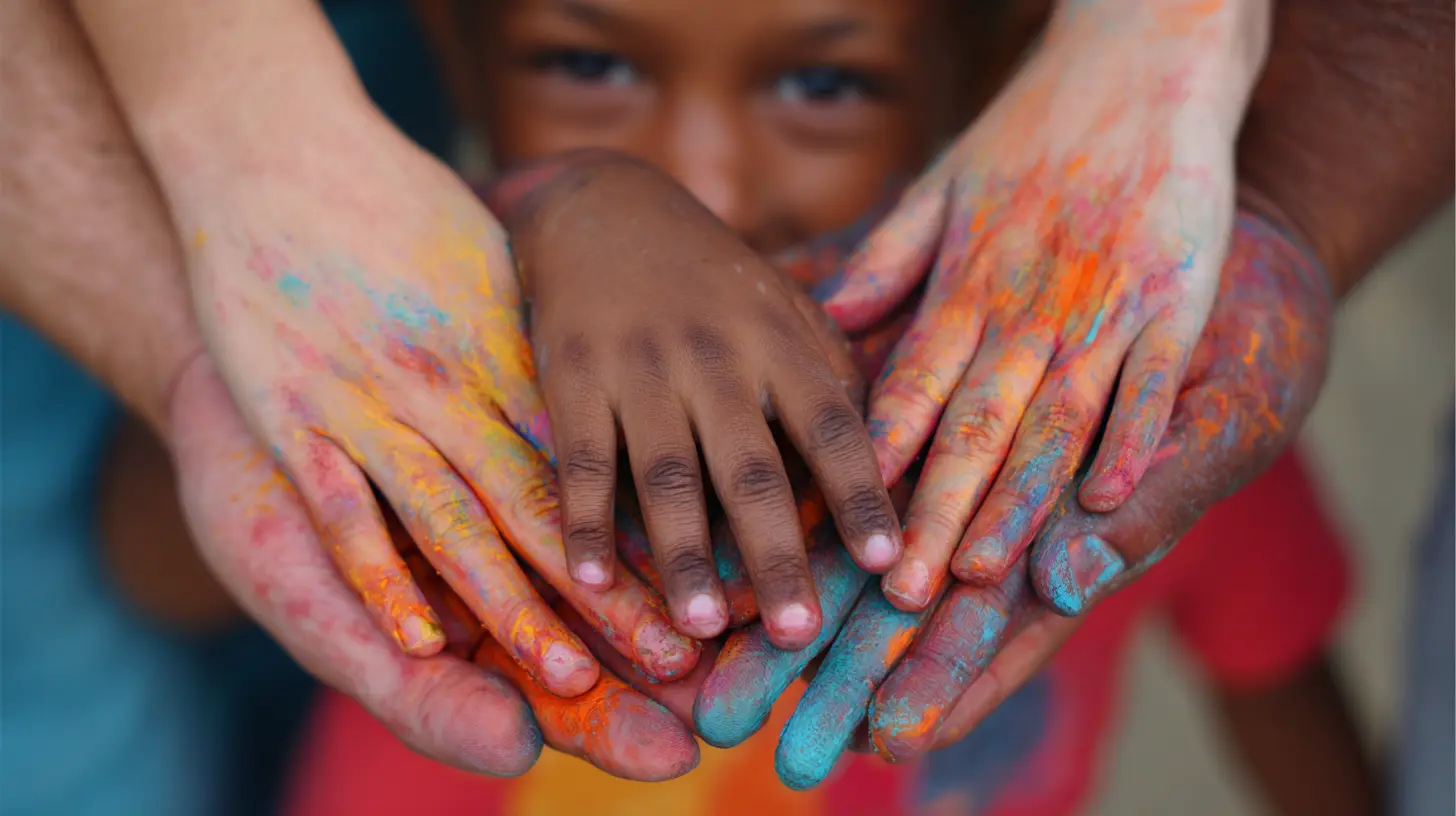
Why Celebrating Diversity in Your Family Matters
Before we dive into the “how,” let’s talk about why this is so important. When kids grow up in a home where differences are embraced rather than judged, they’re more likely to become respectful, open-minded adults. They learn empathy. They start to see the world, not in black and white, but in a rainbow of possibilities.Diversity teaches flexibility, compassion, and resilience. It's like giving your kids a superpower: the ability to relate to people who don’t look, think, or live exactly like them. And don’t we all need more of that?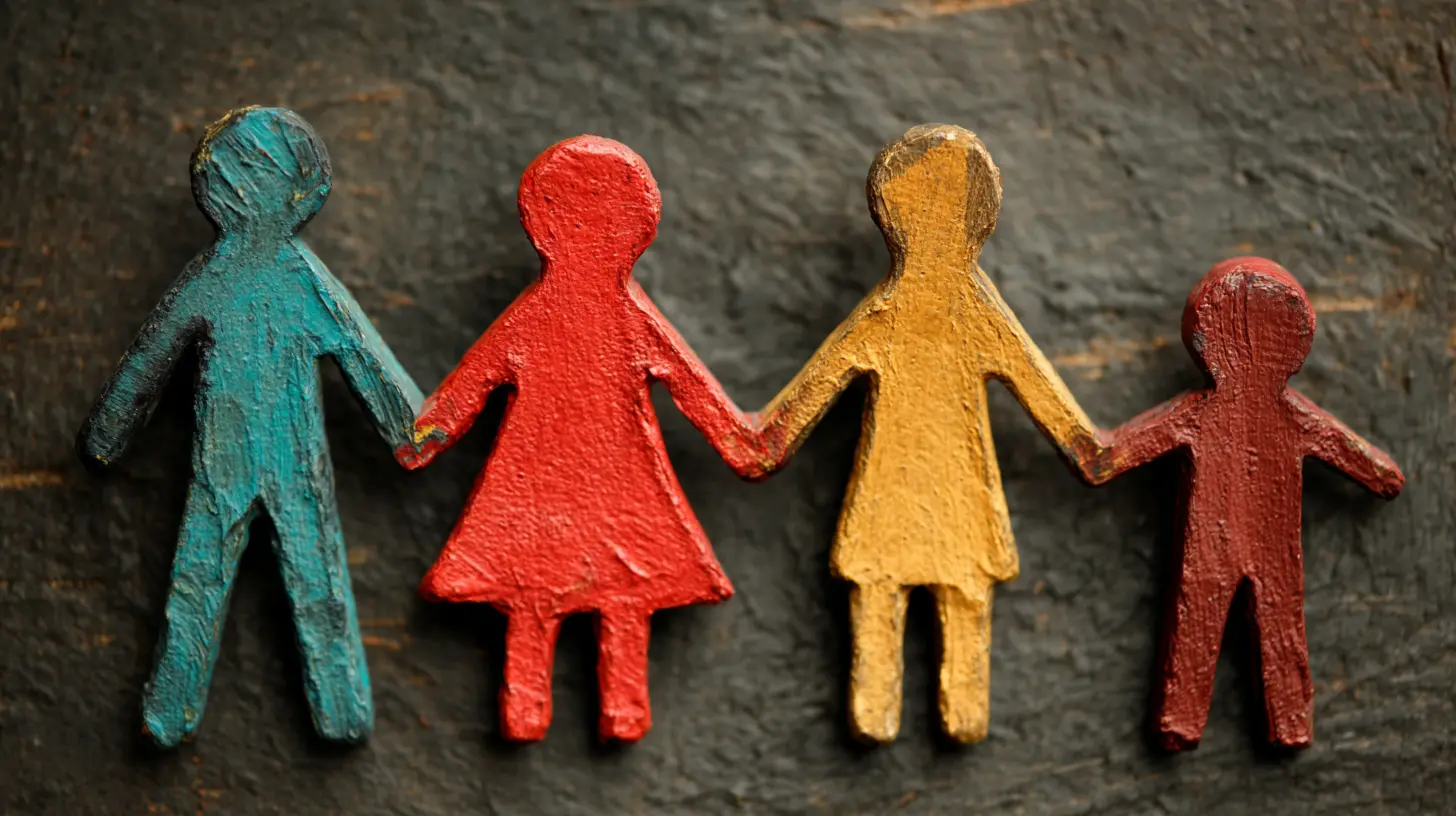
1. Start With Open Conversations
Communication is the heartbeat of any strong family. When it comes to diversity, talking openly is key.Normalize the Differences
Don’t wait for a moment when your child “notices” something—start the conversation early. Talk about skin tones, cultural dress, foods, accents, and holidays in a way that sets the tone: differences are normal, interesting, and welcome.You might say something like, “Isn’t it cool that Grandma cooks food from India and Grandpa tells stories in Spanish?” These comments, though simple, are powerful.
Answer Questions Honestly
Kids are curious. They’ll ask tough questions, and that’s okay. The trick is to respond with honesty, without shaming them for asking. If you’re unsure about something, it’s totally fine to say, “I don’t know—let’s look it up together.”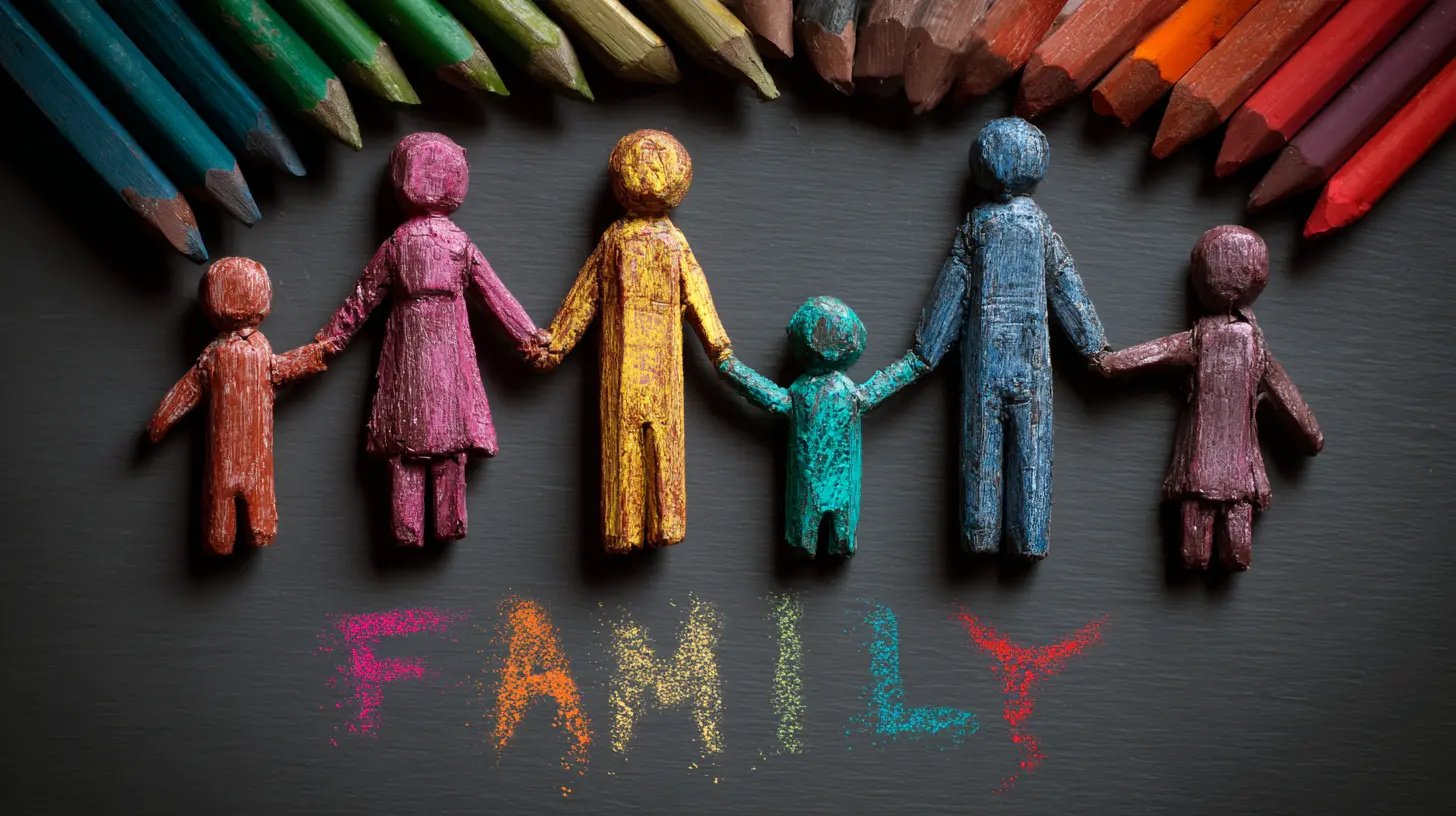
2. Embrace Your Own Family’s Cultural Roots
You can’t celebrate the diversity in your family if you don’t know where it comes from. So, start digging!Create a Family Tree
This can be a fun weekend project. Use photos, flags, or favorite dishes from each culture in your family ancestry. Talk about where your grandparents came from, the languages they spoke, the challenges they faced. Your kids may be fascinated to learn about their own unique mix.Share Stories and Traditions
Maybe your family has a tradition of dancing on New Year’s Eve, making tamales with Abuela, or reading poetry during Ramadan. Whatever those customs are, talk about them often. These traditions ground kids in their identity and help them feel proud of who they are.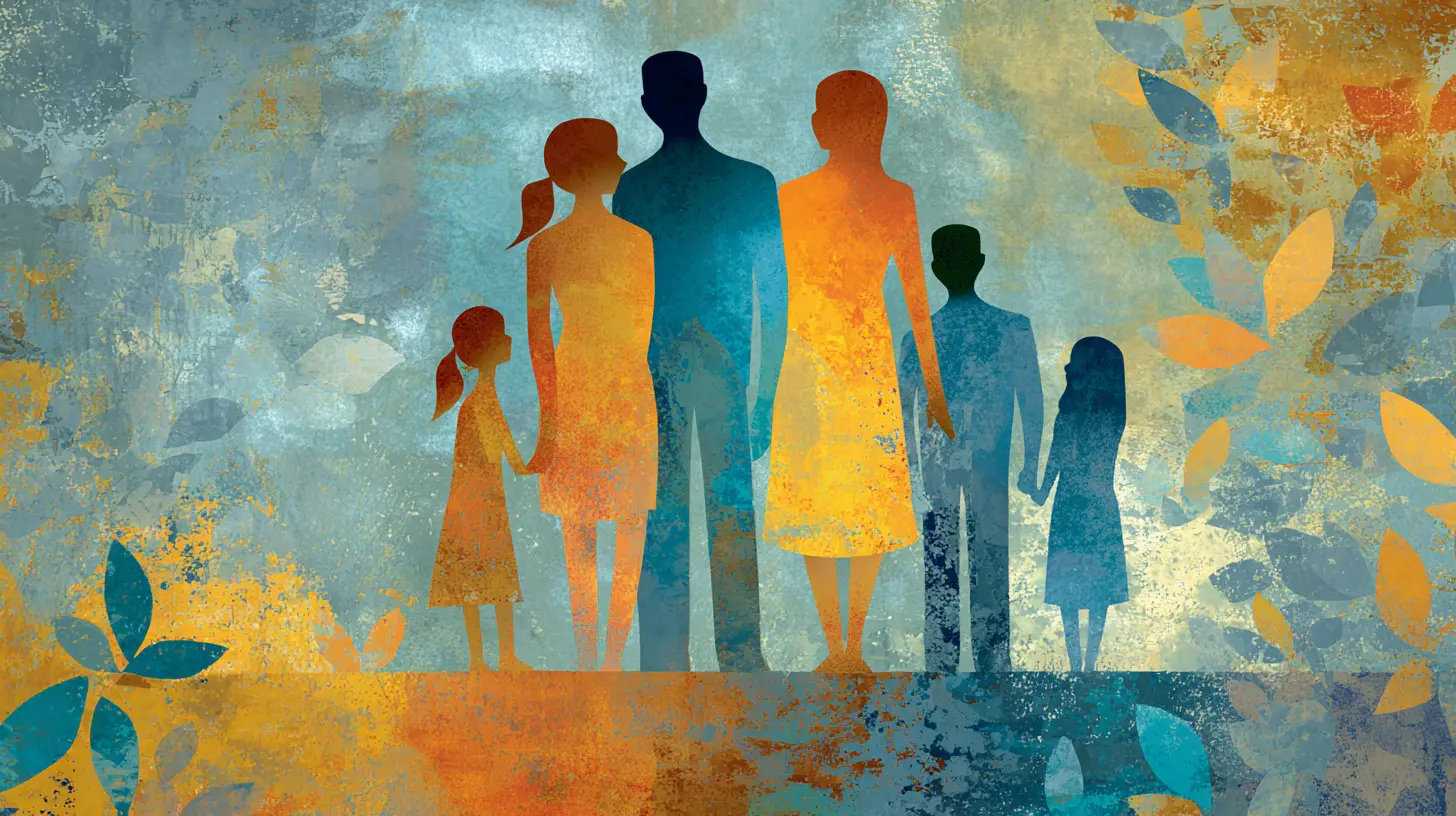
3. Celebrate Holidays from Different Cultures
Let’s make this clear: celebrating diversity doesn’t mean giving up your own traditions—it means opening the door to include others.Create a Holiday Calendar
You don’t have to observe every cultural or religious holiday, but why not learn about a few? Diwali, Hanukkah, Chinese New Year, Juneteenth, Eid, Indigenous Peoples’ Day—each celebration is a doorway into a meaningful story.Make it a family activity to research a holiday each month. Cook a traditional meal, wear traditional attire, play music, or make crafts. The goal isn’t perfection; it’s participation.
Host a Family Culture Night
Once a month, let someone in the family pick a country or culture to highlight. Try cuisine from that region, watch a movie, or learn a few phrases in the local language. This can be especially fun in multicultural families where each person brings a different background to the table.4. Teach Inclusivity Through Books and Media
Let's be real: kids soak up media like a sponge. So if you're looking to plant seeds of empathy, start with what’s on their bookshelf or screen.Choose Diverse Books
Fill your home library with stories from and about people of different races, abilities, cultures, and family structures. Books where the main character wears a hijab, uses a wheelchair, or speaks in sign language can spark meaningful conversations.Some great options include:
- Last Stop on Market Street by Matt de la Peña
- My Papi Has a Motorcycle by Isabel Quintero
- All Are Welcome by Alexandra Penfold
Watch Shows That Reflect The Real World
Screen time isn’t automatically bad. Choose TV shows and movies with diverse casts and storylines. Ask your kids what they noticed, how characters handled challenges, or how the family dynamics were different or similar to yours.5. Practice Respect, Not Just Tolerance
Here’s the thing—tolerance is the first step, but we want to go beyond that. We want our homes to be filled with respect, acceptance, and celebration of differences.Be Mindful of Language
Watch out for biased language, even if it’s subtle. Challenge stereotypes or jokes that don’t sit right. Our kids are experts at noticing our inconsistency—you can bet they’ll call us out when we don’t walk the talk!Teach Empathy
Create moments where your kids can “step into someone else’s shoes.” Whether that’s through role-playing, volunteering, or just listening deeply to someone else's story, empathy is the glue that holds diverse families together.6. Encourage Curiosity, Not Fear
The unknown can feel scary—but it doesn't have to be. Teach your kids to approach differences with curiosity instead of judgment.Say “Tell Me More”
Instead of shutting down questions with “That’s just how it is,” prompt more discussion: “Tell me more about why you’re asking,” or “What do you think about that?” It's amazing the insights kids will offer when they feel safe to open up.Model Lifelong Learning
Admit when you don’t know everything. Take your kids with you on your own journey of learning about culture, history, and inclusivity. They’ll not only appreciate your honesty, but they’ll also see that learning never stops.7. Create Inclusive Family Rules and Routines
This one’s practical and often overlooked. Make sure your family values show up in the way you live, not just what you say.Celebrate Everyone Equally
If your family includes people from multiple cultures or belief systems, make sure everyone’s traditions get equal airtime. If one child gets a Christmas stocking, maybe another child gets gifts for Kwanzaa or a special meal for Lunar New Year.Address Bias Early
If a child uses a term they heard at school that’s offensive, don’t shy away. Explain why it's hurtful. Be kind, but firm. Help them understand the impact of words and actions.8. Connect with Diverse Communities
You can't celebrate diversity in a bubble. Get out and meet people who live differently than you do.Attend Local Cultural Events
From food festivals to heritage parades to temple tours, your city might be bursting with opportunities to experience other cultures firsthand. Bring your kiddo along, try new foods, and ask questions.Diversify Your Circle
Look around at your friend group. If everyone looks and thinks like you, consider broadening your circle. Encouraging friendships with families of different backgrounds is one of the best ways to raise inclusive kids.9. Practice What You Preach
Last but definitely not least—walk the walk. Kids don’t do as we say; they do as we do. If they see you respecting others, being open-minded, and standing up for what’s right, they’ll likely do the same.This means:
- Calling out injustice
- Being kind to the new neighbor from another country
- Speaking up when a joke crosses the line
- Supporting businesses from diverse communities
Think of it like passing the torch. Your behavior lights the path they will walk.
Final Thoughts: Your Family Is Your First Classroom
Think of your family like a garden. Diversity is the variety of seeds you plant, and celebration is how you water them. The result? A vibrant, unique, ever-growing ecosystem of love, learning, and respect.It’s not about being perfect—it’s about being intentional. Every step you take in the direction of inclusion, no matter how small, is a step toward building a kinder future.
So go ahead—get curious, get messy, get talking. Your family’s differences aren’t just something to “deal with”—they’re something to treasure and celebrate.
all images in this post were generated using AI tools
Category:
Family LifeAuthor:

Liam Huffman
Discussion
rate this article
2 comments
Grayson McEvoy
This article offers valuable insights on embracing diversity. It's essential to foster an inclusive environment that celebrates each family member's uniqueness.
May 18, 2026 at 3:17 AM
Liam Huffman
Thank you! I'm glad you found the insights helpful. Embracing each person's uniqueness truly enriches family life.
Simon Perez
Celebrate your family's uniqueness with pride. Embrace differences and let love guide your journey.
May 9, 2026 at 5:02 PM