How to Choose the Right Car Seat for Maximum Child Safety
4 January 2026
If you're reading this, chances are you're a parent or caregiver who wants only the best—and safest—for your child. And when it comes to riding in vehicles, choosing the right car seat isn't just about comfort or convenience; it's a matter of life and death. Yep, it’s that important.
So let’s walk through it together. We’ll break down the types of car seats, safety features to look out for, common mistakes to avoid, and how to make sure you've got the perfect fit for your child’s age, size, and stage. Buckle up—this is one ride you don’t want to skip.
Why Choosing the Right Car Seat Matters
Did you know that car crashes are one of the leading causes of injury and death for children? That’s terrifying—but here’s the good news: a properly selected and installed car seat can reduce the risk of fatal injury by over 70% for infants and over 50% for toddlers.That’s not just a statistic—it’s a reason to pause and make sure you’re doing things right.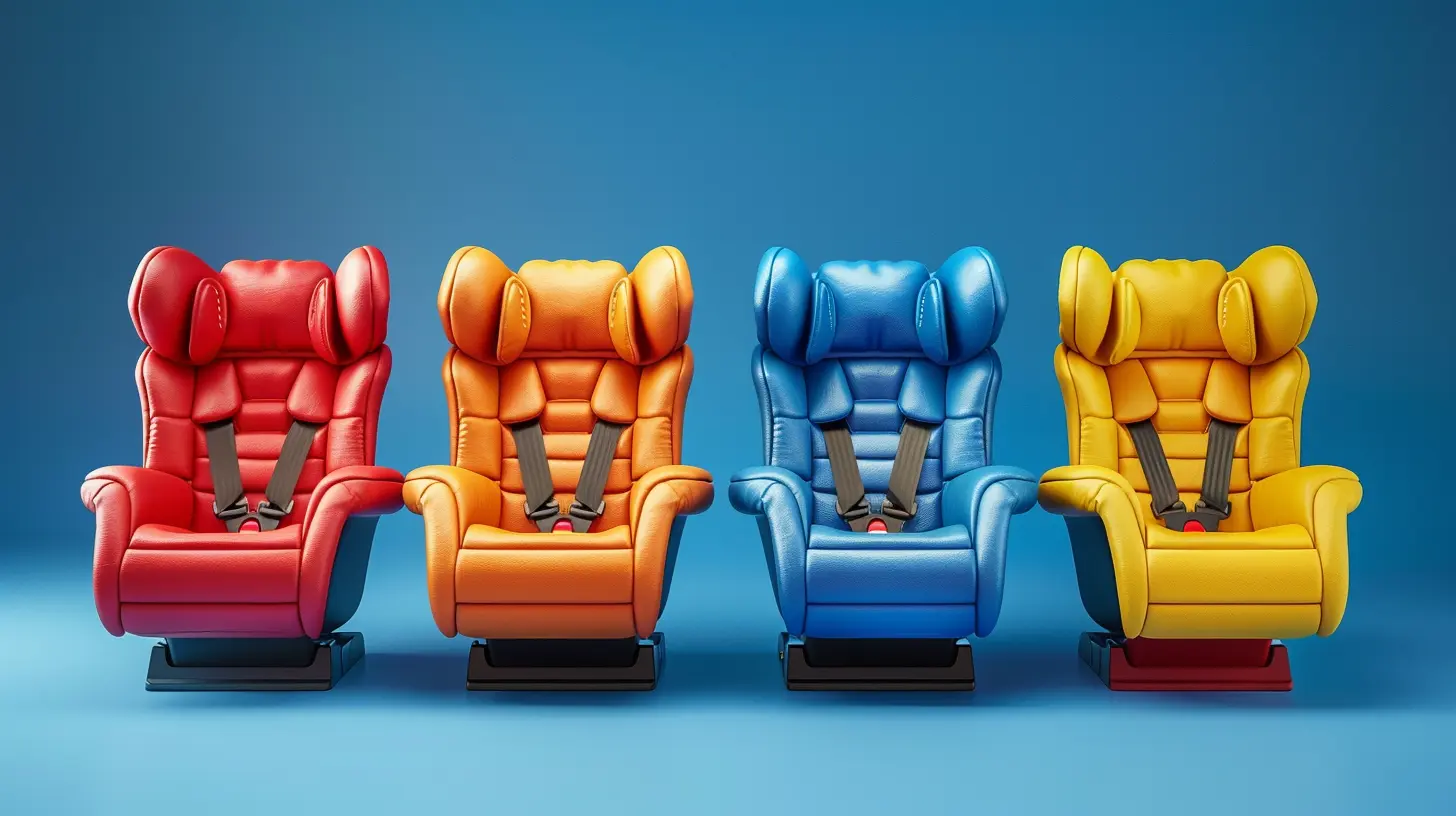
The 4 Types of Car Seats (And When to Use Each)
1. Rear-Facing Infant Car Seats
Age Range: Newborns to about 12 months (or up to 35 pounds)Rear-facing seats are the safest option for infants. These seats cradle your baby and support their neck and spine in the event of a crash. Think of it like a protective cocoon that wraps around the most fragile part of your baby’s life.
If there's one golden rule in the world of child passenger safety, it’s this: keep your child rear-facing for as long as possible—until they max out the height or weight limit of the seat.
2. Convertible Car Seats
Age Range: Infant to toddler (rear-facing to forward-facing)These seats grow with your child—starting rear-facing for infants and converting to forward-facing once they hit the limit. They’re a solid investment and often stay in use until around age 4 or 5.
Pro tip? Just because your child can face forward doesn’t mean they should. Rear-facing is still safer for toddlers up to at least age 2—or longer if your model allows.
3. Forward-Facing Car Seats with a Harness
Age Range: Toddlers (generally 2–5 years)These are built for older toddlers and preschoolers, with a 5-point harness that secures them across the shoulders, hips, and between the legs. The harness spreads crash forces over the strongest parts of the body—think of it like a full-body hug in case of impact.
Look for a harness system that’s easy to tighten and adjust. Because trust me, if it’s hard to use, you’re less likely to use it correctly every time.
4. Booster Seats
Age Range: 5 years and up (until seat belts fit properly)Once your child outgrows the harness system, it’s time to move to a booster seat. These lift your child so that the car’s seat belt fits snugly across their chest and lap—exactly where it’s supposed to be.
Don't ditch the booster too soon. Kids usually need one until age 8–12, or until they’re about 4'9" tall. The adult seat belt just doesn’t fit small bodies properly on its own.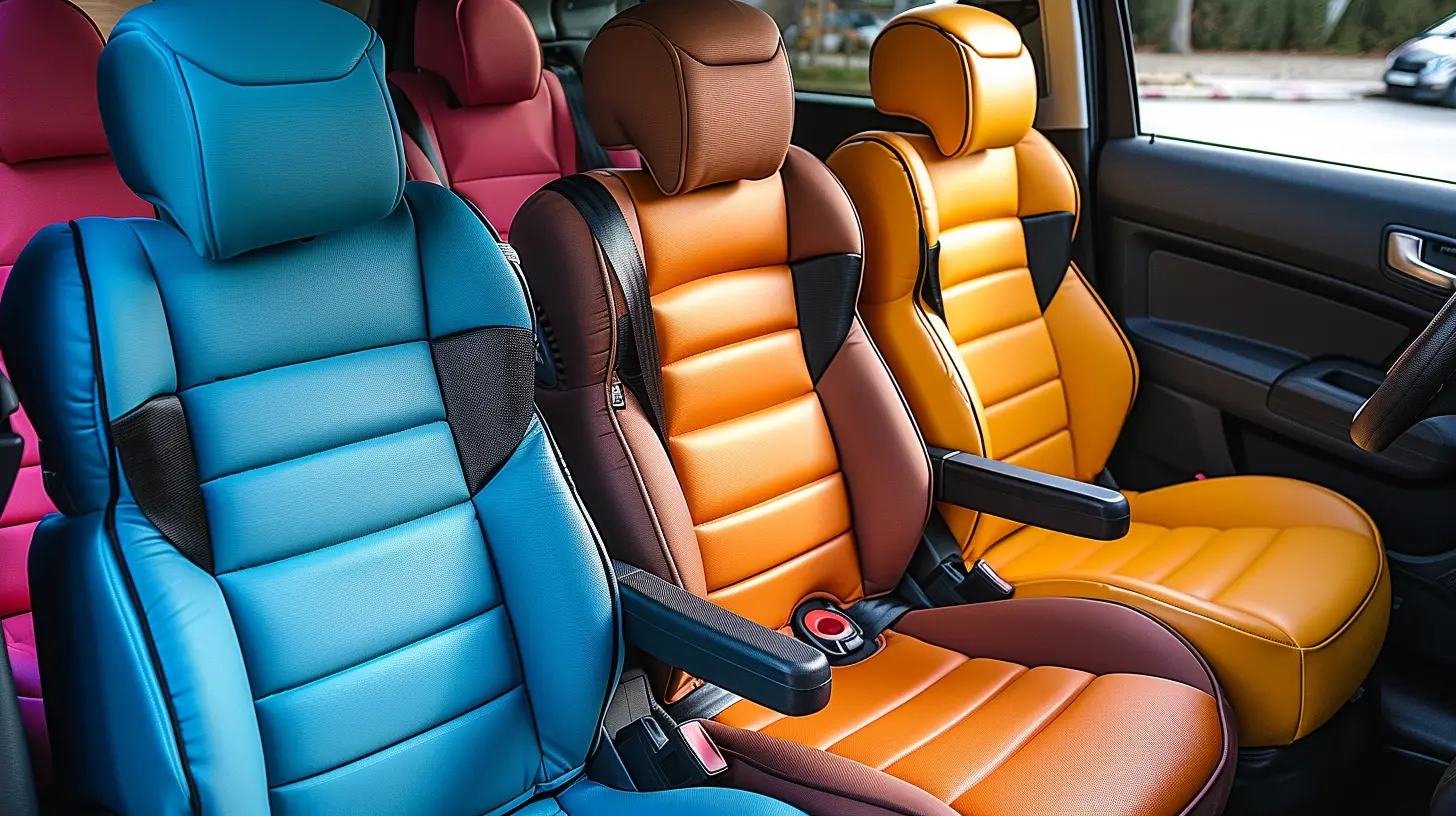
Key Factors to Consider When Choosing a Car Seat
Alright, you’ve got the basics. Now let’s get into the nitty-gritty. What really makes one car seat safer or better than another?✅ Age, Height, and Weight Limits
Start by checking the seat’s age and size guidelines. This isn't a one-size-fits-all situation. If your child is too small or too big for a seat, it won’t offer the protection it’s designed to give.✅ Crash Test Ratings
Most car seats meet the minimum federal safety standards—but some go above and beyond. Look for car seats that have been tested by independent groups like the Insurance Institute for Highway Safety (IIHS) or Consumer Reports.✅ Ease of Installation
A scary stat? Around 46% of car seats are installed incorrectly. That’s nearly half! Choose one with easy-to-follow instructions, a level indicator, and built-in lock-offs. LATCH connectors (Lower Anchors and Tethers for Children) can also simplify things.✅ Comfort and Adjustability
If your kid is miserable in their seat, you’re in for a lot of screaming. Look for seats with good padding, multiple recline positions, and easy-to-adjust straps. A comfy kid is a happy—and safer—kid.✅ Your Vehicle’s Size and Seat Layout
Not every car seat fits every car. Before you buy, make sure the seat will properly fit in your vehicle. Try it out if you can. Got multiple children? You’ll also want to check whether several seats can fit side-by-side.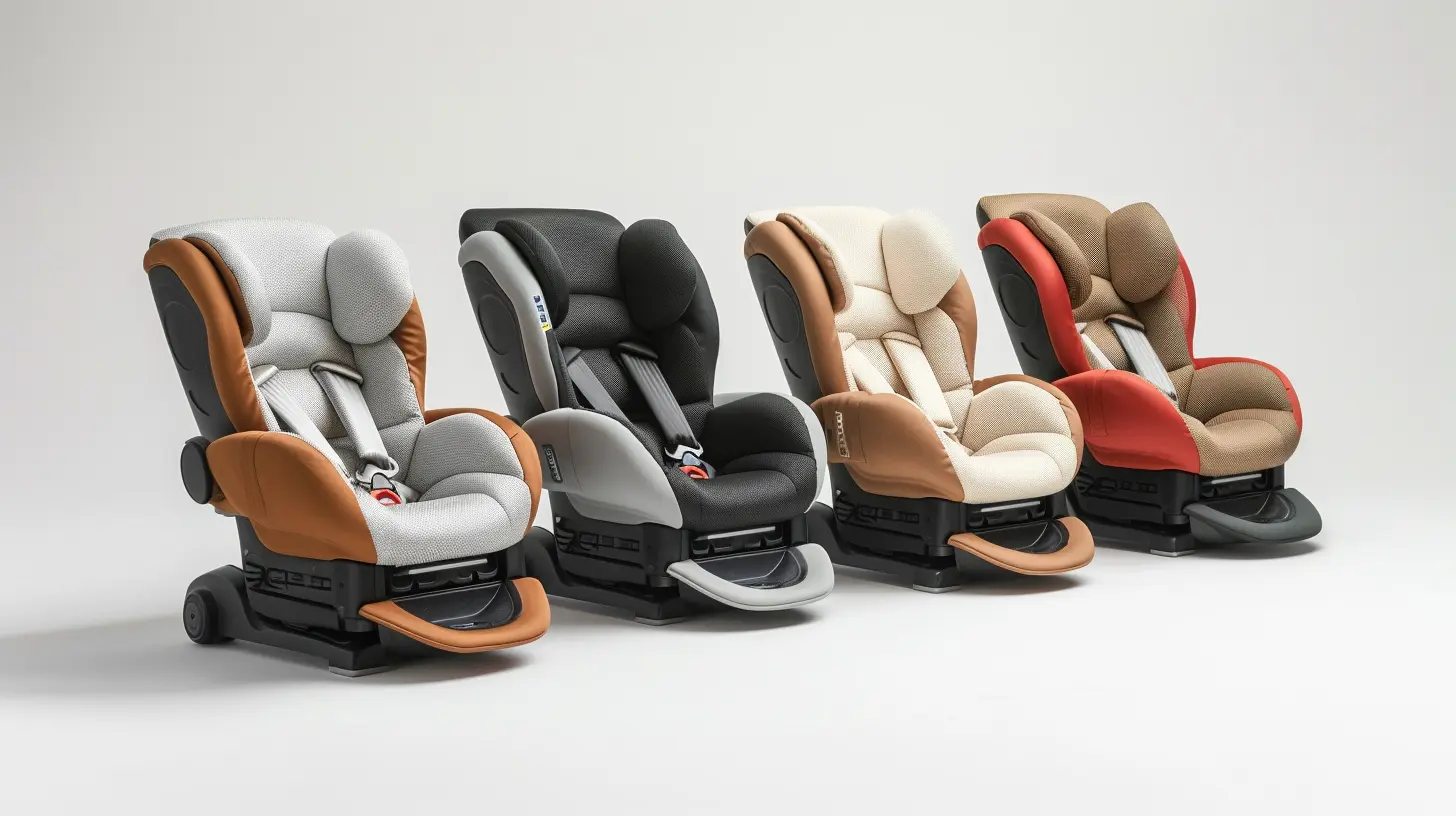
Rear-Facing vs. Forward-Facing: Why It Matters More Than You Think
Let’s go back to rear-facing for a sec because this part really matters.Young kids, especially infants, have proportionally large heads and weak necks. In a crash, that head gets thrown forward with a lot of force. A rear-facing seat supports their entire back, neck, and head evenly—almost like leaning back in a recliner during a roller coaster drop.
Forward-facing seats, by contrast, allow the head to whip forward. So until your child completely outgrows rear-facing limits, don’t make the switch. Safety first. Always.
Installing the Car Seat the Right Way
Ok, you’ve chosen the perfect car seat—great! Now, let’s get it installed correctly. Because even the safest seat in the world won’t do much good if it’s not secured properly.💡 Pro Tips for Installation:
- Read the manual (yes, really—both the car seat and your vehicle’s)- Use LATCH or the seat belt—not both—unless your seat allows it
- Make sure the car seat doesn’t move more than 1 inch side-to-side
- Use the top tether for forward-facing seats
- Have your installation checked by a Certified Child Passenger Safety Technician (You can often find one for free at local fire stations or hospitals)
Common Mistakes Parents Make (And How to Avoid Them)
We’ve all messed up at some point—it’s part of parenting. But when it comes to safety, these are the blunders you really want to dodge.❌ Turning Forward-Facing Too Early
This is probably the most common misstep. Always max out your rear-facing seat before flipping the switch.❌ Loose Harness Straps
If the straps are too loose, your child could be ejected in a crash. Do the “pinch test”—if you can pinch the strap, it’s too loose.❌ Bulky Clothing Under the Harness
Puffy jackets create space between your child and the harness. Take them off before buckling up and cover your child with a blanket instead.❌ Using Expired or Secondhand Car Seats
Car seats expire—usually within 6–10 years—and parts can degrade over time. Plus, if you don’t know the crash history of a secondhand seat, it’s just not worth the risk.When to Upgrade (Or Change) Your Child’s Car Seat
Timing is everything. Here’s how to know it’s time to make a move:- Your child reaches the height or weight limit
- The harness slots are below the shoulders in a forward-facing seat
- There's less than one inch of shell above your child's head in a rear-facing seat
- Your child is complaining of discomfort and the seat no longer seems appropriate
Keep an eye out. Kids grow fast—sometimes overnight. You don’t want to be caught off guard.
Final Thoughts: Safety Over Style
Let’s face it—shopping for a car seat isn’t as exciting as picking out baby clothes or decorating the nursery. But nothing is more critical.At the end of the day, the best car seat isn’t the most expensive or the prettiest. It’s the one that fits your child, your car, and your ability to use it correctly—every single time.
So take your time. Ask questions. And don’t be afraid to seek help. You’ve got this—and your child’s safety is worth every bit of effort.
Quick Cheat Sheet: Car Seat Recommendations by Age
| Age | Type of Seat | Position ||-----|--------------|----------|
| 0–2 | Rear-Facing Infant or Convertible | Rear-Facing |
| 2–4 | Convertible or Forward-Facing with Harness | Rear or Forward-Facing |
| 4–8 | Booster Seat | Forward-Facing |
| 8–12 | Seat Belt (Adult Positioning) | Forward-Facing (when ready) |
Bonus Tip: Register Your Car Seat
Yep, it’s easy to forget, but registering your car seat with the manufacturer ensures you’ll get notified of any recalls or safety upgrades. Just fill out that little card that came in the box—or register online. Done in 2 minutes, tops.all images in this post were generated using AI tools
Category:
Child SafetyAuthor:

Liam Huffman
Discussion
rate this article
2 comments
Lana McIntire
Prioritize age, weight, and proper installation for optimal car seat safety.
January 20, 2026 at 5:14 PM
Liam Huffman
Absolutely, ensuring the right car seat is focused on age, weight, and proper installation is crucial for maximizing child safety during travel. Thank you for highlighting this important aspect!
Luna Vance
Choosing the right car seat can feel overwhelming, but remember you’re already a fantastic parent just by caring! Take your time, trust your instincts, and soon you’ll be cruising safely and confidently with your little one. You've got this! 🚗✨
January 13, 2026 at 5:44 AM
Liam Huffman
Thank you for your encouraging words! It's important for parents to feel supported in making safe choices for their children. 🚗✨