How to Encourage Individuality in Identical Twins
9 August 2026
Raising identical twins is like being handed two versions of the same masterpiece—but each with its own brushstrokes waiting to be seen. Sure, they may share the same DNA, the same birthday, and the same adorable smile that makes your heart melt. But underneath all that shared magic, they're still two totally separate people.
And as a parent, one of the biggest gifts you can give them is the freedom to embrace who they truly are—quirks, dreams, weird obsessions, and all. So, how do you balance the undeniable bond they share with the need to help each twin grow into their own person?
Let’s walk through it, parent to parent. This article is all about practical tips, heartfelt experiences, and real-talk strategies on how to encourage individuality in identical twins.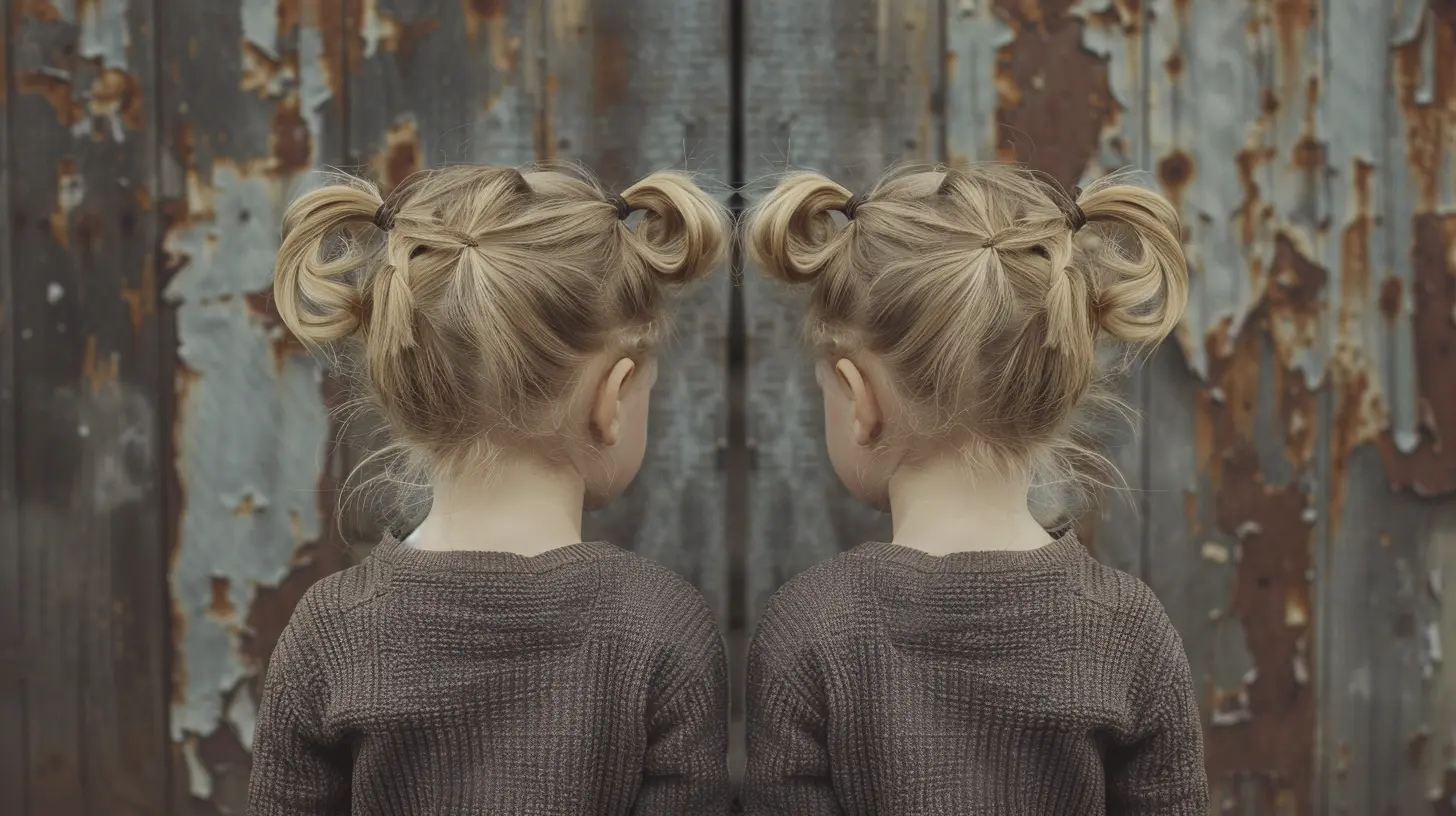
Why Individual Identity Matters for Twins
Let’s kick things off with the big “why.” Why is it so crucial to nurture individuality in identical twins?When twins are constantly lumped together—same clothes, same activities, same nickname—it’s easy for their unique personalities to get lost in the shuffle. That “twin bubble” can become so tight that their sense of self leans more toward “we” than “me.”
Creating individuality gives each twin the room to grow, discover, and define themselves outside the twin dynamic. It helps build confidence, self-worth, and resilience—not to mention healthier relationships in the long run.
Think of it like planting two trees side by side. Give them enough space, and they’ll both flourish. Crowd them too close, and one may start growing in the shadow of the other.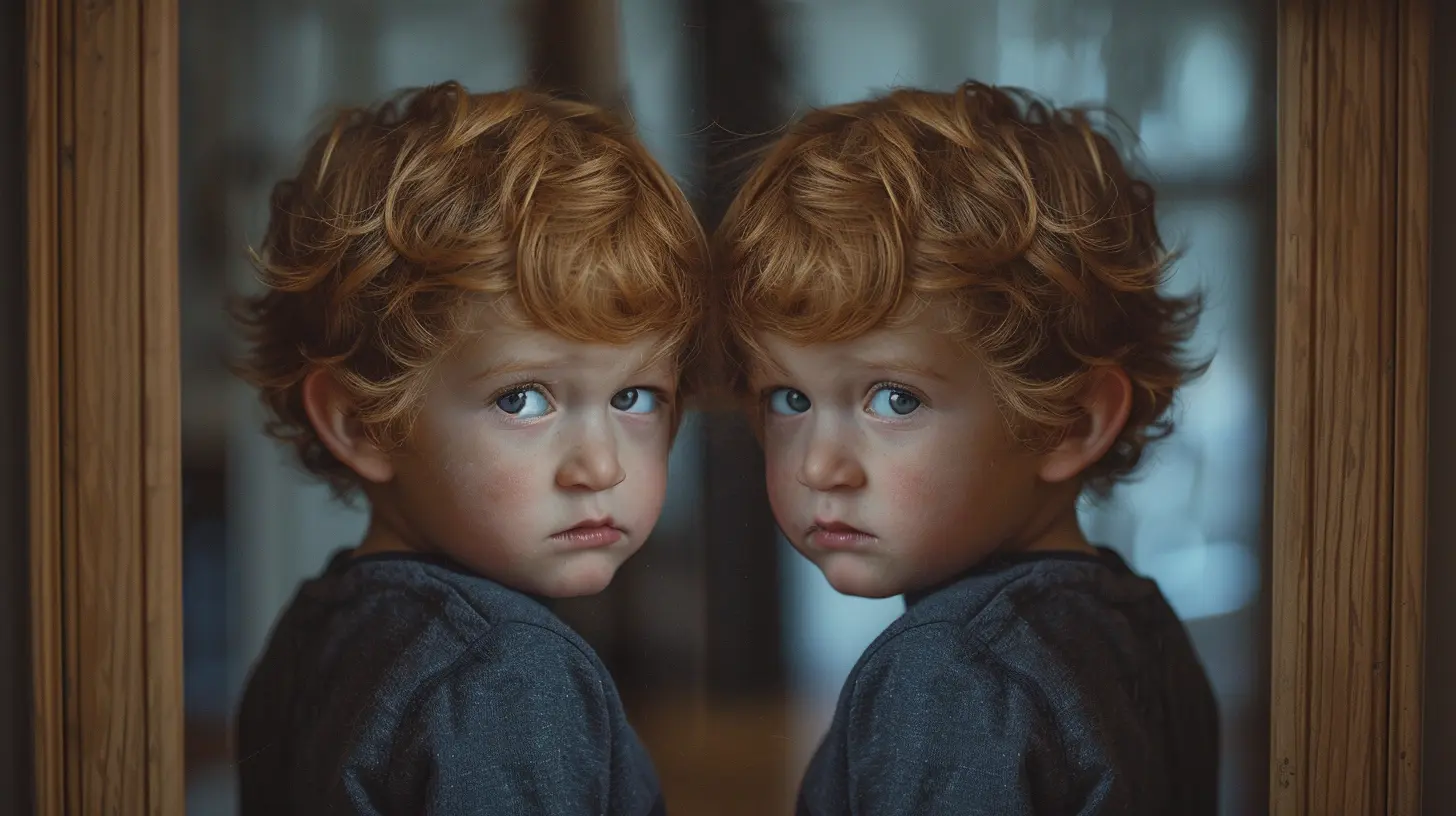
1. Stop Dressing Them The Same (At Least Sometimes)
Let’s start with the elephant in the room—matching outfits.We get it. The double cuteness factor is off the charts. And yes, it’s easy to pick one outfit and buy it twice. But over time, dressing twins identically can unconsciously send a message: “You two are the same.”
Try mixing it up. Let them choose their own clothes (even if that means one wants to wear sparkly leggings and the other’s into dinosaur hoodies). It’s a simple way to encourage self-expression.
If you’re still a fan of coordinating outfits for special occasions or photos, consider giving them options from the same theme but with individual twists. Think same color palette, different styles.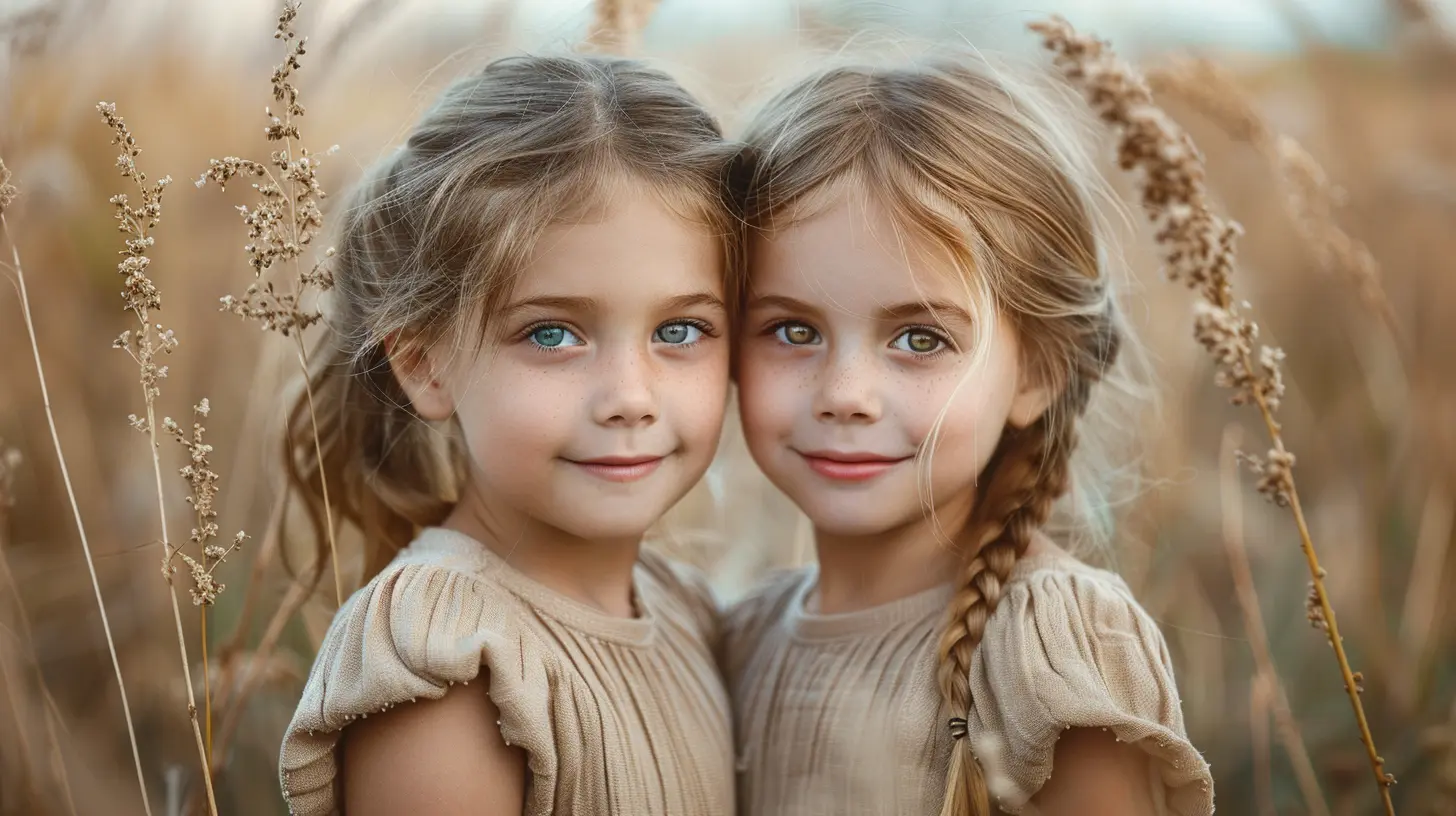
2. Use Their Names—Not Just “The Twins”
This one is subtle but powerful.Referring to them only as “the twins” can make them feel like a unit rather than individuals. Names are deeply tied to identity. So use them. Often.
Even better? Avoid comparing them in conversation. Instead of saying, “Why can’t you be more like your brother?” try “I noticed you’re really focused when you draw. That’s awesome.”
Celebrate their personal strengths rather than setting them against each other.
3. Create One-on-One Time
Twins spend so much time together. From womb to preschool to playdates—it’s easy for their worlds to revolve around each other.But here’s the thing—each twin deserves undivided attention from you.
Make it a goal to carve out one-on-one time with each child, even if it’s just 15 minutes of reading a book, going for a walk, or having an ice cream date. These little moments make a big impact.
It sends the message: “You matter, just as you are.”
4. Let Them Choose Different Interests
Encouraging different hobbies can be a game-changer.Sure, both kids might gravitate toward soccer at first. But if one starts showing more interest in painting while the other wants to kick goals, go with it.
Give them space to explore what makes their hearts light up—even if it means extra driving around town. It's worth it.
And if they really want to do the same thing? That’s fine too! Just make sure it's coming from their own passion, not pressure or habit.
5. Separate School Experiences (When It Makes Sense)
This topic gets mixed reviews depending on who you ask, but it’s worth considering.If your twins attend the same school, think about placing them in different classrooms, especially in early education. Being apart during the day gives them a chance to build relationships and confidence as individuals—not just as "one half of a twin pair."
Of course, every child is different. Some twins thrive together, while others flourish when they’re apart. What matters most is what feels right for your kids.
6. Encourage Their Voices
Sometimes, one twin becomes the “spokesperson” for both—either out of habit or personality. That can make the quieter twin feel overshadowed.As parents, helpers, and even teachers, it’s important to make space for both of them to speak and be heard.
Try not to assume what one thinks based on what the other says. Instead, ask: “What do you think?” Give them opportunities to speak for themselves and make choices independently.
7. Celebrate Their Differences
Every twin pair has differences—yes, even the ones who finish each other’s sentences.It could be the way they tell a story, the way they laugh, or what they gravitate toward when they play.
Notice those little things and celebrate them out loud. Say things like, “I love how creative you are with Legos,” or “You’re really funny—you always know how to make people laugh.” These observations help shape their self-worth.
And always remember, just because they’re born at the same time doesn’t mean they’ll hit milestones at the same pace. Avoid comparing. Cheer them on individually.
8. Be Mindful of Labels
It’s tempting to assign labels to make things easier: “She’s the shy one, he’s the outgoing one,” or “She’s the artistic one, he’s the sporty one.”But labels can stick. And over time, kids may feel boxed in—like they can’t be both shy and outgoing, or both artsy and athletic.
Instead, try saying, “Right now, she’s really into painting,” rather than dubbing her “the artist of the family.” Keep doors open, not closed.
9. Let Them Fight (Within Reason)
Siblings argue—twins included. In fact, their closeness can magnify conflicts.But conflict isn’t always a bad thing.
When handled well, it helps kids learn boundaries, assert themselves, and stand up for what they believe. All essential ingredients for developing identity.
So, don’t stress if your twins squabble. Use it as a chance to teach problem-solving and emotional expression.
And always remind them: “It’s okay to have different opinions. That’s what makes you you.”
10. Talk About What Makes Them Unique
From a young age, start conversations that help them reflect on their differences.Ask questions like:
- “What do you love that your sister doesn’t?”
- “What’s something only you can do?”
- “How are you and your brother different in a good way?”
Encourage self-awareness and pride in what sets them apart.
You can even create little rituals like “Me Mondays” where each child gets to showcase something they’re proud of—no comparisons, just celebration.
11. Normalize Individual Growth
Sometimes, one twin may develop faster or take the lead in certain areas. That’s natural. But it can be tough emotionally—both for the slower-to-develop twin and the parent worrying about fairness.Take a breath. Let each child bloom in their own time.
Help them understand that different isn't bad—it's beautiful. Like two colors on a canvas, they each bring something special to the big picture.
12. Set Long-Term Intentions
As your twins grow into teens, their need for independence will hit full throttle.Prepare for it by building a strong foundation now. Let them know it’s okay to want different lives, different friends, and maybe even different colleges someday.
What starts now with choosing different backpacks might lead to choosing different life paths—and that’s something to be proud of.
Final Thoughts
At the end of the day, encouraging individuality in identical twins isn’t about forcing them to be different. It’s about giving them permission to be themselves, whether that means forging separate paths or walking side-by-side.It’s about tuning into who they are—not who the world expects them to be.
So if you’re raising twins, remember this: you’re not just parenting two kids. You’re nurturing two unique souls who happen to share a face, but not a destiny.
Cheer them on as individuals. Laugh at their differences. Embrace the chaos. And when in doubt, just ask yourself—“Am I seeing each of them for who they are?”
If the answer is yes, you’re doing it right.
all images in this post were generated using AI tools
Category:
Parenting TwinsAuthor:

Liam Huffman