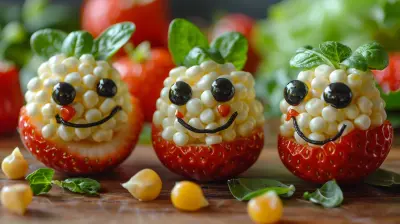
How to Establish Healthy Eating Patterns for Life
11 February 2026
We all want what’s best for our families, especially when it comes to their health. But with picky eaters, overwhelming food choices, and fast-paced lives, building healthy eating habits can feel like trying to teach a cat to swim. Nearly impossible, right? Well, not quite.
Establishing healthy eating patterns doesn’t have to mean strict diets or becoming a nutritionist overnight. It's about creating a balanced, sustainable relationship with food — one that feels natural, not forced. So, whether you're trying to overhaul your family's meals or just trying to get your toddler to eat something green, let's talk about how to set the foundation for a lifetime of healthy eating.
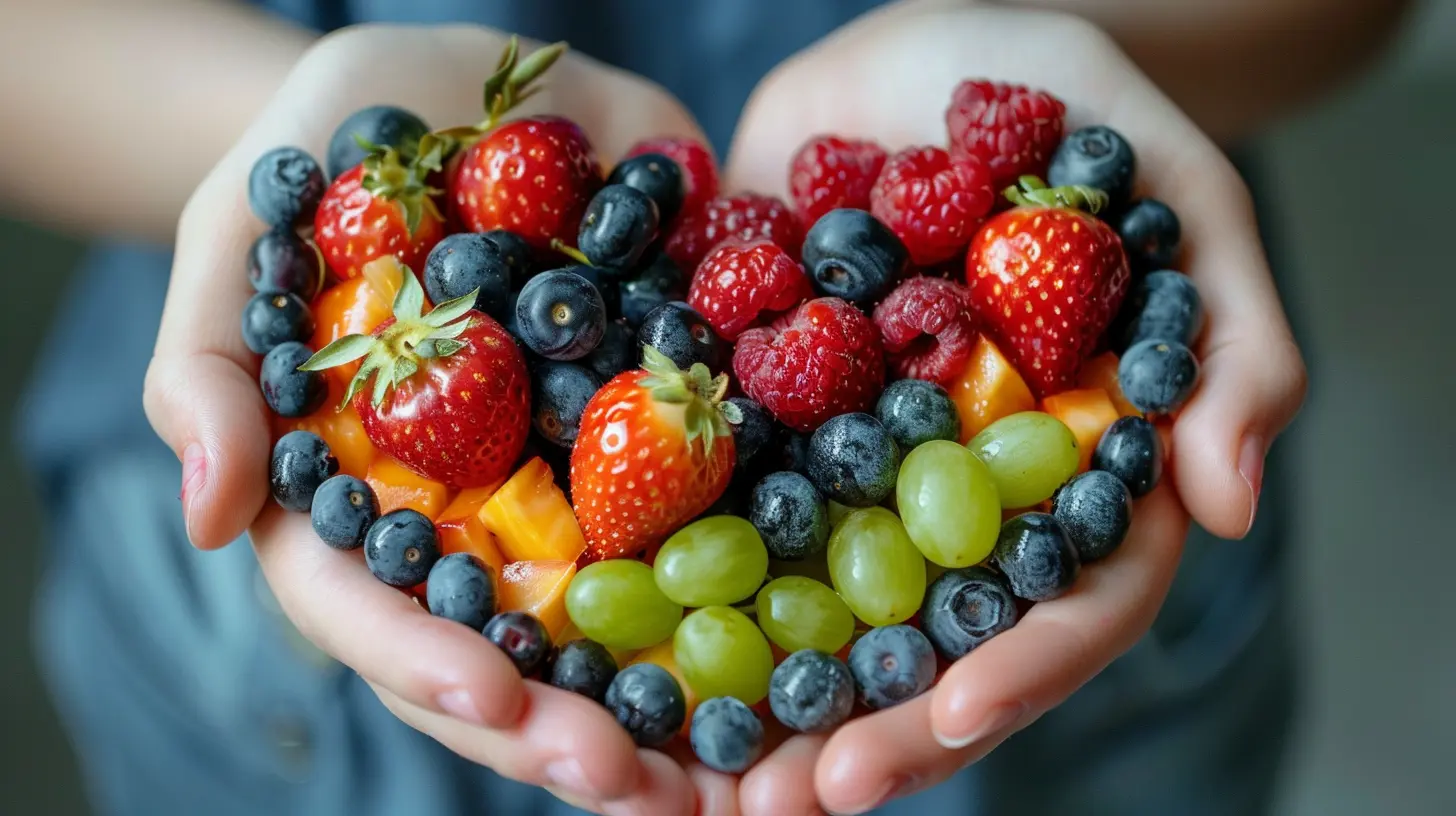
Why Healthy Eating Matters — Like, Really Matters
Healthy eating isn't just about avoiding junk food or counting calories. It's about nourishing bodies and brains so they can grow strong, stay energized, and ward off illness. The habits kids pick up now? They tend to carry them into adulthood. That’s why it’s so important to start early and be consistent.When we eat well, we feel better — physically, emotionally, and mentally. Sugar crashes, mood swings, low energy, and brain fog? Often tied to what’s going on in our plates.
The Truth About Food Patterns (It's Not What You Think)
Let’s get one thing straight: eating patterns aren't just about what you eat. They're also about when, how, and why you eat. Think of it like your family's "food rhythm." Is it a chaotic grab-what-you-can frenzy? Or is it more like a steady beat where meals are enjoyed together with intention?Creating healthy eating patterns means being more mindful of behaviors than just focusing on individual food groups. And that starts with setting the tone at home.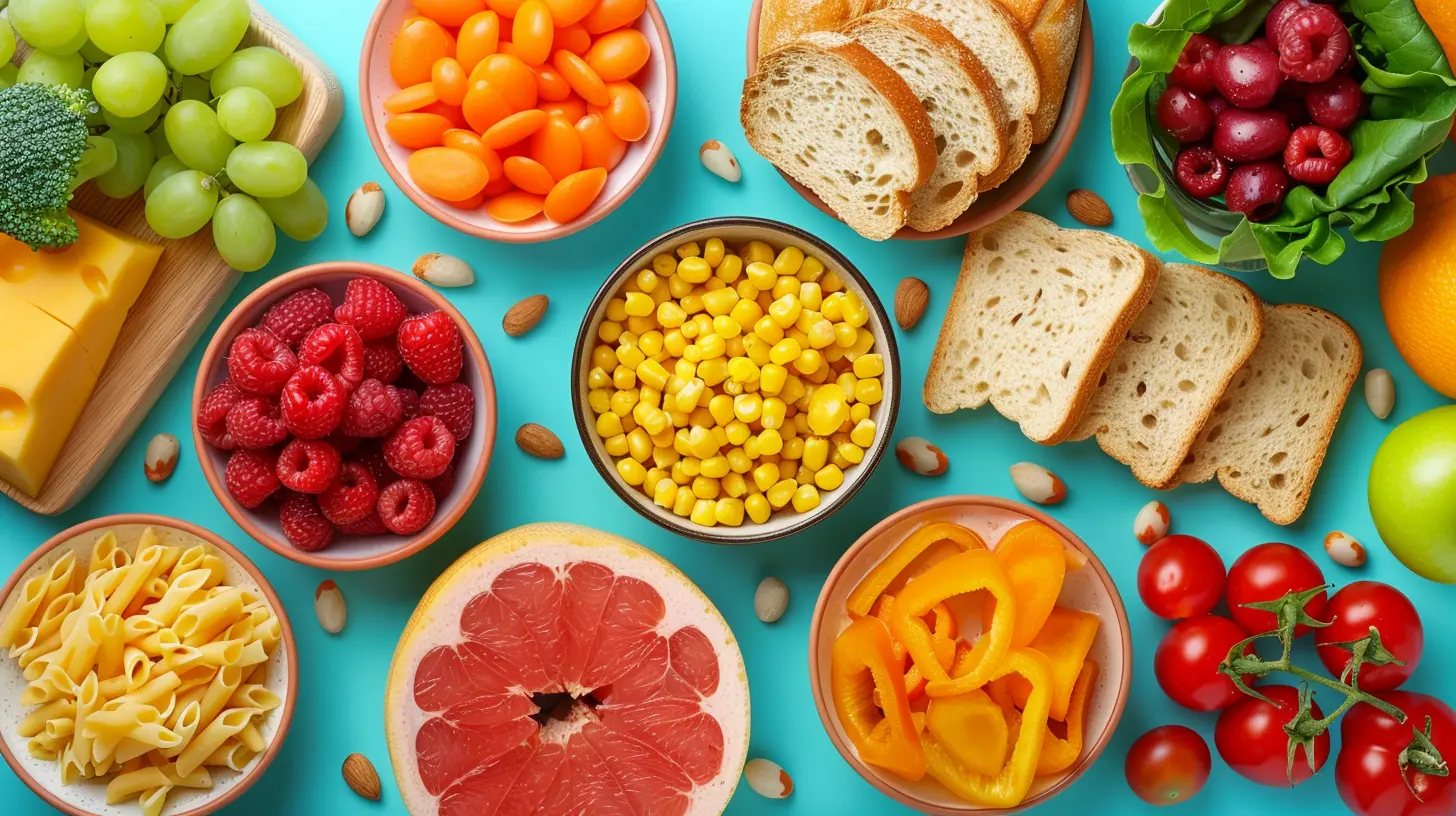
Start With the Basics: What a Healthy Eating Pattern Looks Like
Before we dive into tips, let’s break down what a balanced eating pattern really includes. It's not about perfection — it’s about consistency. Here are the essentials:- Plenty of fruits and veggies (Aim for variety and colorful plates)
- Whole grains (Think brown rice, whole wheat bread, oats)
- Lean proteins (Chicken, fish, beans, tofu)
- Healthy fats (Avocados, nuts, seeds, olive oil)
- Low-fat dairy or alternatives
- Lots of water (Keep the sugary drinks to a minimum)
- Limited processed foods and added sugars
See? No need to count every carb or kiss pizza goodbye forever. It’s more about balance than restriction.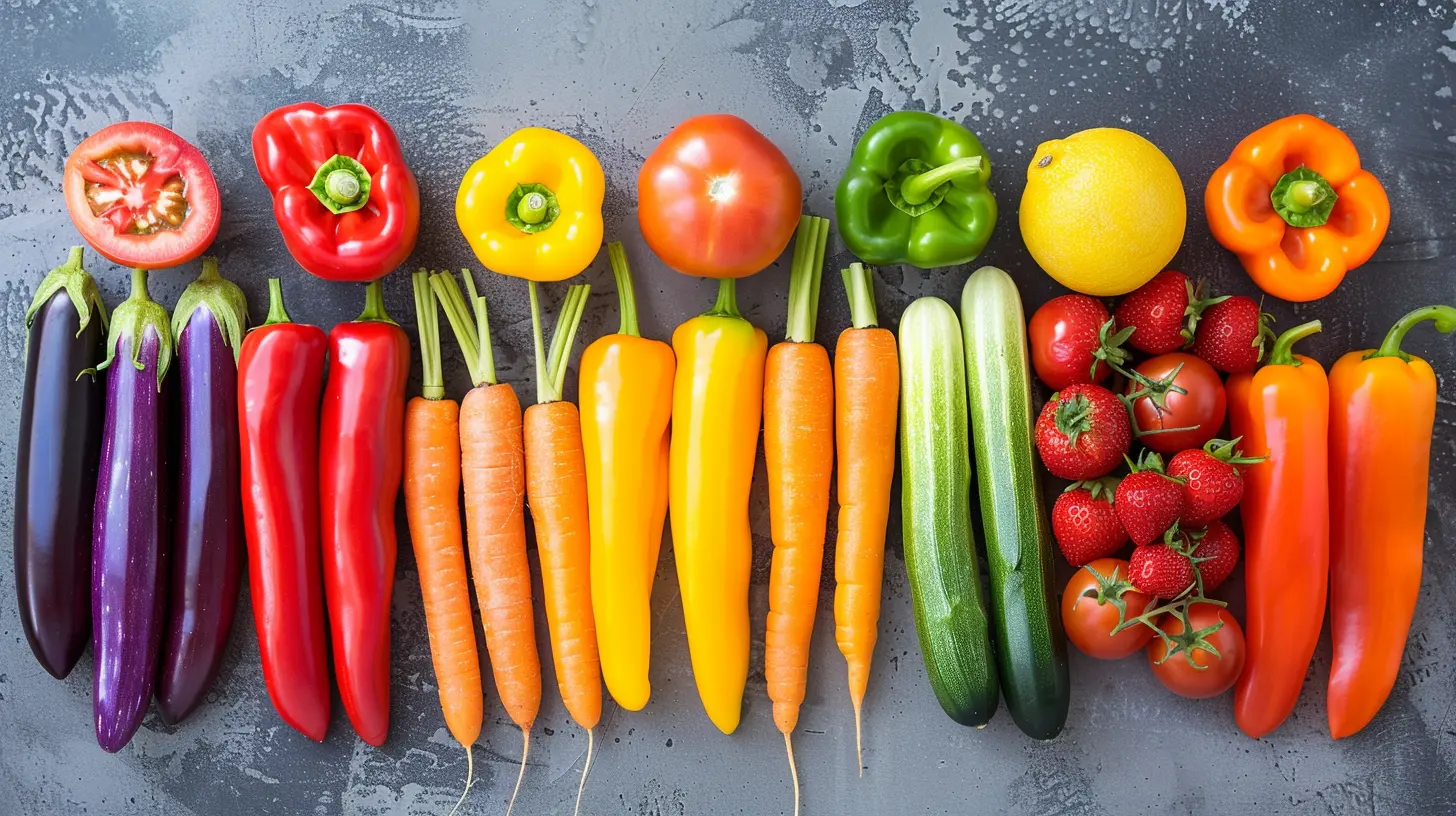
Tip 1: Make Mealtimes Sacred (Yes, Really)
How many times have you scarfed down lunch while checking emails or let dinner slide into a snacky free-for-all?Making mealtime a priority helps everyone slow down, connect, and eat more intentionally. When we sit down at the table (without screens!), we’re more likely to pay attention to hunger cues and enjoy our food — both key parts of a healthy pattern.
Try This:
- Set a regular dinner time.
- Get the kids involved in setting the table.
- Use it as a check-in time, not just a time to eat.
Tip 2: Don’t Make Foods “Good” or “Bad”
Labeling food can mess with your kids' long-term relationship with eating. When we say cookies are “bad” and broccoli is “good,” it often leads to guilt and cravings.So what’s a better approach? Teach your kids that all foods fit — some fuel your body, others are fun. It’s all part of the picture.
Try This:
- Say things like “Carrots help your eyes stay sharp” instead of “You have to eat your veggies.”
- Call chips or soda “sometimes foods” rather than “junk.”
Tip 3: Involve Kids in the Kitchen
One of the best ways to spark curiosity about healthy food? Let your kids be part of the prep. When children help chop, stir, and measure, it gives them a sense of ownership. Suddenly, that salad isn’t just a healthy dish — it’s their creation.Cooking also sneaks in natural lessons about ingredients, nutrition, and even math skills. Win-win!
Try This:
- Let little ones wash fruits and veggies.
- Give older kids tasks like measuring or reading recipes.
- Have a weekly “kids cook” night.
Tip 4: Stock a Smart Pantry
You can’t eat what you don’t have. And if your pantry’s packed with cookies, sugary cereals, and chips — well, guess what’s gonna get eaten?That doesn’t mean tossing out everything “fun,” but aim for a pantry makeover that supports your goals. Keep nutritious, grab-and-go options easy to reach, and save treats for occasional fun.
Try This:
- Use clear bins for healthy snacks like nuts, dried fruit, or granola bars.
- Store fresh fruit in a bowl on the counter — they're more likely to get eaten when they’re in sight.
- Make “snack packs” with pre-portioned nuts, cheese cubes, or carrots for busy days.
Tip 5: Be the Example — Even When It’s Hard
Kids watch everything we do. If they see us skipping breakfast, complaining about calories, or bingeing on ice cream after a bad day, they absorb that. That doesn’t mean you need to be perfect (who is?), but modeling balanced eating goes a long way.Try This:
- Eat meals alongside your kids.
- Avoid negative body talk around them.
- Talk positively about trying new foods or listening to your body.
Tip 6: Don’t Force Clean Plates
This one’s tough — especially if you grew up in a “finish your food” household. But encouraging kids to clean their plate, even when they’re full, teaches them to ignore their natural hunger cues.Instead, help them learn to listen to their bodies. Eating until satisfied (not stuffed) is a life skill that matters just as much as brushing teeth.
Try This:
- Let kids serve themselves appropriate portions.
- Encourage trying new things, but don’t push.
- Use phrases like “Eat until you’re comfortably full” instead of “Finish everything.”
Tip 7: Plan, Don’t Panic
Last-minute meals often lead to unhealthy choices. (Pizza delivery, anyone? No shame — we’ve all been there.) But a little planning can seriously cut down on stress and help you stay on track.Meal planning doesn’t mean mapping out every bite. A simple outline of dinners for the week can keep things organized and balanced.
Try This:
- Pick a “theme night” (like Taco Tuesday or Pasta Friday).
- Prep some easy staples on Sunday (roast veggies, cook grains, marinate proteins).
- Keep a few emergency meals in the freezer for those wild-card nights.
Tip 8: Embrace Progress, Not Perfection
Here’s the real talk: You’re not always going to get it right. Some weeks it’s all DIY bento boxes and smoothie bowls. Other weeks, it’s drive-thru dinners and cereal for breakfast and dinner.And that’s okay.
Healthy eating isn’t a destination — it’s a journey, full of trial, error, and learning. What matters most is the overall pattern, not the occasional pizza party.
Try This:
- Celebrate small wins (like trying a new veggie or eating breakfast every day).
- Keep a family food journal if that helps you stay on track.
- Let go of guilt — it's not helpful, and it doesn’t belong at the table.
Creating an Empowered Food Culture in Your Household
Building life-long healthy eating patterns is about more than food. It’s about creating a culture around food — one that feels joyful, empowering, and sustainable.So, talk about food, explore new flavors, have fun experimenting in the kitchen. Let your family connect, not just consume. Make food a source of nourishment and connection, not stress.
When you build that kind of foundation, you're not just feeding your family — you're teaching them how to feed themselves well, for life.
Final Thoughts
At the end of the day, healthy eating is a mix of science and heart. It’s knowing the basics of nutrition, sure — but it's also about understanding your family, your time, your budget, and your personalities.There’s no one-size-fits-all. So don’t strive for a “perfect” plate every time. Instead, aim for balance, flexibility, and joy. When you set that tone, your kids are more likely to build a healthy, happy relationship with food that will last a lifetime.
And hey — if dinner ends with a scoop of ice cream? That’s okay, too.
all images in this post were generated using AI tools
Category:
Kids NutritionAuthor:

Liam Huffman
Discussion
rate this article
2 comments
Kristen McNaughton
Hidden within the choices we make at the dinner table lies a secret: the power to shape not just our children’s health, but their futures. What will you choose?
March 2, 2026 at 3:38 AM
Liam Huffman
Absolutely! Every meal is an opportunity to instill lifelong healthy habits in our children. Let's make those choices count!
Maxine McSweeney
Mindful eating habits foster lifelong health and wellness.
February 11, 2026 at 3:34 AM
Liam Huffman
Absolutely! Mindful eating encourages awareness and gratitude for food, which can lead to healthier choices and lasting wellness.