How to Foster Responsibility During Playtime
6 August 2026
Playtime—on the surface, it looks like toys, giggles, and maybe a little chaos sprinkled in for good measure. But look closer, and you’ll see it’s also a perfect opportunity to nurture something far more valuable than just amusement: responsibility.
If you're a parent, caregiver, or anyone who spends time with children, you already know that teaching responsibility isn’t a one-and-done conversation. It's an ongoing process, a bit like planting seeds and tending to them patiently. And guess what? Playtime is fertile ground. In fact, responsibility can grow quite naturally during play—if you know how to encourage it.
So let’s unpack how to turn playtime into a powerful (and fun!) learning experience that helps your kids grow into responsible, capable, and mindful individuals.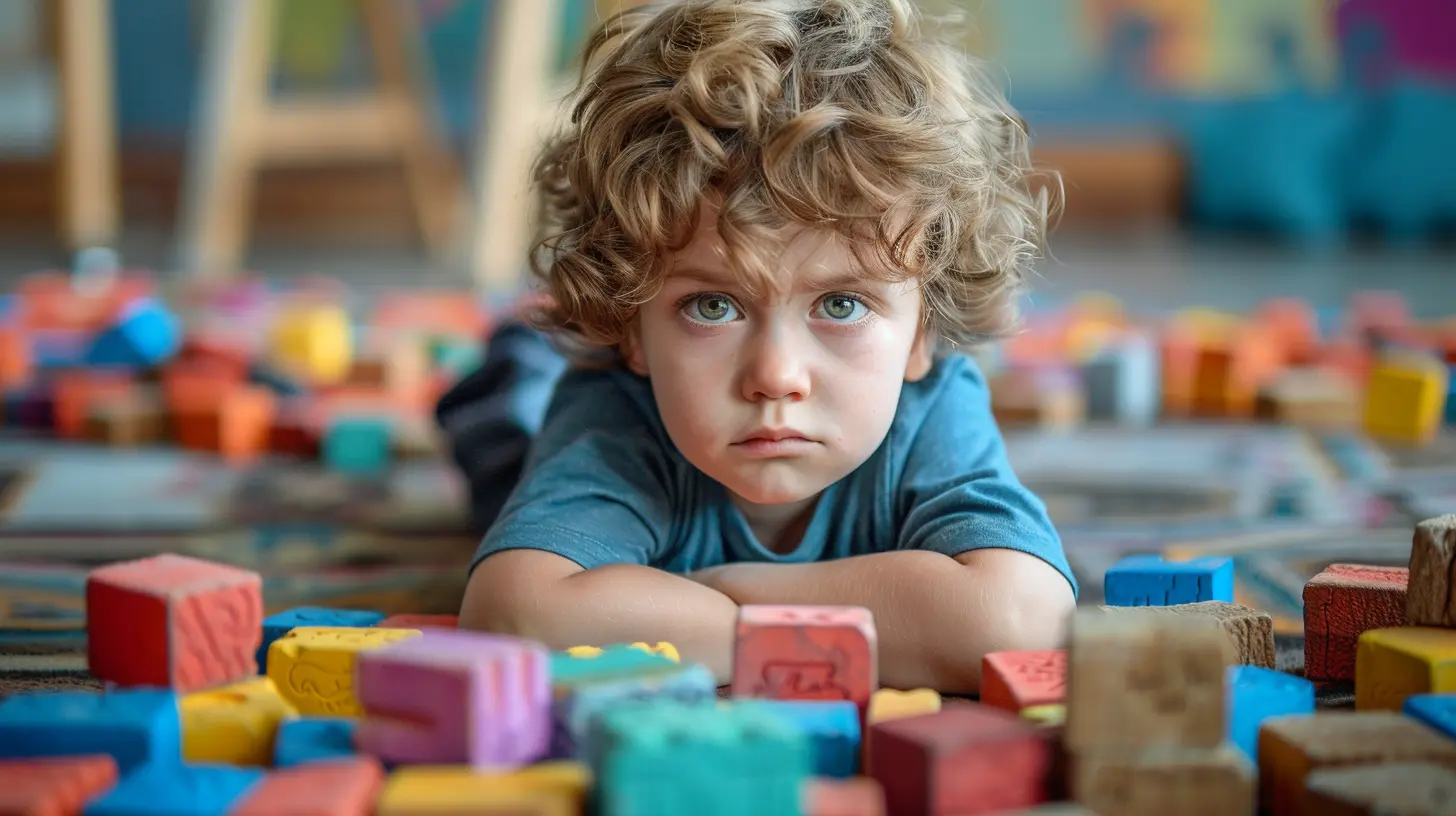
Why Responsibility Matters, Especially During Play
First off, let’s get one thing clear: responsibility isn’t just about chores and homework. It’s about owning your actions, keeping promises, respecting others, and managing yourself. And because kids are constantly learning, every experience—yes, even building a pillow fort—is a chance to reinforce these life skills.Playtime offers a low-pressure environment where kids can explore, make decisions, solve problems, and handle consequences. Think of it as their “practice field” for real-life situations. And since learning through play is how children naturally make sense of the world, it’s one of the most effective (and enjoyable) teaching opportunities we have as parents.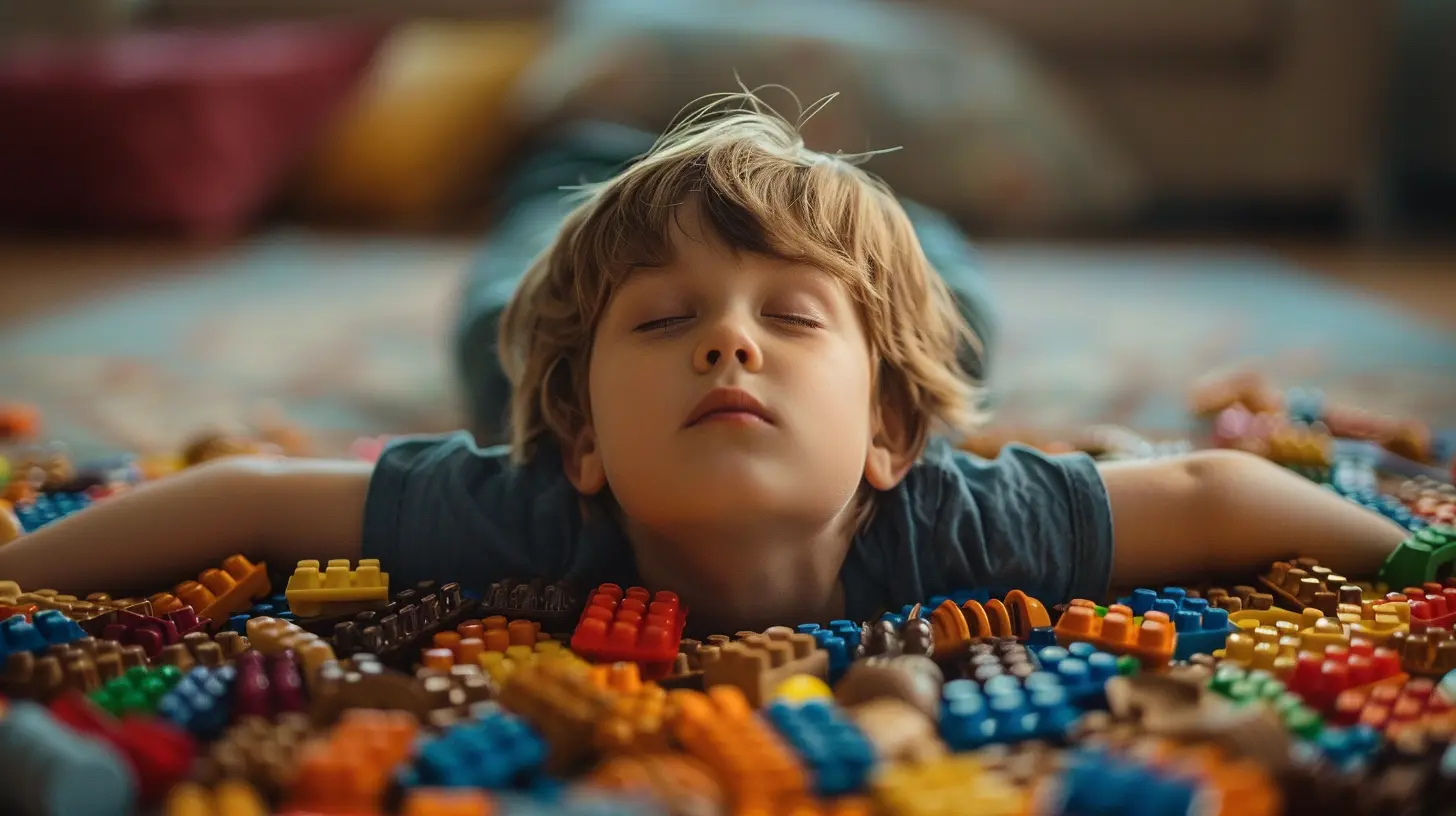
The Role of Parents During Play
You don’t have to hover like a helicopter, tracking every move. In fact, giving too many instructions can actually backfire. Instead, try to wear the hat of a guide, not a commander.Let your child take the lead in their play, but stay involved enough to gently direct them toward moments of responsibility. It’s a delicate dance—kind of like being their training wheels, not the entire bicycle.
Here are some questions to ask yourself:
- Am I giving my child the chance to make decisions?
- Do I allow them to experience the natural consequences of those decisions?
- Am I modeling responsible behavior myself during play?
If you’re nodding your head to most of these, you’re already on a great path.
1. Let Kids Own the Clean-Up
We’ll start with the classic parental battle: toy clean-up. Now, we know what you're thinking—"It’s just faster if I do it myself." Trust us, we’ve all been there.But if you always swoop in like a fairy godparent cleaning up toyland, your child misses out on learning a basic but vital responsibility: taking care of their environment.
Tips to Make Clean-Up Time Stick:
- Make it a game: Set a timer and challenge them to beat the clock.- Sing a clean-up song: Yes, it might feel cheesy, but music makes everything better.
- Offer choices: “Do you want to put away the blocks or the puzzles?”
- Acknowledge effort: Praise the act, not just the result. “You did a great job taking care of your toys!”
Over time, cleaning up stops being a dreaded chore and becomes just part of the play cycle.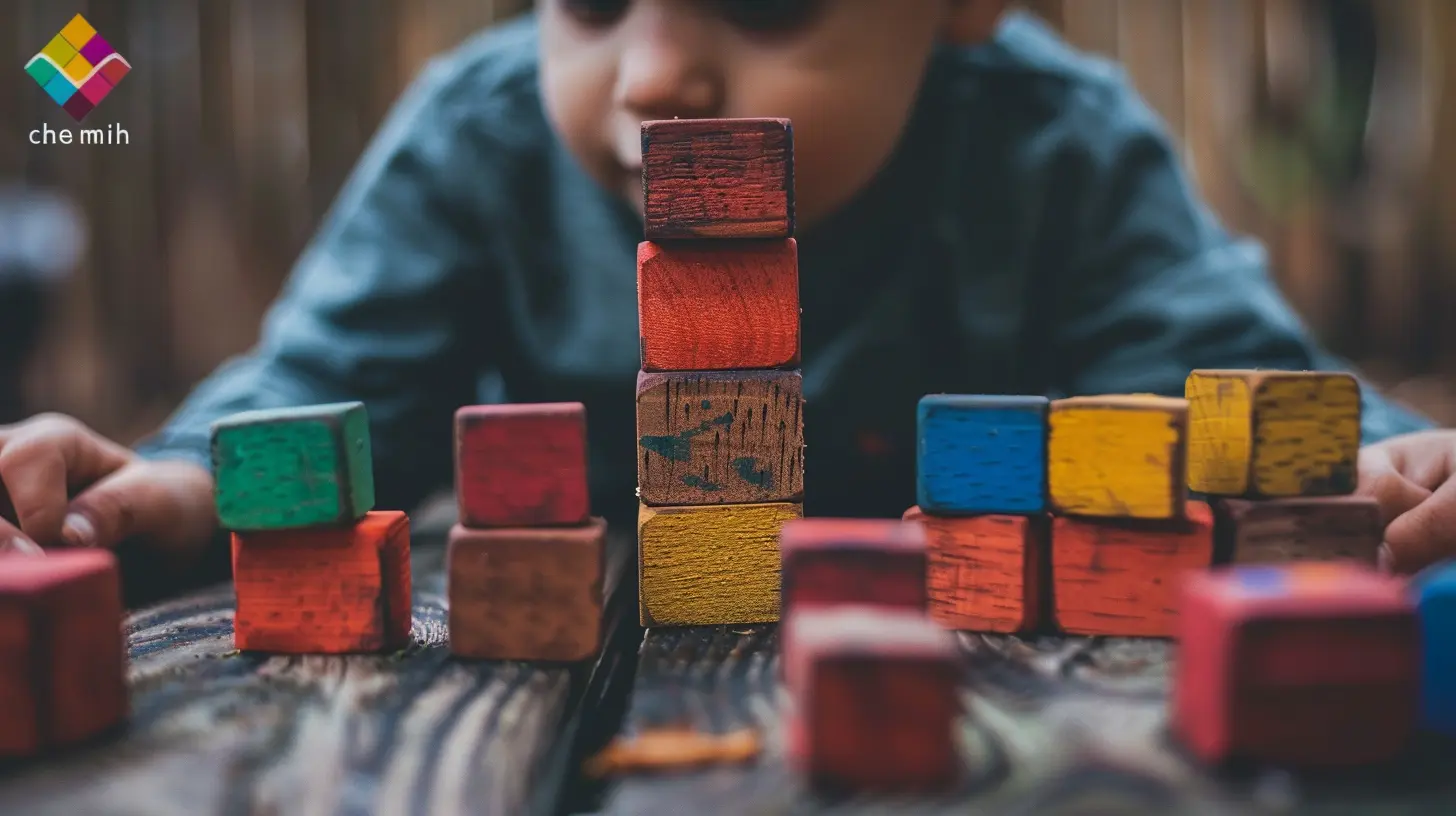
2. Encourage Role-Playing Scenarios
Kids LOVE role-playing—it’s their way of making sense of adult responsibilities. Whether they’re playing “house,” pretending to be doctors, or running an imaginary restaurant, they’re rehearsing what it means to have a role, follow rules, and take care of others.How to Use Role-Play for Responsibility:
- Rotate roles: Let your child be the “parent” or “teacher” and you be the “kid.” It’s eye-opening for both sides!- Add realistic challenges: “Oh no! The baby is crying and dinner is burning—what do we do?”
- Talk through decisions: Ask questions like, “Why did you choose to do that?” or “What else could you have done?”
By stepping into someone else’s shoes, kids learn empathy, accountability, and decision-making in a safe environment.
3. Use Toys That Require Care
Not all toys are created equal. Some naturally invite responsibility because they need to be handled with care. Think of building blocks that must be stacked just right, dolls that need pretend feeding, or board games with rules that must be followed.Suggested Responsibility-Boosting Toys:
- Pets or plant kits: Even pretend ones work! Have them “feed” and “water" them daily.- Board games: These teach rule-following, turn-taking, and fairness.
- STEM kits or Lego sets: These require attention, patience, and persistence.
Just remember to guide and not do it all for them. Let them figure out how to troubleshoot and care for their creations.
4. Introduce Natural Consequences During Play
One of the most powerful ways to instill responsibility is by allowing kids to experience the natural outcome of their choices—without lecturing or rescuing them every time.For example:
- If they pile blocks too high and the tower falls, let it happen.
- If they leave a toy outside and it gets damaged, talk about how that happened and what could be done next time.
Now, we're not saying let your child burn down the sandbox, but learning through experience is incredibly effective. It builds something called intrinsic motivation, which is basically the desire to do something because it feels right—not because someone’s nagging them to do it.
5. Let Them Be In Charge (Sometimes)
Giving your child a chance to lead is one of the best gifts you can offer. Even if their “plan” doesn’t make much sense to you, go along with it once in a while. Let them be the “game master” or the “team leader.” Let them decide the setup, the rules, and how to solve problems.Yes, it might get a little wild. But here’s what they’re learning:
- Leadership and delegation
- Decision-making
- Problem-solving
- Handling disagreements
Letting them be in charge empowers them, and with empowerment comes a sense of ownership—and responsibility.
6. Model the Behavior You Want to See
Kids are watching us like hawks. They might not always listen to our words, but they’re tuned in to our actions, especially during downtime like play.If we roll our eyes about cleaning up, or bend the rules during a game, guess what they learn? But if we respect game rules, admit mistakes, and show patience, those lessons stick.
Even things like saying “Oops, I forgot to put the game away. Let me take care of that now” goes a long way in creating a culture of responsibility at home.
7. Use Praise That Promotes Growth
How you praise your child shapes how they view responsibility. Instead of generic comments like “Good job,” try to get specific:- “I noticed you helped your sister with the puzzle without being asked. That was kind and responsible.”
- “You stuck with the game even when it got tricky—nice problem-solving!”
Comments like these highlight why their behavior was responsible. It’s like adding fertilizer to the seeds you’re planting.
8. Encourage Team Play and Sharing
Group play is practically a masterclass in responsibility. It forces kids to navigate emotions, take turns, share resources, and settle disputes—all valuable skills.As a parent, your role is to step in only when necessary. Give them room to negotiate, compromise, and figure things out. And when they do solve a conflict or help a peer, celebrate those wins!
Responsibility isn’t just about managing things—it’s also about managing relationships. Team play is where that magic happens.
Handling Resistance: When They Just Don’t Wanna
Let’s be real: there will be days when your child flat-out refuses to clean up, or throws a tantrum during a game. That’s okay. Resistance is part of the journey.Here’s how to handle it:
- Stay calm. No one learns well when things are tense.
- Use “when/then” phrasing: “When you finish putting away the toys, then we can have snack.”
- Offer empathy, not just rules: “I know you're tired. It's hard to clean up when you're tired, huh?”
- Be consistent. One day of giving in leads to weeks of mixed signals.
Think long game.
Final Thoughts: Play is the Practice Ground for Life
When you look at playtime, don’t just see toys and pretend worlds—see the future adult in training. Every hidden object game, every doll tea party, every Lego catastrophe is a lesson in responsibility just waiting to happen.It’s our job as parents to gently guide, model, and praise these moments. Do it consistently, and you’ll see your child not only becoming more responsible but also more confident, mindful, and ready to tackle real life—one playful moment at a time.
So the next time you step on a Lego, take a deep breath… and remember: you’re raising a responsible human, one toy at a time.
all images in this post were generated using AI tools
Category:
Teaching ResponsibilityAuthor:

Liam Huffman
Discussion
rate this article
1 comments
Zevon Malone
This article sparks such great ideas about responsibility in play. I love the notion of using playtime as a way for kids to learn real-life skills. Excited to try out these tips!
August 6, 2026 at 4:45 AM