How to Handle Preschool Friendships and Social Conflicts
28 January 2026
Preschool is a magical time in a child's life. It's when they start forming real friendships, learning the ropes of social interactions, and experiencing the highs and lows that come with them. But let's be honest—preschool friendships can be just as tricky as adult ones! One moment, your little one is best friends with another child, and the next, they're in tears over a toy dispute.
So, how do you help your preschooler navigate these early relationships without hovering or interfering too much? In this guide, we'll break down the best ways to handle preschool friendships and social conflicts while fostering kindness, empathy, and resilience in your child.
Why Preschool Friendships Matter
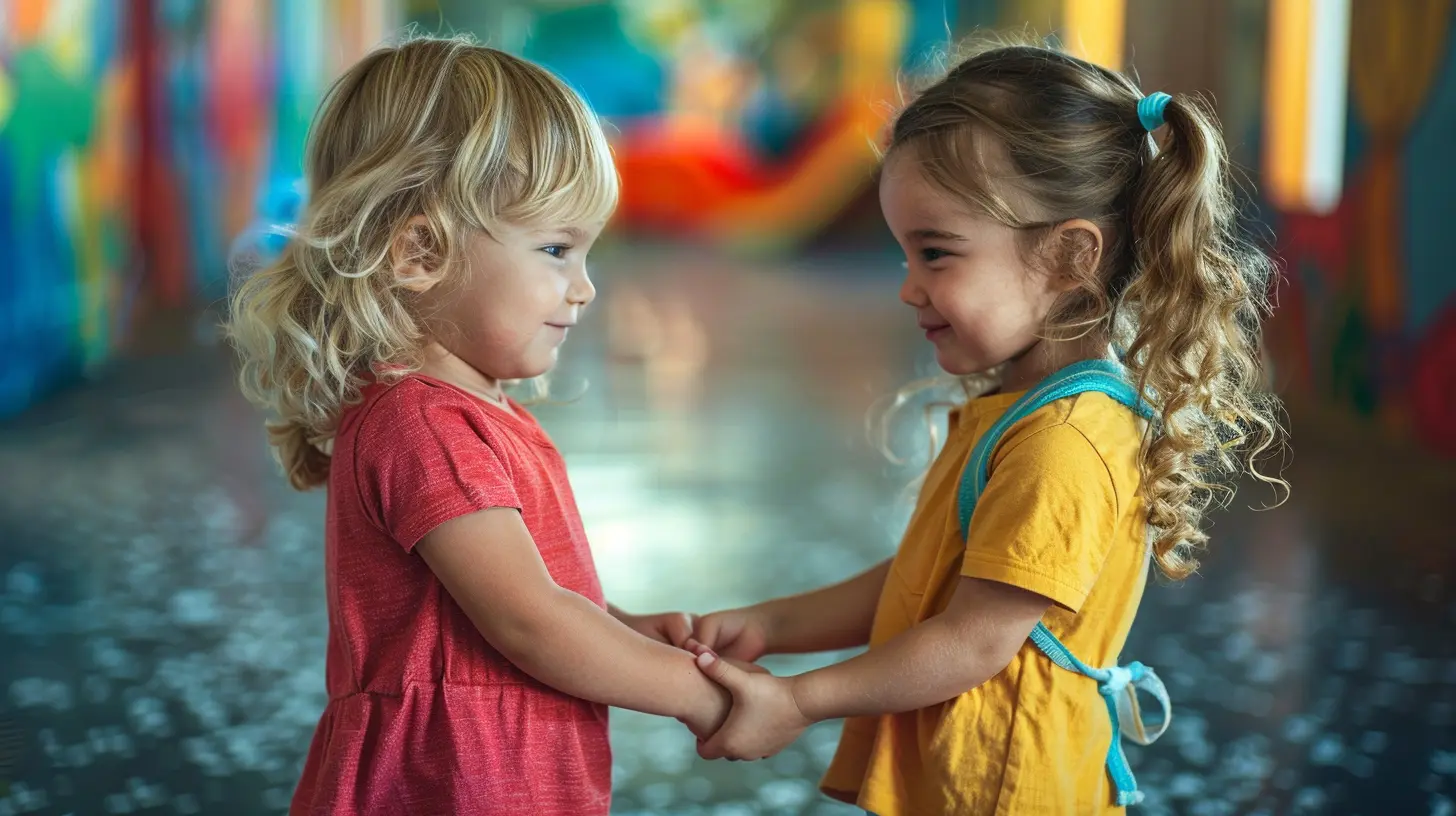
You might wonder, "Do these tiny friendships even matter in the long run?" The answer is a resounding yes! Early friendships help kids develop crucial life skills, such as:- Sharing and cooperation – Learning how to take turns and work together.
- Empathy and kindness – Understanding and responding to others’ feelings.
- Communication skills – Expressing thoughts, needs, and emotions clearly.
- Conflict resolution – Learning how to solve small disagreements without adult intervention.
These skills lay the foundation for emotional intelligence, which plays a huge role in their future relationships and success in life.
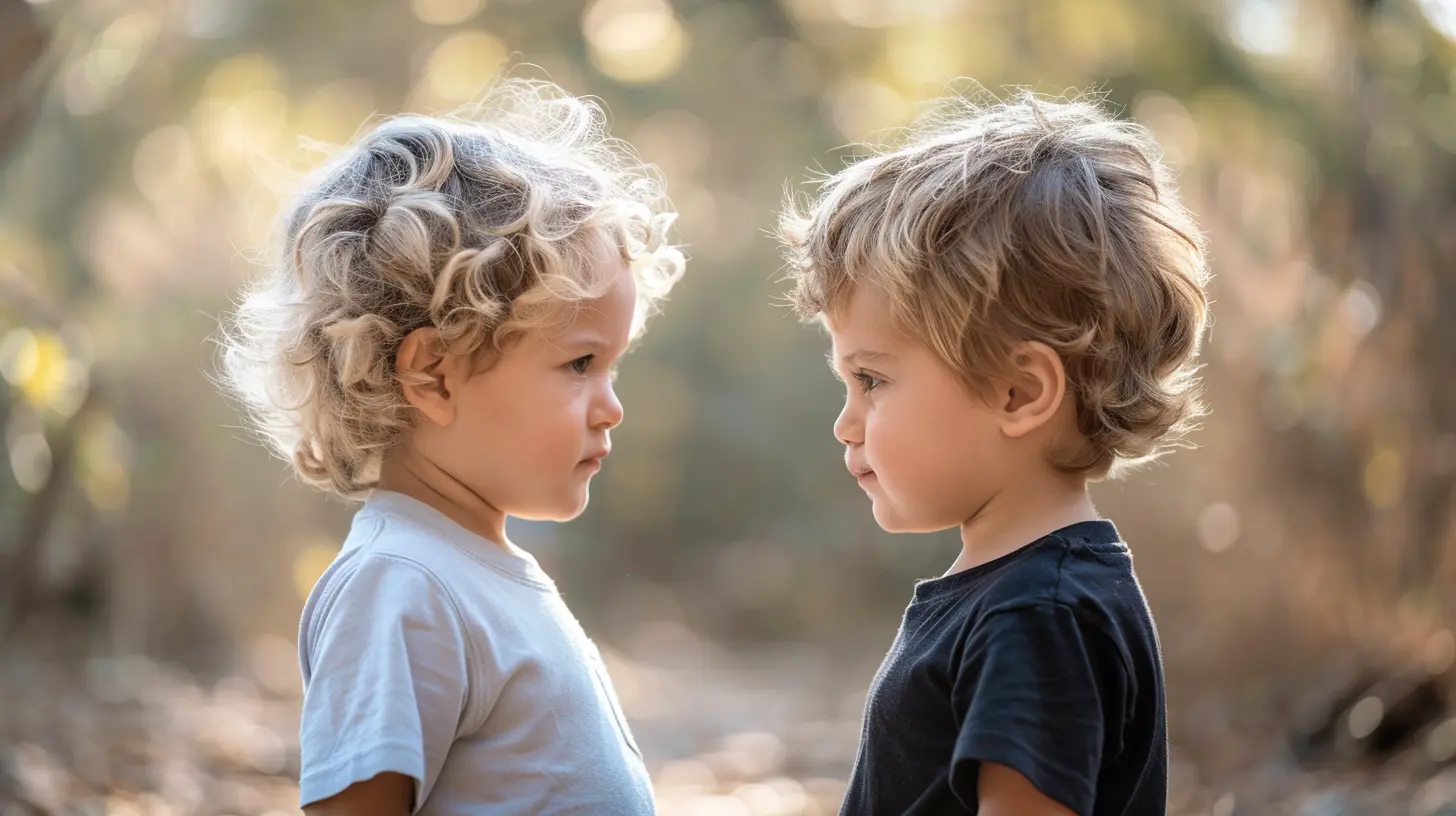
Common Preschool Friendship Challenges
Preschoolers are still learning how to handle emotions, so it’s no surprise that conflicts pop up frequently. Here are some common struggles they face:1. Arguments Over Toys
One of the biggest friendship struggles? Toy disputes! It’s classic preschool behavior—two kids want the same toy at the same time, and suddenly, there's a full-blown meltdown.2. Exclusion from Play
Hearing "You can't play with us!" can be heartbreaking for a little one. Kids are still figuring out social dynamics, and sometimes, they unintentionally hurt feelings without realizing it.3. Jealousy Among Friends
Preschoolers tend to get jealous when their best friend plays with someone else. They might feel left out or worry that they’ve lost their special bond.4. Struggles with Taking Turns
Patience is still a work in progress at this age. Waiting for a turn or sharing space can lead to frustration and outbursts.5. Physical Conflicts
Let’s face it—preschoolers sometimes resort to pushing, grabbing, or hitting when they don’t have the words to express their feelings. It’s not because they’re bad kids; they’re just learning how to handle big emotions.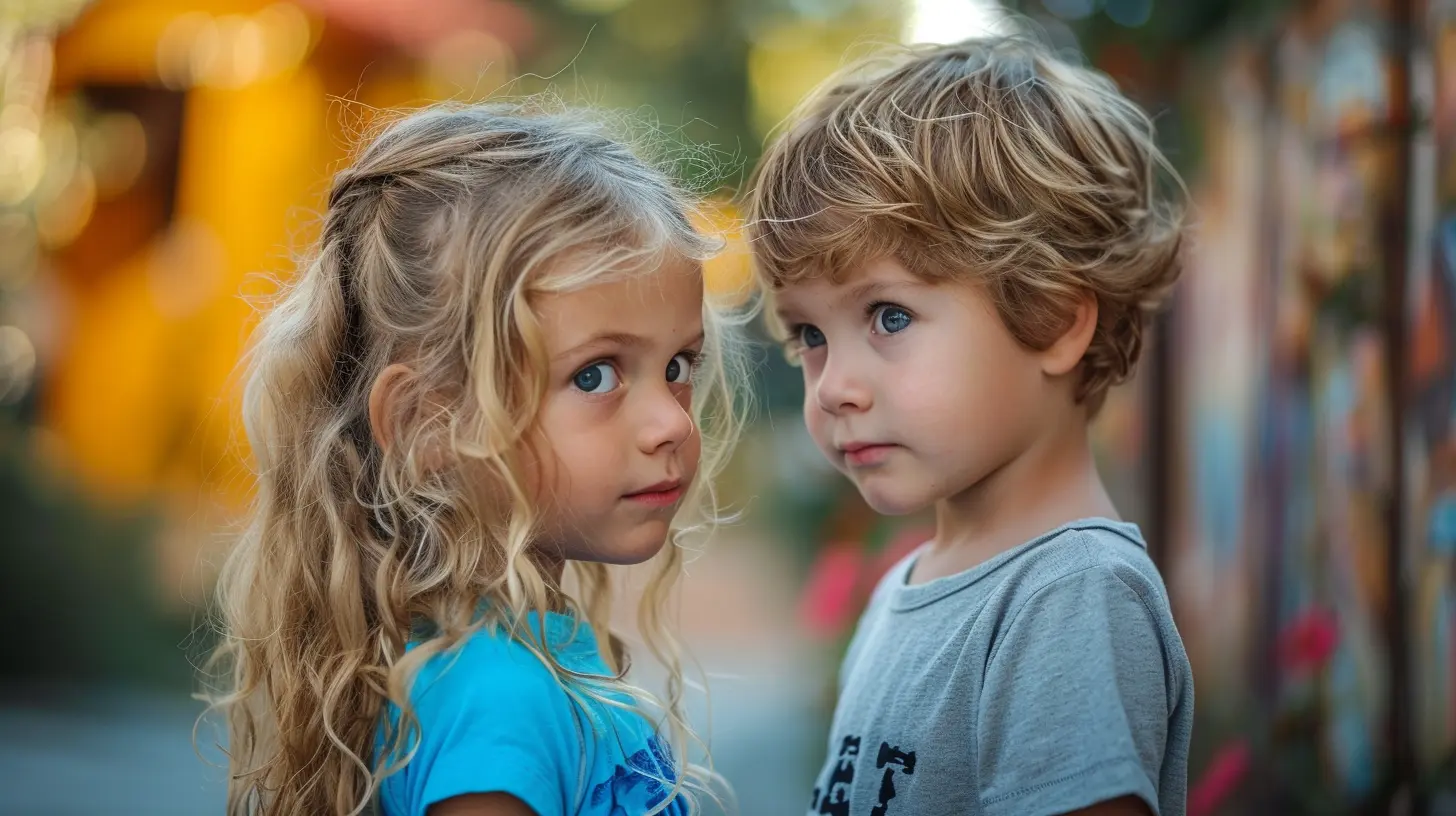
How to Help Your Child Build Strong Friendships
It’s tempting to jump in every time there's a problem, but your child needs to develop the skills to handle friendships independently. Here’s how you can guide them without taking over:1. Teach Empathy Early On
Empathy is like a muscle—it grows stronger the more kids use it. Encourage your child to think about how others feel. If they grab a toy from a friend, ask, "How do you think that made them feel?" Helping them understand emotions lays the groundwork for stronger friendships.2. Model Positive Social Behavior
Children learn by watching us. Show kindness, patience, and respect in your own interactions. If they see you handling disagreements calmly and respectfully, they’ll be more likely to do the same.3. Role-Play Different Scenarios
Sometimes, acting out different friendship situations can help kids know what to do when conflicts arise. Practice responses like:- "Can I have a turn when you're done?"
- "I feel sad when you don’t let me play. Can we play together?"
This gives them the words they might need when emotions run high.
4. Encourage Problem-Solving
Instead of solving every argument yourself, ask your child questions that encourage them to think of solutions. "What do you think we could do so both of you can play happily?" Giving them ownership of the solution builds confidence and social skills.5. Don't Force Friendships
Not every kid will click with every other kid—and that's okay! If your child gravitates toward certain friends, let them enjoy those connections naturally. Forcing friendships can create unnecessary pressure.6. Teach the Art of Taking Turns
Make taking turns a fun learning experience. Use timers during playtime, or create a game where everyone gets a fair turn. Praise them when they share or wait patiently—it reinforces positive behavior.7. Help Them Express Their Feelings in Words
Preschoolers often act out when they can’t verbalize their emotions. Teach them simple phrases like:- "I feel upset when you take my toy."
- "I want to play, too!"
Giving them the right words helps prevent frustration from turning into physical conflicts.
8. Teach Conflict Resolution
When your child has a disagreement with a friend, don’t jump in immediately to mediate. Instead, guide them with open-ended questions:- "What happened?"
- "How can we fix this?"
- "What can we do next time?"
Encouraging them to find solutions helps them handle future conflicts more effectively.
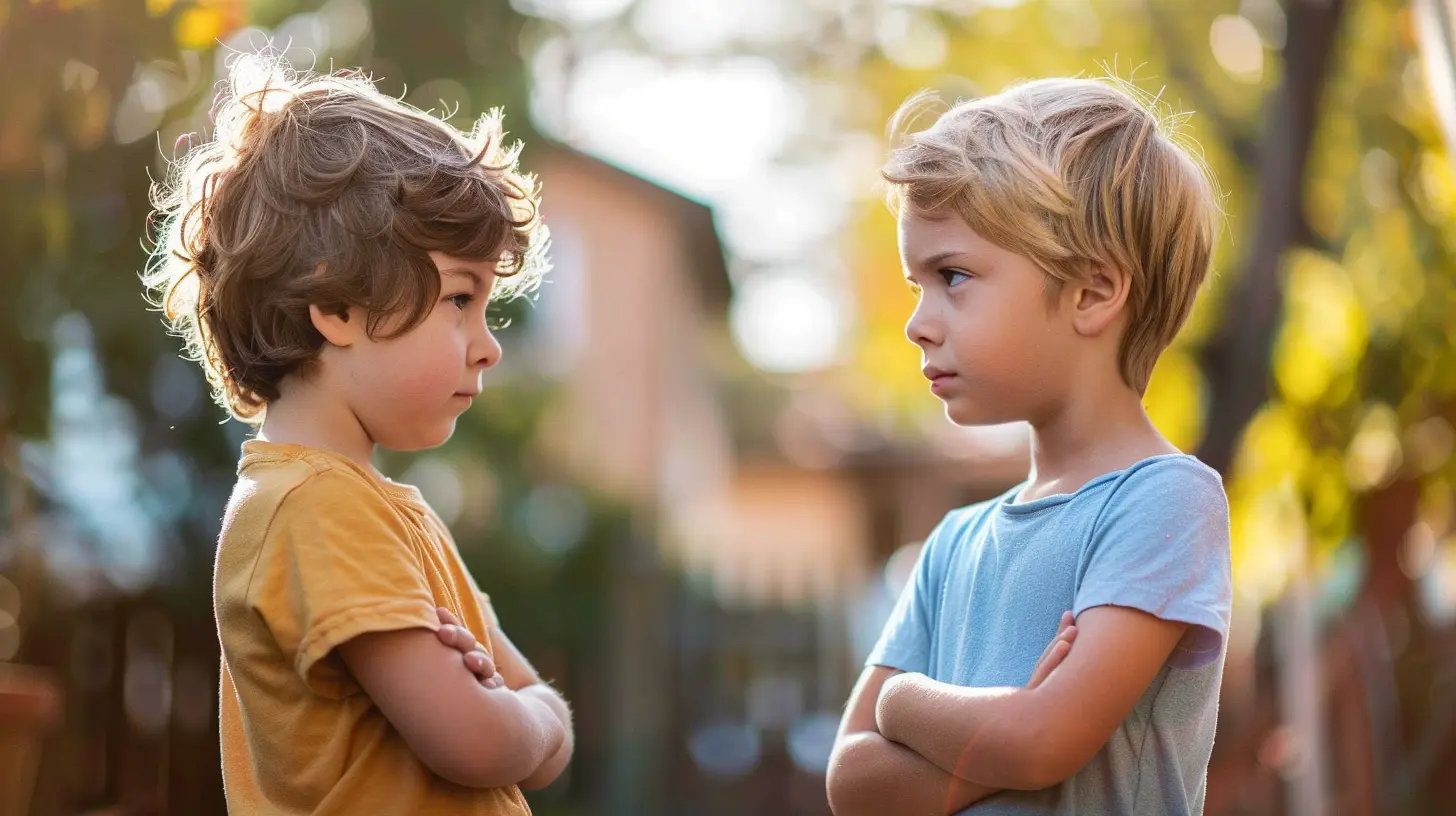
What to Do When Your Child Feels Left Out
Feeling excluded is tough, even for adults. If your preschooler is struggling with being left out, here’s how you can support them:- Validate their feelings – Let them know it’s okay to feel sad or frustrated. Saying, "That must have felt really hard," assures them that their emotions are valid.
- Encourage making new friends – If one group isn’t including them, help them find other playmates. Teach them conversation starters like, "Can I play too?"
- Talk to the teacher if needed – If exclusion is happening frequently, a quick chat with their teacher can help ensure no one is feeling left out on a regular basis.
Teaching Kids to Apologize (and Mean It!)
Apologies shouldn't be forced or empty. Instead of making your child say a robotic "sorry," teach them meaningful apologies:1. Acknowledge the mistake – "I took your toy without asking."
2. Express empathy – "I see that made you upset."
3. Make it right – "Next time, I’ll ask first."
When kids understand why they’re apologizing, it builds genuine empathy and emotional growth.
When to Step In as a Parent
Sometimes, a conflict goes beyond what preschoolers can handle on their own. Step in if:- A child is being physically aggressive.
- A pattern of exclusion or bullying is forming.
- Your child seems deeply distressed or withdrawn.
Use these moments as teaching opportunities rather than punishments. Guide them toward better social behavior while ensuring they feel safe and heard.
Final Thoughts
Preschool friendships are a rollercoaster of emotions, but they’re a crucial part of childhood. By teaching empathy, problem-solving, and positive communication, you’re giving your child the social tools they’ll use for a lifetime.Remember—friendship skills take time to develop. There will be bumps along the way, but with a little guidance and encouragement, your child will learn how to build meaningful relationships and navigate conflicts with confidence.
At the end of the day, the best thing you can do is be their safe space—a place where they can talk, learn, and grow without fear of judgment. And that, my friend, is the foundation for strong, lasting friendships.
all images in this post were generated using AI tools
Category:
Parenting PreschoolersAuthor:

Liam Huffman
Discussion
rate this article
2 comments
Kova Taylor
“Let’s be real: preschool friendships are basically miniature soap operas. Embrace the drama, teach your tiny humans conflict resolution, and remind them that sharing a snack can solve almost anything. Who knew parenting came with so many plot twists?”
February 12, 2026 at 4:48 PM
Liam Huffman
Absolutely! Preschool friendships are indeed filled with highs and lows. Teaching children to navigate these social dynamics not only helps them resolve conflicts but also builds important life skills. Snack time diplomacy is always a great strategy!
Sienna Bass
Navigating preschool friendships requires patience and empathy; guiding children through conflicts fosters resilience and strengthens their social skills.
January 28, 2026 at 3:44 AM
Liam Huffman
Absolutely! Fostering resilience and social skills in preschoolers through patience and empathy is crucial for their emotional development.