How to Handle Weighty Issues: Addressing Childhood Obesity with Kindness
29 July 2026
Kids and food—it's a complicated relationship, isn't it? One minute they're swearing off veggies like they’re a sworn enemy, and the next, they’re inhaling an entire bag of chips like it’s their life’s mission. But what happens when this wobbly balance tips toward childhood obesity?
Take a deep breath, parents. We’re not here to shame, scare, or make you feel like you’ve failed. Instead, we’re going to tackle this with humor, kindness, and a hefty dose of reality. So, put down that guilt sandwich and let's get into it. 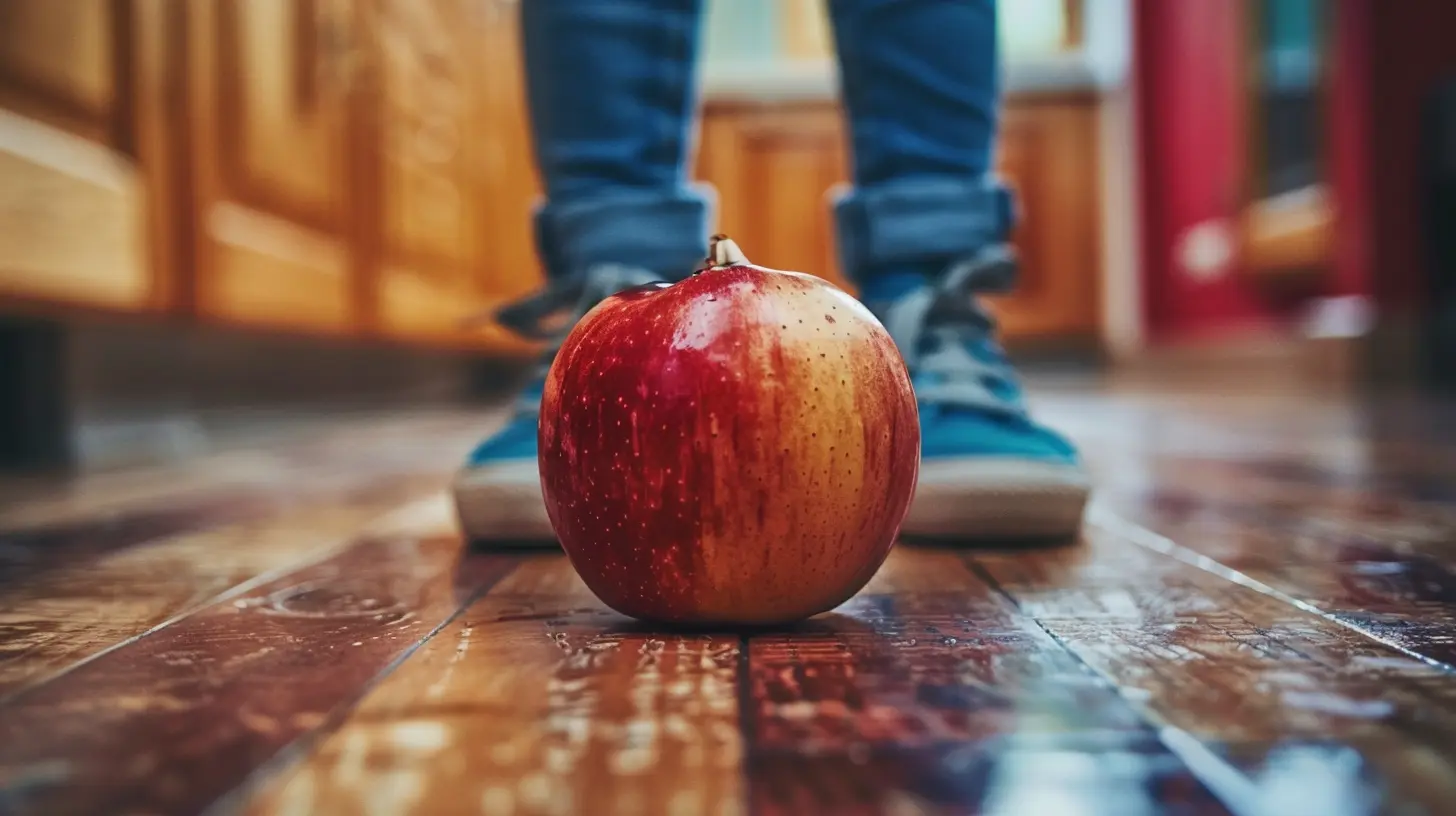
Childhood Obesity: More Than Just Baby Fat
You might hear Aunt Karen confidently declare, “Oh, they’ll grow out of it!” as she watches little Timmy polish off his second slice of cake. While we all wish metabolism were a magical cure-all, that's not always the case. Childhood obesity isn't just about extra pounds—it's about long-term health, confidence, and well-being.That said, if you’re freaking out and Googling "Am I a terrible parent?"—stop. This isn’t about blame. It's about small, sustainable changes that can set your kid up for a healthier future. 
Why Are More Kids Struggling with Weight?
Before we start strategizing, let’s unpack why childhood obesity is becoming as common as lost socks in a laundry room.1. Screen Time: The Digital Babysitter
Remember when kids actually played outside? Yeah, neither do they. With tablets, video games, and YouTube rabbit holes, movement isn't exactly a top priority.2. Food: The Convenience Conundrum
Between fast food, ultra-processed snacks, and sugar in, well… everything (seriously, why is sugar even in bread?), healthy eating can feel like a losing battle.3. Busy Parents, Busier Kids
Soccer practice, math tutoring, ballet, coding class—when is anyone supposed to cook a nutritious meal? The struggle is real, and sometimes, a drive-thru is just easier.4. Emotional Eating: Food as a Hug
Had a bad day? Ice cream. Feeling stressed? Chips. Kids learn emotional eating from, well, us. And hey, no judgment—we’ve all inhaled a chocolate bar after a long day.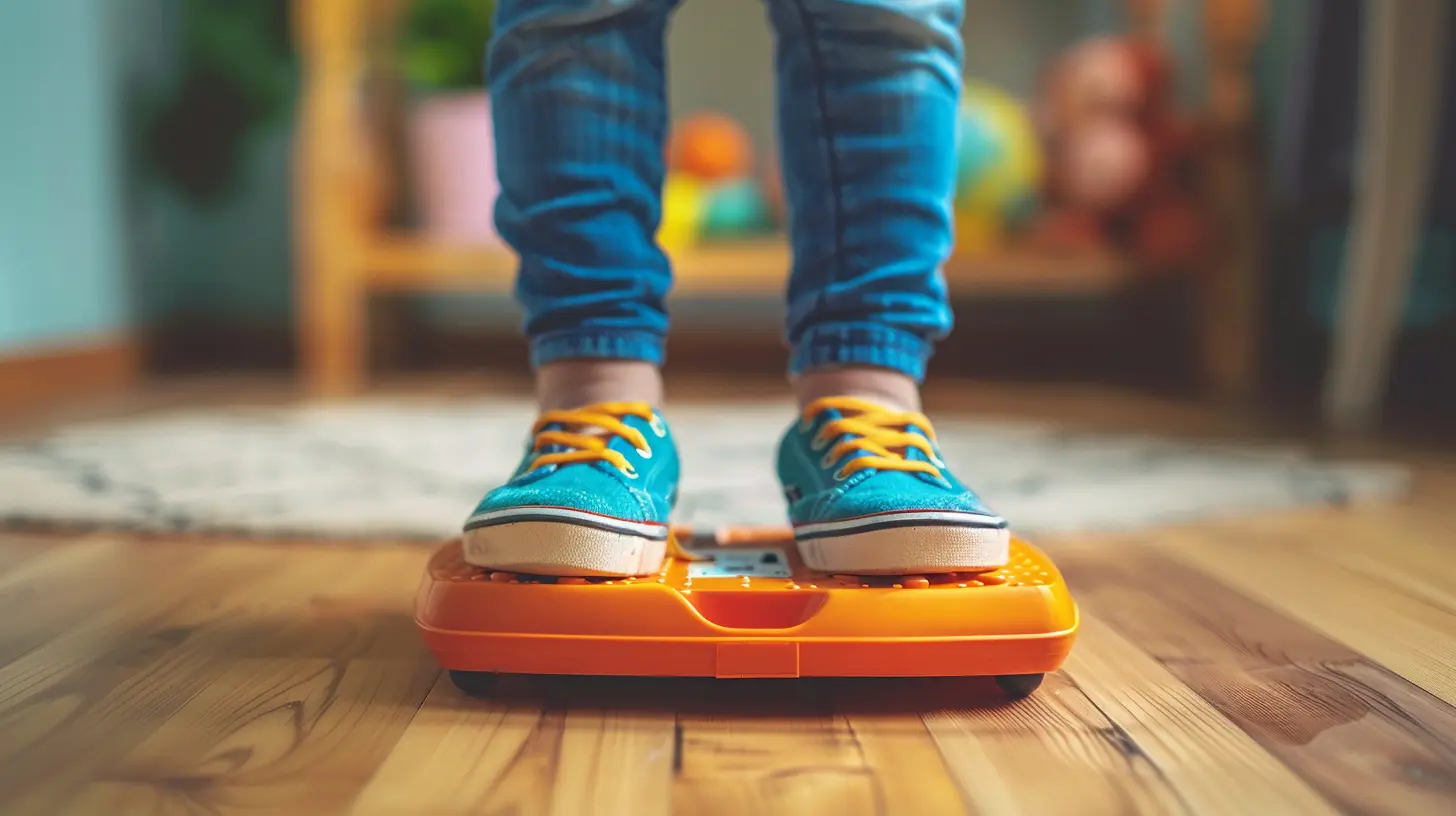
The Gentle, No-Guilt Approach to Helping Your Child
If you’re imagining meal prep chaos and teary-eyed tantrums over kale, RELAX. It's not about drastic changes. It's about realistic, kind, and doable tweaks to daily habits.1. Make Movement Fun, Not a Punishment
Telling a kid to "go exercise" is about as effective as telling your cat to do taxes. Instead, find activities they enjoy:- Dance parties in the living room (Bonus: You get to embarrass them)
- Family hikes with a promise of a silly prize at the end
- Playing tag, riding bikes, or even a good ol’ game of "who can run to the mailbox the fastest?"
The goal? Make movement a natural part of life—not a dreaded chore.
2. The Not-So-Scary Food Revamp
You don’t have to toss out every snack in your pantry overnight. But a few simple swaps and mindful habits go a long way:- Replace sugary cereals with fun homemade parfaits (Greek yogurt + fruit + granola = delicious magic)
- Make veggies more exciting (Roasted broccoli with cheese? Yes, please.)
- Keep healthier snacks in reach: If it's convenient, kids will eat it.
Want a trick? Give snacks hilarious names. "X-ray vision carrots" or "Muscle-building bananas" make healthy eating surprisingly cool.
3. No Food Shaming, Ever
Food is not the enemy. Kids should never feel bad for eating something. Instead of banning treats, teach balance. A cookie isn’t a crime—it’s just part of a day that also includes good stuff like proteins, veggies, and whole grains.4. Lead by Example (Ugh, I Know, Sorry)
Yeah, this part stings. If you want your kids to have healthier habits, they need to see you doing the same. That means:- Eating meals at the table, not in front of the TV
- Drinking water like it’s your full-time job
- Choosing active outings (Bowling? Zoo trips? Laser tag? Count us in.)
Kids mimic what they see. So, unfortunately, we have to be their role models. (Who signed up for this again?)
5. Prioritize Sleep (Yes, Really)
Did you know lack of sleep can mess with hunger hormones? If your kid is tired, their body might think it’s hungry when it really just needs a nap.- Set consistent bedtimes
- Limit pre-bed screen time (Easier said than done, I know)
- Create a calm nighttime routine (Warm baths, reading, bribery—whatever works)
More sleep = healthier choices. It’s science. 
How to Talk About Weight Without Crushing Their Soul
This part is crucial. Kids are sponges, and how we approach this topic can shape their self-esteem for life.1. Avoid the "D" Word (Diet, That Is)
Diets are short-term, restrictive, and usually miserable. Instead, focus on healthy habits and feeling good.2. Frame It Around Feeling Strong & Happy
Instead of “You need to lose weight,” try:✔️ “Let’s get stronger together!”
✔️ “Eating this way gives us energy to do fun stuff!”
✔️ “Let’s see how fast we can run after eating this snack—it’s fuel!”
3. Ditch the Scale Obsession
Numbers on a scale don’t define health. Focus on what their body can do—not what it weighs.- "You ran farther today!"
- "Wow, you climbed that so fast!"
- "Your body is amazing for all the awesome things it can do!"
Patience, Parents—This is a Marathon, Not a Sprint
Look, no one’s expecting overnight success. Changing habits takes time, especially with kids who insist that pizza is a vegetable.But small changes, done with love and without pressure, create a lifelong foundation for health. And ultimately, that’s what we all want, right? A future where our kids feel great, move easily, and have a happy relationship with food and their bodies.
So, take it one step at a time. And if all else fails—well, at least they’ll appreciate the dance parties and muscle-building bananas.
all images in this post were generated using AI tools
Category:
Kids NutritionAuthor:

Liam Huffman