How to Integrate Art and Music into Your Homeschool
1 May 2026
Let’s face it—homeschooling is already a full-time gig. Between math worksheets, science labs in your kitchen, and trying to explain grammar rules without pulling your hair out, it’s easy to let the creative stuff—like art and music—fall by the wayside. But trust me, bringing them in doesn't have to feel like you're juggling flaming swords.
Integrating art and music into your homeschool routine isn’t just “nice to have,” it’s essential. These aren't just fluff subjects. They boost brain development, nurture emotional expression, and (bonus!) make learning a lot more fun. Plus, they help kids see the world in a more colorful, connected way.
So, how do you go from “we should probably add art and music” to actually making it a natural part of your homeschool day? Grab your paintbrushes, tune up that ukulele, and let’s dig in!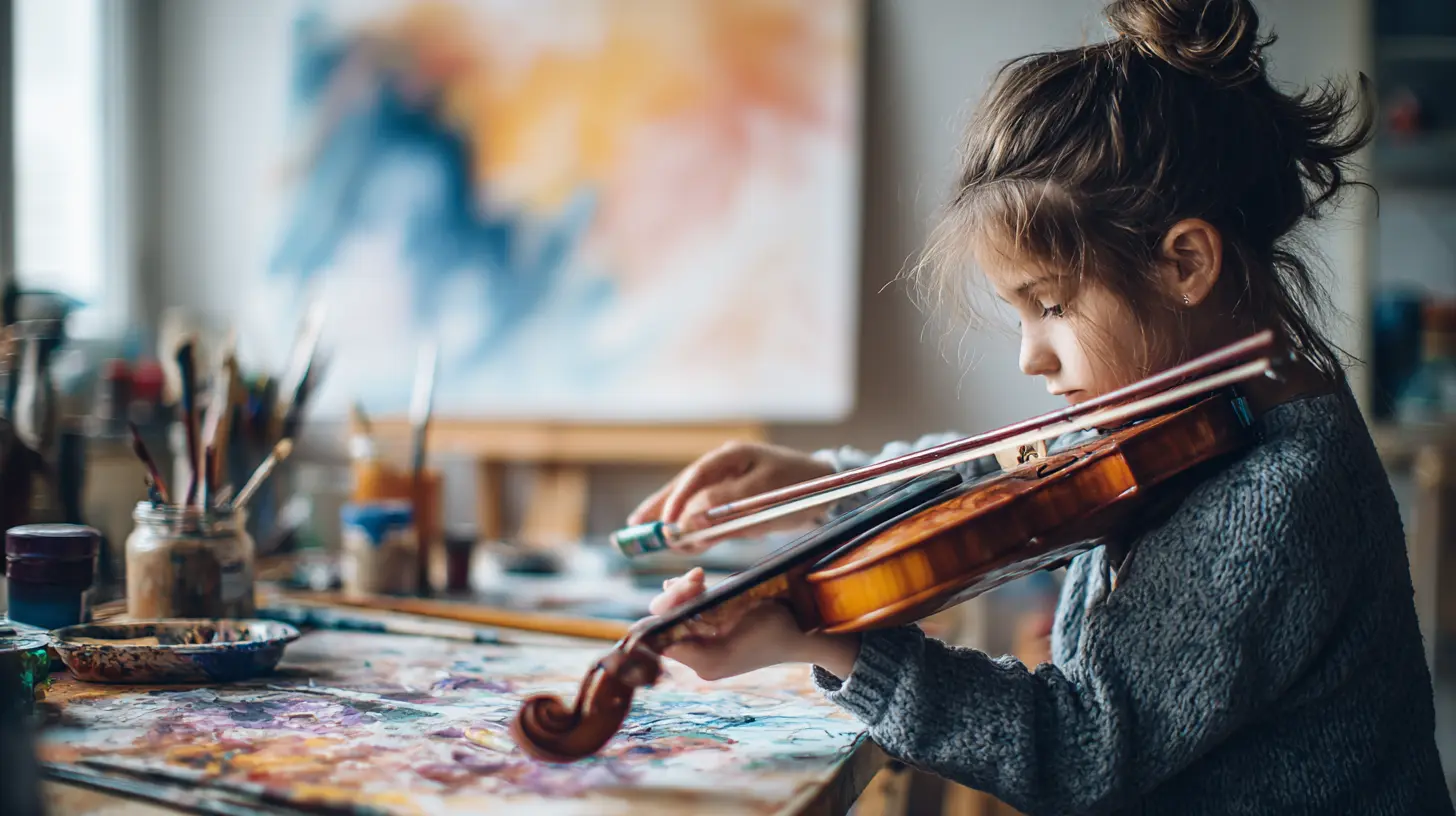
Why Art and Music Matter in Homeschooling
Before we get into the how, let’s talk about the why. Art and music aren’t just about creating pretty things or playing a few notes. They play a serious role in child development.1. Brain Boosters
When your child draws, paints, sings, or plays an instrument, it lights up multiple areas of the brain. We’re talking about fine motor skills, creativity, pattern recognition, and critical thinking—all happening at once.2. Emotional Outlets
Ever had one of those tough homeschool days where everyone’s frustrated and nothing is going right? (Yeah, me too.) Giving kids a way to express themselves through drawing, songwriting, or dancing is like a pressure valve for emotions.3. Real-World Connections
Art and music are deeply tied to history, culture, and even math and science. Think of music rhythms as math in motion, and art as history's visual diary. These subjects are bridges to everything else.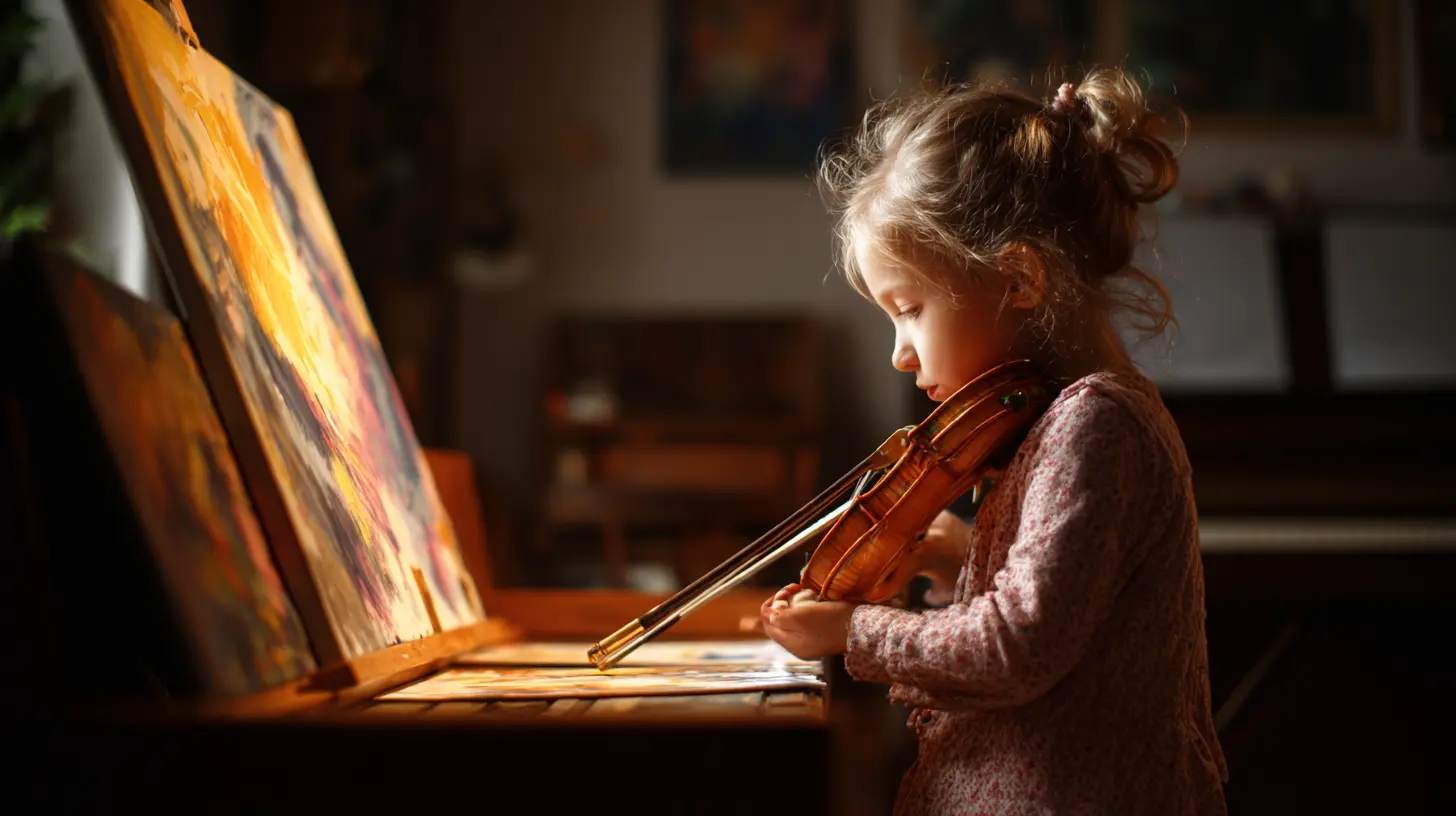
Making Art and Music Part of Your Routine
Start Simple—Really Simple
You don’t need an art degree or a music conservatory in your basement. Start with what you have. A box of crayons, paper, a Bluetooth speaker, and YouTube can go a long way.Here’s a good rule of thumb: it’s better to do a little regularly than wait for the “perfect” art project or music lesson.
Create a Creative Corner
Designate a small space for art and music. It doesn’t need to be fancy—a corner of the dining room with a bin of supplies and a Bluetooth speaker works fine. Just having a spot where creativity is “allowed” makes a big difference.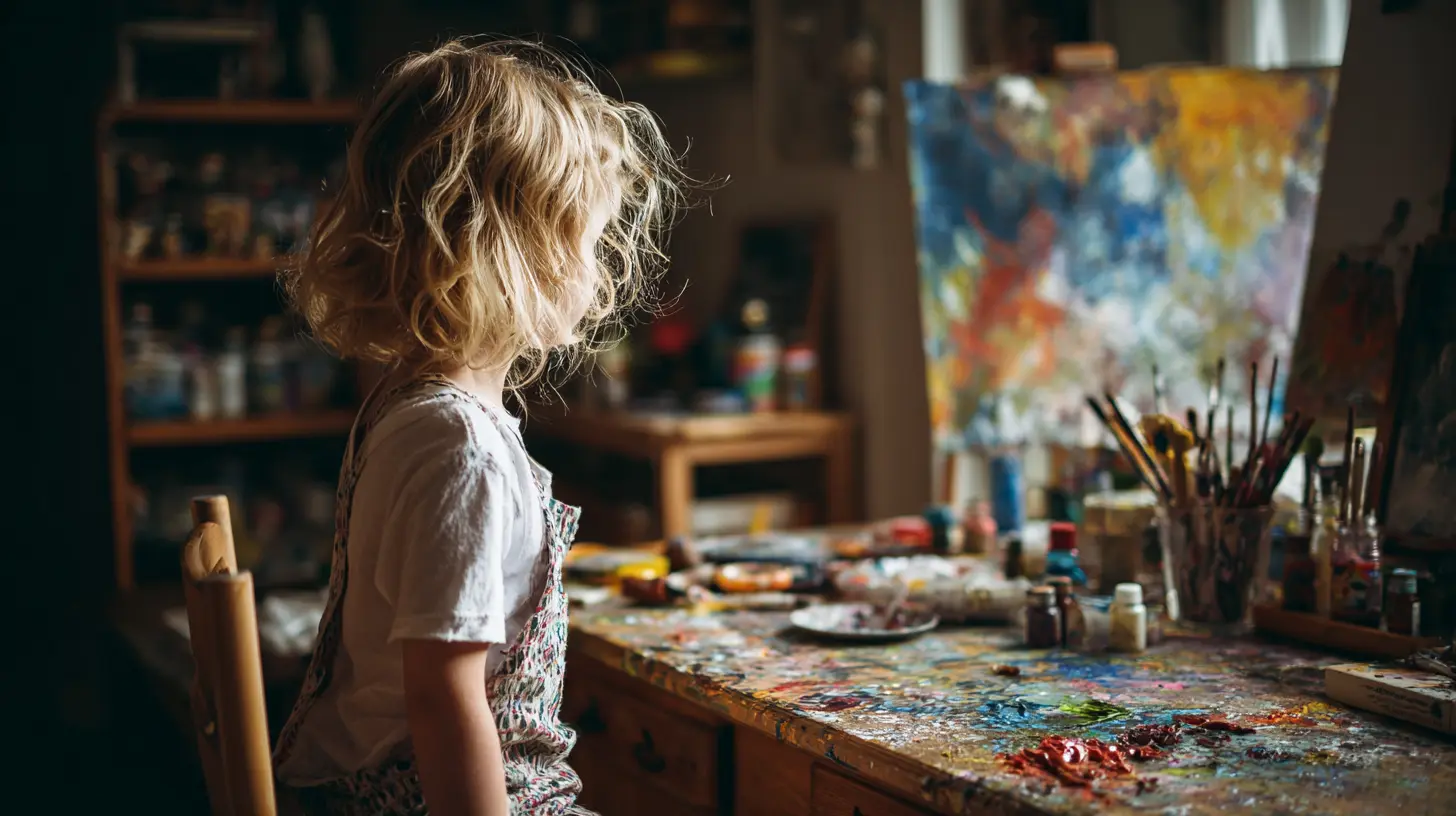
10 Easy (and Fun!) Ways to Incorporate Art
1. Sketch What You Learn
Studying insects in science? Have your kid sketch a butterfly. Reading “Charlotte’s Web”? Ask them to draw the barn. This doesn’t just engage their artistic side—it helps with memory retention, too.2. DIY Art Fridays
Pick one day a week where your main goal is to create. Finger painting, watercoloring, making collages—whatever feels fun that day. You can easily tie it into what you're learning.3. Art Appreciation Time
Introduce famous artists like Van Gogh, Picasso, or Frida Kahlo. Look at their works online or in books and talk about what your kids “see.” There’s no wrong answer! Ask questions like, “What do you think the artist was feeling?”4. Keep an Art Journal
Encourage your child to maintain a weekly art journal. It can include doodles, drawings, poetry, song lyrics—anything that captures their personal expression.5. Use Art to Reinforce Subjects
Studying the water cycle? Draw it. Ancient Egypt? Build a paper pyramid and decorate it with hieroglyphics. Turn your history or science unit into an art project.6. Explore Different Materials
Give kids a chance to work with clay, pastels, charcoal, or even recycled materials. Art doesn’t just mean paint and paper!7. Take It Outside
Paint in the backyard. Sketch at the park. Try leaf rubbings or nature mobiles. Nature is the best art teacher.8. Follow Online Tutorials
Sites like Art for Kids Hub or YouTube channels can guide your child through simple, engaging projects step-by-step.9. Let Them Lead
Sometimes the best art activity is the one your child comes up with on their own. Give them the freedom to create whatever they want without guidelines.10. Display Their Work
Hang their masterpieces on the walls, fridge, or even create an "art gallery" hallway. It builds confidence and shows that their creativity matters.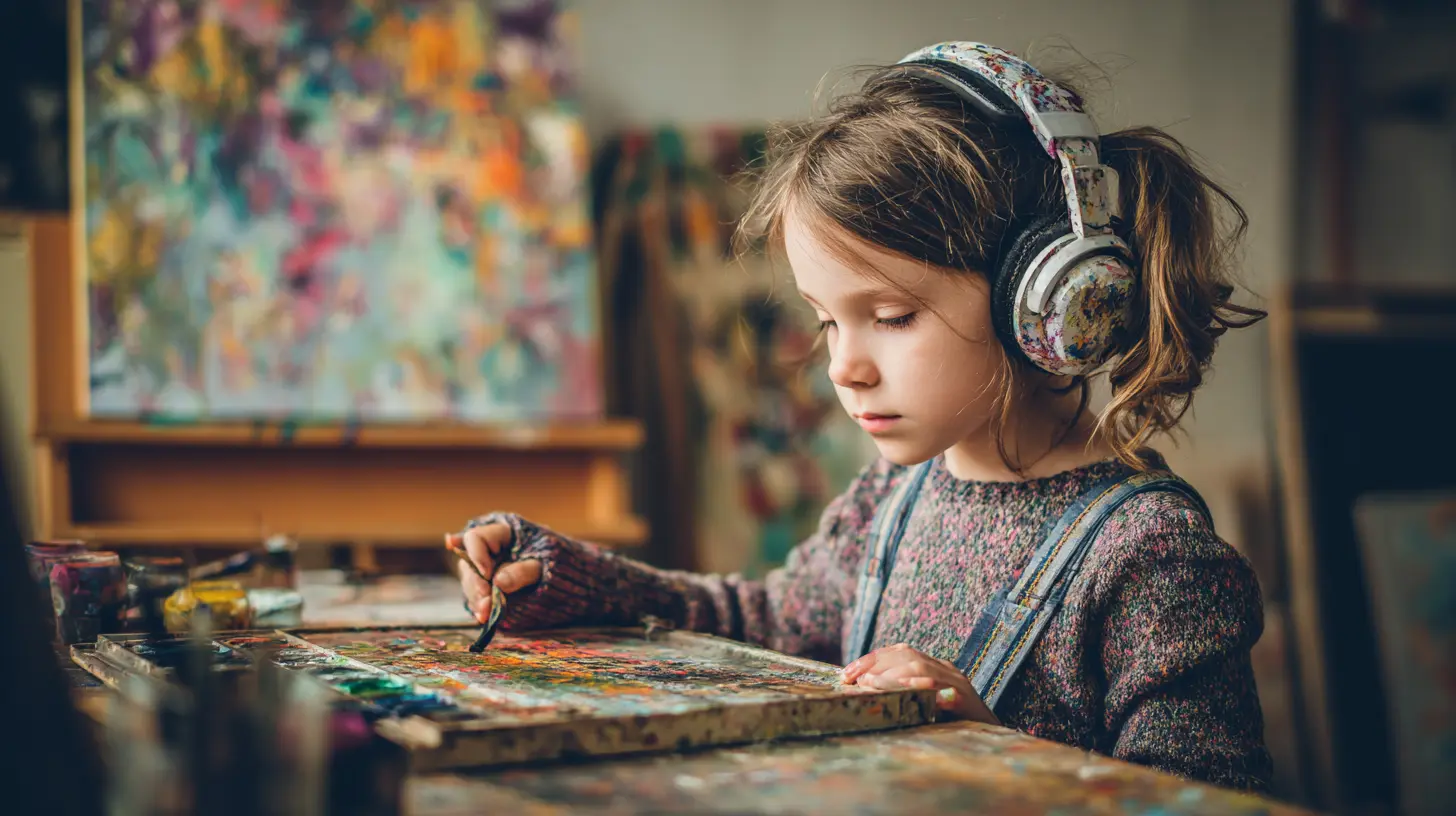
Making Music a Part of Everyday Learning
1. Turn Mornings Into a Musical Wake-Up
Start the day with an upbeat song. Let your kid pick a “morning theme song” to set the tone. Watch how it shifts the vibe for a whole day.2. Music and Movement
Don’t underestimate the power of dance parties. Put on different genres—classical, jazz, world music, even video game soundtracks—and move with your kids. It’s great for physical activity and musical exposure.3. Instrument Exploration
You don’t need a grand piano. Try affordable instruments like xylophones, recorders, ukuleles, or small drums. Even pots and spoons can become instruments!4. Learn Through Songs
From the ABCs to the Periodic Table, there are songs for almost everything. Create your own or find catchy educational tunes online.5. Incorporate Music in Other Subjects
Reading about the 1960s? Play the Beatles. Learning about Africa? Try some Afrobeat. Music sets the emotional tone for the lesson.6. Weekly Composer Spotlights
Choose one composer each week—Beethoven, Mozart, John Williams—and listen to their music while doing schoolwork. Talk about what moods the music creates.7. Write Your Own Songs
Have your kids write lyrics about what they’re learning. Need help remembering planets or spelling rules? Make it a song!8. Use Apps for Learning Music
Apps like Simply Piano, Yousician, or GarageBand are fun ways to teach music theory or learn to play instruments with minimal prep on your part.9. Join a Virtual Choir or Music Group
Even if you’re homeschooling solo, you can find online groups that allow your child to sing or perform with others.10. Make It a Family Affair
Bring music into family time. Do a karaoke night, learn a song together, or just jam out on whatever instruments (or kitchen utensils) you have.Mixing Art and Music with Academics
One of the best parts of homeschooling is the freedom to think outside the box. Here’s how you can weave art and music into your core subjects:Language Arts
- Have kids draw scenes from stories or illustrate vocabulary words.- Ask them to write poems or songs based on books they read.
Math
- Create patterns using art supplies.- Use rhythm and beats to teach counting and multiplication.
- Sing math fact songs.
Science
- Build models and draw diagrams.- Use songs to remember scientific processes (like the parts of a plant or the solar system).
History
- Recreate historical art styles.- Listen to the music of different eras.
- Make timelines full of visuals and sounds from different time periods.
Following Your Child’s Interests
Got a kid who’s constantly humming or always doodling? Lean into that. If your child leans more toward art, let them do more illustration-based projects. If they’re music-minded, make singing and rhythm part of your daily rhythm.The beauty of homeschooling is flexibility. You can make art and music as structured or as relaxed as you want. The trick is to follow your child's curiosity.
What If I’m Not Artsy or Musical?
Here’s the thing: you don’t need to be! You just need to be open to trying.There are tons of resources out there for parents who feel totally unqualified to teach art or music. Try:
- YouTube tutorials
- Online classes or local co-ops
- Subscription boxes like Let's Make Art or Music in Our Homeschool
- Podcasts and audiobooks about musicians, artists, and composers
- Community classes or library programs
Remember, you’re not expected to be Mozart or Michelangelo. You’re simply creating space where creativity can blossom.
Wrapping It Up
Homeschooling doesn’t have to be all textbooks and tests. When you integrate art and music, you're not just teaching your kids to draw or play an instrument—you’re helping them to think creatively, feel deeply, and connect more fully with the world around them.And hey, you might just have fun along the way, too.
So go ahead. Break out the glitter. Turn up the volume. Let your homeschool days dance to a more colorful rhythm.
all images in this post were generated using AI tools
Category:
HomeschoolingAuthor:

Liam Huffman
Discussion
rate this article
2 comments
Zachary Lozano
Integrating art and music has transformed our homeschool experience. It sparks creativity and fosters connection, making learning enjoyable and memorable for both my child and me.
May 21, 2026 at 4:25 AM
Liam Huffman
That's wonderful to hear! Combining art and music really does enrich the learning process and creates lasting memories. Keep exploring those creative connections!
Brandon McAdoo
Embrace creativity-art and music enrich learning and inspire imaginations!
May 5, 2026 at 2:33 AM
Liam Huffman
Absolutely! Art and music open up so many avenues for exploration and expression in learning.