How to Practice Attachment Parenting in Multicultural and Diverse Households
27 April 2026
Parenting isn’t one-size-fits-all, right? And that's even more true when you’re raising kids in a multicultural or diverse household. Whether you and your partner come from different cultural backgrounds, you're raising your child in a country different from your own, or your family simply embraces a beautiful tapestry of traditions, it can feel a bit overwhelming to figure out what “good parenting” even looks like. Let alone, how to practice something as emotionally nuanced as attachment parenting.
But here’s the good news: attachment parenting isn’t a rigid doctrine. Think of it more like a flexible, nurturing approach to raising emotionally secure, confident, and compassionate little humans. And yes, it absolutely can—and should—be practiced in multicultural and diverse households.
Let’s dive into how exactly you can make attachment parenting work beautifully while honoring the richness of your family's cultural narrative.
What Is Attachment Parenting Anyway?
Before we jump into the multicultural aspect, let’s do a quick refresher. Attachment parenting is all about building a strong emotional bond between you and your child. Coined by pediatrician Dr. William Sears, it involves some key principles:- Responding with sensitivity
- Breastfeeding or nurturing feeding
- Safe sleep (including co-sleeping, when safe and appropriate)
- Babywearing
- Consistent loving care
- Positive discipline
- Balance in your personal and family life
Now, this all sounds great in theory, but when you add in different cultural expectations, generational pressures, or mixed traditions, it gets a little more complicated. Still, very doable—and incredibly rewarding.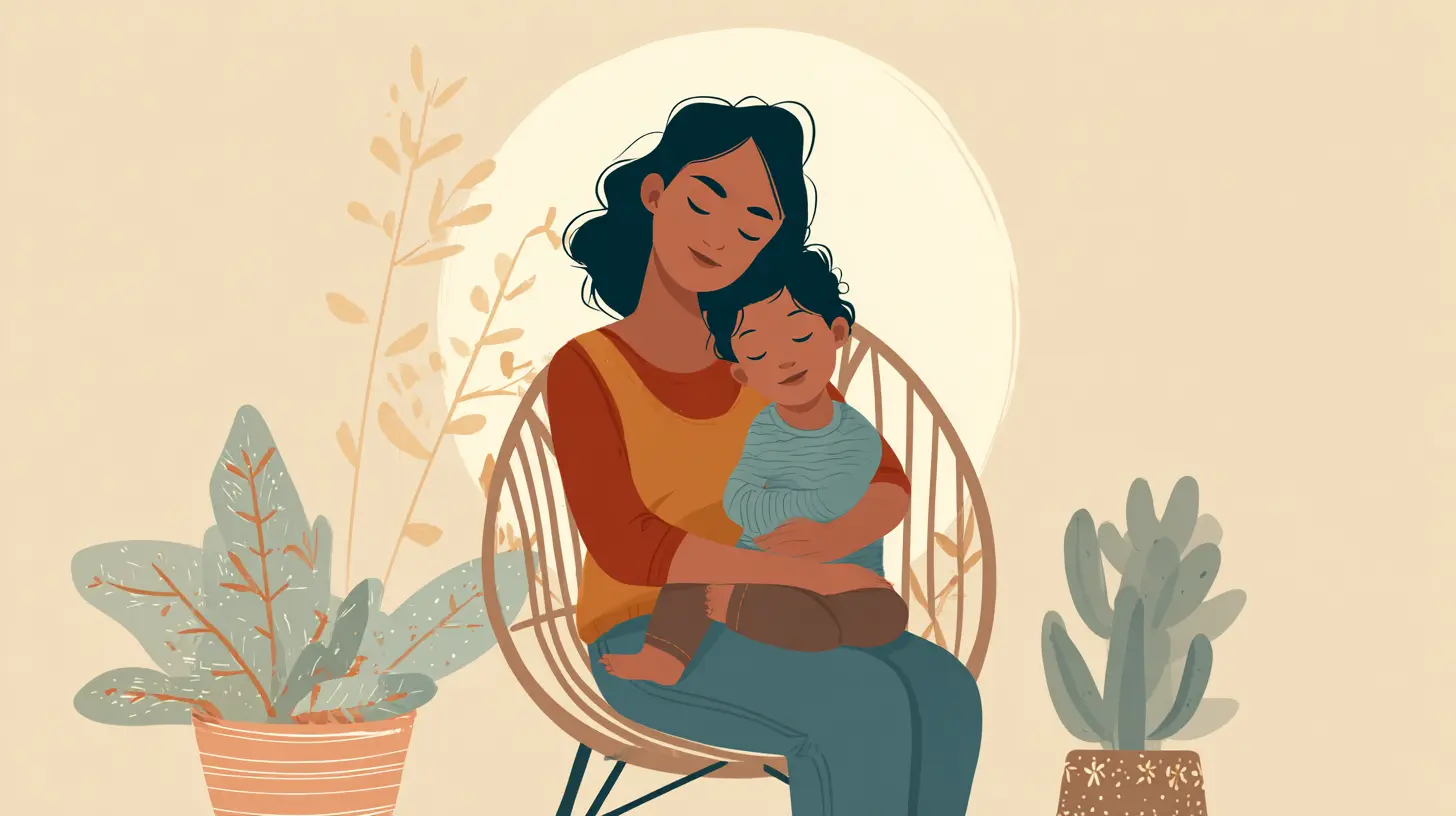
Why Culture Matters in Parenting
Let’s be real. Culture shapes everything. From what we eat to how we show affection to how we discipline and even celebrate milestones. So parenting doesn’t happen in a vacuum. It’s soaked in the flavors and rhythms of our heritage.In some cultures, for instance, co-sleeping is the norm. In others, independence is encouraged from an early age. Some families prioritize extended kinship roles (hello, grandma taking over bedtime duties!) while others focus on the nuclear family.
So when you're embracing attachment parenting in a multicultural context, you've got to balance not just your child’s needs, but your cultural expectations—and often, those of your extended family.
Sounds like a lot, right? Let’s break it down.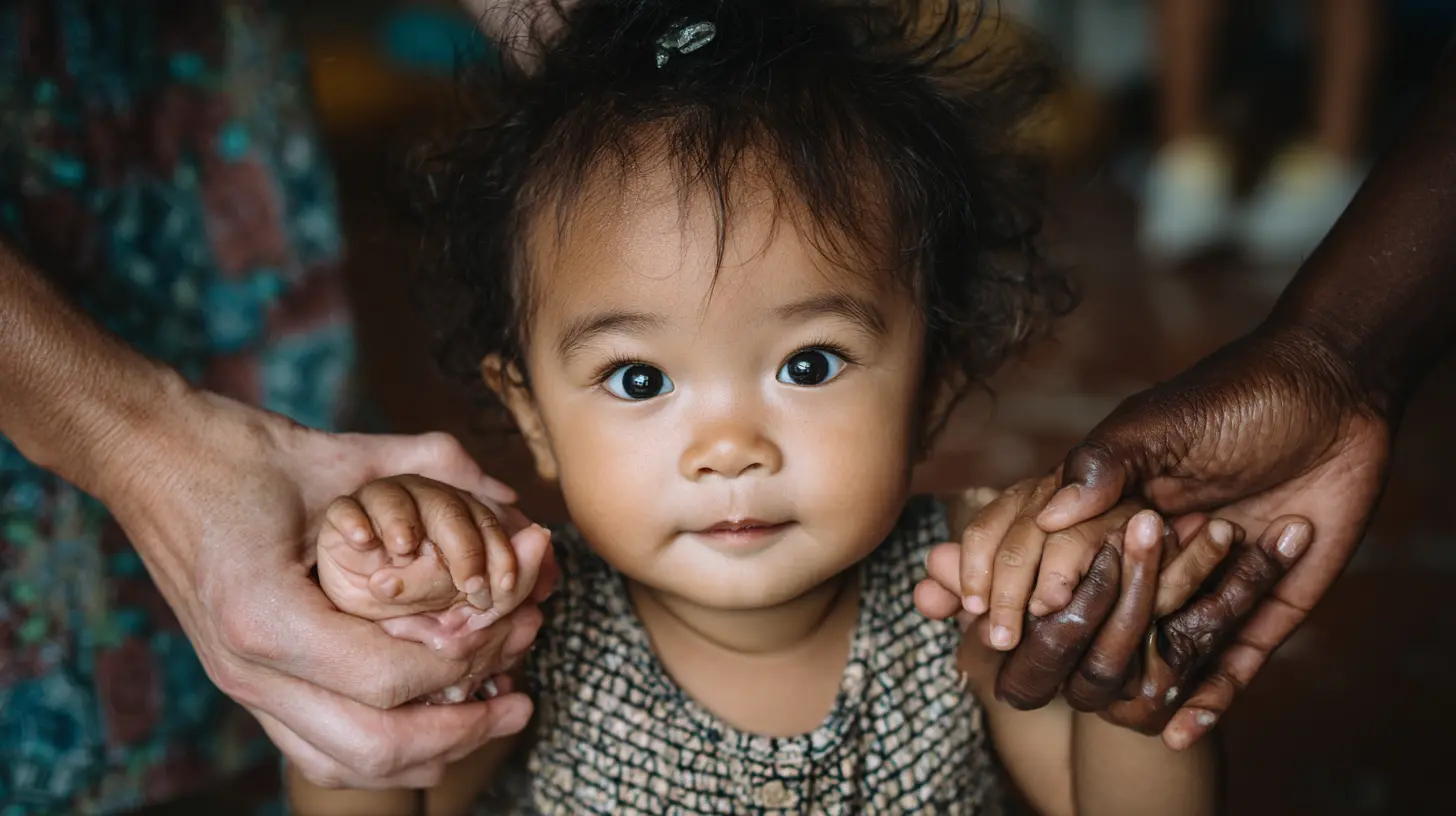
1. Start With Open Conversations
Communication is your best friend here. If you're raising your kids with a partner from a different cultural background, sit down and talk—early and often—about how each of you was raised. What values were emphasized? What parenting methods were used? What do you want to carry forward and what would you do differently?Same thing goes for in-laws or extended family members who might be heavily involved in child-rearing. (Yes, even if it means having that awkward conversation with your mom who thinks holding a baby too much will "spoil" them.)
Here are a few conversation starters:
- “How do you think children learn best?”
- “What does being a ‘good parent’ mean to you?”
- “Are there any traditions you’d like to pass down?”
These dialogues create mutual respect and make it easier to explain why attachment parenting matters to you.
2. Find the Cultural Gold
Here’s the thing—most cultures already have elements of attachment parenting baked right in. You just maybe never called it that.Many African, Asian, and Indigenous cultures traditionally practice:
- Babywearing with slings or cloth wraps
- Extended breastfeeding
- Co-sleeping
- Constant physical closeness
So before reinventing the wheel, dig into your own roots or your partner’s. You might find your ancestors were attachment parents before it was “cool”!
When you highlight the similarities instead of the differences, you're not just being culturally respectful—you’re building a parenting style rooted in authenticity and connection.
3. Adapt the Principles—Don’t Force Them
This is key. Attachment parenting isn’t a rulebook. Think of it as a toolkit. Not every tool will be right for every situation.Take co-sleeping, for example. That's a big part of attachment parenting. But what if you live in a small apartment with multiple generations under one roof? Or in a culture where sleeping with your child is frowned upon past a certain age?
You can still practice closeness through:
- A bedside bassinet
- Frequent cuddles during the day
- Babywearing
- Responsive nighttime parenting
The point is to meet your child’s needs for closeness and security in a way that works within your family's life.
4. Handle Judgments with Compassion and Confidence
Let’s just say it: not everyone’s going to agree with your parenting choices.You’ll hear:
- “You're spoiling that baby!”
- “They should be sleeping alone by now!”
- “Back in my day, we let them cry it out.”
Yep. Been there, heard all that. But remember, most of these comments come from a place of love, tradition, or just fear of the unknown.
So how do you respond?
Gently educate without being preachy. Try something like: “We’re trying a nurturing approach that builds strong emotional bonds. It’s working well for us so far!” Keep it simple and confident.
Sometimes your greatest parenting strength is knowing when to stand firm—and when to let grandma spoil them a little.
5. Create Unique Family Traditions
One of the perks of a multicultural household? You get to pick the best of both worlds—and create something entirely your own.Use attachment parenting as the foundation, and then layer your family’s cultural traditions on top. Think:
- Bedtime lullabies in both languages
- Wearing traditional fabrics while babywearing
- Celebrating milestones with customs from both sides
- Telling stories from different heritages at storytime
Not only will your child feel deeply connected to you, but they’ll also grow up proud of their rich heritage. And that creates an even deeper emotional bond.
6. Mind the Language Barrier (Even Emotional Ones)
Language is more than words. It’s how we communicate love, comfort, and discipline. In multicultural homes, where multiple languages might be spoken, it’s important to make sure your child feels emotionally understood—no matter the spoken words.Attachment parenting is all about tuning in to unspoken cues: body language, tone, facial expression. Even if Grandma doesn’t speak fluent English, a gentle hug and kind eyes translate across any language.
Still, it can help to learn comforting phrases in different languages. That way, your child feels secure no matter who’s caring for them or what language they hear.
7. Teach Respect Without Fear
Different cultures have different views on discipline. Some are more authoritarian, emphasizing obedience and respect. Others lean into gentle parenting.With attachment parenting, the goal is to guide—not punish. But this can sometimes clash with cultural expectations that equate discipline with strictness.
This doesn’t mean you throw out your values. Instead, model respectful discipline through:
- Empathy-driven conversations
- Setting clear but loving boundaries
- Using logical consequences instead of punishments
Explain to your relatives that this approach isn’t about letting kids run wild—it’s about helping them internalize self-control, not just fear-based obedience.
8. Model Inclusivity and Emotional Intelligence
Kids are like little sponges, soaking up everything you say and do. If you want to raise emotionally intelligent children who embrace diversity—you’ve got to live it.Talk about feelings openly. Accept all emotions, even the messy ones.
Celebrate all aspects of your family’s heritage. Speak respectfully about traditions that are different from your own. Expose your child to books, toys, and friends that reflect diverse cultures and values.
Attachment parenting in a multicultural home isn’t just about raising a secure child. It’s about nurturing a global citizen who leads with empathy.
9. Find or Build Your Village
Parenting is hard. Doing it in a way that might not align with your community’s norms makes it tougher. That’s why finding (or building) your tribe is so important.Seek out parenting groups—online or local—that support attachment parenting. Bonus points if they also embrace diversity.
You’d be surprised how many other parents are in the same boat. Mixed families, immigrant families, bilingual families—we’re out here, just waiting to connect and cheer each other on.
10. Give Yourself Grace
Let’s end with something real: you're going to mess up. We all do.You’ll snap when you're tired. You’ll second-guess decisions. You’ll feel pulled between cultures, relatives, and parenting theories.
And that’s okay.
Attachment parenting is about connection, not perfection. The heart of it is showing up intentionally and lovingly—even when it’s hard.
So if you’re doing your best to raise kind, connected kids while juggling cultural expectations and family dynamics? You’re doing an amazing job.
Really.
Final Thoughts
Practicing attachment parenting in multicultural and diverse households isn’t just possible—it’s beautiful. It allows you to raise emotionally secure children who are not only grounded in love but also rich in cultural wisdom.By blending traditions, tweaking practices to fit your lifestyle, and always leading with empathy, you create a family life that’s uniquely yours—and incredibly powerful.
Just remember: there’s no “right” way to do this. There’s only the way that works for your family. And that’s what makes it magical.
all images in this post were generated using AI tools
Category:
Attachment ParentingAuthor:

Liam Huffman
Discussion
rate this article
2 comments
Xavier Ramirez
Embracing attachment parenting in a multicultural home is a beautiful journey. It fosters connection and understanding, blending unique traditions while nurturing strong bonds. Celebrate the richness of diversity and create a safe space for your children to explore their identities. Together, you can build a loving and resilient family.
May 4, 2026 at 3:14 PM
Liam Huffman
Thank you for capturing the essence of attachment parenting in diverse homes. It truly enriches our family's journey and strengthens our connections. Celebrating our unique backgrounds makes it even more rewarding.
Phaedron Foster
This article opens up a fascinating discussion! How can different cultural backgrounds enhance the principles of attachment parenting in our homes?
May 3, 2026 at 3:19 AM
Liam Huffman
I'm glad you found it engaging! Different cultural backgrounds can bring unique perspectives and practices to attachment parenting, enriching the experience for both parents and children. Embracing these differences can foster deeper connections and understanding within families.