How to Prevent Poisoning at Home: Childproofing Your Medicine Cabinet
9 April 2026
Ever stepped into the kitchen and realized your toddler can now reach the counter? It's shocking how quickly those tiny humans grow — and suddenly, everything within their reach becomes a potential hazard. One of the most overlooked dangers in many homes? The medicine cabinet. Yep, that seemingly innocent shelf can turn into a danger zone if not properly childproofed.
Keeping our kiddos safe is a full-time job, and let’s face it, none of us want our child’s curiosity to lead them somewhere harmful. So let’s talk about how to keep those little hands away from big trouble — by locking down your medicine cabinet and preventing accidental poisoning at home.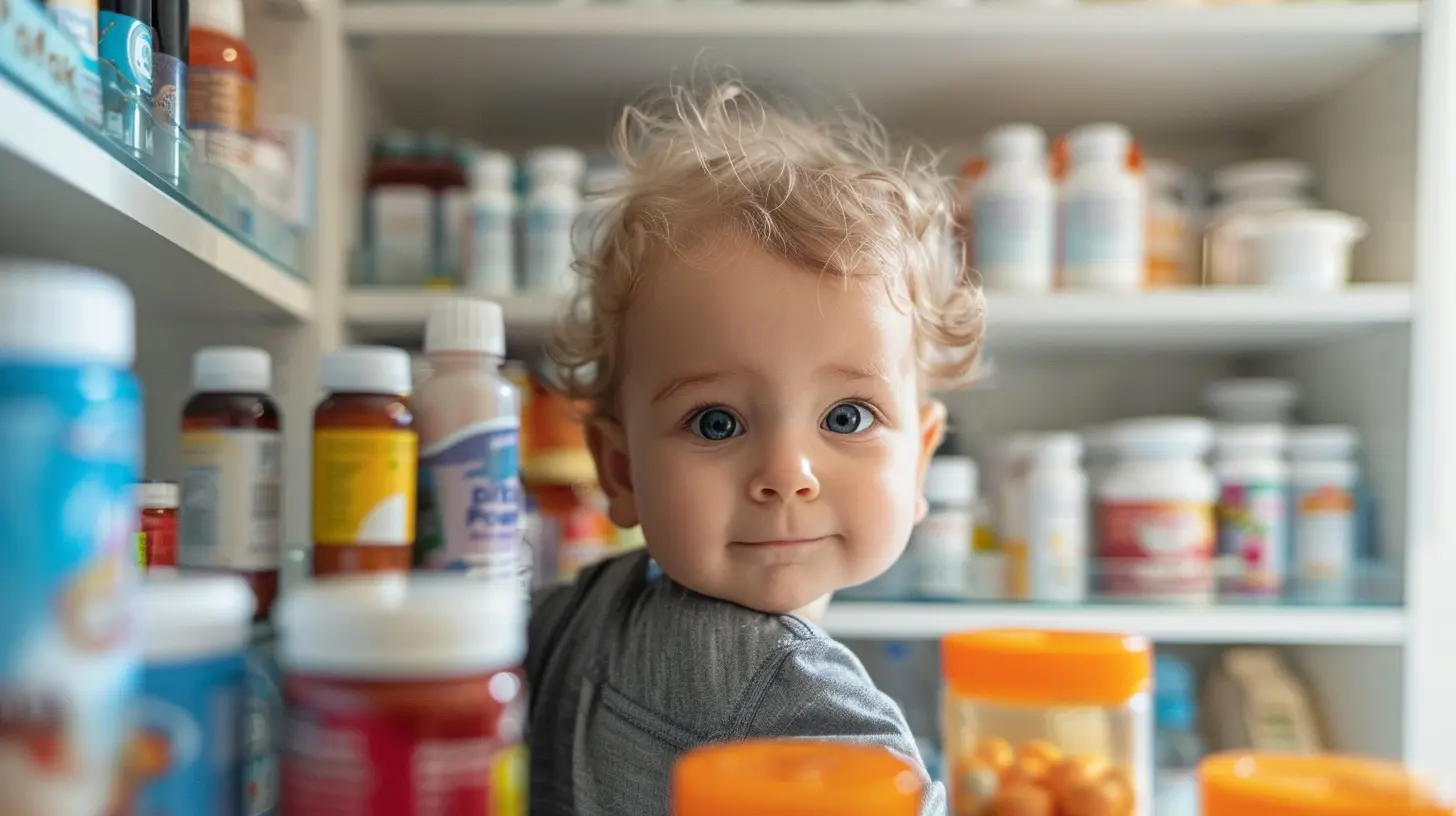
Why Medicine Cabinets Are Risky for Kids
Let’s be real: to kids, medicine doesn’t look dangerous. It often resembles candy — bright colors, sweet smells, and sometimes even chewable or gummy forms. To a curious toddler, that’s basically an open invitation to snack.And it’s not just prescription meds. Over-the-counter pills, vitamins, herbal supplements — they all carry potential risks when ingested improperly. Children's bodies are much more sensitive, making even small amounts of certain substances dangerous or even fatal.
Real Talk: This Can Happen to Anyone
It’s easy to think, “Not in my house,” but the reality is that accidental poisoning sends tens of thousands of kids to the emergency room every year. Most of the time, the substances come from their own home — not from somewhere sketchy.So, let's dive into some game-changing steps to make sure your medicine cabinet is 100% kid-proof.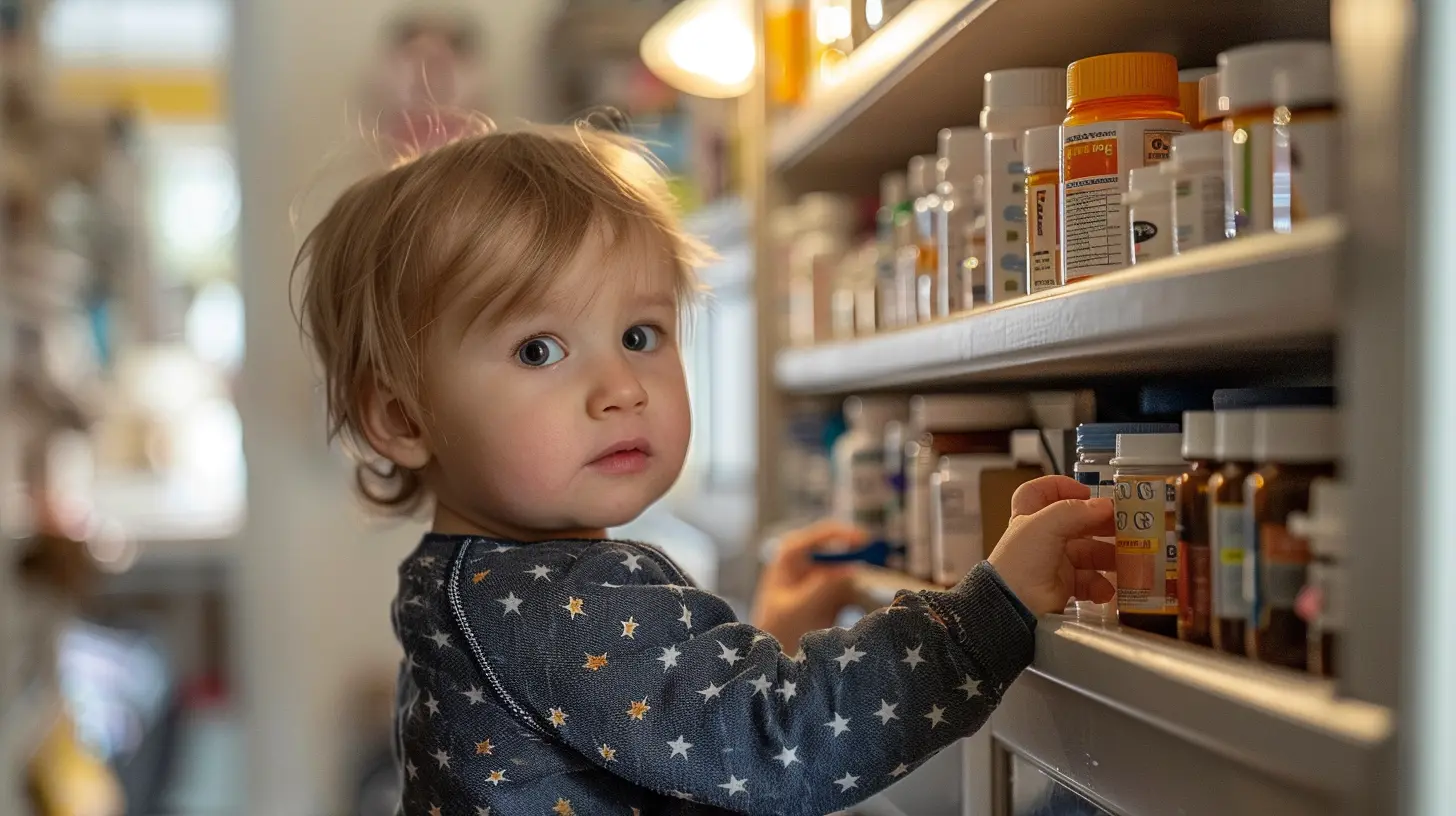
Step 1: Rethink Where You Store Your Medications
Out of sight, out of mind, right? But more importantly — out of reach.Choose a High, Locked Cabinet
The medicine cabinet doesn’t necessarily have to be in the bathroom. In fact, many bathrooms are too easy for kids to access. Instead, consider:- A high kitchen cupboard
- A lockable cabinet in the hallway
- A wall-mounted medicine box with a key
The goal here is simple: Store medicine where your child cannot see or reach it, even with climbing or a step stool. Yes — kids are that determined.
Think like a little one. If they’ve seen you reach for something once, they’ll remember and try to mimic it. So, keep your location a secret ninja-style stashing spot.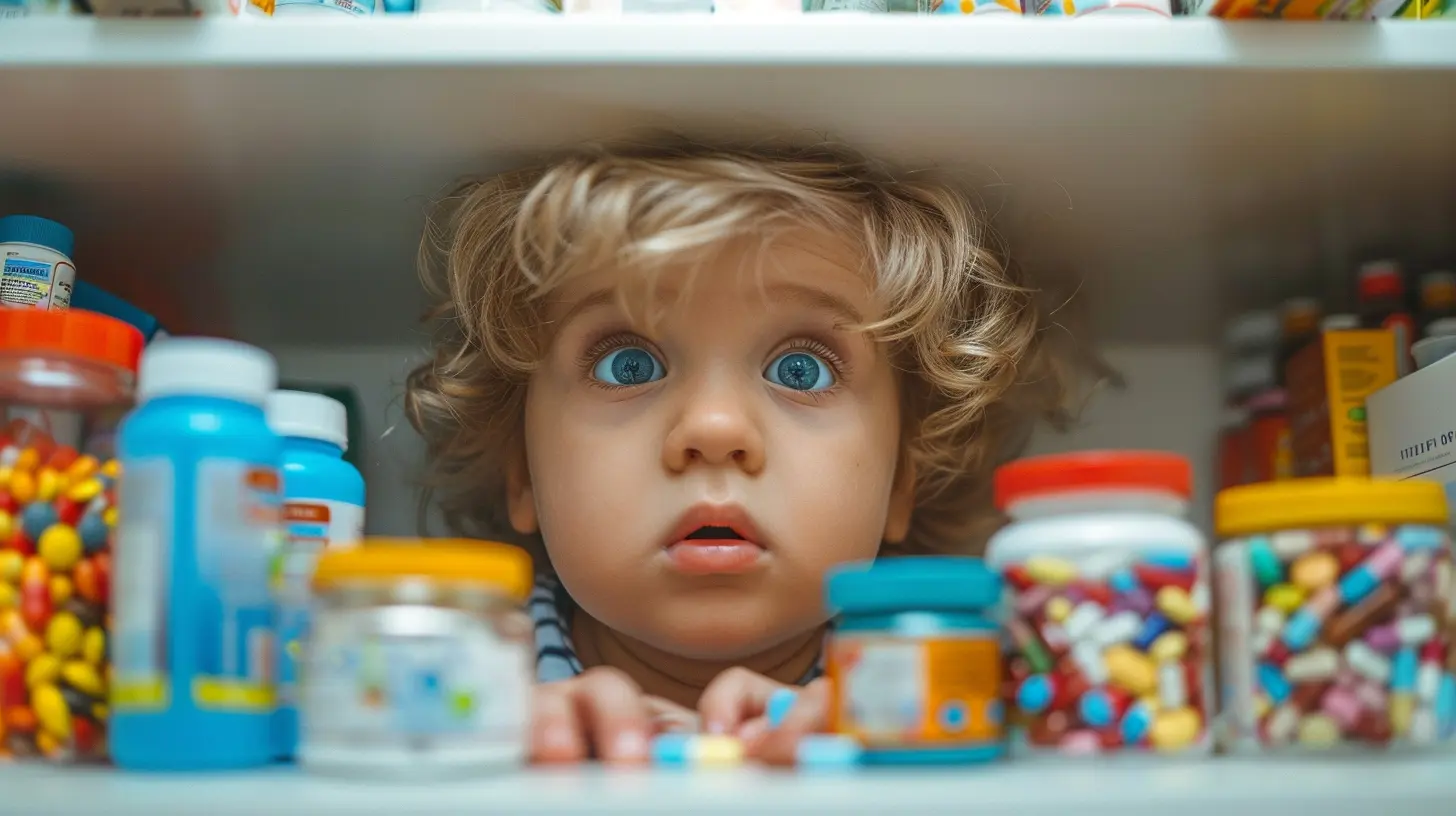
Step 2: Invest in Childproof Locks and Containers
Even if your medications are already stored out of reach, it never hurts to double up on safety.Use Child-Resistant Packaging
Most medications already come in child-resistant bottles. That’s great — but don’t depend on them alone. Kids are smarter and more persistent than we sometimes give them credit for. Just think of how fast they learn to unlock your phone!Add Cabinet Locks
Install child safety locks or magnet-based latches on medicine cabinets to add an extra layer of protection. It’s a small effort that pays off big time in peace of mind.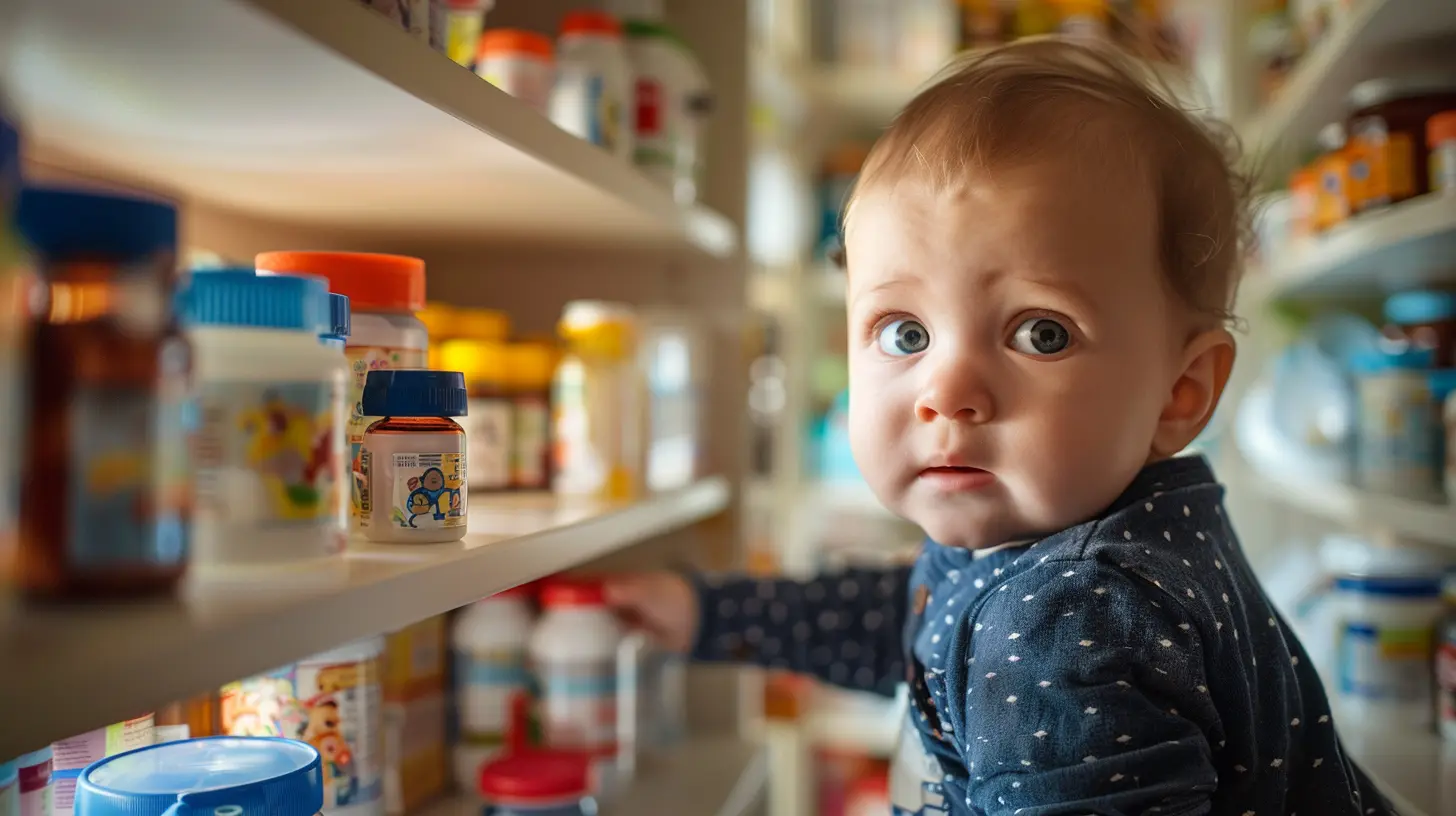
Step 3: Keep Track of All Medications
We’ve all been there — finding random pills in a bag, jacket pocket, or purse. Maybe it's a loose ibuprofen or an old prescription we forgot about.Now imagine your toddler finds it first.
Create an Inventory
Keep a simple list of all the medications in your home. Include:- What the medication is
- Where it’s stored
- Expiry dates
This makes it easier to monitor what's safe, what's expired, and what may be floating around unaccounted for.
Dispose of Expired or Unused Medications
Expired meds not only lose potency but can also become toxic. So, if you're hanging on to old prescriptions "just in case," it's time to let them go.Most pharmacies have take-back programs or drop-off bins. Avoid flushing meds unless the label specifically says it’s safe — we don’t want to pollute the water!
Step 4: Educate the Whole Household
Childproofing doesn’t stop with you. Everyone in the house needs to be on the same page.Remind Visitors and Family Members
Grandparents, babysitters, older siblings — they all need to know the rules. Have that awkward chat if you have to:"Please keep your meds zipped up and out of reach. Thanks!"
It's not about overreacting. It's about preventing a scary trip to the ER.
Model Safe Behavior
Kids watch everything we do. (And I do mean everything.) Be mindful when taking medication — don’t do it in front of them, and never refer to medicine as “candy” or a “treat.”It might sound silly in the moment, but labeling medicine as something positive or tasty can confuse a curious child.
Step 5: Recognize the Subtle Hazards Too
It's not just pill bottles that are dangerous. A lot of everyday things we wouldn’t even think twice about can be harmful.Vitamin Gummies and Supplements
They look like candy because they're meant to be easier for us to take. But for a child who doesn't know the difference, the danger is real.Ensure these are stored just like prescription medications — locked up, high up, and out of sight.
Essential Oils, Herbal Remedies, and Topical Medications
These might seem “natural,” but that doesn’t mean they’re safe when ingested. In concentrated form, even essential oils can be toxic to kids.Step 6: Turn It Into a Routine Check
Childproofing isn’t a one-and-done job — toddlers become teens in a blink, and their ability to access things changes fast.Make a monthly “safety sweep” part of your routine. Use it to:
- Re-check cabinet locks
- Make sure no meds are left out or forgotten
- Monitor your child’s newfound skills (like climbing... or opening drawers)
Trust us, staying one step ahead will save you a million gray hairs.
Step 7: Be Prepared for Emergencies
Even with the best safety measures, accidents can happen. So it’s better to be ready than to panic.Save the Poison Control Number
Program 1-800-222-1222 into your phone and post it somewhere visible, like your fridge or cabinet door.Keep Basic Info Handy
In an emergency, seconds matter. Keep a simple emergency sheet that includes:- Your child’s weight and age
- Any allergies or medical conditions
- Medications they’re currently taking
- Your doctor’s phone number
Final Thoughts: Safety Isn’t About Fear — It’s About Freedom
Childproofing your home, especially your medicine cabinet, isn’t about hovering like a helicopter. It’s about giving your child the freedom to explore safely, without unintentional risks waiting around the corner.Think of it as setting up bumpers in the bowling lane — your child still gets to roll, but with a lot less chance of ending up in the gutter.
Start small, and take it one cabinet at a time. You don’t have to overhaul everything in one day — safety is a journey, not a sprint.
Because at the end of the day, keeping our little ones safe is just another way we show them love.
all images in this post were generated using AI tools
Category:
Child SafetyAuthor:

Liam Huffman
Discussion
rate this article
2 comments
Tiffany Strickland
Preventing poisoning is serious business, but let’s be real: hiding the vitamins from the kids can feel like a high-stakes game of hide-and-seek! Just remember, if your child can reach it, they probably think it’s candy. Time to childproof and outsmart the little explorers!
April 14, 2026 at 3:12 PM
Liam Huffman
You hit the nail on the head! Keeping those "candy" vitamins out of reach is crucial. Childproofing is key to staying one step ahead of those curious little minds.
Clara McKeehan
Thank you for this essential guide! It's so important to keep our little ones safe. Simple steps like these can make a big difference. Here's to a safer home for our families!
April 10, 2026 at 3:15 AM
Liam Huffman
Thank you for your kind words! I'm glad you found the guide helpful—every small step truly counts in keeping our children safe.