How to Safeguard Your Child from Common Household Hazards
8 July 2026
Parenting isn’t just about sleepless nights and negotiating with tiny dictators over broccoli. It’s also about keeping these unpredictable, sticky-fingered little humans safe—especially inside your home, where danger lurks behind every drawer and under every sink. Yes, your home might feel like a cozy sanctuary, but to a curious toddler, it’s basically Disneyland meets Survivor.
So, buckle up, Mama (or Papa), because we’re about to dive into the ultimate guide on how to safeguard your child from common household hazards. It's time to childproof like a boss.
The Real Deal with Household Hazards
Let’s get one thing straight: kids are wild. They’ll taste-test anything, scale furniture like Spider-Man, and reach places you swore were out of bounds. And because their “danger radar” is nonexistent, it’s on us to stay ten steps ahead.Childproofing isn’t just sticking foam corners on the coffee table and calling it a day. It’s a full-blown lifestyle. But don’t worry, I’ve got you covered with the real talk and real solutions—no sugarcoating, no fluff.
1. Kitchen: The Danger Den
Let’s start with the kitchen, aka the danger den. The place where sharp knives, hot surfaces, and toxic cleaners live.? Knives & Sharp Objects
Your kid doesn’t know the difference between a spatula and a cleaver. Lock it up. Seriously, use drawer locks and keep anything sharp out of reach. Magnetic knife strips? Great for adults. Not-so-great for toddlers who climb counters like it’s Mt. Everest.? Hot Surfaces
Keep pot handles turned in, stovetop knobs covered, and hot drinks far, far away from tiny hands. Wanna avoid third-degree burns? Then don’t leave that cup of coffee at the edge of the counter. Trust me, toddlers move like ninjas.? Cleaning Products
Colorful bottles of toxic goodness? Yeah, they look like fun to your kid. Store them high up or in locked cabinets. Better yet, switch to non-toxic cleaners. Vinegar and baking soda might not smell like flowers, but they won’t send you to the ER, either.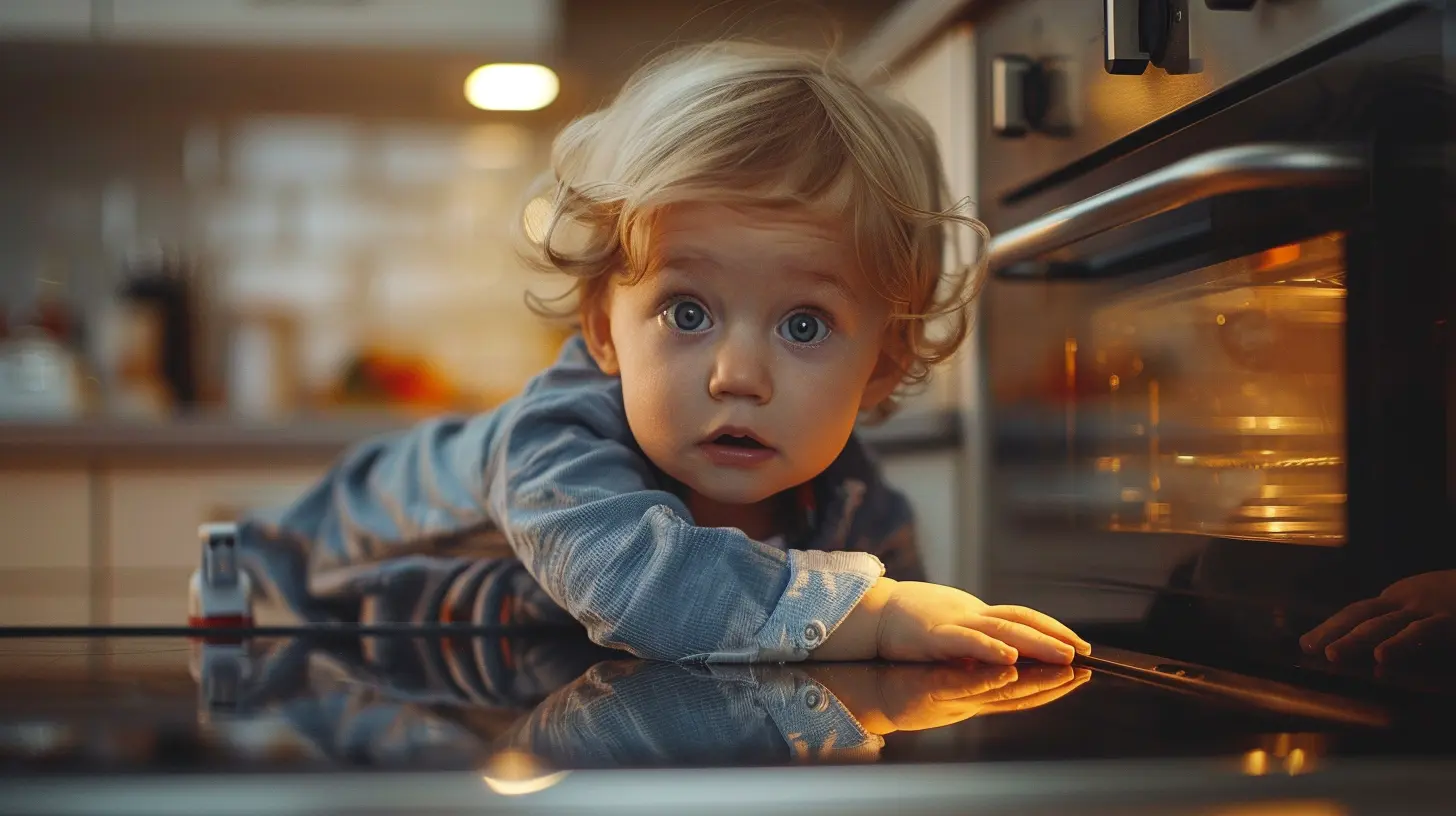
2. The Living Room: Cozy but Risky
It’s where you hang out, but it’s still full of landmines. Let’s talk about the sneaky hazards.? Choking Hazards
Tiny toys from older siblings, decorative stones, coins—these are all potential choke-fests. Get down on the floor (yes, like literally lie down) and scan for anything smaller than a ping-pong ball. If it fits through a toilet paper roll, it’s a no-go.? Fireplaces & Electronics
Fireplaces look magical and cozy, right? To your kid, they're a lava pit worth exploring. Install a sturdy gate around it and make sure remotes, batteries, and charging cords are out of reach. Swallowed batteries can burn holes in the esophagus. That’s not just scary—it’s life-threatening.?️ Furniture Tipping
TVs and dressers have no business falling on a child. Anchor them. Always. It’s a quick fix that could literally save a life. Tip-overs are a silent killer, and they happen faster than you can say “No! Don’t climb that!”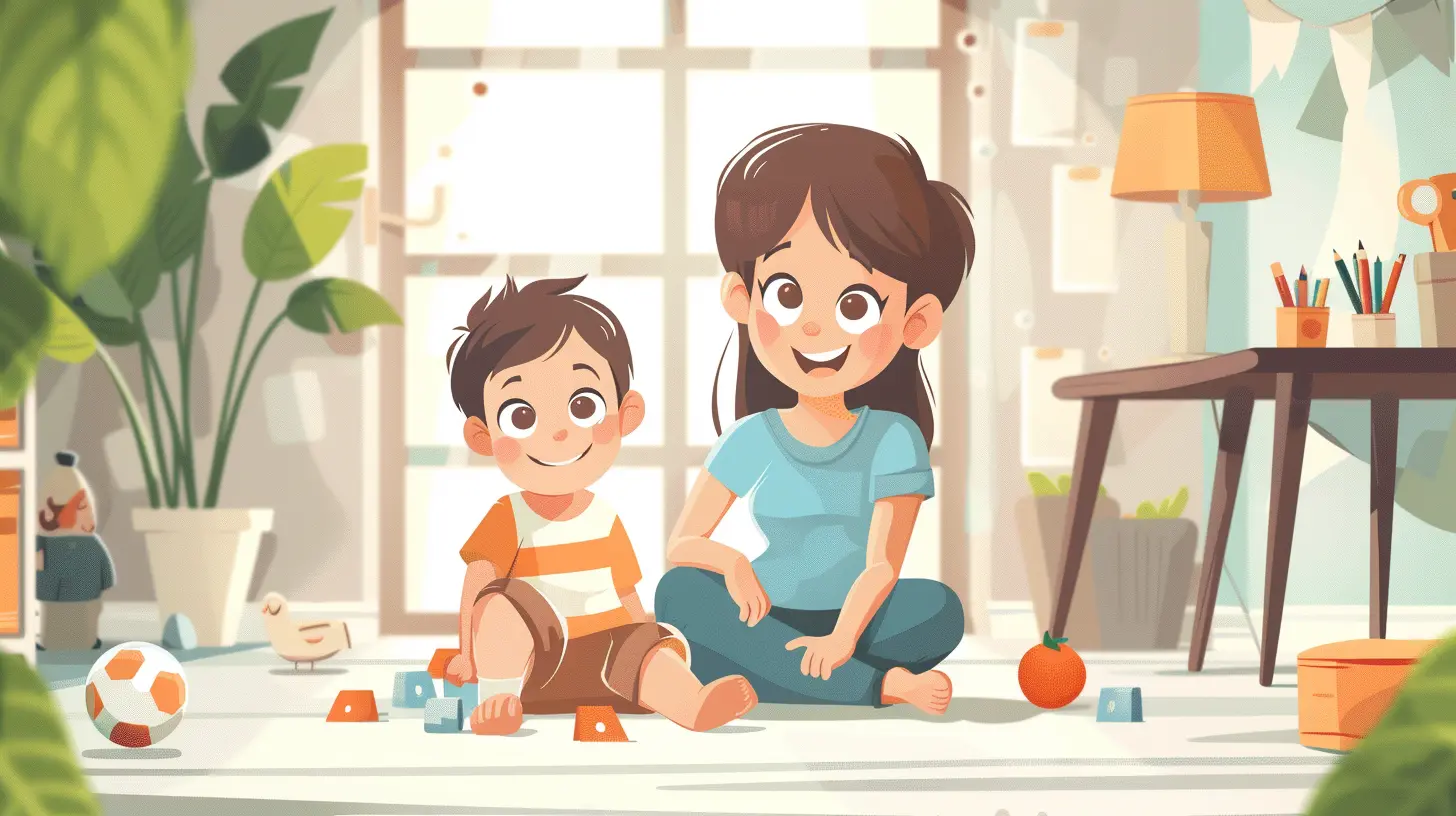
3. Bathroom: Miniature Slip-and-Slide plus Danger
Bathrooms are basically a mix of wet floors and chemicals—aka not kid-friendly. Here’s how to childproof it like a pro.? Medicines & Toiletries
Your kid doesn’t know the difference between gummy vitamins and Skittles. Lock up all meds and ANY product they can accidentally ingest—think toothpaste, mouthwash, even lotion. And for the love of parenting, no loose pills lying around!? Slippery When Wet
Install non-slip mats in showers and tubs. Keep the floor dry and teach your child that bath time isn’t the Olympics. No running, no diving. It’s not a pool.?️ Water Temperature
Little ones can’t gauge temperature like adults can. Reduce the risk of scalds by setting your water heater to 120°F (49°C). Anything hotter is basically boiling for delicate skin.4. Bedroom: The Illusion of Safety
You’d think the bedroom is harmless. Wrong. Here’s the tea:?️ Cribs & Beds
Crib slats should be no more than 2 3/8 inches apart—basically, if a soda can fits through, it's unsafe. Once your kid starts climbing out, it's time to transition to a toddler bed. Beds should be low to the ground with guardrails to prevent tumble-offs.? Cords & Blinds
Cords are like toys to kids—but they’re strangulation hazards. Go cordless or use cord winders. Same with monitor wires and lamp cords. If it dangles, it’s a danger.? Nightstands & Lamps
Keep heavy lamps and glass items off nightstands. Kids knock stuff over in their sleep, during play, or when they wake up in a panic because their teddy fell on the floor.5. Staircases & Hallways: The Not-So-Great Escape Routes
Stairs are a toddler’s worst enemy. They fall, they trip, and they try sliding down like it’s a playground.? Gates Aren’t Optional
Install baby gates at the top AND bottom of all staircases. Use hardware-mounted ones at the top for stability. Pressure-mounted gates can be knocked over by a determined sibling or a hyper pet.? Lighting & Rugs
Dark hallways? Trips waiting to happen. Nightlights are your BFF. Also, secure rugs with non-slip pads or ditch them altogether. A poorly placed rug is basically a banana peel in disguise.6. Laundry Room: The Underrated Danger Zone
Out of sight, out of mind? Not for a toddler with radar vision and a talent for sneaking around.? Detergent Pods = Poison Candy
Laundry pods look like candy. Store detergents high up in a LOCKED cabinet. It's a must. Trust me, you do not want a “my kid ate a Tide pod” emergency room visit.? Washer & Dryer
Kids love hide-and-seek. That front-loading washer might just be their new hideout. Keep doors closed and locked, and always check before hitting start.7. Garage & Outdoor Areas
Even if they're not always accessible, kids find their way. Keep it safer out there, too.? Tools & Chemicals
Just assume every garage tool is a murder weapon in tiny hands. Lock up all tools, gasoline, pesticides, and anything labeled “toxic.” Use high shelves and safety cabinets.? Pools, Ponds & Kiddie Pools
Any water deeper than a bottle cap is a drowning risk. Install fences with self-latching gates. Always drain kiddie pools and never leave your kid unattended around water. Not even for a second.The Power of Supervision
Yes, you can childproof every square inch of your home, but nothing replaces good ol’ fashion supervision. Think of it like being a lifeguard on duty—you have to watch them like a hawk with caffeine. Multitask later; for now, just keep your eyes on the chaos machine.Creating a Safe-But-Not-Boring Home
Parenting isn’t about turning your house into a prison with locks, gates, and foam everywhere. It's about balance. Let them explore, learn boundaries, and grow up safe—not bubble-wrapped.So go ahead, get on their level, scan the environment with your “mom goggles” or “dad radar,” and start securing your home like the protective superhero you are.
Final Tips That Pack a Punch
- Update constantly: As your child grows, so do the hazards. Stay ahead.- Teach safety early: Kids understand a lot more than we give them credit for.
- CPR and first aid: Learn it. Knowing it won’t make you paranoid—it makes you prepared.
- Emergency numbers posted: Old school but still essential. Not just in your phone—on the fridge, on the wall, everywhere.
Wrapping It Up Like a Boss
Keeping your child safe at home isn’t about paranoia—it’s about being proactive. You don’t need a bubble or a helicopter (unless that’s your parenting vibe). You just need awareness, a solid plan, and maybe a few extra outlet covers.So take a deep breath, grab a checklist, and start transforming your home into a kid-safe haven. Because when it comes to your child’s safety, “better safe than sorry” is more than just a saying—it’s your parenting mantra.
all images in this post were generated using AI tools
Category:
Child SafetyAuthor:

Liam Huffman