How to Talk to Your Child About Personal Space and Boundaries
8 June 2026
As parents, we find ourselves giving lessons on everything from tying shoes to making friends. But there's one crucial lesson that often gets overlooked—teaching our kids about personal space and boundaries. It might feel like a big, awkward topic, especially when our kids are still running around in superhero capes and mismatched socks. But here’s the thing: understanding boundaries is just as essential as learning the ABCs.
So, how do you bring this up without making it weird or overwhelming? Well, that’s what we’re here to chat about.
Grab a coffee (or a cold cup you forgot about two hours ago—we’ve all been there), and let’s dive into how to talk to your child about personal space and boundaries in a way that actually makes sense to them.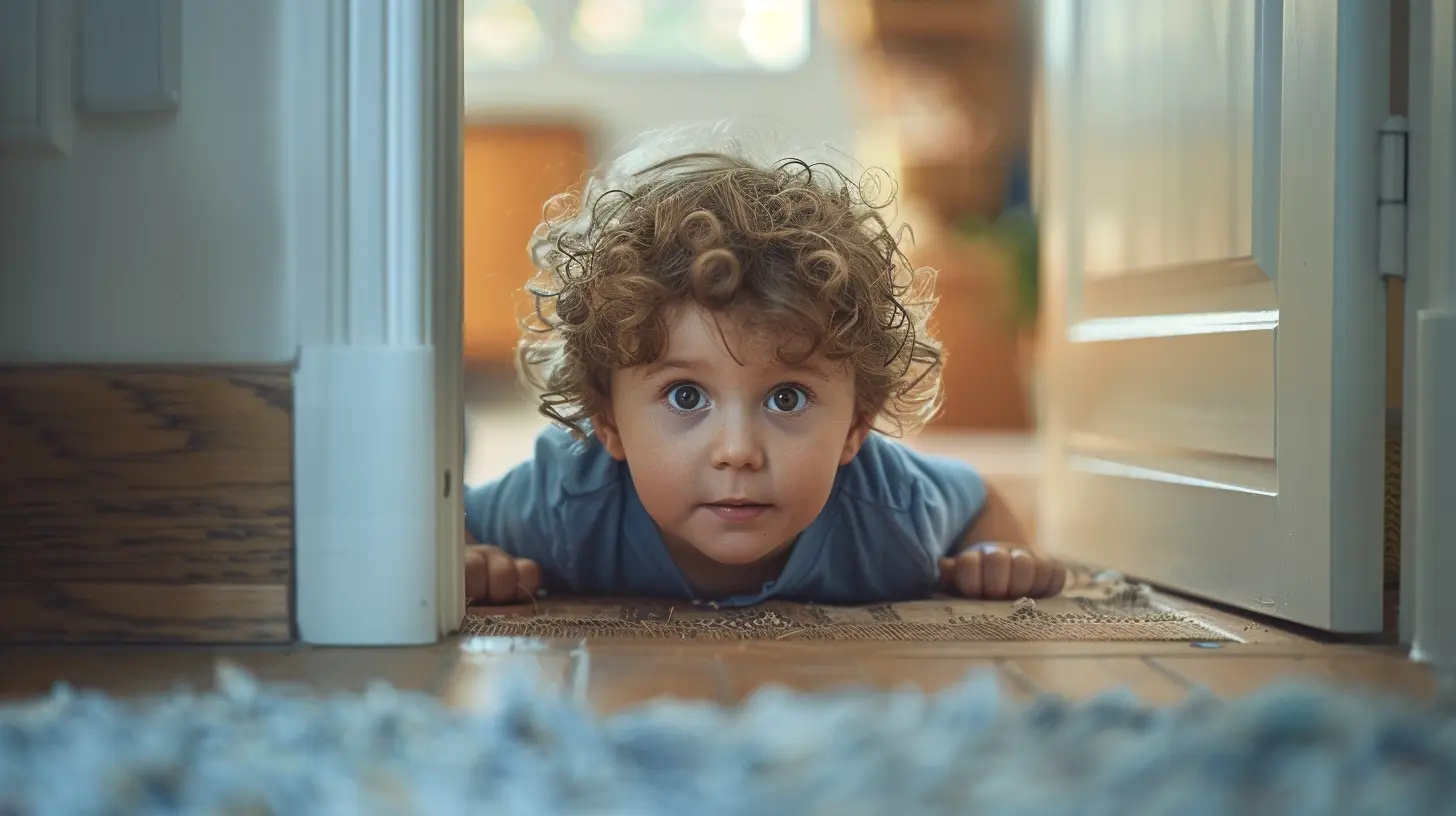
Why Teaching Boundaries Early Matters
Imagine sending your child into the world—whether it’s a playground or preschool—and they don’t understand what’s okay and what’s not. That can lead to lots of confusion, awkward situations, or even unsafe ones. Teaching personal space early is like giving your child a map to navigate the world more confidently and respectfully.It's not just about physical space either. Emotional boundaries—like saying “no” when they feel uncomfortable or knowing when they're not being treated kindly—are just as important.
Let’s be honest, kids aren’t born knowing these things. They need guidance, examples, and a safe space to ask questions (yes, even the weird ones).
Start Simple: What Is Personal Space?
Think of personal space like an invisible bubble around each person. Everyone’s bubble is a little different. Some kids like hugs all day long; others don’t want anyone touching their arm without permission. And that’s totally okay.Explain it like this: "Imagine you’re a superhero, and you have a special force field around you. Only people you trust and feel comfy with are allowed inside it—and only if you say it’s okay."
The key here is to keep the language light and age-appropriate. Toddlers might not understand “bodily autonomy,” but they’ll totally get the idea of their own superhero bubble.
Use Everyday Moments to Teach
You don’t need to schedule a sit-down TED Talk with your five-year-old. Kids learn best through everyday interactions. So instead of overcomplicating it, look for natural teaching cues.Here are a few examples:
- During playdates: "Hey bud, did your friend look a little uncomfortable when you hugged them? Maybe next time, ask if they want a hug first."
- Bedtime cuddles: "I love snuggling with you. But if you ever don’t feel like cuddling—even with me—that’s okay. You can always say no."
- In the grocery store: "See how we’re standing behind someone in line and not bumping into them? That’s giving them their personal space."
By weaving the message into real-life moments, it sticks better. Plus, it feels natural instead of lecture-y.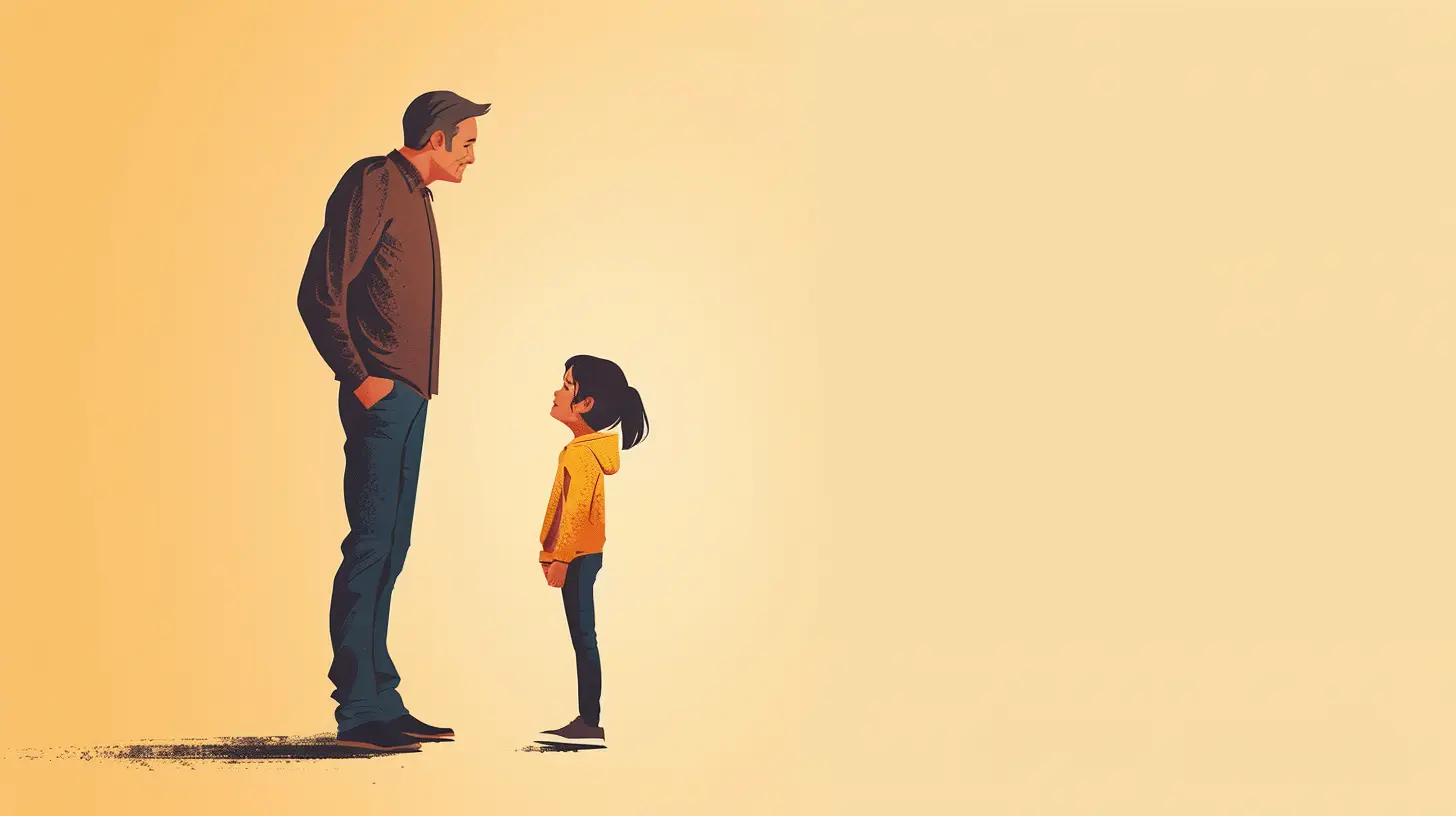
Teach Through Play and Stories
Let’s face it—kids have short attention spans. Telling them about boundaries in a boring voice will fly right out of their heads faster than a remote-control drone. But if you make it fun? Game changer!Consider using:
- Role-playing games: Pretend you’re in different scenarios. Practice asking for a high-five, saying “no thank you” to a hug, or telling someone they’re standing too close.
- Books that reinforce the message: There are some awesome children’s books out there that tackle this topic gently and effectively. Think “Personal Space Camp” by Julia Cook or “No Means No!” by Jayneen Sanders.
- Puppet shows: Grab a sock and give it a goofy voice. Puppets are great because kids often feel more open talking through imaginary characters.
Trust me, silliness + repetition = learning gold.
Help Them Understand Their Own Boundaries First
Before kids can respect other people’s boundaries, they have to know how to recognize and assert their own.Let them know that it’s okay to:
- Say “no” to hugs or kisses, even from family.
- Walk away if someone is making them uncomfortable.
- Speak up if they don’t like how they’re being treated.
This might be one of the hardest parts for us as parents. It stings a little when your toddler says “no hugs!” But remember—this is them learning how to stand up for themselves. And that’s a win.
You might say: “You’re the boss of your body. If you don’t feel like being tickled or hugged, that’s your choice. Just like you should ask before tickling someone else.”
You’re not just teaching them autonomy—you’re showing them that you respect their voice.
Model the Behavior You Want to See
Kids are always watching. Like, always. You might think they’re zoned out watching cartoons, but they’re absorbing your every move and conversation.So, if you’re constantly respecting people’s space, they will too. Model things like:
- Asking before entering someone’s room.
- Checking in if someone seems uncomfortable.
- Respecting when someone says, “I need a little space.”
Also, let them hear you say things like:
“I’m feeling overwhelmed, I need a bit of quiet time,” or
“I’m not comfortable being hugged right now, can we do a fist bump instead?”
That’s not selfish—it’s powerful. You’re showing them what healthy boundaries look like in real-time.
Teach Consent in Simple Terms
Consent doesn’t have to be a heavy or scary subject. At its core, it means checking in, listening to the answer, and respecting what the other person wants.For example, teach them:
- Always ask before touching someone.
- Listen if someone says no or stop.
- It’s okay to change your mind—and others can too.
You can explain it like this: “If someone wants to play tag but you don’t, that’s okay. And if you say ‘stop’ and they keep chasing you, that’s not okay.”
Consent isn't just for teenagers. The sooner they grasp it, the more confident and respectful they’ll be in all their relationships.
Set Clear House Rules Around Boundaries
Let’s talk structure for a second.Having clear, consistent rules at home helps reinforce healthy boundaries. Some ideas might include:
- We knock before entering a room.
- We ask before borrowing something.
- We respect when someone says, “I need space.”
Keep it simple and repeat often. Eventually, these rules become second nature. And when your child heads into the wider world (school, sports teams, family gatherings), they’ll carry those habits with them.
Validate Their Feelings
Kids need to know that whatever they’re feeling is valid. If they’re nervous about telling someone to back off, or sad because their friend didn’t want a hug—acknowledge it.You might say:
“It’s okay to feel weird when someone’s in your space. That feeling is your body’s way of telling you something isn’t right.”
When we validate their feelings, we build their emotional intelligence. We show them that setting boundaries isn’t just allowed—it’s healthy.
Tackle Tricky Situations (Yes, Even with Adults)
Let’s be real—sometimes the hardest boundary conversations involve adults. Maybe Grandma insists on a kiss, or Uncle Joe gives those too-tight bear hugs.This. Is. Tricky.
But it’s also a teachable moment. You can gently explain to family members why your child is learning to set boundaries. Most reasonable adults will get it (even if it takes a few awkward moments). And if they don’t? Well, your child still sees you standing up for them—and that matters.
You can say:
“Emma is working on using her voice to say what makes her feel comfortable. She’s not up for hugs right now. Maybe a wave or a high-five instead?”
That one sentence can teach volumes.
When Mistakes Happen (Because They Will)
Let’s not kid ourselves—mistakes are part of the process. Your kid might grab a toy from a friend, or shove someone who’s too close. When it happens (and it will), use it as a teachable moment.Instead of just saying, “Don’t do that,” try:
“Let’s talk about what just happened. How do you think your friend felt when you pushed them? What could you do next time instead?”
The goal isn’t perfection—it’s progress. Every oops is a chance to build empathy and understanding.
Keep the Conversation Going
This isn’t a one-and-done talk. Kids grow, and so do their social situations. What they understand at age 4 will evolve by age 8, then again at 12.So keep the lines of communication open. Be the safe space they come to with questions, fears, or even funny boundary mix-ups (“Mom, David got mad because I said I didn't want to share my gummy bears—is that a boundary?”).
Spoiler: Yes, it is. And it’s a great moment to talk.
Final Thoughts
Talking to your child about personal space and boundaries isn’t just a parenting "bonus." It’s a must. And while it can feel awkward at first, it doesn’t have to be weird.Use simple language. Keep it casual. Make it fun. And most of all—respect your child’s boundaries too.
Because by teaching them how to protect their bubble, you’re giving them lifelong tools for healthy relationships, self-respect, and mutual care.
And hey, that sounds like a pretty good superpower, doesn’t it?
all images in this post were generated using AI tools
Category:
Child SafetyAuthor:

Liam Huffman
Discussion
rate this article
1 comments
Juliet Ellison
Teaching boundaries today shapes their respect for others tomorrow.
June 16, 2026 at 5:04 AM
Liam Huffman
Absolutely! Setting boundaries now helps kids understand and respect others' spaces later in life.