Is It Time to Separate Twins in School? Deciding What’s Best
17 July 2026
Parenting twins is an incredible journey filled with unique joys and challenges. One of the biggest decisions parents face as their twins grow is whether to keep them in the same classroom or separate them in school. It’s a tough call, and there’s no one-size-fits-all answer. Some twins thrive together, while others flourish when given their own space to develop independently.
If you're grappling with this decision, take a deep breath. You’re not alone! Let’s walk through the factors to consider, the pros and cons of each choice, and how you can make the best decision for your little ones. 
Understanding the Twin Bond
Twins share an extraordinary connection. Some communicate in ways only they understand, while others instinctively know what the other is feeling. This bond can be a source of comfort, but it can also present challenges, especially when it comes to schooling.While some twins rely on each other for emotional support, others may feel overshadowed or dependent. Teachers often observe twins who act as a "leader" and a "follower," which may impact their individual growth.
So, should they stay together or have the chance to carve out their own paths? Let’s look at both sides of the argument. 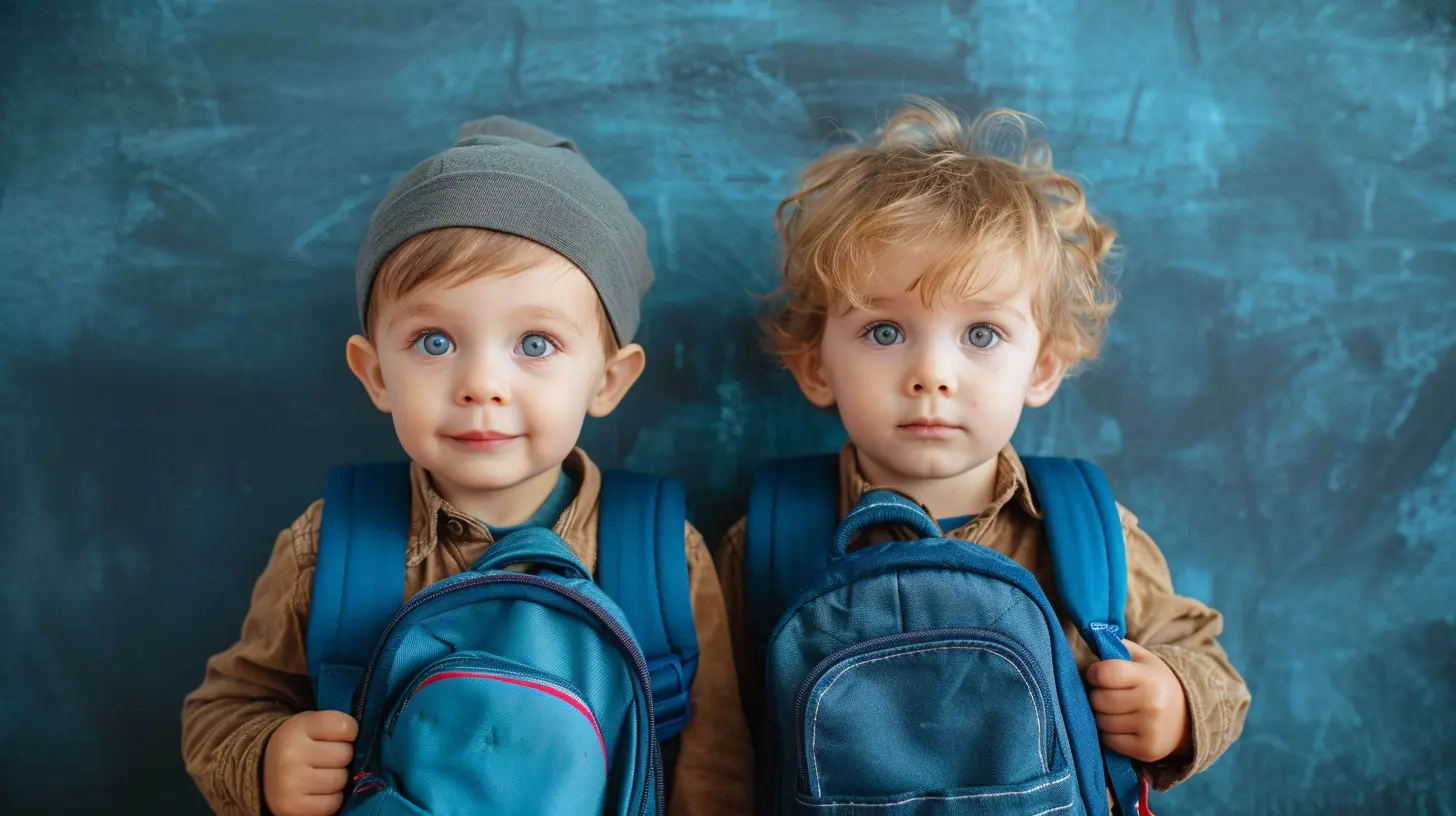
The Advantages of Keeping Twins Together
1. Emotional Security and Comfort
Starting school can be daunting for any child. Having a twin in the same class can provide a built-in support system, reducing anxiety and helping them feel safe in a new environment.2. Stronger Academic Support
Twins who learn together may collaborate academically. They can help each other understand lessons, reinforce concepts, and develop strong teamwork skills that benefit their learning experience.3. Easier Logistics for Parents and Teachers
Coordinating different classrooms, teachers, and schedules can be a logistical nightmare. Having twins in the same class streamlines communication between parents and teachers, making it easier to track their progress.4. Maintaining the Special Twin Bond
Some twins genuinely enjoy being together and function as a team. Separating them too soon could disrupt their natural rhythm and cause unnecessary distress.However, keeping them together isn’t always the best option. Let’s see why some parents choose to enroll their twins in separate classes. 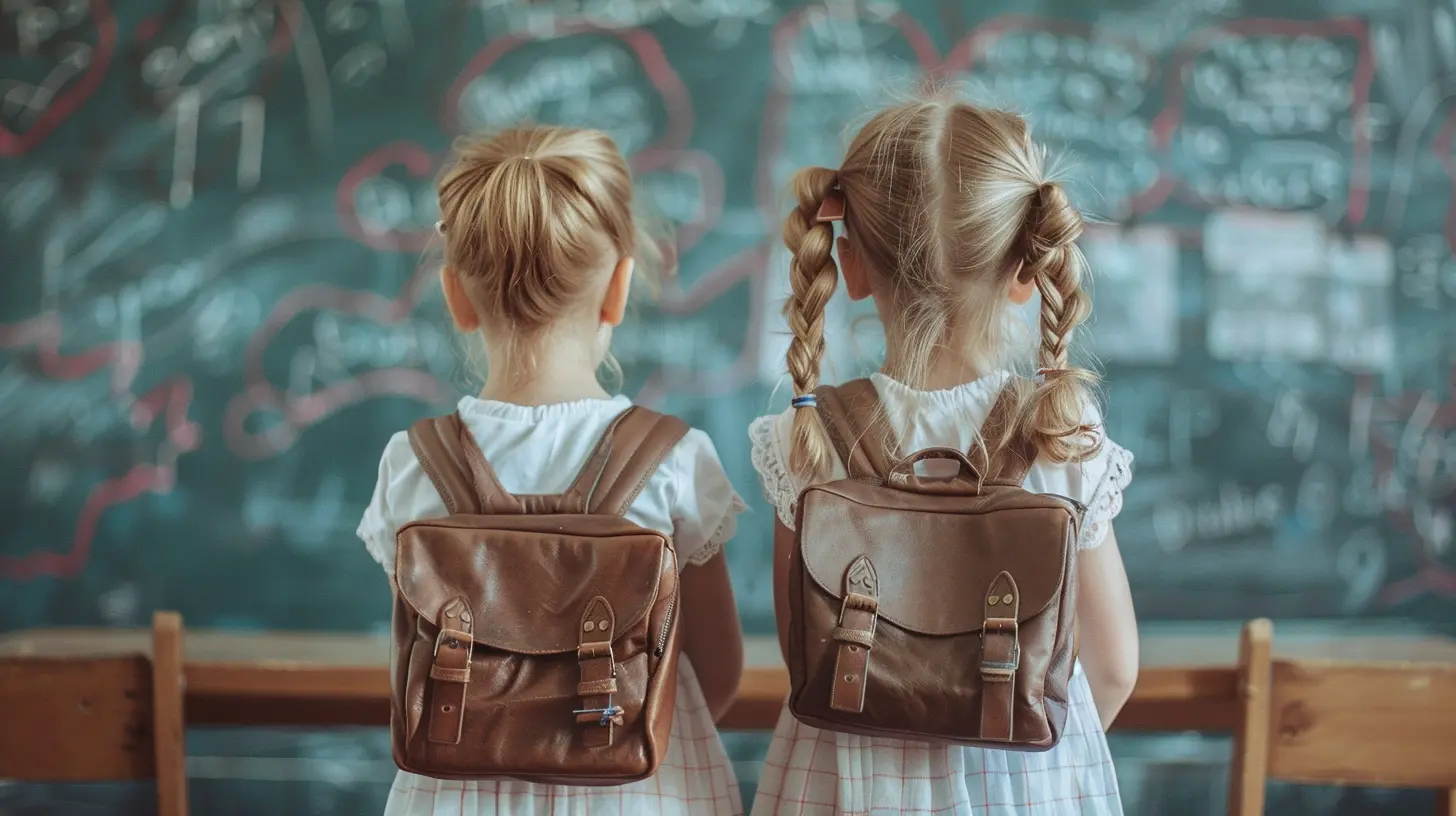
The Benefits of Separating Twins in School
1. Encouraging Individual Identities
Twins, especially identical ones, are often seen as a unit. When they are in separate classrooms, they have the opportunity to develop their own identity, make their own friends, and explore their personal interests without being constantly compared to their sibling.2. Reducing Unhealthy Dependence
If one twin heavily relies on the other for social or academic support, separation can encourage independence. It allows each child to develop confidence in their abilities without automatically leaning on their sibling.3. Minimizing Competition and Comparison
Even the closest twins can experience rivalry. If they’re in the same class, they may constantly compare grades, achievements, or even friendships. Separating them can reduce this pressure and let them focus on their own progress.4. Enhancing Social Skills
Being in different classes forces twins to interact with new peers, improving their social skills. It helps them expand their circle of friends and learn how to function without always having a built-in playmate.
Factors to Consider When Deciding
Every set of twins is different, and there’s no universal rule. The best choice depends on a variety of factors:1. Personality Differences
Are your twins naturally independent, or do they rely on each other for emotional security? Some twins thrive when given separate environments, while others may struggle.2. Academic Strengths and Learning Styles
If one twin is significantly stronger academically, being in the same class could create frustration or competition. Teachers might also compare them unfairly, leading to undue pressure.3. Social Development
Do your twins have separate friends, or do they mostly play together? If they have trouble socializing outside their twin bond, separation could help them build stronger friendships with other classmates.4. School Policies
Some schools have specific policies about placing twins together or apart. It’s worth discussing your concerns with the school principal or teachers to understand your options.5. Your Twins’ Preferences
Have you talked to your children about how they feel? Younger twins might not have a strong opinion, but older ones often have preferences. If they both want to stay together or separate, their feelings should be considered.Tips for a Smooth Transition (Regardless of Your Choice)
Regardless of whether your twins stay together or go their separate ways, the transition to school can be challenging. Here are some ways to make the process smoother:1. Prepare Them in Advance
If you decide to separate them, talk about it early. Explain why and reassure them that they’ll still see each other during lunch, recess, or after school. If they’re staying together, discuss the importance of making individual friends and focusing on their own learning.2. Encourage Independence at Home
Start promoting independence at home before the school year begins. Encourage them to pursue different hobbies, have separate playdates, and make small decisions individually.3. Communicate with Teachers
Teachers play a big role in helping twins adjust. Let their teachers know about your decision, discuss your concerns, and ask them to observe how your twins are doing throughout the year.4. Reassess If Needed
No decision is set in stone. If you notice signs of distress or challenges in school, don’t be afraid to reassess the situation. Schools are usually flexible and willing to make adjustments if necessary.Finding the Right Balance
At the end of the day, the goal isn’t just about keeping twins together or apart—it’s about doing what’s best for their development, happiness, and future success. It’s okay to take baby steps, try different approaches, and make adjustments along the way.Trust your instincts, chat with other twin parents, and most importantly, listen to your little ones. Whether they stay side by side or take separate paths, they’ll always have each other’s backs—and you’ll always have theirs.
all images in this post were generated using AI tools
Category:
Parenting TwinsAuthor:

Liam Huffman