Kitchen Safety for Kids: Learning Safe Practices at Home
18 June 2026
Who doesn't love the idea of their little one wearing an apron, eyes gleaming with excitement, ready to whip up cupcakes or help stir spaghetti sauce? Let’s be honest—having kids in the kitchen can be one of the most joyful, bonding experiences. But it can also be one of the most nerve-wracking ones, right?
There’s the stove. The knives. The hot pans. The sharp tools. And oh yes, the constant mystery of where the flour ends up... usually on the ceiling.
So, how do we make the kitchen a space of fun and learning—without turning it into a danger zone?
That’s what we’re diving into today. We’re talking real, simple, and practical kitchen safety for kids. Not a rulebook from a fire marshal, but helpful habits and clever tricks you can use to raise confident, safe little chefs.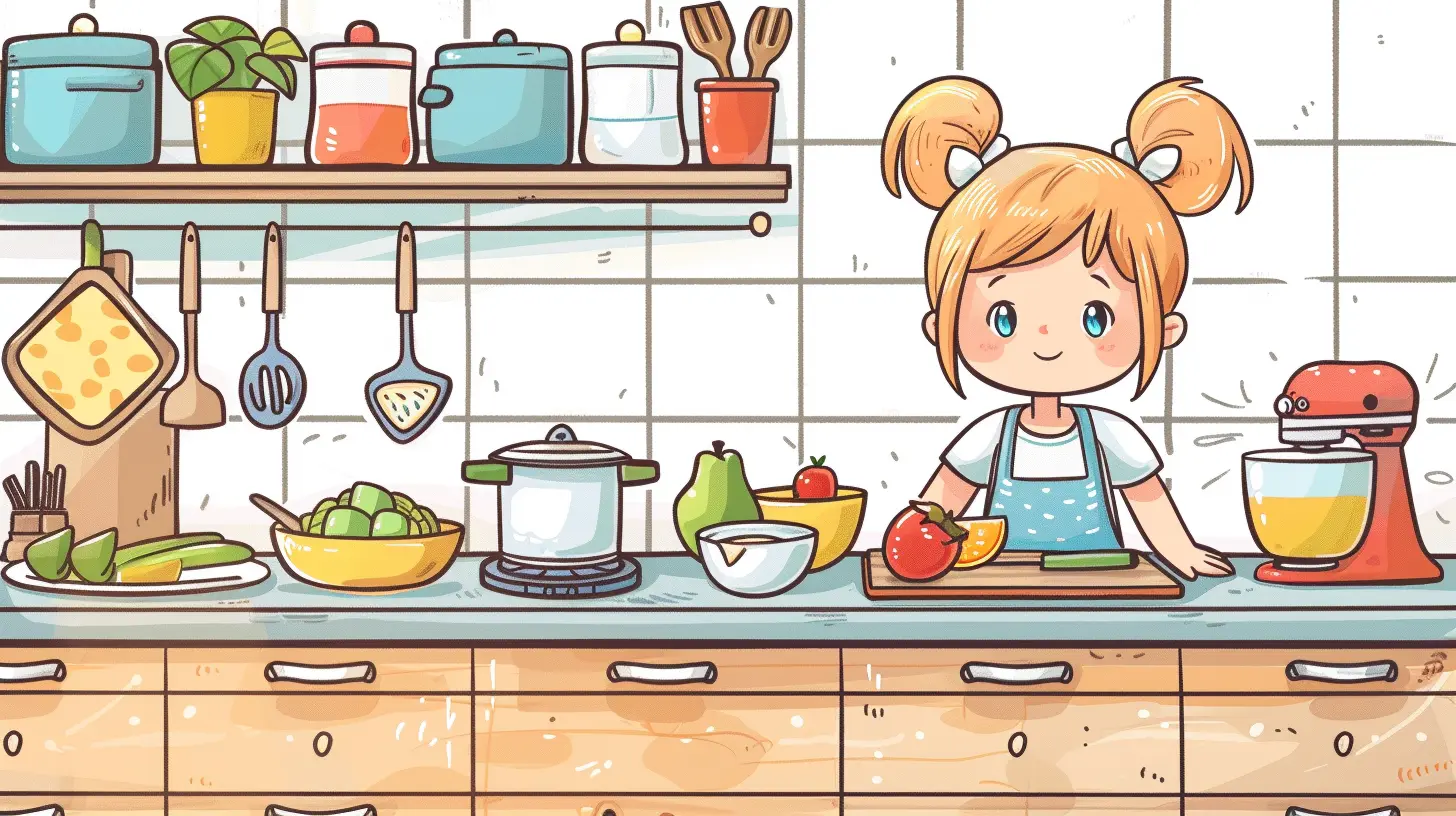
Why Teaching Kitchen Safety Matters (More Than You Think)
Think about it: the kitchen is often the heart of the home. It’s where meals are made, conversations happen, and traditions are passed down. But it’s also packed with things that can go wrong very quickly: burns, cuts, slips—you name it.That’s why teaching kids kitchen safety isn’t just about avoiding accidents. It’s about building lifelong skills—like responsibility, healthy decision-making, and even a little basic science. You’re giving them confidence and independence, wrapped in the comfort of your kitchen.
So, let’s jump into the good stuff—the how.
Set the Stage: Creating a Kid-Friendly Kitchen
Before your child even picks up a wooden spoon, the kitchen environment should be ready for them. Making a safe space starts with a little organization and a whole lot of common sense.1. Rearrange for Access and Safety
Place kid-friendly tools and supplies in lower drawers or baskets so they're easy to reach. That way, your child isn’t climbing counters like Spider-Man just to grab a spatula.Hot tip: reserve a “kids zone” in your kitchen with mixing bowls, safe utensils, and maybe a child-sized cutting board.
2. Use Safety Tools
Ever heard of kid-safe knives? They exist! These are designed to cut food—not fingers. Look for nylon or plastic versions with rounded tips.Also handy: silicone mitts that actually fit tiny hands. Oven mitts that swallow up their arms are basically asking for disaster. No thanks.
Start Early: Safety Lessons Through Play
Teaching safety doesn’t have to feel like a school lecture. In fact, the younger kids are, the more they learn through play and observation.3. Make It a Game
Turn safety into something that’s fun. For example, play the “Hot or Not” game: point to different things in the kitchen, and let your child guess if it’s hot, cold, or room temp. You'll be amazed how quickly “the stove is always hot” sinks in.4. The Power of Pretend
Toddlers aren’t ready for real stove-top cooking, but they can learn the basics through pretend play. Try toy kitchens, felt food, or even role-playing safety rules with dolls and action figures. Kids love it—and the lessons stick.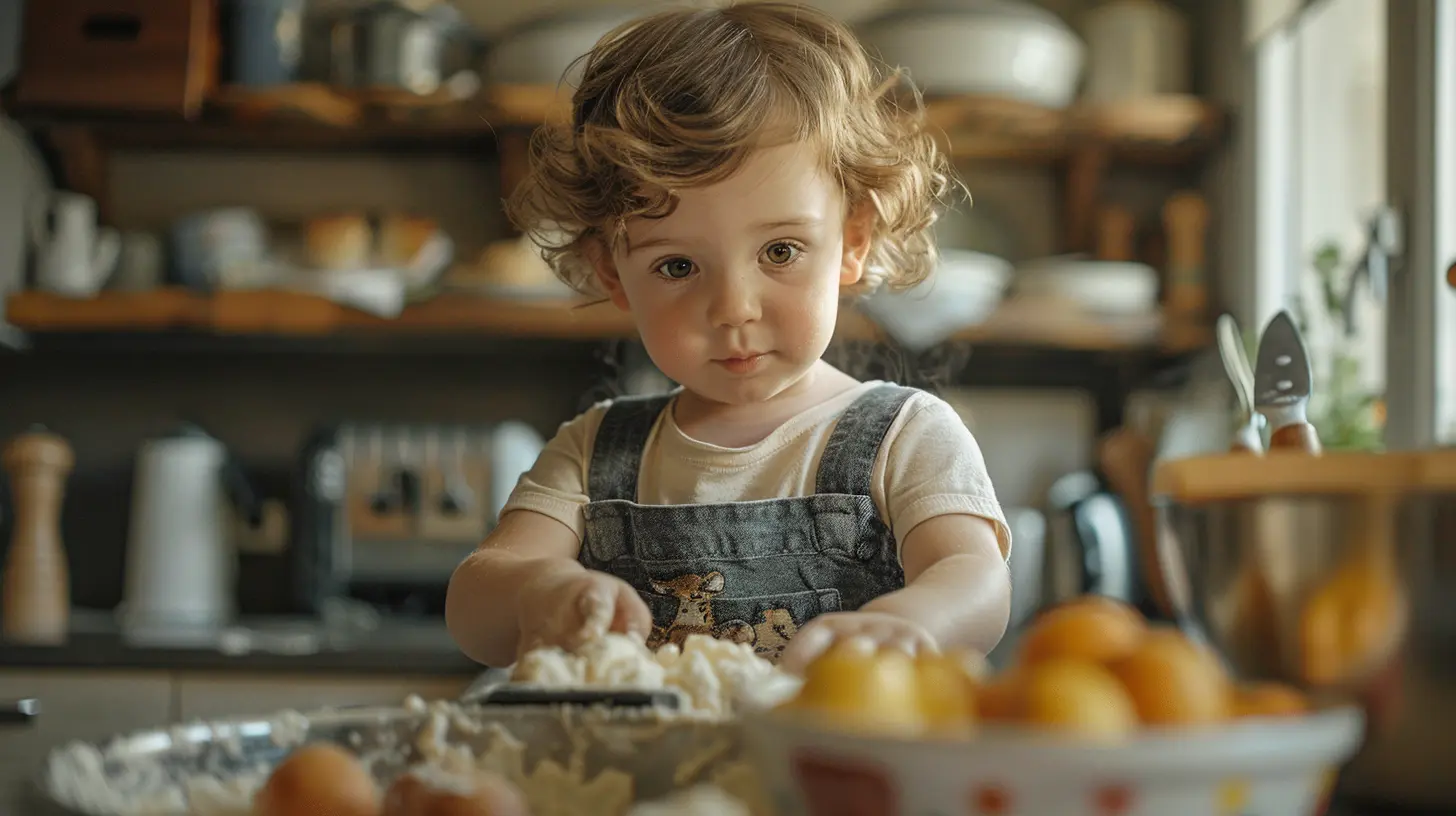
The Big Three: Fire, Heat, and Sharp Objects
Kitchen safety boils (pun intended) down to a few key areas that need extra attention. Let’s break them down.5. Respect the Heat
From stove burners to toaster ovens, anything that gets hot can burn little fingers in seconds. Teach kids to keep a safe distance from anything that heats up.A good rule of thumb? Create a "no-go zone" about a foot away from stovetops or open ovens. You can even mark it with masking tape on the floor—a visual reminder to back off.
6. Use Knives (The Smart Way)
This might surprise you, but introducing knives early—under supervision—can actually be safer in the long run. Start with kid-safe knives and soft foods like bananas or cheese. Gradually, as they get older, you can teach them proper grip and cutting techniques.Teach them: Knife down, fingers curled (the claw method), and never wave it around like a magic wand.
7. Flames and Fires: Be Prepared
Fire safety is a must. Show kids what smoke alarms are, where the fire extinguisher lives, and what to do if something catches fire. Even young kids can understand "Stop, Drop, and Roll."You could even have a mini drill—kind of like a fire drill at school—but make it silly and engaging. A little practice goes a long way.
Clean as You Go: Hygiene is Part of Safety
Let’s not forget: kitchen safety isn't just about avoiding cuts and burns. Food safety is huge too.8. Wash Up (Every Time)
Kids are mini germ factories. Make hand washing part of the kitchen routine. Before cooking? Wash. After sneezing into your elbow? Wash. After cracking eggs with some shell in the batter? Yepp—wash again.Make it a song if you need to. "Scrub those hands to the tune of Happy Birthday" never gets old. (Okay, it kinda does, but it works.)
9. Tidy Kitchen, Safe Kitchen
Teach kids to clean as they go—not just to avoid mess but to stop slips, spills, and cross-contamination. Wipe counters, rinse dishes, and sweep up flour piles before they become flour avalanches.Age-Appropriate Tasks: Know What Kids Can Handle
Here’s where things get real. Not every child is ready to flambé a steak or julienne carrots at age six. (Shocking, I know.)Here’s a basic guide for what kids can do at different ages—keeping safety in mind.
Ages 2–4: The Littlest Helpers
- Washing fruits and veggies- Stirring ingredients in a bowl
- Tearing lettuce or snapping green beans
- Using cookie cutters
- Pouring pre-measured ingredients
Keep them far from heat, sharp tools, or anything you’d rather not clean off the ceiling.
Ages 5–7: The Curious Creators
- Cracking eggs (with your moral support)- Spreading butter or jam with a dull knife
- Cutting soft foods with a kid-safe knife
- Peeling oranges or bananas
- Measuring ingredients
Start introducing some simple kitchen tools—under supervision.
Ages 8–10: The Mini Masterchefs
- Using the microwave (carefully)- Flipping pancakes with a spatula
- Chopping firmer veggies with guidance
- Loading and unloading the dishwasher
- Following simple recipes
This is when confidence can really take off—so stay nearby, but let them shine.
Ages 11+: The Kitchen Pros-in-Training
- Using the stovetop with supervision- Baking in the oven
- Preparing basic meals
- Using small appliances (like blenders or toasters)
You're now looking at a future adult who might actually cook more than just ramen. Success!
The Hidden Dangers (and How to Outsmart Them)
Sometimes, it’s not the flaming pans or shiny knives that cause issues—it’s the sneaky stuff.10. Slippery Floors
A spilled glass of water might not seem like a big deal until someone’s flat on their back. Teach kids to grab a towel quickly and clean up any spills—no exceptions.11. Electrical Hazards
Appliance cords? They’re tripwires in disguise. Keep cords tucked away and teach kids never to plug or unplug things without asking.And water + electricity? Nope. Not even once. It’s one of the first safety rules my kids learned.
12. Curious Little Hands + Cleaning Products
Store cleaning supplies out of reach or in locked cabinets. Even the “natural” cleaners aren’t meant for tiny taste testers.Make It a Routine, Not a Lecture
Here’s where kitchen safety really sticks: when you make it part of the everyday experience.13. Talk It Out
Don’t wait for a big teachable moment. Toss safety tips into casual conversations:- “Hot pan coming through—let’s stand back.”
- “Time to clean up so no one slips.”
- “Let’s curl those fingers while we chop.”
These little reminders help safety become second nature.
14. Model Safe Behavior
Kids are pro observers. So if you’re wiping counters, using oven mitts, and treating knives with respect, they’ll copy you. If you’re doing the opposite... well, the copy machine still runs.Monkey see, monkey do—it’s a thing.
Let’s Wrap It Up: Keep It Safe, Keep It Fun
Here’s the truth: the kitchen is never going to be accident-free. But with some planning, clear boundaries, and a whole lot of love, it can be a safe, exciting place for your kids to grow—not just in age, but in confidence, creativity, and independence.So roll up your sleeves, tie those aprons tight, and dive into the messy, magical, sometimes flour-covered joys of cooking with your kids.
Because safety isn’t the enemy of fun—it’s what makes all that fun possible.
Final Takeaway: Quick Tips for Quick Reference
- Use age-appropriate tools and tasks- Establish “no-go zones” near heat
- Supervise constantly (but let them try!)
- Wash hands often
- Clean as you go
- Celebrate safety wins with praise
The kitchen is our home’s laboratory, classroom, and meeting space rolled into one—and when kids are taught to respect it, they fall in love with it.
And really, what more could a parent ask for?
all images in this post were generated using AI tools
Category:
Child SafetyAuthor:

Liam Huffman
Discussion
rate this article
1 comments
Jolene Horne
Teaching kids kitchen safety is essential for their independence and confidence. Simple practices like proper handwashing, understanding basic kitchen tools, and fire safety can create a secure environment and foster lifelong healthy habits in the kitchen.
June 28, 2026 at 3:27 AM