Navigating Food Battles with Kindness and Patience: A Parenting Guide
23 July 2026
Let’s be real: getting your toddler to eat broccoli feels like negotiating a peace treaty. Mealtimes can turn into battlegrounds faster than you can say “just one more bite.” Sound familiar? If you're nodding your head while holding a spoonful of mashed peas, you’re not alone.
Raising kids who have a healthy relationship with food is quite the journey. It’s messy, unpredictable, and often frustrating. But here's the good news — navigating food battles with kindness and patience isn't just possible, it’s actually the secret sauce to lasting mealtime harmony.
In this parenting guide, we’ll walk through the ups and downs of food struggles, and give you some practical (and gentle) tools to transform those stressful meals into meaningful moments.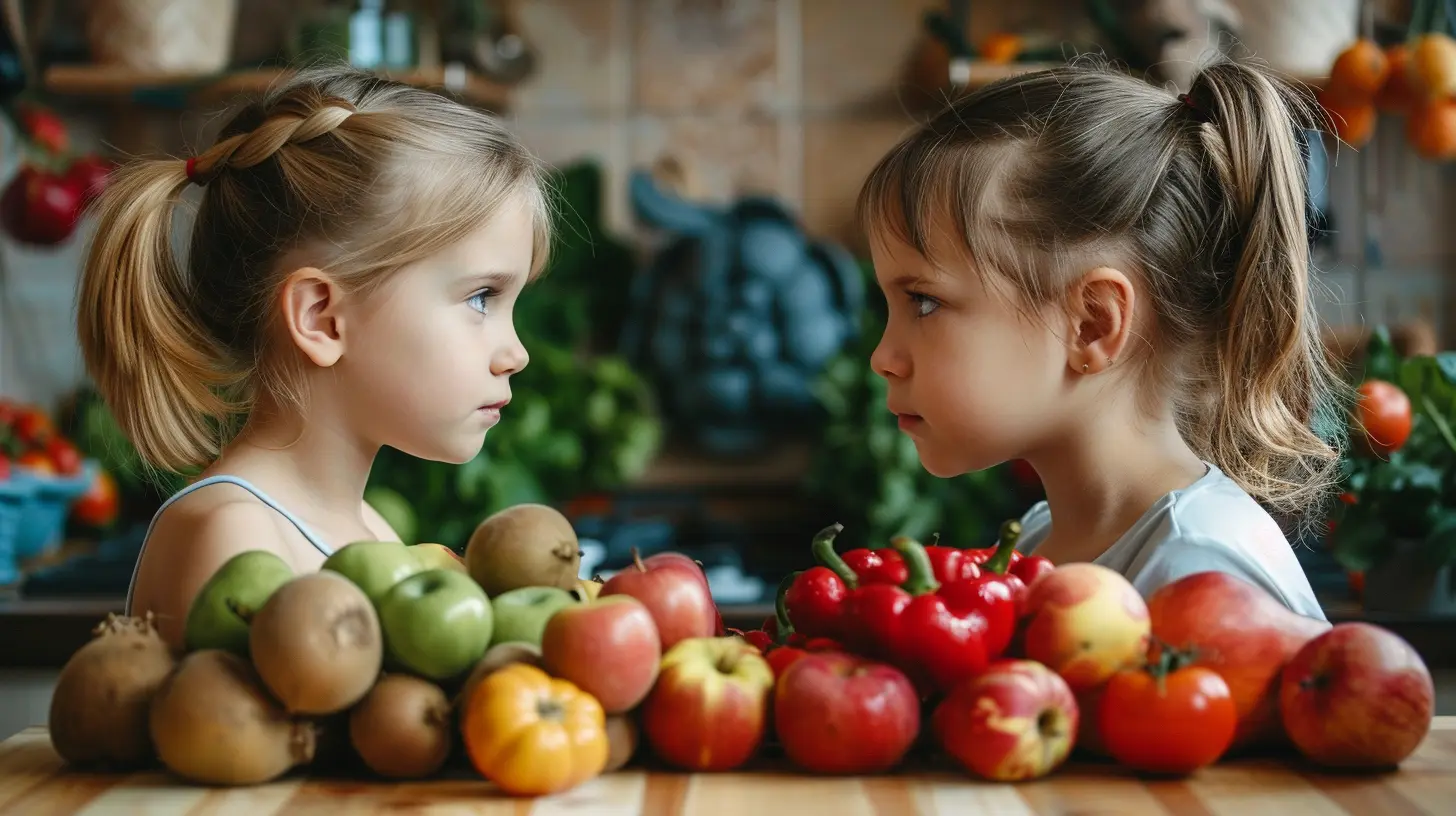
Why Food Battles Happen in the First Place
Before diving into solutions, let’s talk about why kids press the “NO” button when mealtime rolls around.1. Tiny Humans, Big Feelings
Toddlers and young children are still learning how to be in control. Saying “no” to food is often less about the food itself and more about exerting independence. Yep, peas become the hill they choose to die on—just because they can.2. Sensory Overload
Ever noticed how your kiddo refuses to eat “wet” food or gets grossed out by textures? A lot of kids are more sensitive to sensory experiences than we realize. That slimy spaghetti? Total nightmare in their little world.3. Pressure Turns Off Appetite
As grown-ups, we want our kids to grow, thrive, and be healthy. Totally fair, right? But ironically, the more we push (even with the best intentions), the more they resist. Research shows that pressure at the table often backfires.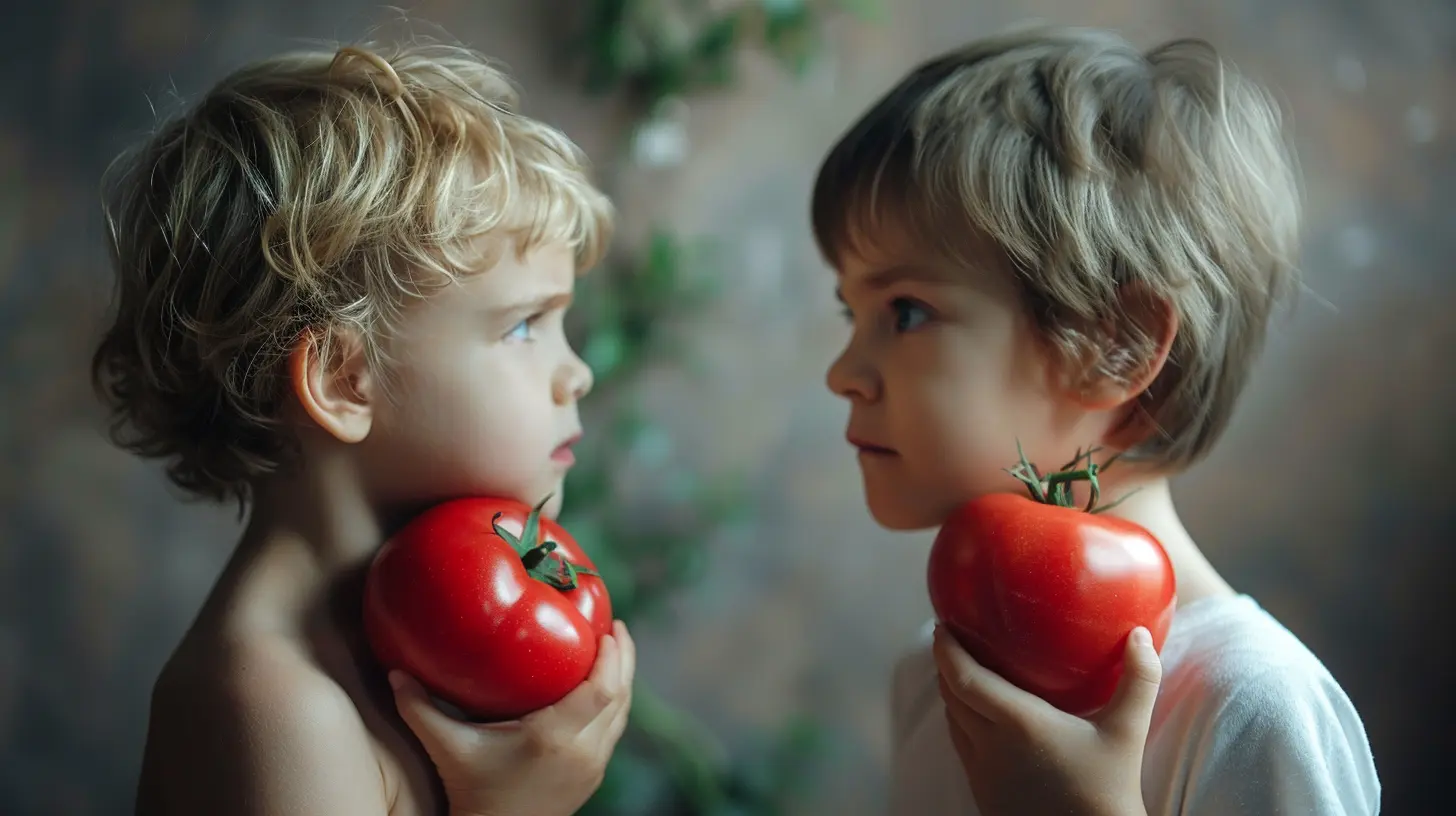
Reframing Mealtimes: From Power Struggle to Peaceful Connection
Let’s switch gears and look at mealtimes not as a chore, but as an opportunity for connection and growth.1. Make the Table a Safe Place
Kids pick up on energy like little sponges. If the dinner table becomes a place of stress or arguments, it's no wonder they don't want to sit down. Try shifting the focus away from what (or how much) they’re eating and more toward just being together.2. Ditch the Clean Plate Club
There’s no medal for finishing dinner. And believe it or not, kids are born with an incredible ability to self-regulate hunger. Trusting them to listen to their bodies is a huge step in fostering lifelong healthy habits.3. Offer, Don’t Insist
This one’s gold: You decide what, when, and where your child eats — they decide if and how much. This approach, inspired by Ellyn Satter’s Division of Responsibility, takes the pressure off both of you.
Strategies to Handle Food Refusals Without Losing Your Cool
Okay, so now that we’re not forcing bites or bribing dessert, what do we do? Let’s talk tactics.1. Serve One “Safe” Food at Each Meal
Always include at least one item you know your child likes. This doesn’t have to be junk food — it could be a fruit, bread, or even plain pasta. This simple step helps kids feel secure while encouraging exposure to new things.2. Keep Portions Kid-Sized
Ever looked at your child’s plate and thought, “Wow, that’s a lot of food?” If it looks like a buffet, they might feel overwhelmed. Start small — they can always ask for more.3. Normalize Exposure Without Pressure
Think of new foods like strangers. The more kids see them, the more comfortable they become. You can invite them to help prepare the meal, touch the food, smell it, or just have it on the plate. No pressure — just presence.4. Use Play and Storytelling
Let’s be honest, food is more fun when it’s dressed up as a dinosaur or part of an adventure. Create a silly story: “This carrot stick is a spaceship! Want it to land in your mouth?” Sounds ridiculous? Maybe. But it works.
What NOT to Do During Food Battles
Even the best of us fall into traps when we’re burned out. Here are a few habits to gently let go of:✖️ Bribing with Dessert
“If you eat your broccoli, you’ll get ice cream.” Sound familiar? This sends the message that vegetables are the “bad guys” and sweets are the reward. It might work short-term, but it can mess with your child’s long-term relationship with food.✖️ Forcing Bites
Making them sit at the table until they take one more bite just creates tension. Instead, focus on consistency in your mealtime routine — and let them come around in their own time.✖️ Shaming or Guilt-Tripping
No child has ever eaten peas happily after hearing, “Some kids don't even have food!” While well-meaning, guilt rarely inspires a healthy attitude toward eating.Encouraging Picky Eaters with Patience
Picky eating is a phase — yes, even if it feels like it’s lasting forever. Here’s how to navigate it with calm confidence.?️ Routine is Your Best Friend
Serve meals and snacks at roughly the same times each day. This helps regulate their appetite and gives them structure. Kids thrive on predictability.? Make Meals Colorful and Fun
Serve a “rainbow plate” or arrange food in fun shapes. A bunny-shaped sandwich? A fruit skewer “wand?” They might not eat everything, but they’re more likely to give it a shot.?? Get Them Involved
Invite them to the kitchen. Have them stir, pour, or choose between two ingredients. Ownership in food prep often leads to curiosity at the table.Handling the Emotional Side — Yours and Theirs
Let’s not gloss over how draining this can be. Seeing your child refuse food — again — can trigger frustration, worry, even guilt.Take a Breath
Literally. When you feel the tension rising, pause. Breathe. Remind yourself: this is a phase, not a failure.Watch Your Self-Talk
“You’re a bad parent because your child won’t eat vegetables.” Sound familiar? Push that voice aside. You’re doing your best, and that's what counts.Let Go of Perfection
No one wins all the food battles. Kindness and patience also mean being kind and patient with yourself.What Success Really Looks Like at the Table
Spoiler alert: success isn’t your child inhaling every vegetable on the plate. It’s creating an environment where food isn’t scary, meals aren’t a battlefield, and everyone gets to enjoy the experience — even in small doses.Success is your child trying a new food after the tenth exposure. It’s them sitting at the table even if they didn’t eat much. It's you managing to stay calm when dinner didn’t go as planned.
These little wins are the stepping stones to a bigger picture—a positive, lifelong relationship with food.
Real Talk: You’re Not Alone in This
If dinner feels like war night after night, take heart — it’s one of the most common parenting challenges out there. You're not failing. You're just parenting a small, emotionally complex human with developing taste buds and a big need for autonomy.What matters most isn’t the bite of broccoli they did or didn’t eat — it’s the tone you’ve set. A space filled with respect, patience, and a sprinkle of silliness goes a whole lot further than tantrums and tears.
So next time a food battle is brewing, take a deep breath and remind yourself: this is one moment. It doesn’t define your parenting. And with kindness and patience, you're building something far more important than a clean plate—you’re nurturing a healthy, happy eater for life.
Final Thoughts
Navigating food battles can test the patience of even the most zen parent. But when we shift our mindset from control to connection, miracles start to happen. You don't have to win every mealtime to succeed. Come to the table with kindness, compassion, and a sense of humor—and you’re already winning.Keep showing up, keep offering, and trust the process. Your child may not love greens today, but they will grow to love eating in a home where food is shared, not shamed.
You’ve got this.
all images in this post were generated using AI tools
Category:
Kids NutritionAuthor:

Liam Huffman