Pet Safety for Children: Teaching Boundaries and Care
24 April 2026
Bringing a pet into your home is like adding a fuzzy (or scaly) family member who brings joy, love, and a fair amount of chaos. But when you have kids, there's an extra layer of responsibility: making sure both your little human and your furry (or feathered) friend stay safe.
So, how do you teach kids to respect pet boundaries and care for them properly? Let’s dig into practical ways to foster a loving and safe relationship between your child and their animal companion.
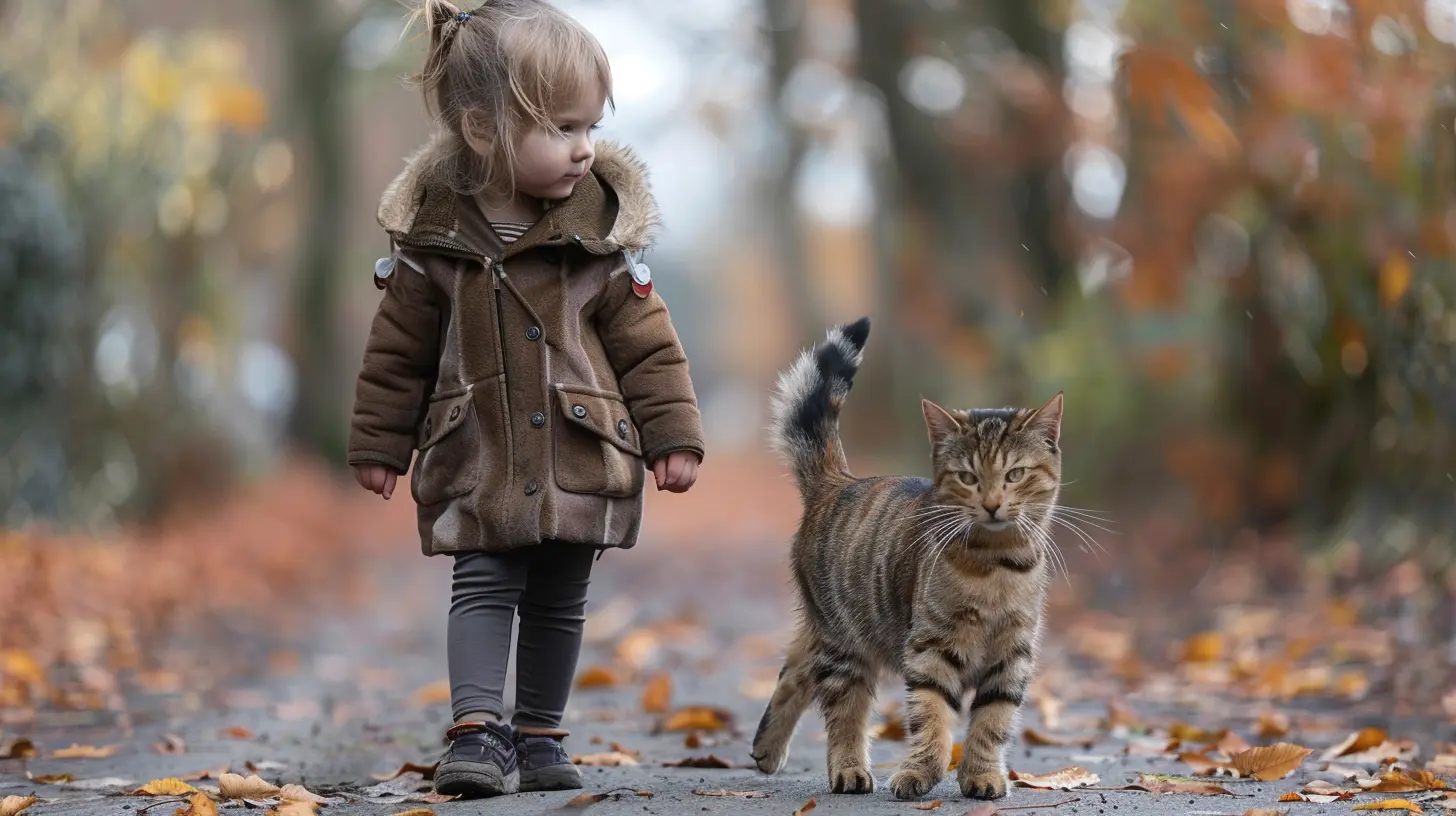
Why Teaching Pet Safety to Kids Is Crucial
Kids are naturally curious, and pets—whether a playful puppy or a sleepy cat—are often irresistible to tiny hands. However, not all pets react well to rough play or unexpected hugs. Teaching kids how to safely interact with animals protects both the child and the pet from accidental injuries or stress.A well-taught child won’t pull a dog's tail or try to ride the family cat like a horse (yes, this happens), which means fewer scratches, bites, and stressed-out animals.
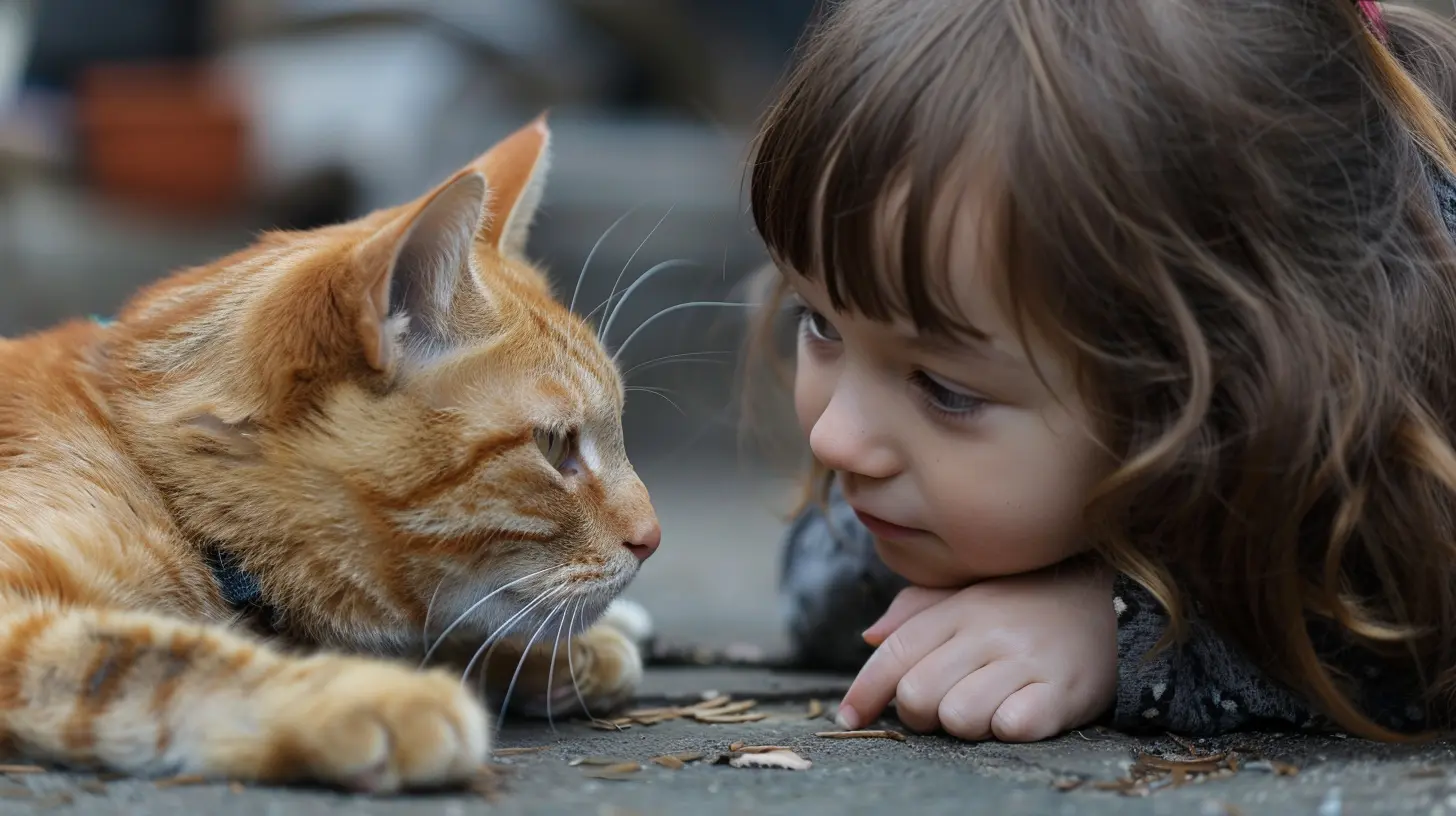
Setting Clear Boundaries with Pets
Just like humans, animals have personal space and boundaries. If those aren't respected, they can react in ways that might scare or harm your child. Here’s how you can set and enforce those boundaries:1. Teach Your Child the “Ask First” Rule
Before petting or approaching any animal—whether it’s your own pet or someone else’s—kids should always ask if it’s okay. Some animals are more sensitive or anxious, and they might not be in the mood for cuddles.Simple rules like:
- "Always ask before touching."
- "Let the pet come to you first."
- "If an animal moves away, give them space."
These create a foundation of respect between your child and the pet.
2. Explain Animal Body Language
Pets communicate in their own way, and recognizing these signals can prevent unwanted accidents. Teach your kid to notice:- A wagging tail vs. a stiff tail – A happy dog wags its tail, but a stiff, high tail can mean they’re uncomfortable.
- Ears back or growling – A sign the pet is feeling threatened.
- Hissing or running away – Cats often do this when they want space.
When kids learn to “read” their pet’s emotions, they’ll naturally adjust their behavior accordingly.
3. Encourage Gentle Touch
Kids can be a bit grabby, and not all pets appreciate being squeezed like a plush toy. Show them how to gently stroke an animal instead of tugging ears, tails, or fur.A good trick? Use a stuffed animal for practice. Guide your child’s hands and teach them the right way to cuddle without overwhelming the pet.
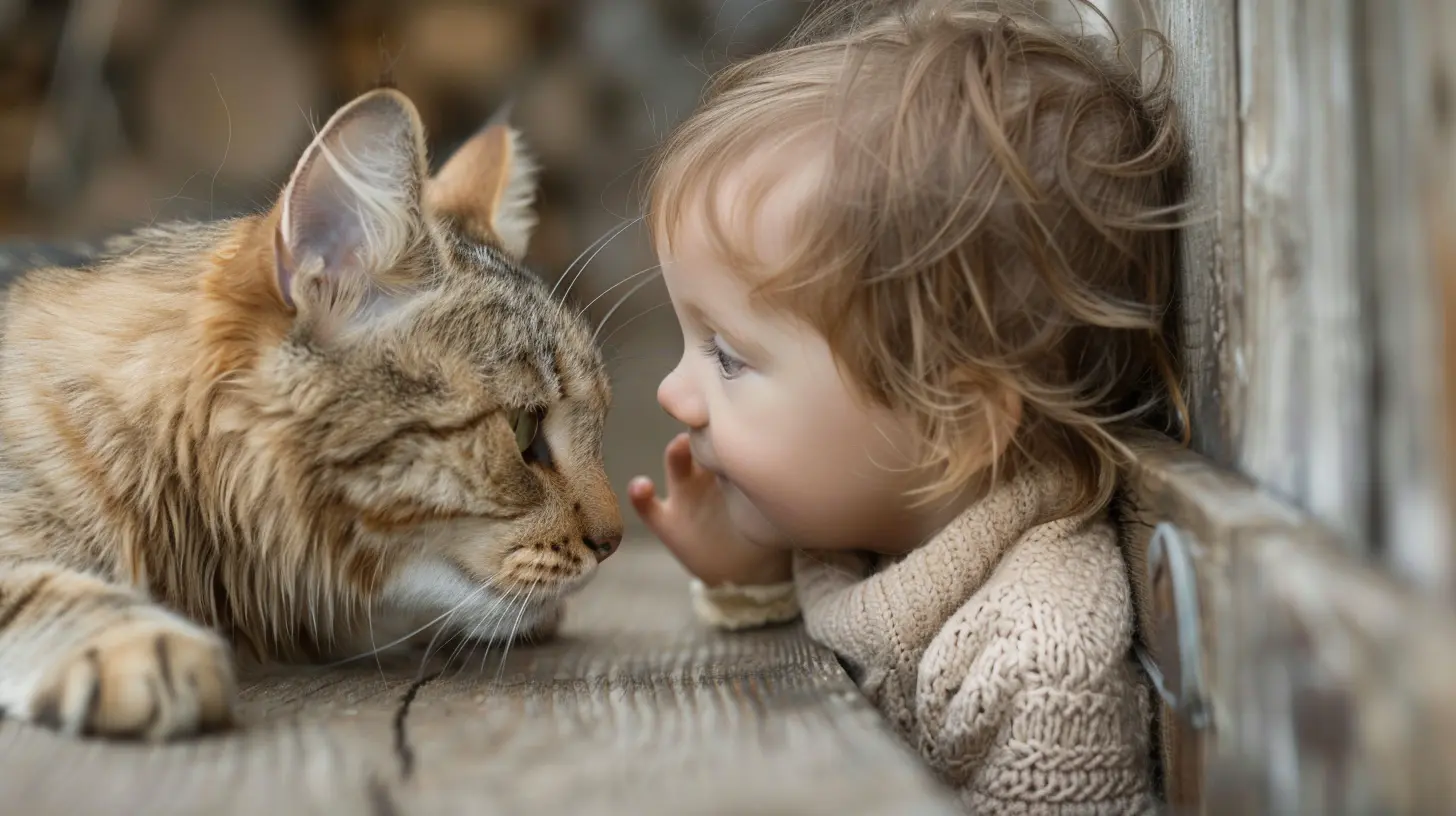
Teaching Responsibility Through Pet Care
Caring for a pet isn’t just about snuggles—it’s also about feeding, cleaning, and overall well-being. When kids take part in age-appropriate pet care tasks, they learn responsibility and empathy.1. Turn Basic Pet Care into a Routine
If your child is old enough, let them help with simple tasks like:- Refilling the water bowl.
- Helping with feeding.
- Brushing the pet under supervision.
- Cleaning up toys.
Even toddlers can get involved by handing you a leash before a walk or helping pour kibble into a food dish.
2. Teach the Importance of Cleanliness
Pets bring joy, but they also bring messes. Teach children to:- Wash their hands after touching pets.
- Clean up spills if they knock over food or water.
- Keep their toys separate from pet toys (because nobody wants to find their favorite teddy covered in drool).
By involving them in the "not-so-fun" parts of pet care, they’ll appreciate the responsibility that comes with owning an animal.
3. Never Force a Pet to Play
Sometimes pets just want to chill. Teach kids that it’s okay if their furry friend isn't in the mood for fetch or belly rubs. Encourage them to give their pet space when needed and find other ways to entertain themselves.
What to Do If a Pet Shows Aggression
Even the sweetest pet can have moments of frustration, especially if they feel cornered or startled. If your child accidentally provokes an aggressive response, stay calm and handle it wisely.1. Teach “Freeze and Walk Away”
Instead of screaming or running (which can make things worse), teach kids to:- Stop moving immediately – Sudden movements can escalate a pet's reaction.
- Slowly walk away – Give the pet space to cool down.
This approach helps prevent accidents and teaches children to respect an animal’s boundaries.
2. Never Punish a Pet for Warning Signs
Growling or hissing isn’t bad behavior—it’s a way for pets to communicate discomfort. If a pet warns before biting or scratching, respect that signal instead of punishing them.Instead, use it as a teaching moment:
- “See how Max’s ears went back before he growled? That means he wants space.”
- “Bella hissed because she was scared. Let’s give her time to calm down.”
This shows kids how to recognize and respect pet limits.
Age-Appropriate Pet Safety Rules
Not all rules apply equally to every age group. Here’s how to tailor pet safety lessons based on your child's age:Toddlers (1–3 years old)
- Always supervise pet interactions.- Teach gentle petting with an open hand.
- Explain that tails and ears aren’t for pulling.
Preschoolers (3–5 years old)
- Introduce asking permission before interacting with pets.- Show them how to properly feed or brush a pet (with supervision).
- Teach them to recognize "happy" vs. "unhappy" pet body language.
School-Aged Kids (6–12 years old)
- Teach responsibility by assigning small pet care tasks.- Explain why pets need alone time too.
- Encourage understanding of pet emotions and body language.
Teens (13+ years old)
- Allow them to take on more pet responsibilities, like walks or training.- Teach them about pet health and vet visits.
- Encourage them to set a good example for younger siblings.
Final Thoughts
Raising kids and pets together can be an incredibly rewarding experience—but only when it’s done safely. By teaching children about boundaries, respect, and responsibility, you ensure a lifelong bond built on trust rather than fear.So, whether you have a rambunctious golden retriever, a sleepy senior cat, or even a pet rabbit, remember: safety first, love always. And maybe, just maybe, fewer tails will get pulled along the way.
all images in this post were generated using AI tools
Category:
Child SafetyAuthor:

Liam Huffman
Discussion
rate this article
2 comments
Ruby Hardy
Thank you for this insightful article! Teaching children about pet safety is so important. Setting boundaries helps foster a loving and respectful relationship between kids and their furry friends.
April 26, 2026 at 4:32 PM
Liam Huffman
You're welcome! I'm glad you found it helpful. Teaching kids about pet safety really does make a difference.
Edith Edwards
Because kids and pets definitely have a mutual understanding, right?
April 24, 2026 at 2:30 AM