Practical Tips for Helping Kids Manage Their Own Belongings
25 May 2026
As parents, how often do we find ourselves picking up stray socks, searching for missing toys, or reminding our kids (for the hundredth time) to put their things away? If you're nodding along, you're not alone! Teaching kids to manage their own belongings is a skill that will benefit them for a lifetime. But where do you start?
Luckily, with a little patience and a few strategic tricks, you can help your child take responsibility for their things—without constant nagging. Let’s dive into some practical, easy-to-implement tips that will make organization a habit rather than a chore.
1. Start with Realistic Expectations
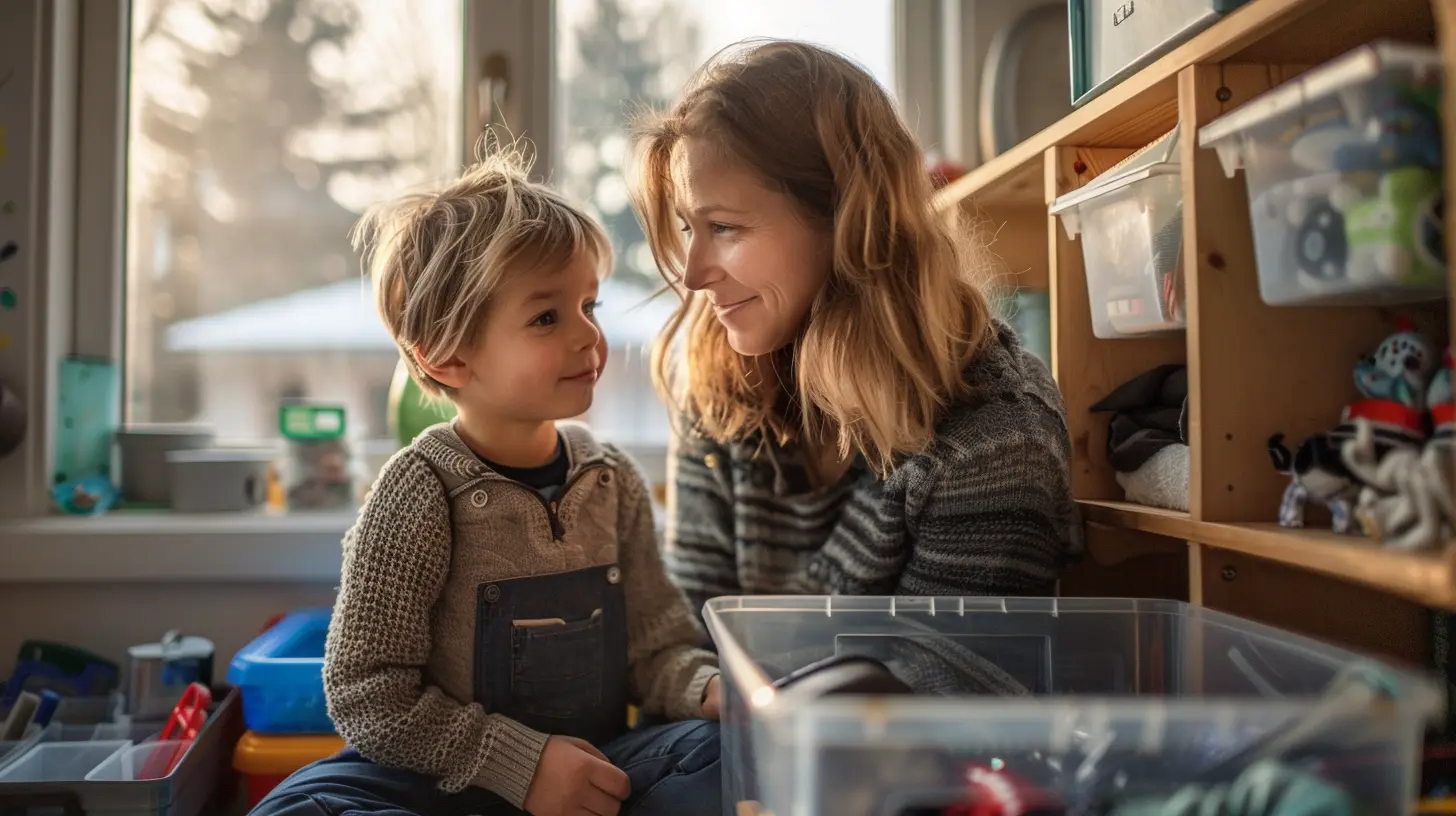
Before setting off on this journey, remember that kids aren’t naturally organized (heck, many adults aren’t either!). Children need guidance, practice, and encouragement to develop good habits. So, set achievable goals based on their age and personality.Instead of expecting a spotless room overnight, start small—like teaching them to put their shoes in a specific spot or toss dirty clothes into the hamper. Little wins build up over time!
2. Lead by Example
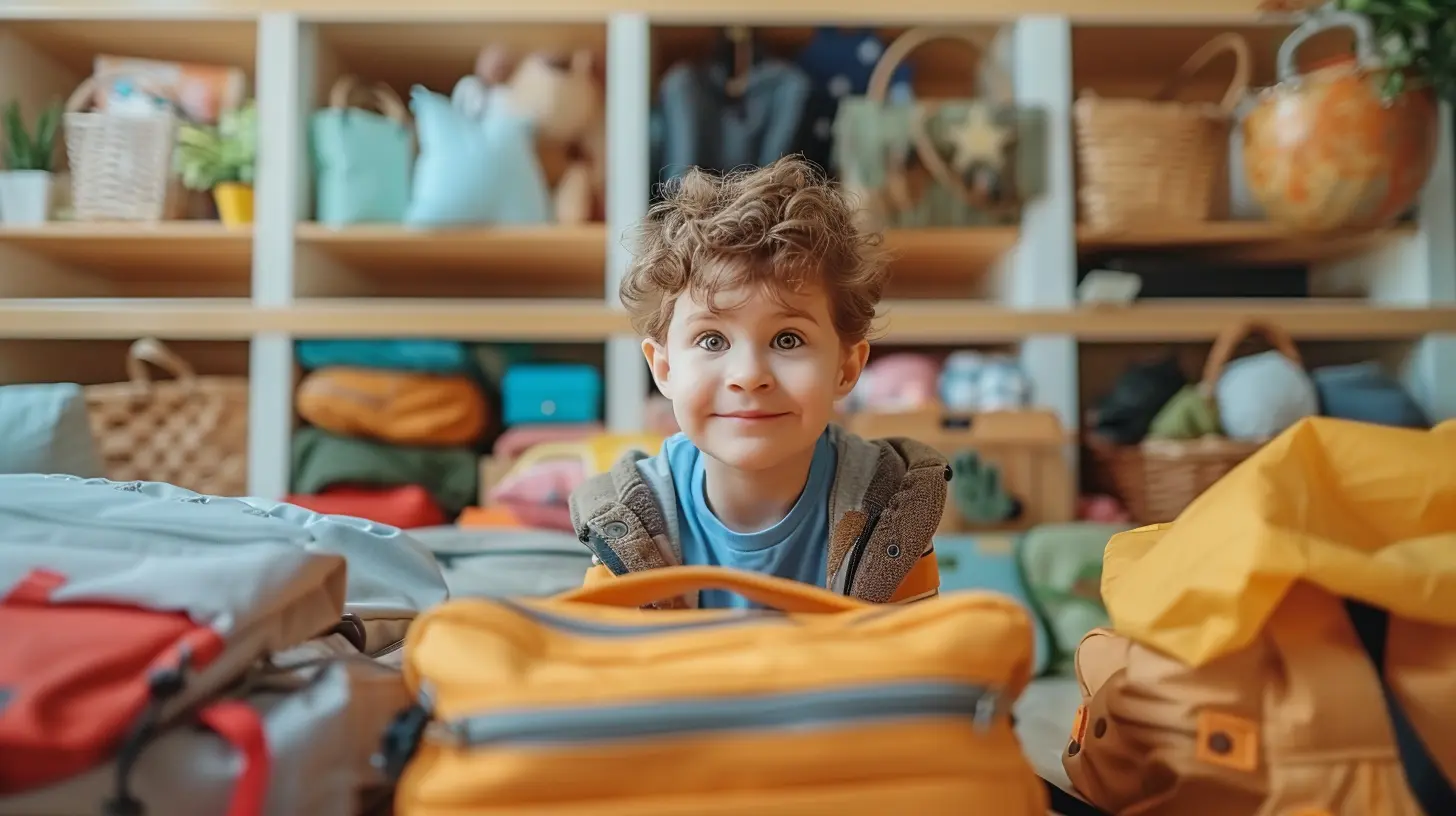
Kids learn by watching what we do more than by listening to what we say (unfortunately for us!). If they see you putting things in their place, they’re more likely to mimic that behavior.Demonstrate organization in your own life—whether it's having a spot for your keys, making your bed daily, or keeping the kitchen counter clutter-free. When they see it in action, tidiness becomes second nature.
3. Give Everything a Home
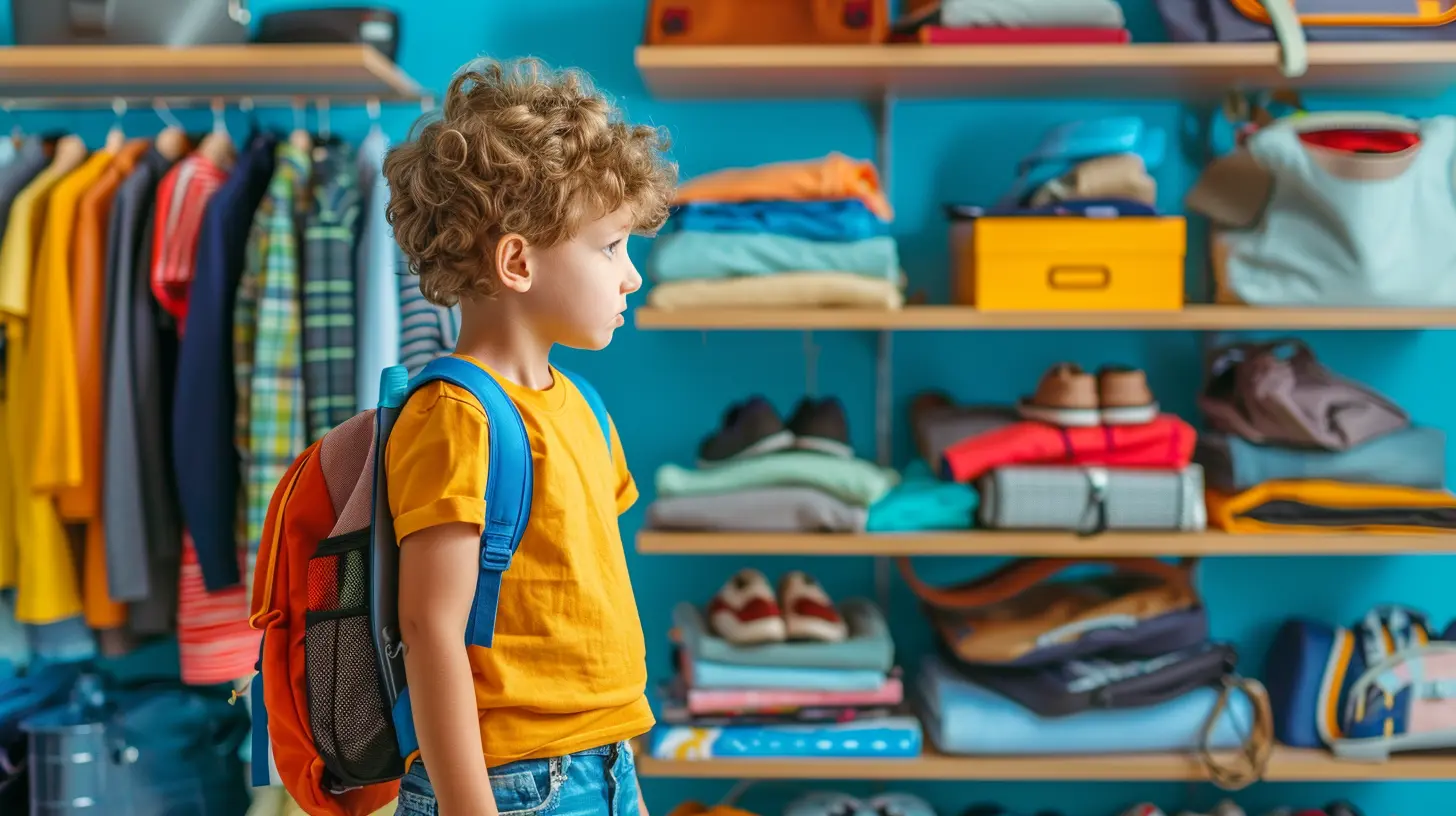
Imagine if every time you parked your car, you picked a random spot. Chaos would ensue, right? The same applies to kids' belongings. If items don’t have a designated home, they will end up scattered everywhere!- Assign a specific place for toys, books, school supplies, and clothes.
- Use bins, labeled baskets, or shelves to keep things organized.
- Make it visual—pictures or color-coded labels work wonders for younger kids who can’t read yet.
When kids know where things belong, returning them becomes much easier.
4. Keep It Simple
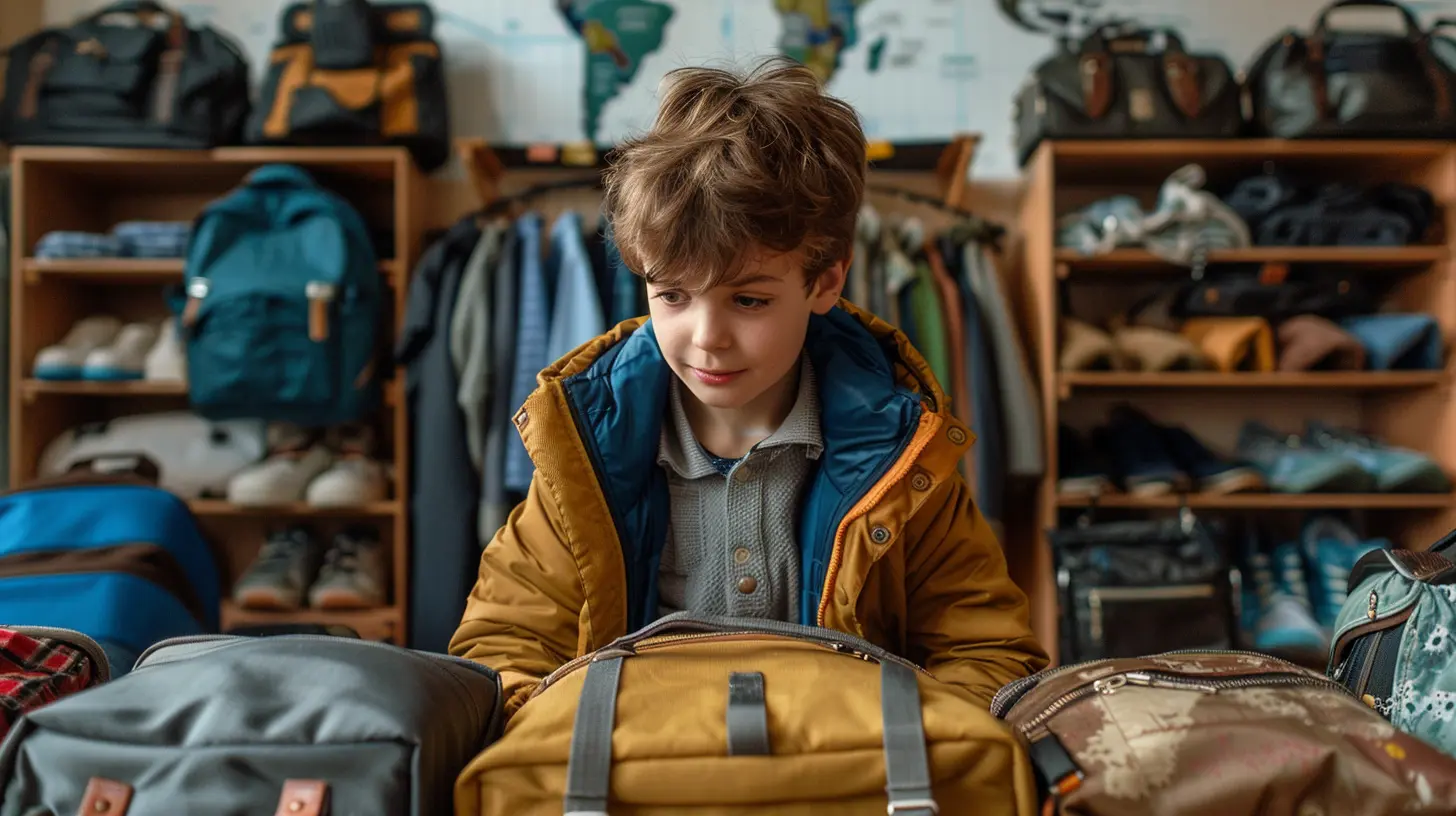
The more complicated an organizational system is, the less likely kids will use it. Keep it simple!- Use open bins instead of boxes with lids.
- Have low-hanging hooks for coats and backpacks.
- Limit the number of toys and belongings to reduce clutter.
A simple system increases the chances of your child actually sticking with the habit.
5. Make Cleaning Up Fun
Let’s be honest—most kids don’t jump for joy when it’s time to clean up. So, turn it into a game!- Beat the Timer: Set a 5-minute timer and see if they can put all their toys away before it buzzes.
- Treasure Hunt: Challenge them to find and return 10 misplaced items.
- Sing a Cleanup Song: Just like in preschool, a fun tune can make tidying up more enjoyable.
When cleaning feels like play, they’ll be much more willing to participate.
6. Create Routines and Stick to Them
Consistency is key when building any habit. Set daily routines to reinforce organization:- Morning Routine: Make the bed, put pajamas in the hamper, and pack the backpack.
- After-School Routine: Shoes in the cubby, lunchbox on the counter, homework in its place.
- Evening Routine: Quick room tidy-up before bedtime.
When organizing becomes a natural part of their day, it won’t feel like a chore—it’s just what they do!
7. Use Checklists and Visual Cues
Ever leave the house and forget your phone or wallet? Kids experience the same thing—just with their homework, lunch, or favorite stuffed animal!To help them remember, create simple checklists:
- Morning checklist (Brush teeth, pack lunch, grab backpack)
- Weekend checklist (Pick up toys, fold laundry, put books back on the shelf)
Visual reminders like sticky notes, charts, or even a picture-based list for younger kids can be lifesavers.
8. Limit the Clutter
It’s hard for kids to manage their things when they have too much stuff! Regularly declutter together:- Donate toys they’ve outgrown.
- Rotate toys so they don’t get overwhelmed.
- Keep everyday essentials easy to access and store away seasonal or rarely-used items.
Having fewer things makes organization WAY easier for kids.
9. Praise and Encourage Their Efforts
No one likes to be nagged, and kids are no exception. Instead of pointing out what they didn’t do, focus on what they did well.- “Wow! You put all your blocks away—great job!”
- “I love how you remembered to put your shoes by the door.”
- “Look at how tidy your desk is—it must feel great to have a clean space!”
Positive reinforcement makes kids more likely to repeat the behavior.
10. Give Them Some Control
Kids resist being told what to do all the time (sound familiar?). Giving them a sense of control can make a big difference.- Let them choose where to keep their toys or how to organize their books.
- Allow them to decorate storage bins or label their shelves with fun stickers.
- Let them decide how they want to tidy up—maybe they prefer putting Legos away before stuffed animals.
When they feel ownership over their space, they’ll be more invested in keeping it neat.
11. Teach the “One-In, One-Out” Rule
A simple rule that prevents clutter: every time they get something new, they have to let go of something old.- Bought a new toy? Donate an old one.
- Got new clothes? Donate a few pieces that no longer fit.
This keeps their space manageable and teaches the value of mindful ownership.
12. Encourage Natural Consequences
Sometimes, letting kids experience the natural consequences of not taking care of their things is the best teacher.- If they lose a toy because they didn't put it away, don't replace it immediately.
- If they forget their homework at home, let them explain it to their teacher.
It may be tough, but these experiences reinforce the importance of responsibility.
13. Be Patient—Progress Takes Time
Building habits doesn’t happen overnight. There will be messy days, forgotten belongings, and occasional meltdowns. And that’s okay!With consistent guidance, encouragement, and patience, managing their things will eventually become second nature for your child.
Final Thoughts
Helping kids manage their own belongings is a journey, not a one-time fix. By creating simple systems, making organization fun, and giving them responsibility, you’re equipping your child with skills that will serve them well into adulthood. Plus, fewer messes for you? That’s a definite win!Got any tried-and-true organization hacks for kids? Share them in the comments—we'd love to hear from you!
all images in this post were generated using AI tools
Category:
Teaching ResponsibilityAuthor:

Liam Huffman
Discussion
rate this article
1 comments
Lanae McAdoo
Empowering kids to manage their belongings builds responsibility and confidence. Start small, involve them in decisions, and celebrate their successes. It's a valuable life skill they will cherish.
May 27, 2026 at 2:37 AM