Preparing Kids for Emergencies: An Age-by-Age Guide
7 May 2026
Let’s face it—emergencies are scary. Whether it’s a natural disaster, a fire, or a sudden health crisis, the most terrifying part is often the not knowing what to do. Now, imagine being a child in that situation. They look to us for guidance, protection, and reassurance. The good news? With the right approach, we can prepare our kids to handle emergencies with courage and confidence. And yes, it starts with age-appropriate conversations and training.
So, let’s break it down for every stage of your child’s development—because what helps a toddler won’t work for a tween. Ready? Let’s dive in.
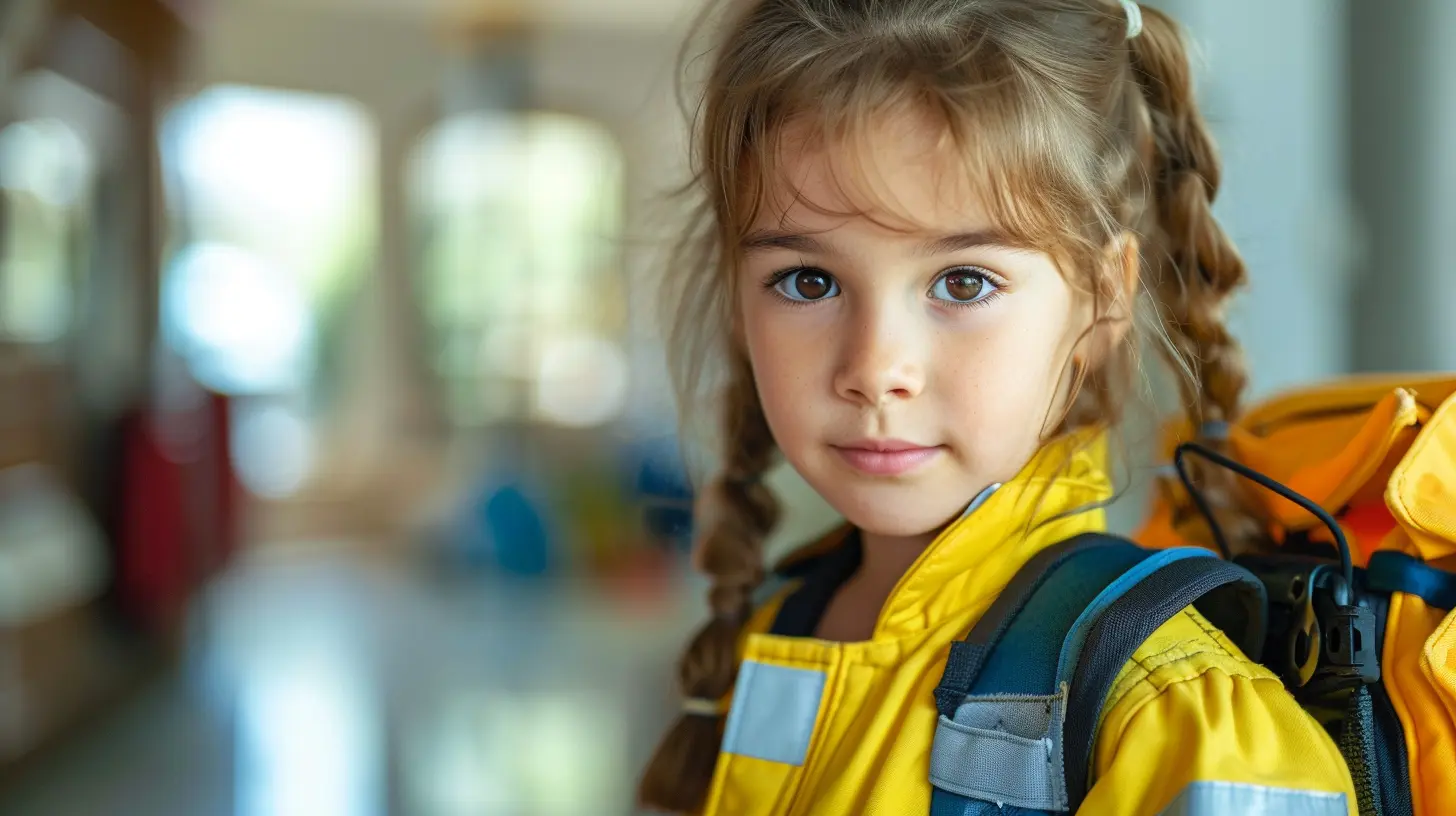
Why Teaching Kids About Emergencies Matters
Before we get into the age-by-age stuff, let’s talk about the why. Most families avoid discussing scary stuff with children, and hey, that’s understandable. But here’s the deal—when your kid is prepared, they’re less likely to panic and more likely to act appropriately if something goes down. Preparedness builds resilience. It turns fear into confidence. And who doesn't want that for their child?Think of it like teaching your child to swim. You do it not because you expect them to fall into a pool, but because if they do, they’ll know how to stay afloat.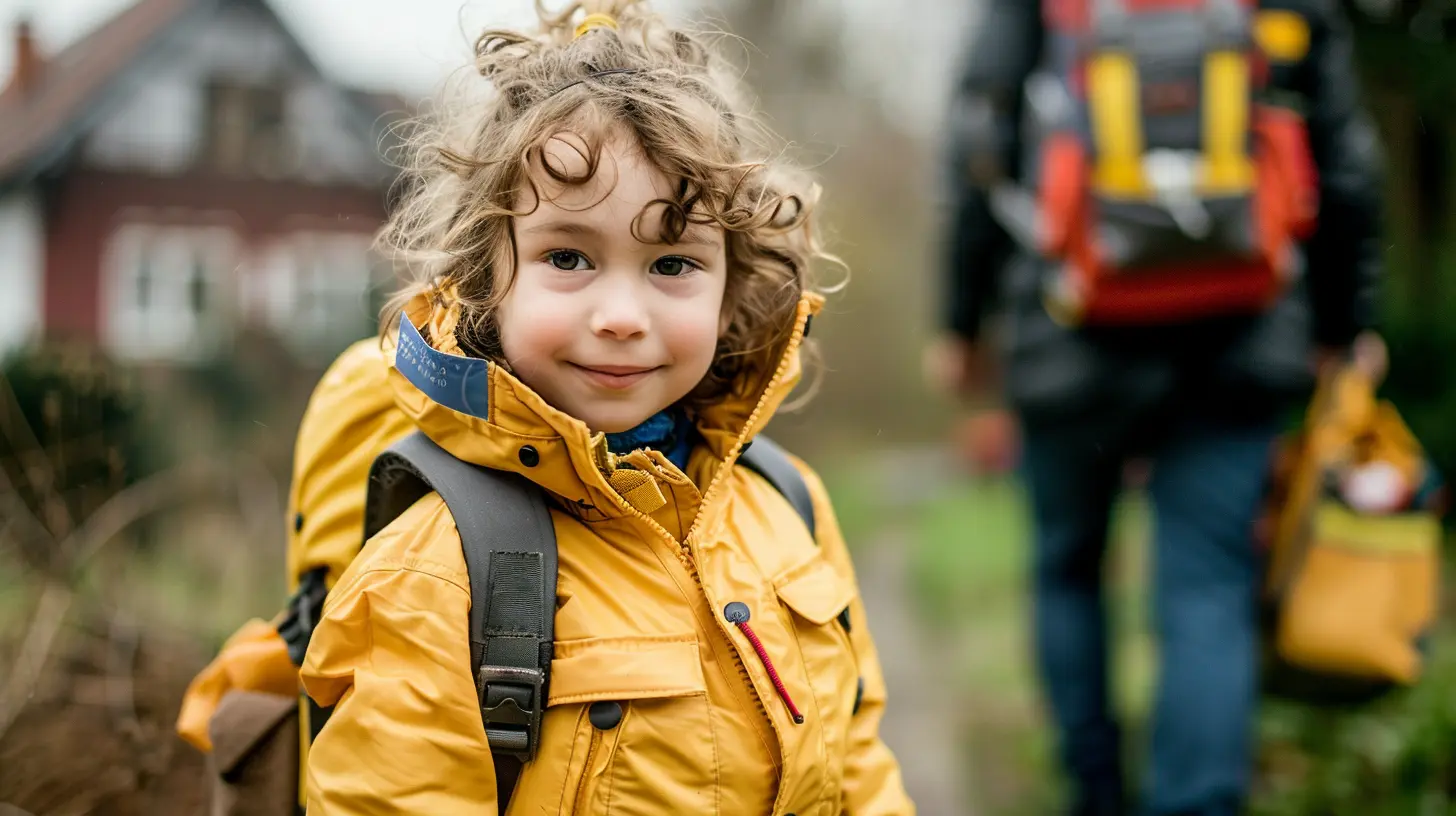
Babies & Toddlers (0–3 Years): Laying the Foundation
Okay, let’s be real—babies and toddlers aren’t exactly going to memorize emergency numbers or pack a go-bag. But even little ones can start picking up on routines and emotional cues.What You Can Do:
- Model calm behavior during small "emergencies" like a power outage or a sudden storm.- Use simple language when describing what’s happening. Say, “The lights went out, but we’re safe and I have a flashlight.”
- Familiarize them with emergency sounds like smoke alarms. Make it playful by covering their ears and saying “That’s loud, but it means we need to go outside!”
At this age, it’s not about teaching action—it’s about building a sense of safety and emotional regulation.
Preschoolers (3–5 Years): Introducing the Basics
Preschool years = sponge brain time. They absorb everything, so let’s start giving them the basics in bite-sized, non-scary lessons.What You Can Teach:
- Their full name, parents’ names, and home address (with a sing-song tune to help them remember).- How and when to call 911 (role-play can make this fun and memorable).
- What firefighters and police officers do and how they’re helpers.
- What to do if they get separated from you (like asking a mom with kids or going to a store employee).
Pro Tips:
Make emergency drills into games. Crawl under pretend "smoke clouds" or make a treasure hunt out of finding the meeting spot outside the house. Don't overdo it though—it should be reassuring, not overwhelming.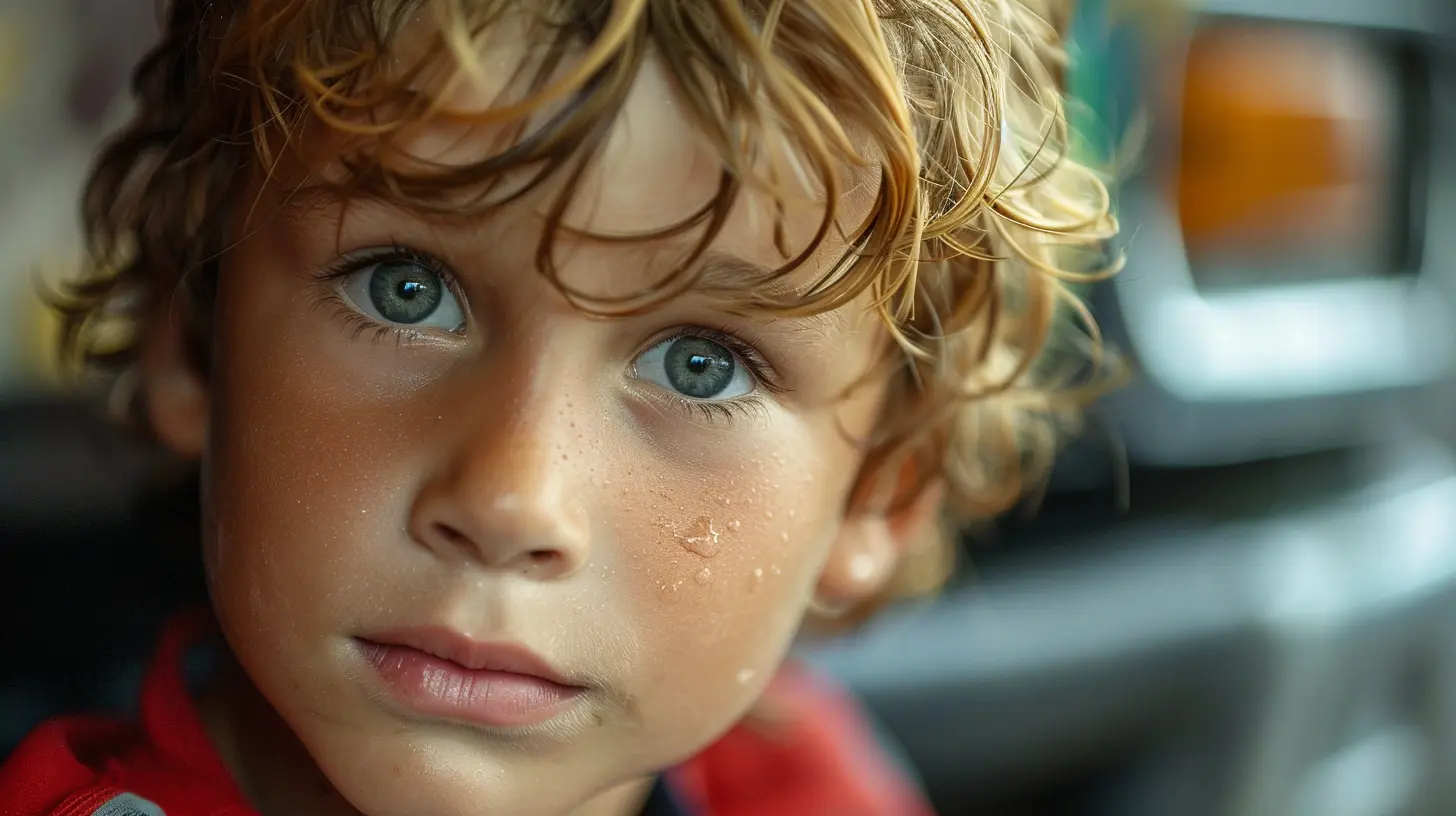
Early Elementary (6–9 Years): Building Awareness
At this stage, kids are becoming little problem-solvers. They’re also more independent physically, which means they can start understanding responsibilities and consequences more clearly.Key Lessons:
- Creating a family emergency plan together. Where do you meet during a fire? What’s the safe exit route?- Learning how to use a phone to call for help, even if it’s locked.
- Understanding different types of emergencies—fire, earthquake, stranger danger, etc.
- Packing a personal go-bag with snacks, a flashlight, and a toy or book.
Teach Through Stories:
Use picture books or videos to explain safety concepts. There are loads of child-friendly resources that explain serious topics without sounding like a horror movie.Tweens (10–12 Years): Practicing Self-Reliance
This is where things get cool. Tweens are ready to be part of the team and handle more complex tasks. They can help take care of younger siblings, follow a checklist, or even lead a drill.Empower Them to:
- Memorize emergency contacts or keep them in a special app or card.- Learn basic first aid, like how to treat a scrape or minor burn.
- Understand the “why” behind safety drills—not just doing them, but knowing the purpose.
- Role-play emergencies like what to do if they’re home alone and smell smoke.
Build Confidence:
Praise their ability to step up. Make it clear that being prepared doesn’t mean living in fear—it means being smart, just like buckling your seatbelt.Teens (13–17 Years): Taking Ownership
Alright, now we’re in real territory. Teenagers are practically adults-in-training, even if their mood swings say otherwise. Emergency preparedness can be a powerful way to give them responsibility and trust.Let Them Lead:
- Assign them a role in your family emergency plan—maybe they're in charge of the family pet or grabbing the go-bags.- Teach advanced first aid and encourage CPR certification (many schools and community centers offer classes).
- Help them build their own “teen” emergency kit—include chargers, ID copies, cash, and hygiene items.
- Discuss digital safety and communication—how can they check in if the phone networks are down?
Encourage Critical Thinking:
Ask, “What would you do if…” questions and let them think through scenarios. Teens can actually help teach younger siblings, reinforcing their own learning in the process.Special Considerations: Kids with Disabilities
Children with physical, developmental, or cognitive disabilities may need tailored preparation. Don’t skip this—it’s essential.Tips for Inclusion:
- Personalize the emergency plan and practice it regularly.- Use visual aids or social stories to break down each step.
- Communicate with school and caregivers about your child’s specific needs in an emergency.
- Include medical info and a list of medications in their go-bag.
Every child deserves to feel capable. Preparation is not one-size-fits-all, and that’s okay.
How to Talk About Emergencies Without Creating Anxiety
You might be wondering, “How do I talk about this stuff without totally freaking my kids out?” Great question.Here are a few ground rules:
- Stay calm and confident. If you’re nervous, they will be too.
- Make it part of everyday life. Just like brushing teeth or doing homework, safety talks should feel normal.
- Use positive language. Instead of saying “You might get lost,” say, “Here’s what you can do to stay safe and find help.”
- Answer questions honestly but age-appropriately. Don't overload them.
Remember: Prepared doesn’t mean paranoid. It means proactive.
Practice Makes Prepared
Just like fire drills at school, your home needs practice too. Here’s how to make it stick:- Set a calendar reminder for family drills—every 3 to 6 months works great.
- Rotate the scenarios. One time it’s a fire, next time a power outage.
- Make it interactive. Let the kids sound the “alarm” or pick the pretend emergency.
- Debrief afterwards. Ask what went well and what you can do better next time.
Emergency Kit Checklist (Kid-Friendly Version)
Want to build a kit your child can grab fast? Here's a quick checklist you can customize by age:- ✅ Flashlight (bonus points for a hand-crank one)
- ✅ Extra clothes and socks
- ✅ Non-perishable snacks (granola bars, fruit snacks)
- ✅ Water bottle
- ✅ A comfort item (stuffed animal, favorite book)
- ✅ Whistle (to call for help)
- ✅ Contact card with important numbers and any allergies/medical info
Throw it all in a small backpack and store it somewhere easy to grab. Let your kid decorate the bag if it helps them feel ownership!
Final Thoughts: Raising Resilient Kids
Here’s the thing that often gets overlooked—talking about emergencies is also talking about problem-solving, staying calm in chaos, and trusting your instincts. These are life skills, folks. And the earlier we start, the stronger and more resilient our kids become.So no, we can't control what life throws at us. But we can put tools in our children’s hands. Not just flashlights and first-aid kits, but emotional tools, too—confidence, awareness, and a sense of safety.
Think of emergency prep like building a fire extinguisher into your wall. Hopefully, you never need it. But if you do? You’ll be so glad it’s there.
all images in this post were generated using AI tools
Category:
Child SafetyAuthor:

Liam Huffman
Discussion
rate this article
2 comments
Darby Mendoza
This article provides valuable insights for parents on age-appropriate strategies for emergency preparedness. It's essential to empower kids with the knowledge and skills they need to stay safe. Thank you!
June 9, 2026 at 4:22 AM
Merida Watson
This guide is essential for empowering kids. Teaching them age-appropriate skills fosters confidence and prepares them for unexpected situations.
May 9, 2026 at 5:02 PM
Liam Huffman
Thank you! I'm glad you found the guide helpful. Empowering kids with the right skills really makes a difference.