Promoting Emotional Intelligence in Twin Children
22 July 2026
Raising twins is a wild ride, right? Double the giggles, double the chaos, and yep—you guessed it, double the emotions. While navigating the ups and downs of parenting two children at the same time, it’s easy to focus on feeding schedules, nap routines, and managing meltdowns. But here’s a truth bomb: emotional intelligence (EQ) might just be one of the most important skills you can help your twins develop.
We’re not just talking about teaching them how to say “please” and “thank you.” Emotional intelligence is about understanding, expressing, and regulating emotions—both their own and those of others. And when it comes to twins, it gets even more interesting. Their unique bond can either help or hinder emotional development if we're not paying close attention.
In this article, we’re diving deep into promoting emotional intelligence in twin children. From the science behind EQ to practical, everyday tips you can use right now, we’ve got it all covered. Ready? Let's go!
What Is Emotional Intelligence and Why Does It Matter?
You’ve probably heard the term “emotional intelligence” thrown around a lot lately—and for good reason. It’s being hailed as a superpower for navigating relationships, managing stress, and leading a well-balanced life. But what does it really mean?Simply put, emotional intelligence is the ability to:
- Recognize your own emotions
- Understand what those emotions mean
- Manage your feelings
- Recognize emotions in others
- Interact with empathy and compassion
For kids, high emotional intelligence often leads to better communication, stronger friendships, fewer behavioral issues, and even improved academic performance. For twins, whose identities are often intertwined, developing emotional intelligence becomes even more crucial for healthy individuality and connection.
The Twin Dynamic: A Blessing and a Challenge
Twins share everything—wombs, birthdays, attention, and sometimes even friends. This unique connection can work wonders for developing empathy and closeness. But it can also blur the lines of individuality.Twins might learn to read each other’s emotions early because of this constant interaction. But — and this is key — sometimes they rely so heavily on each other that they don’t learn to express their emotions clearly or manage them independently.
Think about it: Would you develop your own emotional coping strategies if you always had your emotional "other half" to lean on? That bond is beautiful, for sure, but it requires intentional nurturing to ensure both children grow emotionally as individuals too.
Signs Your Twins Need Support with Emotional Intelligence
Let’s be honest here; kids don’t come with “EQ meters.” But there are red flags that can hint at emotional imbalance or struggles:- Difficulty expressing feelings with words
- Frequent sibling conflicts without resolution
- Over-dependence on the twin for emotional cues
- Trouble coping with change or rejection
- Shutting down emotionally or dramatic overreactions
If you're noticing these behaviors regularly, it's definitely time to take a more active approach in building that emotional toolkit.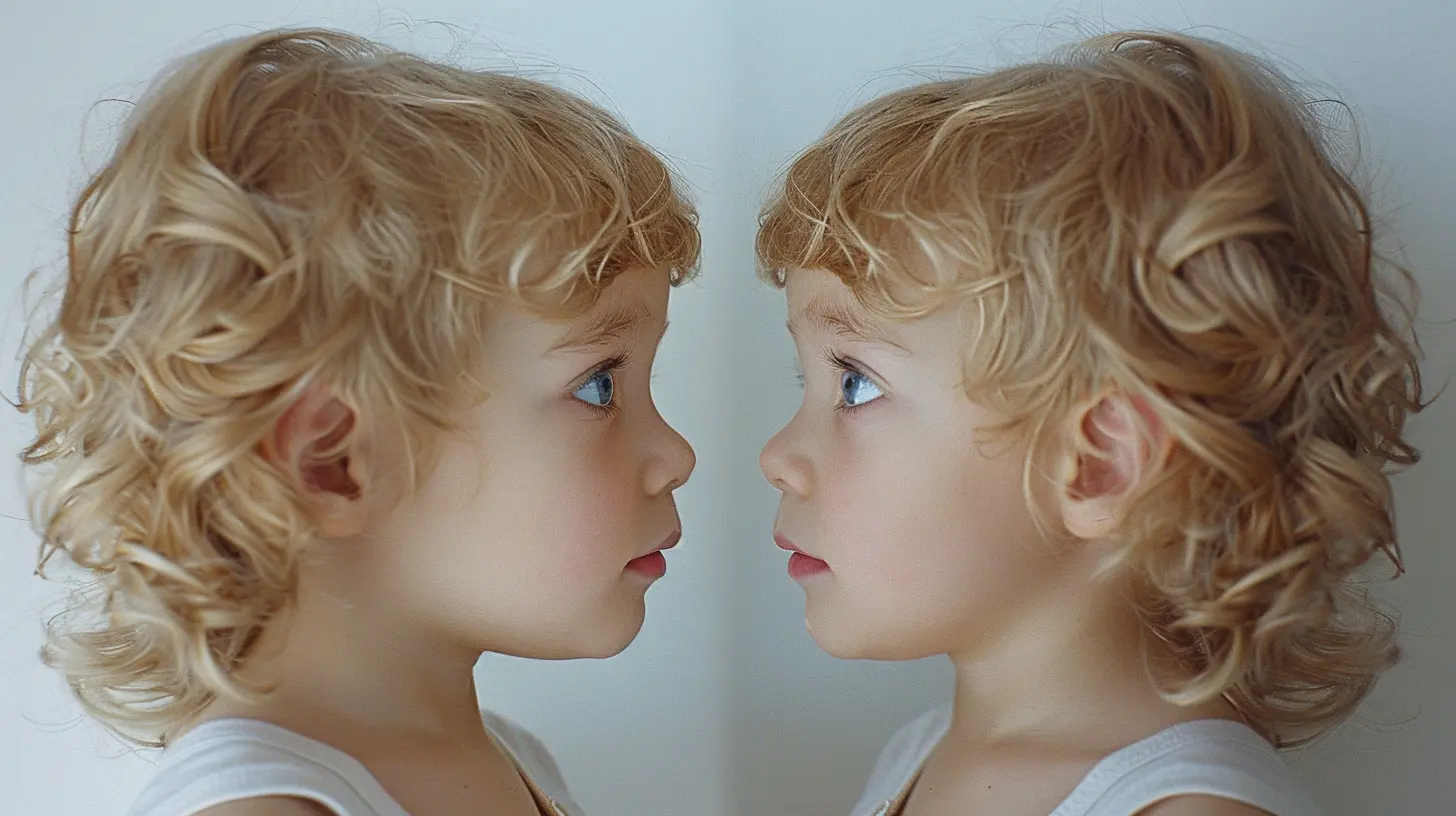
How Parents Can Promote Emotional Intelligence in Twin Children
Okay, let’s get practical. You don’t need a psychology degree or hours of free time to help your twins build emotional smarts. Here are real-life, doable strategies for making EQ a part of your parenting style.1. Use the Power of Naming Emotions
Believe it or not, one of the most powerful EQ tools is vocabulary. When kids can name what they feel, they can begin to understand and regulate those feelings.Start small:
- "You look sad. Did something happen at school?"
- “Are you feeling frustrated because you couldn’t finish your puzzle?”
When you label emotions, your twins learn that all feelings are valid and manageable—not just the “happy” ones.
? Twin Tip: If one twin is more expressive than the other, encourage both to talk about their day individually. This prevents one child from speaking for both and allows each to explore their emotions independently.
2. Encourage Individuality
This one’s huge. Twins often get lumped together—same outfits, same parties, same everything. But they're two unique people, and their emotional needs might be completely different.What You Can Do:
- Give them different choices: maybe one wants to do soccer while the other prefers dance.
- Offer one-on-one time with each twin regularly.
- Respect their different reactions to the same situation.
Celebrating their individuality helps each twin tune into their own emotional world and not just mirror their sibling’s.
3. Model Emotional Intelligence
Your kids are always watching—no pressure, right?Seriously though, you are their best EQ teacher. When you handle stress calmly, apologize when you’re wrong, or talk about your day and how you felt, it sends a message.
Try this:
> “Wow, I had a tough day at work. I felt overwhelmed, but I took a break and felt better.”
You’re showing them how to name emotions, cope, and communicate—all without a lecture.
4. Create a Safe Space for Feelings
Your twins need to know that they can come to you with any emotion—joy, sadness, fear, anger—and not be judged or dismissed. The trick? Stop trying to “fix” everything.Instead, validate.
> “I understand you’re upset that your sister took your toy. It’s okay to feel mad. Let’s talk about what we can do next time.”
By validating their feelings, you're helping them develop emotional resilience. Just because a feeling is uncomfortable doesn’t mean it’s wrong.
5. Teach Problem-Solving Over Conflict Resolution
Twins bicker—A LOT. But instead of just playing referee, help them become their own mediators.Walk them through steps like:
- What happened?
- How did it make you feel?
- What do you need?
- What can we do differently next time?
This not only solves the immediate problem but equips them for future conflicts—whether it's on the playground or later in life with a partner or colleague.
6. Use Books and Stories as Emotional Mirrors
Kids absorb stories like sponges. Use that to your advantage.Find children’s books that deal with emotions like jealousy, loneliness, fear, or friendship. Read and then ask:
- “Have you ever felt the way this character feels?”
- “What would you do in their shoes?”
Storytime can effortlessly become a mini EQ workshop.
7. Monitor Screen Time and Social Behavior
Ever notice how media can crank up emotions—especially in young kids? Certain shows or games might push hyper-stimulation or unrealistic conflict resolution. Keep an eye on what they’re watching and be ready to talk about it.You might ask:
> “That character was really angry—did they handle it well?”
Help them analyze and reflect, rather than just consume.
Addressing EQ Development at Different Ages
Early Childhood (Ages 2–5)
Focus on helping them name feelings, mirror empathy, and use basic calming tools like breathing, quiet time, or asking for help.Middle Childhood (Ages 6–10)
Start incorporating emotional journaling, more advanced conflict resolution, and deeper conversations about others’ experiences and perspectives.Tween and Teen Years
At this stage, your role shifts toward coaching. Let them express themselves without fear of consequences. Encourage independence in navigating tough feelings like anxiety, peer pressure, and identity issues—especially relevant for twins defining their own paths.The Role of Schools and Social Environments
Let’s face it—your twins don’t live in a vacuum. Their teachers, friends, and even extracurricular activities play HUGE roles in shaping their emotional intelligence.Partner with teachers to watch for social dynamics and provide feedback. Encourage your twins to engage in group activities that promote teamwork, empathy, and emotional expression—like drama, debate, or sports.
When to Seek Professional Help
Sometimes, despite all your efforts, one or both of your twins might struggle emotionally. If you notice signs like chronic anxiety, withdrawal, aggression, or emotional outbursts that don’t improve, don’t hesitate to consult a child psychologist or counselor.Therapy isn’t a failure. Think of it like a tune-up for your child’s emotional engine.
Final Thoughts: Raising Emotionally Intelligent Twins Takes Heart
Parenting twins? It’s kind of like juggling two fireworks with one hand—you're trying to keep both bright and flying, without burning out.But by focusing on emotional intelligence, you're not just raising “well-behaved” kids. You're nurturing compassionate, aware, and resilient humans who can navigate life’s complexities with grace and confidence.
And isn’t that the goal?
So take it one moment—one feeling—at a time. Celebrate their bond, honor their individuality, and keep those EQ lessons flowing.
You’ve got this.
all images in this post were generated using AI tools
Category:
Parenting TwinsAuthor:

Liam Huffman