Protect Your Child from Cyberbullying: A Parent’s Guide
24 May 2026
Let’s be real—raising kids in the digital age is like navigating an unfamiliar road with no GPS. The internet brings a ton of amazing opportunities, but it also opens a door to a darker side—cyberbullying. Yep, the kind of bullying that doesn’t stop at school—it follows your child wherever Wi-Fi is available.
But here’s the good news: You’re not powerless. In fact, as a parent, you’re your child’s first and most important line of defense. So let’s dive in and talk about how you can protect your child from cyberbullying while still allowing them to enjoy the benefits of being connected.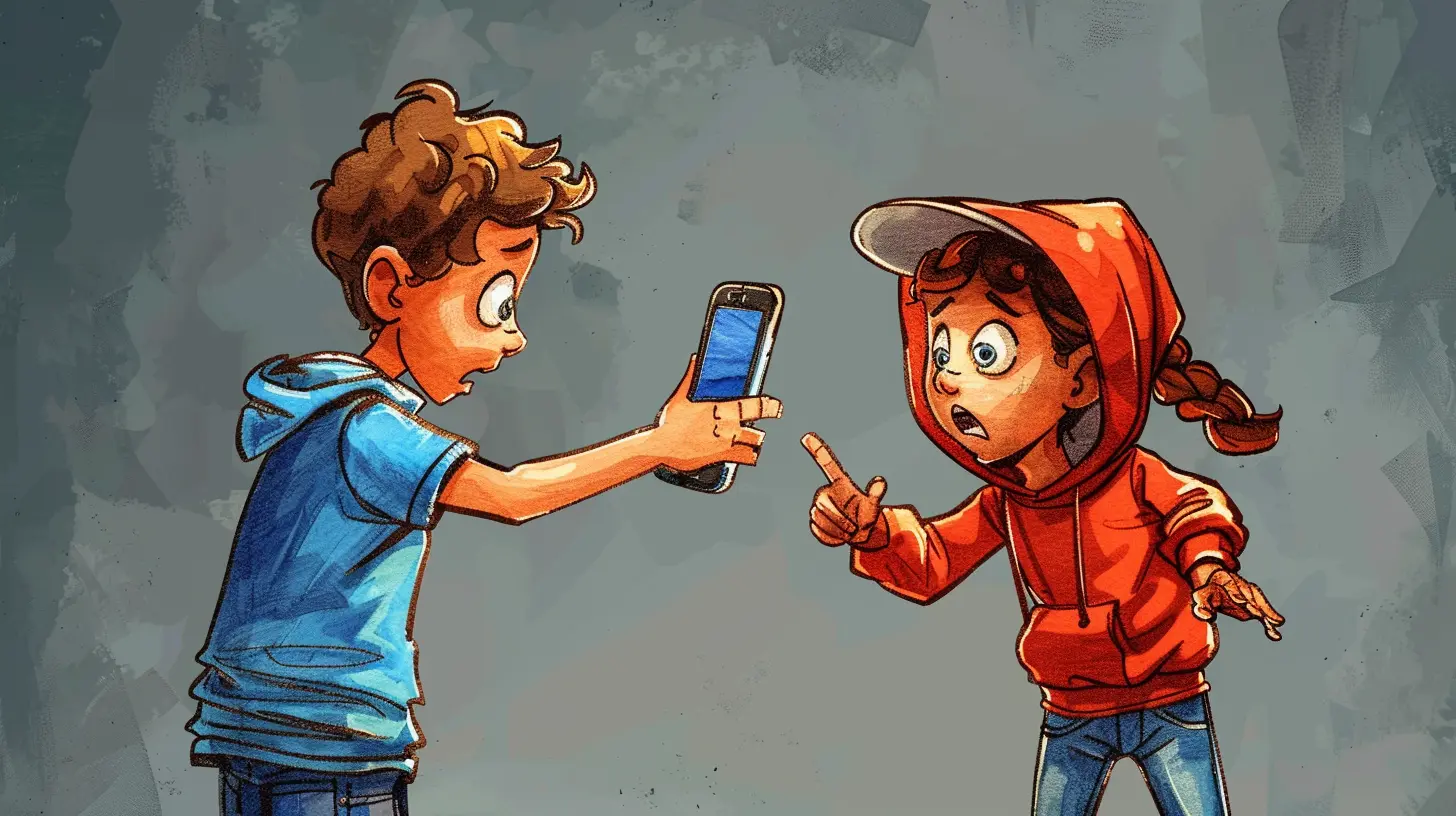
What Is Cyberbullying, Really?
Cyberbullying is like traditional bullying’s tech-savvy cousin. It happens online—through social media, messaging apps, gaming chatrooms, emails, and even texts. It can look like mean comments, rumors, private pictures being shared, or someone being excluded from group chats on purpose. Basically, if it’s mean-spirited and happening through a screen, it’s cyberbullying.And trust me, it’s not “just kids being kids.” Cyberbullying can have serious emotional consequences—anxiety, depression, low self-esteem, and even suicidal thoughts. So yeah, it’s a big deal, and it deserves our full attention.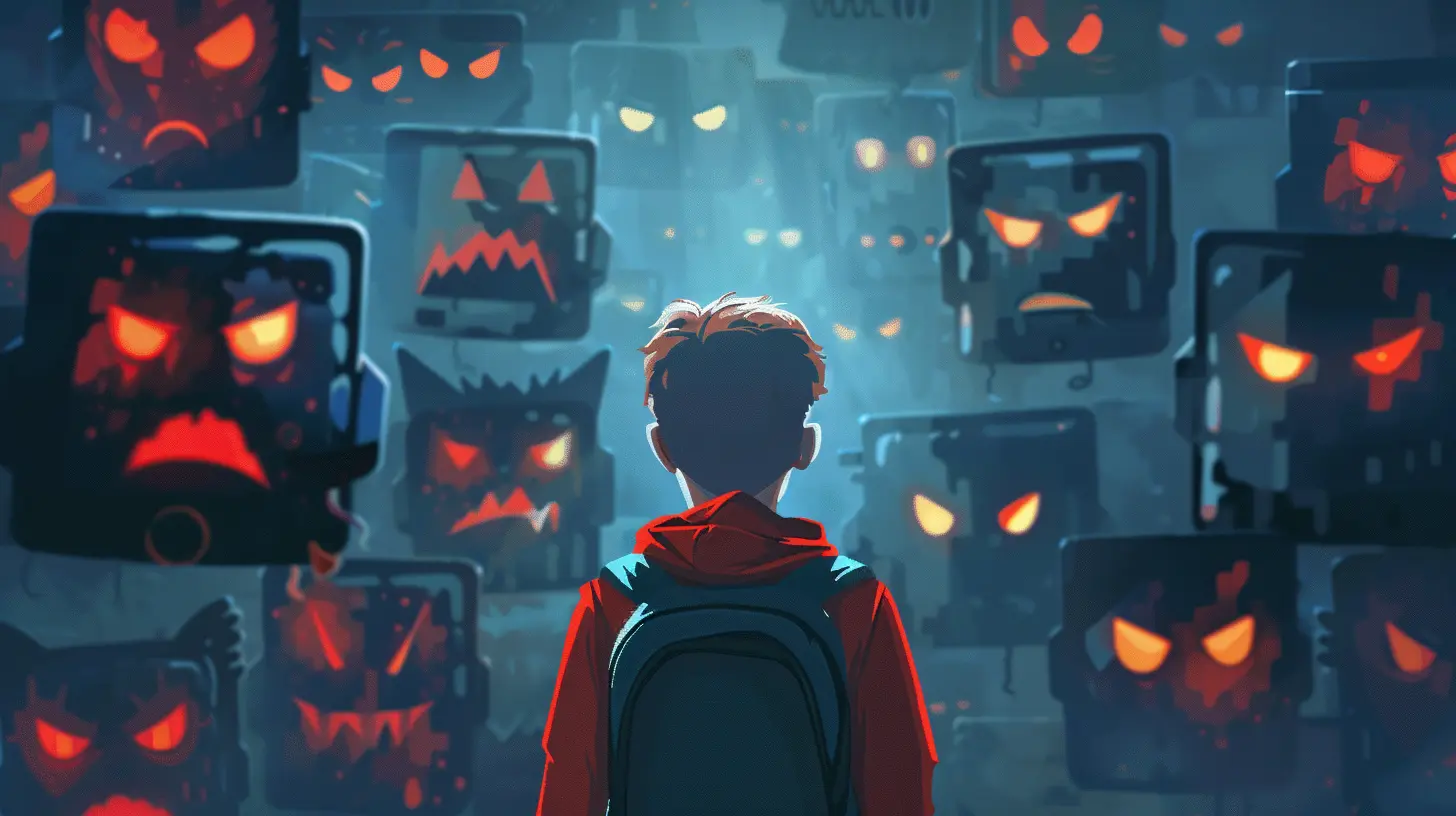
Why Parents Need to Be Involved
Let me ask you this: If your child came home with a bruised knee, wouldn’t you ask what happened? Of course, you would. So when their emotional well-being is on the line because of something happening online, it’s equally—if not more—important to jump in.The truth is, kids don’t always come to you when they’re being cyberbullied. Sometimes they’re ashamed. Or maybe they think you’ll take away their phone or internet privileges. That’s why creating a supportive, open environment is key.
Spotting the Signs of Cyberbullying
So how do you know if your child is being cyberbullied? Unfortunately, they might not always tell you. But there are signs—and if you know what to look for, you can catch it early.Here are some common red flags:
- Avoiding their phone or computer (suddenly dreading screen time? That’s suspicious)
- Becoming withdrawn or secretive
- Sudden mood swings, anxiety, or depression
- Trouble sleeping or eating
- Dropping grades or a lack of interest in school
- Deleting social media accounts without explanation
If you see any of these, don’t panic—but don’t ignore them either.
Talk Early, Talk Often
Having “the talk” isn’t just about birds and bees anymore. Have regular chats with your kids about online behavior, kindness, and how to treat others with respect—even behind a screen. These conversations should start when they’re young and continue as they grow.Make it clear:
- It’s okay to come to you if something online makes them uncomfortable.
- You won’t overreact or take away their device.
- You’re on their side, always.
Think of it like seatbelt training for the digital world—when kids know the rules and feel safe, they’re more likely to make smart choices.
Set Clear Rules and Boundaries
Let’s face it—kids aren’t born knowing how to navigate the internet safely. That’s where your family’s “Digital House Rules” come in. Here’s how you can set boundaries without being the fun-police:1. Time Limits
Set screen time boundaries to help your child develop a healthy relationship with technology. Bonus: Less time online often means less exposure to negativity.2. Approved Apps and Sites
Know what platforms they're on. TikTok, Snapchat, Roblox—each comes with its own set of challenges. Do a little homework and decide together what’s okay and what’s off-limits.3. Privacy Settings
Teach them how to lock down profiles so strangers can’t contact them. Privacy isn’t just about being hidden—it’s about being safe.4. No Screens in Bedrooms
This might sound harsh, but it helps limit unsupervised late-night scrolling, which is when cyberbullying often strikes.Use Parental Controls Wisely
We’ve got tools for everything these days—from setting bedtime alarms to tracking our steps. So why not use tech to keep your kid safe?Parental control apps like Bark, Qustodio, or Net Nanny can monitor for things like inappropriate content or signs of cyberbullying without being overly invasive. Think of it like a smoke detector—it doesn’t stop the fire, but it lets you know when there’s danger.
But remember, parental controls are just tools—not substitutes for trust and communication.
Teach Them How to Respond
So what if your child becomes a target? First, take a deep breath. Don’t freak out. Then teach them how to respond—not react.Here’s a simple action plan:
- Don’t engage: Teach them not to respond to mean comments.
- Block and report: Most platforms allow easy reporting of abusive users.
- Save the evidence: Screenshots and messages can be key if things escalate.
- Tell a trusted adult: Whether it’s you, a school counselor, or a teacher, make sure they know they’re not alone.
Remind them that bullies want a reaction. Taking the high road isn’t just mature—it’s powerful.
What If Your Child Is the Bully?
Oof. This one's tough but important. No parent wants to believe their kid could be hurting others. But if you find out your child is the one doing the bullying—take it seriously.Talk to them calmly. Try to understand why it’s happening. Maybe they’re being pressured by peers, or maybe they don’t realize the impact of their words. Then, make it clear: this behavior isn’t okay and has real consequences.
Use it as a teachable moment about empathy, kindness, and making things right.
Connect with the School
Teachers and school counselors are your allies here. If cyberbullying involves classmates or spills over into school life (and it often does), loop them in. Many schools have anti-bullying policies and can help mediate or step in if things get out of hand.Encourage Positive Online Behavior
The best way to fight darkness? Shine some light. Teach your child how to be a positive digital citizen. That means:- Being kind in comments
- Standing up when they see bullying
- Refusing to share or laugh at hurtful posts
- Spreading encouragement instead of hate
Kindness is contagious. Help your child be the kind of online friend others are lucky to have.
When to Seek Professional Help
Sometimes, the effects of cyberbullying go deeper than we can see. If your child can’t shake the sadness, has trouble sleeping, or seems overwhelmed, it might be time to bring in a counselor or therapist.There’s no shame in needing support. Mental health matters—always.
Final Thoughts: Be Their Safe Place
At the end of the day, your child needs to know one thing above all else—you’ve got their back. The online world can be messy, unpredictable, and even mean. But home? Home should feel like the safest place on earth.Keep those lines of communication wide open. Listen more than you speak. And remember, even when it seems like they aren’t listening—they are.
Protecting your child from cyberbullying isn’t about wrapping them in bubble wrap or deleting the internet. It’s about empowering them with knowledge, standing beside them with courage, and reminding them every day that they’re never alone.
Quick Tips to Remember
Let’s wrap this up with some bite-sized takeaways:✅ Talk early and often about online safety.
✅ Watch out for emotional red flags.
✅ Set boundaries—screen time, apps, and privacy.
✅ Use parental controls as a support tool.
✅ Teach them how to respond, not react.
✅ Be a role model for digital kindness.
✅ Collaborate with schools when needed.
✅ Seek professional help if it gets overwhelming.
✅ Always, always be their safe space.
Parenting in the digital age may seem tough, but with the right tools and a whole lot of love, you’ve got this. Your kids are lucky to have you.
all images in this post were generated using AI tools
Category:
Child SafetyAuthor:

Liam Huffman
Discussion
rate this article
1 comments
Lisette Powell
This guide is essential for parents. Understanding cyberbullying can make a real difference in a child's life.
June 3, 2026 at 3:33 PM
Liam Huffman
I'm glad you found it helpful! Awareness is key in supporting our kids.