Raising Twins with Different Temperaments: How to Balance
6 March 2026
So, you’re raising twins – double the love, double the giggles, double the... challenges. But what happens when your twins are as different as night and day? One's chill and easygoing, the other’s spirited and fiery – and your parenting playbook just threw itself out the window. Sound familiar?
You're not alone. Many parents of twins expect them to be two peas in a pod, but what they get is more like one pea and one pepper. It’s both beautiful and exhausting. In this post, we’re diving deep into how to balance raising twins who march to their own drums – with very different beats.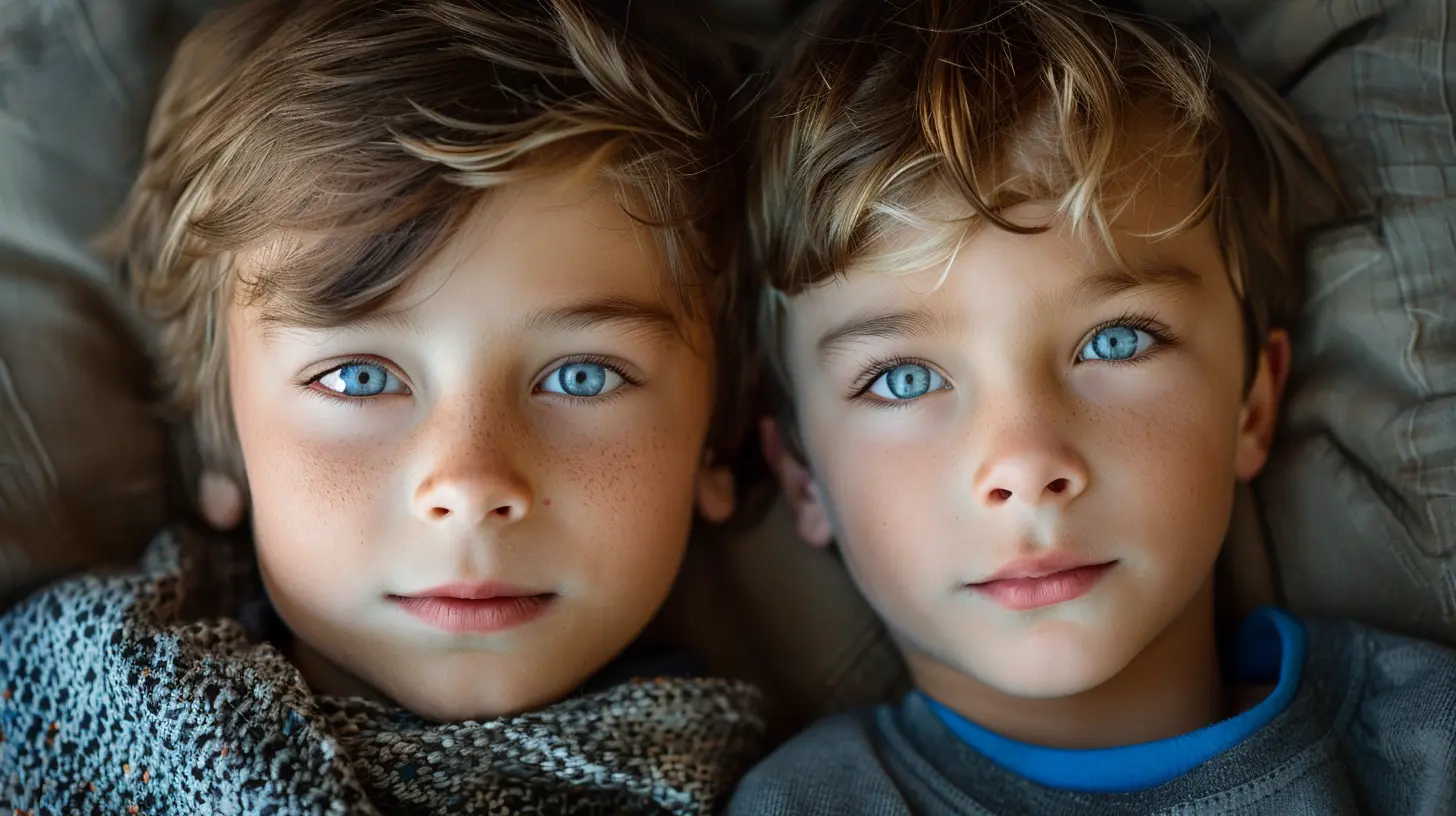
The Surprise No One Warned You About
Let’s be honest – when you found out you were having twins, you probably imagined them dressing alike, playing nicely, and maybe even finishing each other’s sentences.Then reality hit.
Despite sharing the same womb (and sometimes even the same bedroom), your twins are nothing alike. One might be a social butterfly, always looking for someone to engage with, while the other is perfectly content building block towers in silence. And when it comes to emotions, don’t even get us started – one cries at the drop of a hat, and the other seems emotion-proof.
And that’s okay.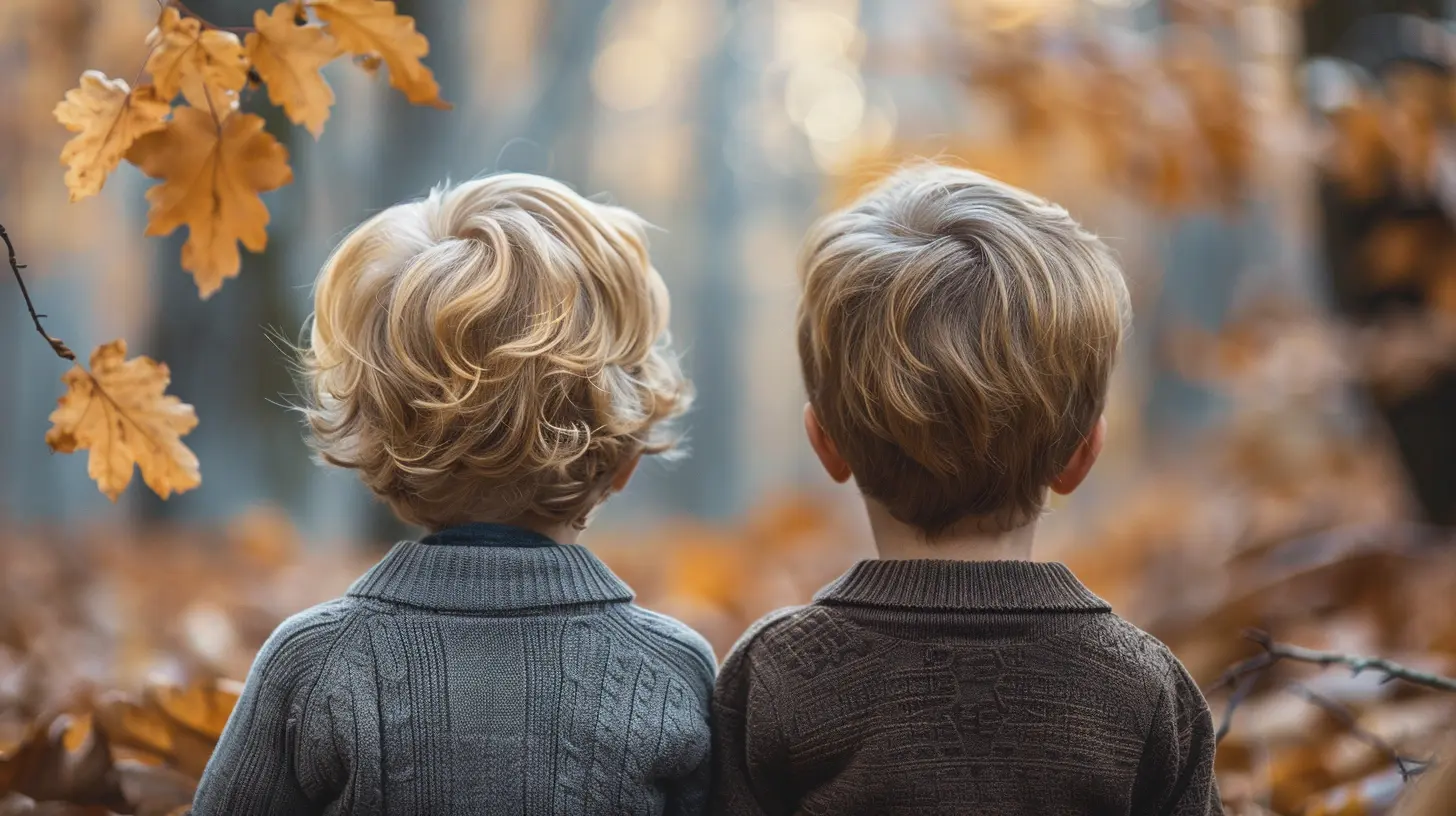
Understanding Temperament in Twins
Temperament is the raw, natural part of personality that shows up right from birth. It’s not something you taught them – it’s just wired in. Think of it like their emotional fingerprint.Here are some basic temperament traits:
- Activity level – Is your child a constant mover or more laid-back?
- Adaptability – How easily do they adjust to change?
- Sensitivity – Are they easily bothered by sensory stimuli?
- Emotional intensity – Do they feel things deeply or glide through life?
- Sociability – Do they love being around people or prefer solo time?
Now imagine one twin scores high in adaptability and sociability while the other doesn’t budge when routines shift and prefers quiet corners. Parenting just got extra spicy.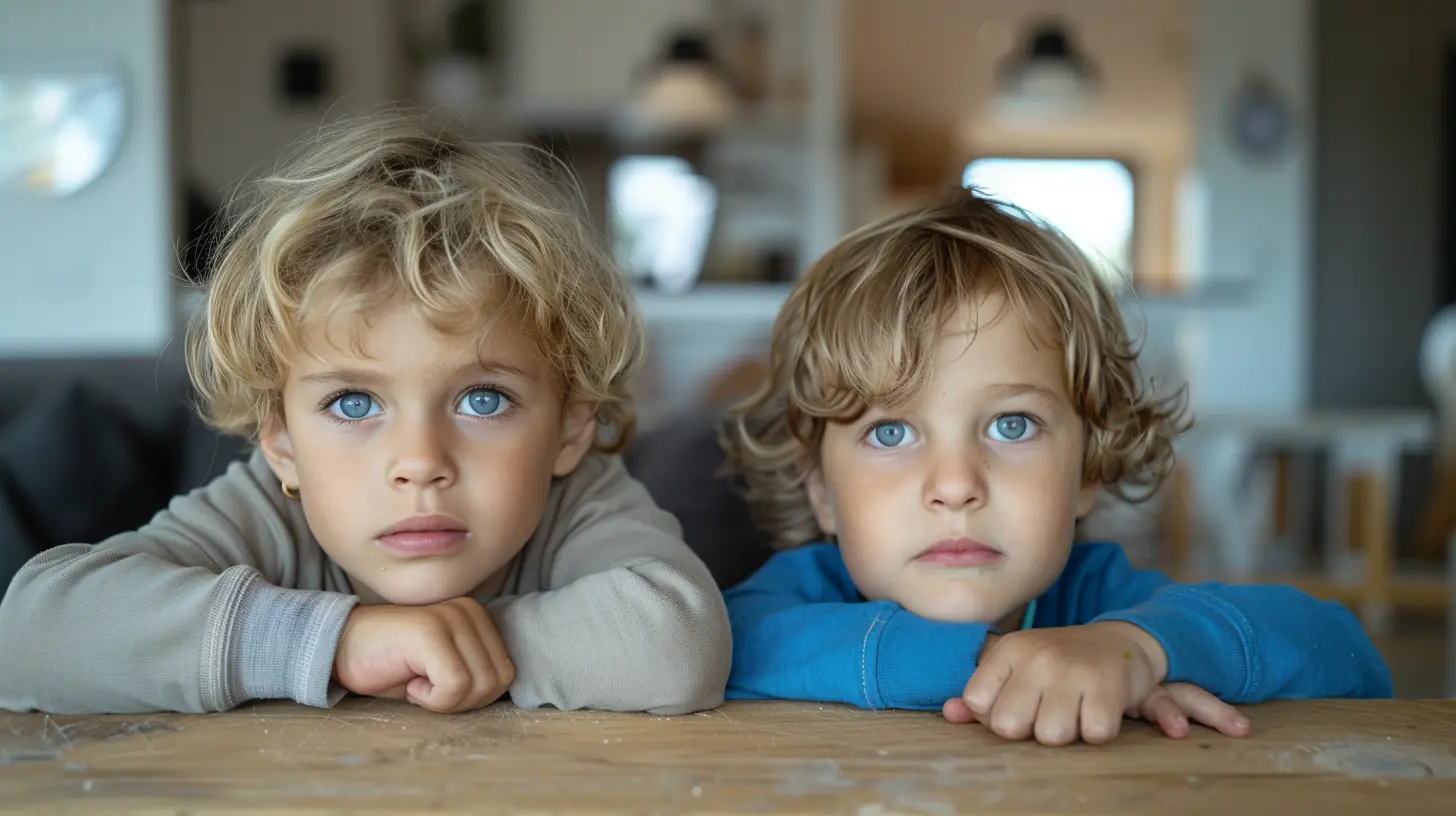
Why Opposite Temperaments Can Be a Gift (Not a Curse)
It might seem like a cosmic joke – two kids, same age, wildly different personalities. But here’s the silver lining: this dynamic can teach your children empathy, patience, and flexibility from a young age.And for you? It’s a crash course in personalized parenting.
Think of it like learning two languages at once. It’s hard in the beginning, but eventually, you fluently speak “Calm and Collected” and “High-Energy Hurricane” without breaking a sweat.
How to Balance Their Needs Without Losing Your Mind
Raising twins with different temperaments can feel like herding cats in two different directions. But with a little strategy (and a lot of coffee), it's totally doable.1. Ditch the One-Size-Fits-All Approach
One of the biggest mistakes twin parents make? Trying to parent both kids the same way. Even if it keeps things “equal,” it’s not always “fair.”Fair doesn't mean identical. It means meeting each child where they are.
If one twin needs more alone time and the other thrives on interaction, try giving the introverted twin a quiet space after school while the extroverted one tags along with you to the grocery store. Tailor your approach and watch your twins blossom.
2. Create Routines That Flex
Structure is great, especially for twins. But rigid routines? Not so much when temperaments clash.Example: If one child loves spontaneity and the other hates surprises, try framing changes as “planned flexibility.” Give both kids a heads-up about what’s coming but leave some room for choices. Add visuals or a chart if needed – it helps both feel in control, even when the plan changes.
3. Be a Mirror, Not a Magnifier
Remember, kids look to you to understand the world – and themselves. If you react to one child’s loud outburst by tensing up and snapping, it escalates. But if you stay calm and name their feelings, you’re teaching emotional literacy.Say something like, “You’re feeling really frustrated right now, huh? It’s okay to feel that. Let’s figure out what you need.”
Respond, don’t react. You’re the emotional thermostat in the room (even if you feel like a boiling kettle inside).
4. Encourage Teamwork, Not Comparison
It’s so easy to fall into the trap of saying, “Why can’t you be more like your brother?” But this hurts more than it helps.Instead, celebrate their differences. Highlight how their unique strengths work together. Maybe one twin solves puzzles like a genius, and the other makes friends wherever they go. Team them up on tasks that use both their superpowers.
Think Batman and Robin, not Batman vs. Superman.
5. Make One-on-One Time a Priority
This one’s tough, no lie. But carving out separate time with each twin (even if it's just 15 minutes a few times a week) can make a huge difference.Use this time to:
- Let them lead the activity
- Listen without interruptions
- Validate their feelings and interests
It builds connection and lets each child feel uniquely valued.
6. Set Boundaries, But Personalize the Consequences
Rules are rules – but the way you enforce them can vary.For example, if both kids throw a tantrum, your reasoning for each might look different. One may need quiet space to calm down, the other might need a heart-to-heart chat. You’re not playing favorites; you’re parenting through the lens of temperament.
Consistency is key in boundaries, but flexibility in delivery is the secret sauce.
7. Watch Out for Labels
It’s easy to say, “She’s the shy one,” or “He’s the wild one.” But labels stick – especially in the twin dynamic, where kids are constantly compared.Instead, describe behaviors, not identities.
Instead of “You’re so dramatic,” try, “It seems like that situation made you feel really upset.” This small shift keeps the door open for growth.
Supporting Their Individual Growth While Promoting Sibling Bond
Finding the balance between nurturing their individuality and encouraging sibling closeness is tricky, but it’s possible.Here’s how:
- Let them pursue different hobbies. Just because one signs up for piano doesn’t mean the other has to.
- Give them space to miss each other. Time apart makes the bond sweeter.
- Avoid using one twin to manage the other. They're siblings, not buffers or babysitters.
Most importantly, celebrate their bond without forcing it. There will be days of rivalry and days of partnership – both are normal and healthy.
When It’s Time to Call in Backup
It’s okay to admit when things feel overwhelming. If the temperament differences are causing major disruptions or you’re seeing signs of anxiety or depression in one or both children, talk to a pediatrician or child therapist.There’s no shame in asking for help – parenting twins isn't for the faint of heart.
The Big Takeaway
Raising twins with different temperaments is like spinning two plates in opposite directions. One needs more structure, the other craves freedom. One wears their heart on their sleeve, and the other keeps it tucked away. You’re basically a parenting ninja.But here's the truth: You’re doing better than you think.
Balance doesn’t mean perfection. It means tuning in, being flexible, and loving each child exactly as they are. It’s messy and magical all at once.
So, give yourself grace. You’ve got this – one beautifully complex child at a time.
all images in this post were generated using AI tools
Category:
Parenting TwinsAuthor:

Liam Huffman
Discussion
rate this article
2 comments
Carson McGuire
Balancing twins with different temperaments requires patience and understanding. Embrace their unique personalities, tailor your approach to their needs, and foster a nurturing environment that celebrates their differences.
March 17, 2026 at 4:47 AM
Liam Huffman
Thank you for your insightful comment! Embracing each twin's unique temperament is indeed key to fostering a harmonious and nurturing environment.
Journey Bishop
Navigating the challenges of raising twins with distinct temperaments has taught me patience and empathy. Embracing their individuality while finding common ground is essential. It’s a beautiful journey of learning and growth for both them and me.
March 8, 2026 at 4:59 PM
Liam Huffman
Thank you for sharing your insights! Embracing each child's individuality while seeking common ground truly enriches the parenting experience. Your journey highlights the beauty of growth in both parents and children.