Scooter and Skateboard Safety Tips for Young Riders
1 April 2026
Skateboarding and scootering are more than just fun activities—they’re a rite of passage for kids. The thrill of the ride, the wind rushing past, and the feeling of freedom make it a favorite pastime for many young riders. But with great fun comes great responsibility.
As parents, we all want our kids to be safe while still enjoying their adventures. So, how do we strike the right balance? This guide will walk you through essential safety tips to keep your child rolling safely, minimizing the risk of injuries while maximizing the fun. 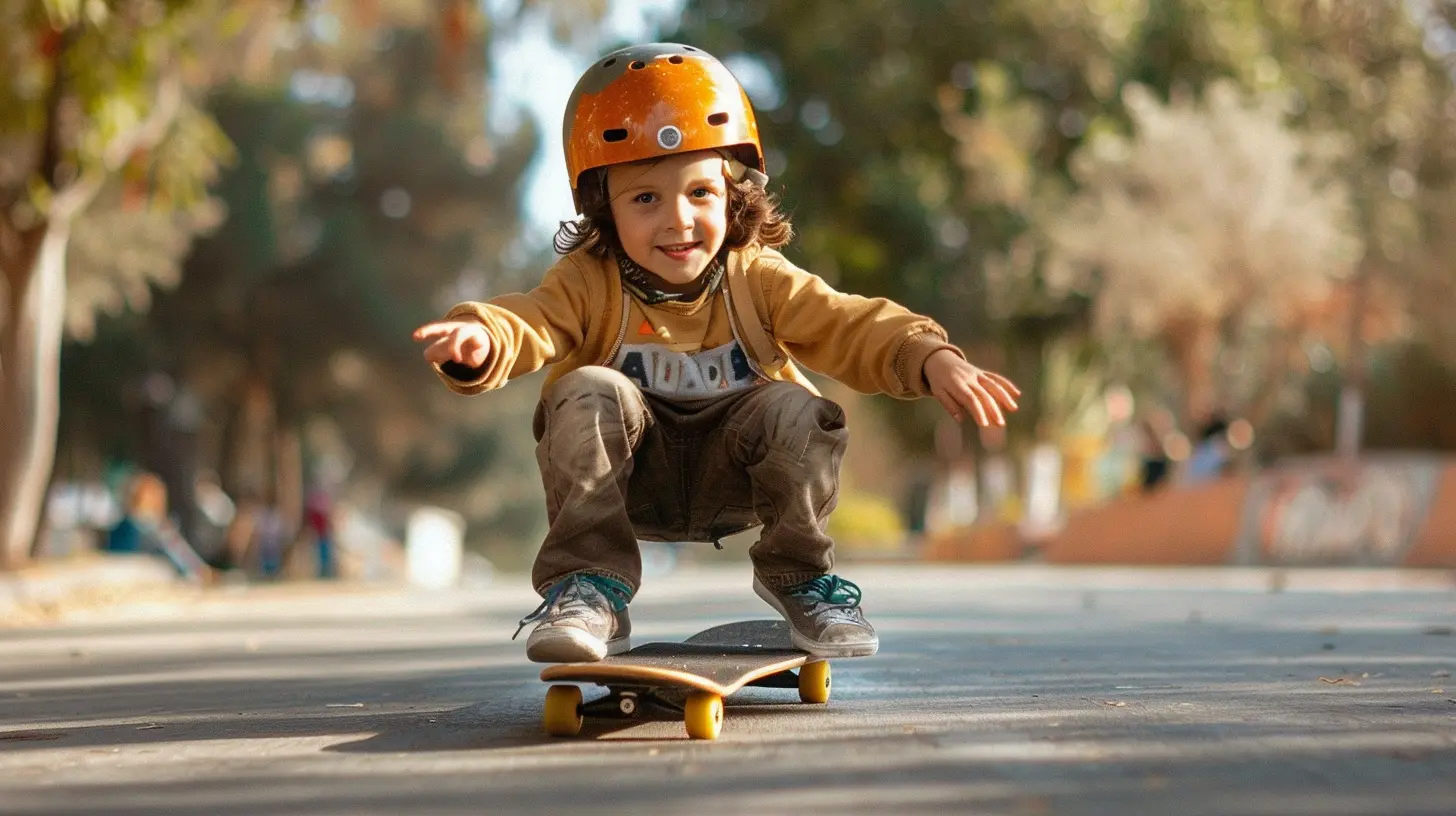
Why Safety Matters for Young Riders
Before we jump into the nitty-gritty of safety tips, let’s talk about why this even matters.Each year, thousands of children end up in emergency rooms due to scooter and skateboard accidents. Many of these injuries could have been prevented with the right precautions. From scrapes and bruises to more serious fractures or head injuries, safety gear and proper riding techniques go a long way in keeping kids out of harm’s way.
The goal isn’t to make riding boring—it’s to make sure your child enjoys it for years to come without unnecessary trips to the hospital. 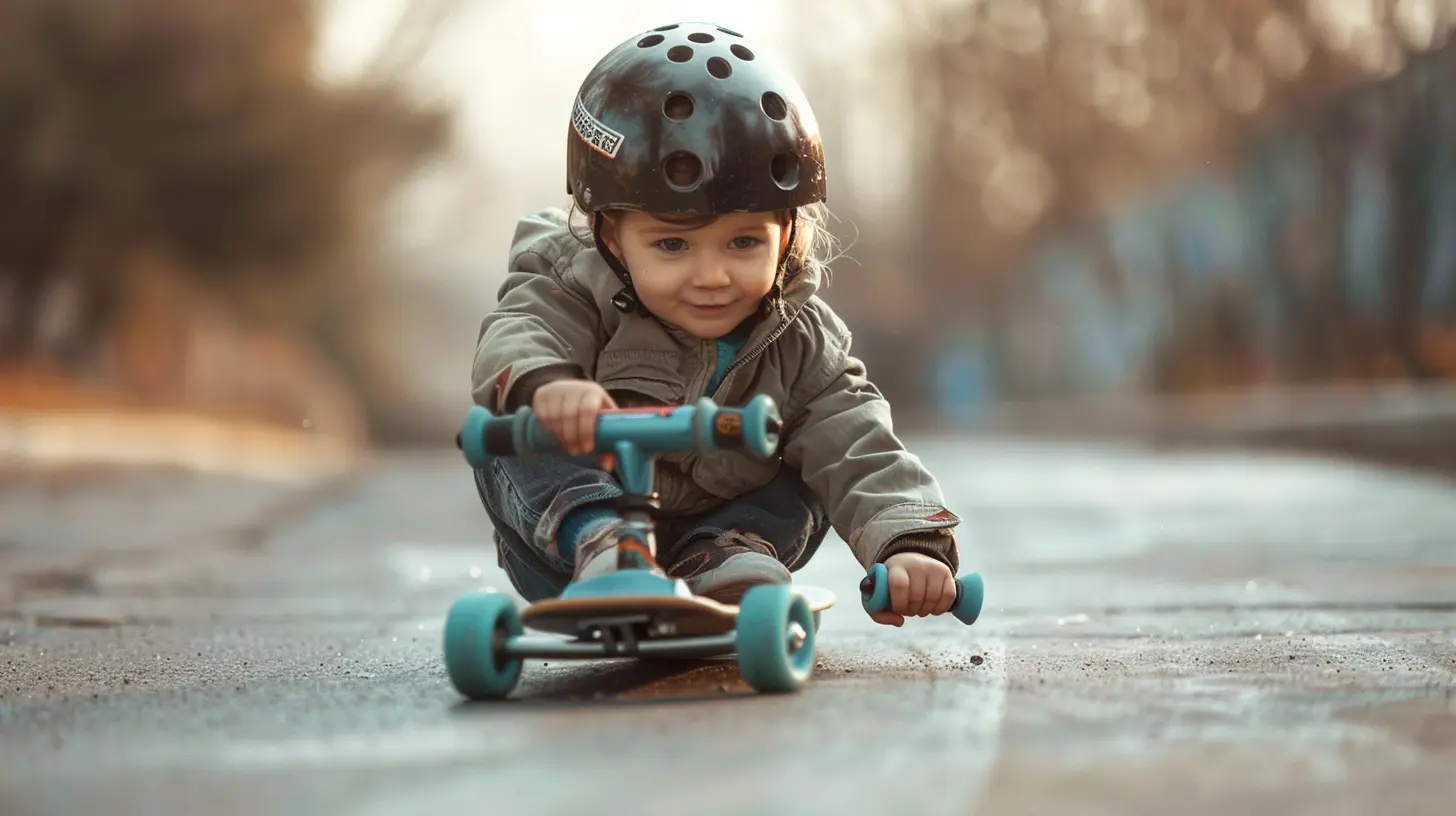
The Right Gear: Safety Starts with Proper Equipment
When it comes to scooter and skateboard safety, the right equipment makes all the difference.1. Helmet: The Non-Negotiable Essential
Let’s be real—a helmet is the single most important piece of safety gear. Head injuries can be severe, and a well-fitted helmet significantly reduces the risk.- Choose a certified helmet: Look for one that meets U.S. CPSC (Consumer Product Safety Commission) standards.
- Ensure a snug fit: The helmet should sit level on your child’s head, not tilting back or sliding around.
- Use the two-finger rule: The strap should be tight enough that only two fingers fit between the chin and the strap.
2. Knee Pads, Elbow Pads, and Wrist Guards
These might not seem as crucial as a helmet, but they can save your child from a world of pain.- Knee and elbow pads provide cushioning against falls.
- Wrist guards reduce the risk of fractures, especially when kids instinctively put their hands out to break a fall.
3. Proper Footwear
Flip-flops or sandals? Absolutely not.- Closed-toe shoes with good grip (like sneakers) are a must.
- Avoid shoes with thick soles that reduce board feel and balance. 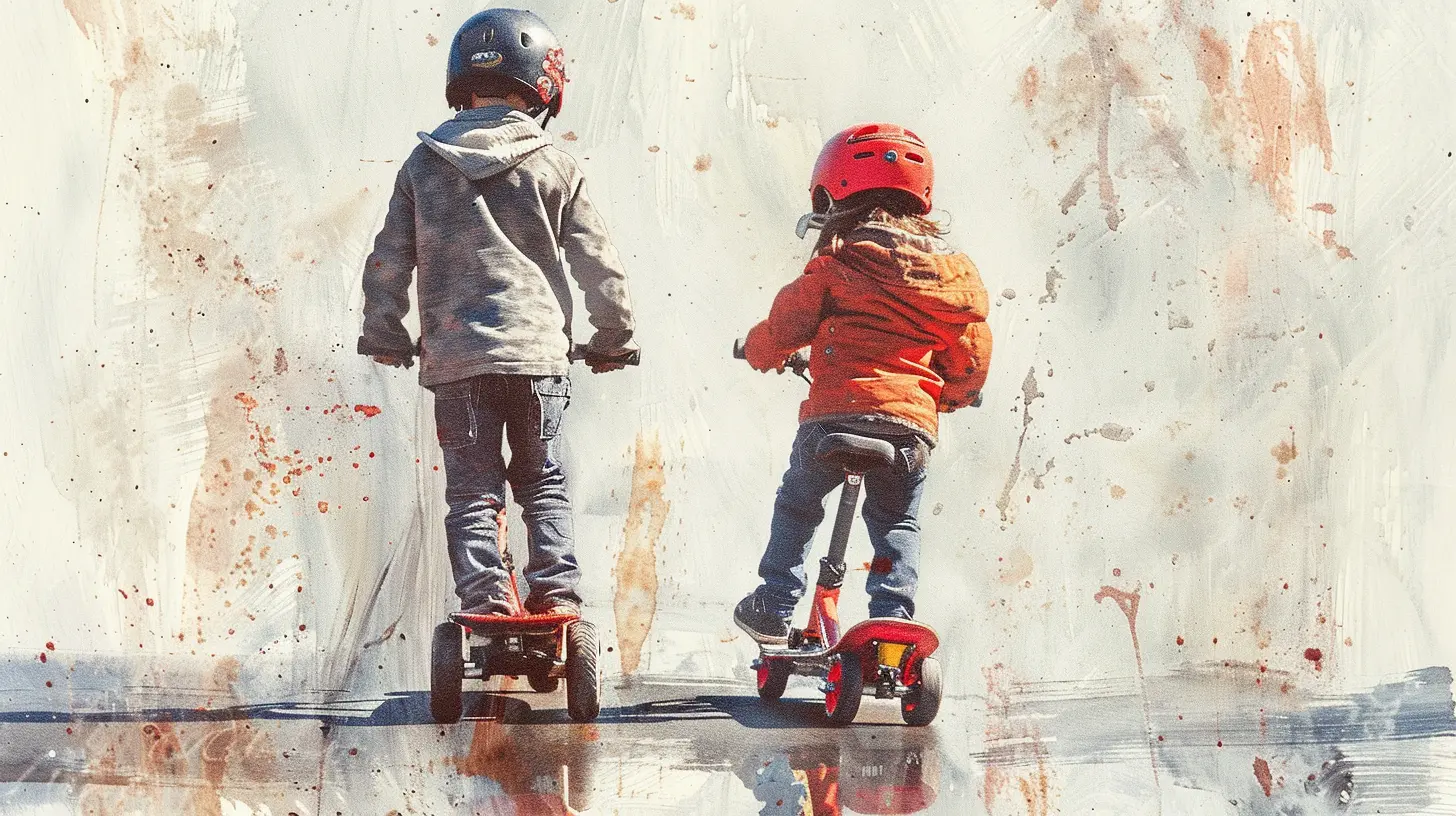
Choosing a Safe Riding Location
Where your child rides matters just as much as how they ride.1. Avoid Busy Streets
Young riders should stick to areas away from traffic. Driveways that lead to streets, congested sidewalks, and parking lots with moving cars are accidents waiting to happen.2. Opt for Smooth, Even Surfaces
Uneven pavement, gravel, or cracked sidewalks can cause sudden stops and spills. Parks, skateparks, or smooth pavements are much better choices.3. Ride During Safe Hours
Riding at dusk or in the dark? Not a great idea.- Ensure your child rides when visibility is good.
- If evening rides are inevitable, equip them with reflective gear and lights. 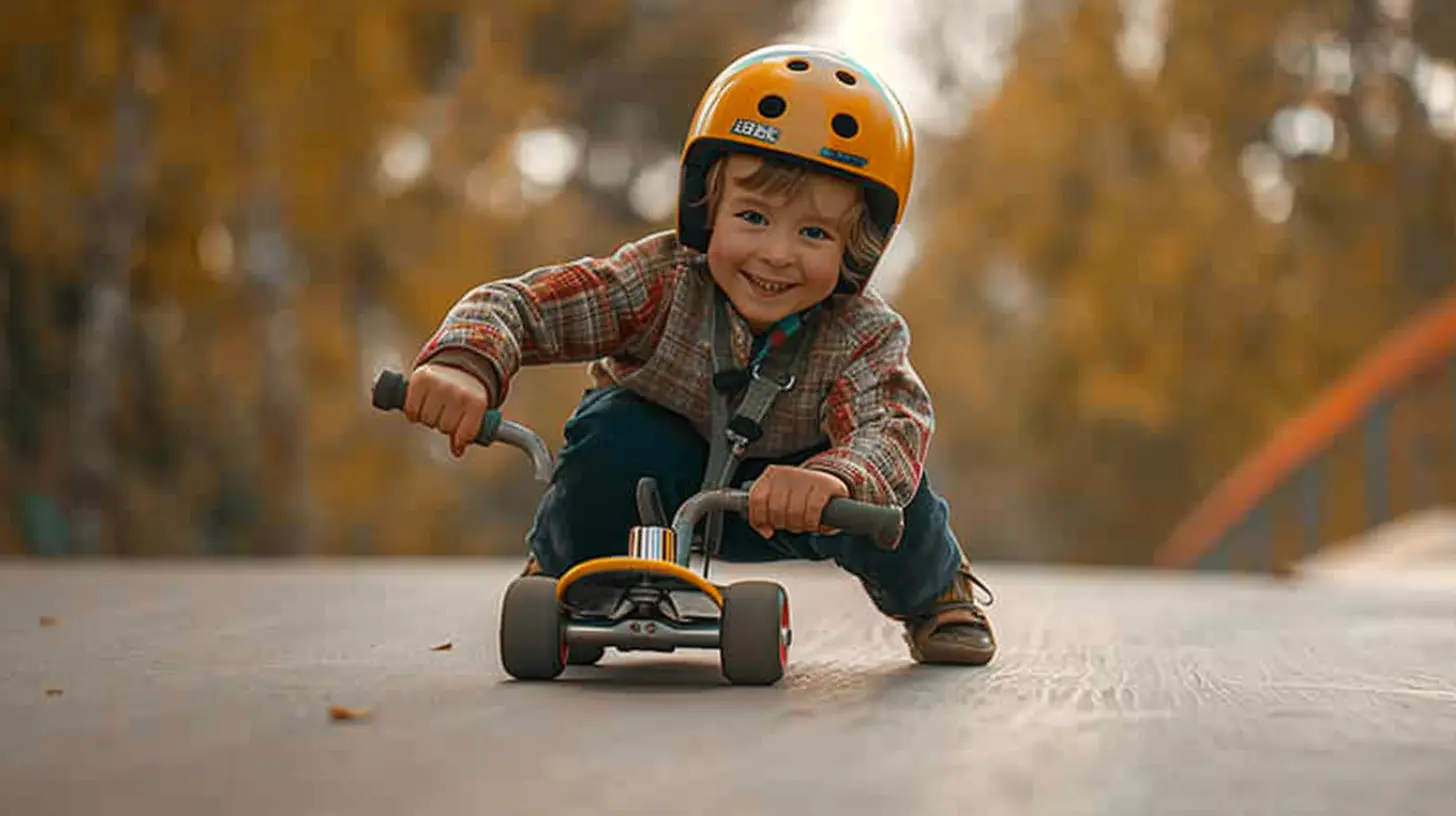
Safe Riding Techniques: Mastering the Basics
Even with the best gear, accidents can still happen. Teaching your child proper riding techniques will help prevent falls and crashes.1. Start Slow and Build Confidence
No one becomes Tony Hawk or a scooter pro overnight. Encourage your child to start slow, master basic moves, and gradually take on more challenges.2. Learn How to Fall Safely
It sounds counterintuitive, but knowing how to fall can prevent serious injuries.- Teach kids to tuck and roll rather than putting their hands out straight.
- Falling on the side instead of face-first can also reduce impact injuries.
3. Keep Both Feet on the Deck While Riding
For beginners, balancing with both feet on the board or scooter deck helps maintain stability. Wobbling or standing on one foot increases the risk of losing control.4. Use Both Hands on the Scooter Handlebars
It may look cool to ride one-handed, but it's a recipe for disaster. Holding the handlebars with both hands provides more control, especially when navigating uneven surfaces.5. Look Ahead, Not Down
Kids often make the mistake of staring at their feet while riding. Keeping their eyes ahead helps anticipate obstacles like curbs, bumps, or other riders.Traffic and Pedestrian Awareness
Not all hazards come from poor riding skills—many accidents involve other people, cars, or obstacles. Teaching kids to be aware of their surroundings is just as important as wearing protective gear.1. Obey Traffic Signs and Signals
If your child rides on sidewalks or near streets, make sure they understand basic traffic rules. Stop signs, crosswalks, and pedestrian signals exist for a reason.2. Yield to Pedestrians
Pedestrians always have the right of way. Teach your child to slow down or stop when approaching walkers, especially in crowded areas.3. Stay Alert and Avoid Headphones
Blasting music through earbuds while riding? Big no-no. Kids need to hear approaching cars, warnings from other riders, or any unexpected sounds.Scooter vs. Skateboard: Are There Different Safety Concerns?
While scooters and skateboards share many safety measures, there are a few key differences.Scooter-Specific Safety Tips
- Make sure the scooter’s brakes function properly before riding.- Encourage kids to use one foot to brake instead of dragging their shoe.
- Watch out for handlebars—falling onto them can cause serious injuries.
Skateboard-Specific Safety Tips
- Teach controlled stops using the tail or a foot drag.- Avoid downhill rides until mastering brake techniques.
- Reinforce balance techniques, as skateboards lack handlebars for support.
Both activities require constant awareness and respect for surroundings.
Teaching Kids Responsibility and Good Judgement
At the end of the day, no amount of gear will replace good judgment. Teaching kids responsibility is key to safe riding.1. Set Clear Rules and Boundaries
- No riding without a helmet.- No reckless stunts without mastering the basics.
- No riding in unsafe areas.
2. Encourage Regular Equipment Checks
Before each ride, ensure the scooter or skateboard is in good condition:- Wheels should spin smoothly.
- There should be no loose screws or bolts.
- Brakes should work properly.
3. Lead by Example
If parents stress safety measures but don’t follow them, kids will ignore them too. Show them that even adults prioritize safety.Final Thoughts
Scooters and skateboards bring endless joy, independence, and physical exercise for kids. While accidents can happen, proper gear, safe riding techniques, and a bit of common sense can dramatically reduce risks.The key is to equip your child with the right knowledge and habits from the start. Safety doesn’t mean taking the fun away—it just makes sure they can keep enjoying the ride for years to come.
Now, gear up, set some ground rules, and let your young rider hit the pavement with confidence!
all images in this post were generated using AI tools
Category:
Child SafetyAuthor:

Liam Huffman
Discussion
rate this article
2 comments
Zarenith James
While emphasizing safety gear is crucial, it's equally important to teach young riders about spatial awareness and traffic rules. Knowledge empowers them to navigate safely and confidently.
April 6, 2026 at 3:58 PM
Liam Huffman
Absolutely! Knowledge of traffic rules and spatial awareness is essential for young riders, complementing the use of safety gear for a comprehensive safety approach. Thank you for highlighting this important aspect!
Nixie Cole
Prioritizing safety gear and teaching traffic awareness fosters a responsible riding culture, ensuring young riders enjoy their scooters and skateboards safely.
April 2, 2026 at 4:35 AM
Liam Huffman
Absolutely, cultivating safety habits early helps young riders enjoy their experiences while staying protected.