Sports Safety: Protecting Your Child from Injuries
6 January 2026
Let’s face it—sports are amazing for kids. They teach discipline, cooperation, boost self-esteem, and help burn off all that endless energy. But with the fun comes a bit of a risk: injuries. No one wants to see their child on the sidelines with an ice pack and a sprain. That’s why sports safety should be top of mind for every parent.
If you’re here, chances are, your child plays sports (or wants to), and you’re wondering how to keep them safe without wrapping them in bubble wrap. Totally understandable. The truth is, you can’t prevent every scrape or bruise, but you can drastically reduce the chances of serious injuries. Let’s talk about how.
Why Sports Injuries Happen in the First Place
Before we get into the prevention stuff, it helps to understand the “why.” Kids are still growing, and their bones, muscles, and tendons are not yet fully developed. That makes them more prone to injuries than adults. Couple that with high energy, competitive spirit, and sometimes not knowing their own limits—and you've got a recipe for potential injuries.Common culprits? Overuse, poor technique, lack of proper gear, and even just not warming up.
The Most Common Sports Injuries in Kids
So, what kind of injuries are we talking about here? Here’s a quick breakdown:- Sprains and strains – These are at the top of the list. Think twisted ankles or overstretched muscles.
- Fractures – Broken bones can happen, especially in contact sports.
- Concussions – A biggie, especially in sports like football, soccer, and hockey.
- Overuse injuries – Things like shin splints or stress fractures from doing the same movement again and again.
- Dislocations – More common in contact sports, but also seen with falls or awkward movements.
Knowing what you’re up against helps you know what to watch out for.
Signs Your Child Might Be Hurt (Even If They Say They’re "Fine")
Kids are tough. Sometimes too tough for their own good. They may not always tell you when something’s wrong because they don’t want to miss out, or they might not realize how serious it is.Keep your eyes peeled for these signs:
- Limping or favoring one side
- Swelling or bruising
- Complaining of recurring pain
- Trouble sleeping or a noticeable change in behavior
- Nausea or dizziness after a bump to the head
Trust your gut—if something seems off, it probably is.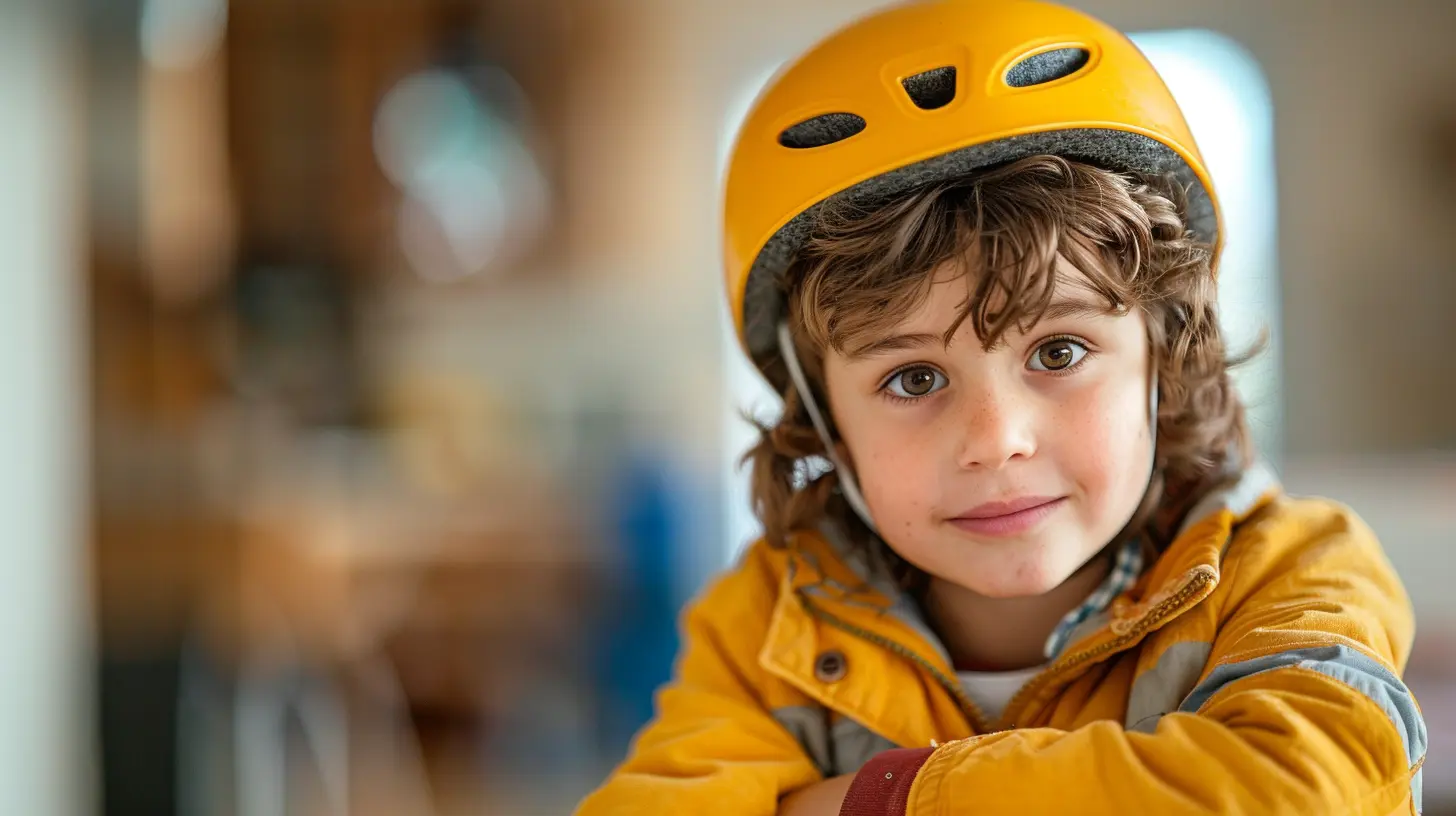
Prevention Is the Best Medicine: Safety Tips That Actually Work
Let’s dive into what you came here for—how to actually protect your child from sports injuries. These aren’t just rules to follow; they’re habits to build.1. Gear Up Right
Sounds simple, but you'd be surprised how many kids show up to practice without the right gear—or gear that fits poorly.- Make sure gear fits properly. A helmet that’s too loose? Might as well not wear one.
- Check gear regularly. Things wear down over time, especially if your kid is rough on stuff.
- Use sport-specific equipment. Don’t use a bike helmet for football. Each sport has its own risks and gear to match.
2. Warm-Ups and Cool-Downs Matter
You might roll your eyes at warm-ups, but they’re not just for show.Warming up preps the muscles and joints for movement. Cold muscles = more likely to pull or tear. Cooling down helps the body recover and reduces soreness.
Encourage your child to take warm-ups seriously. It can be a game-changer.
3. Don’t Skip the Stretching
Flexibility helps prevent injuries. Period. Stretching keeps those growing muscles loose and limber. Teach them to stretch before and after playing—always.4. Hydration Is Huge
You wouldn’t run your car without oil, right? So don’t let your child play a sport dehydrated. Water fuels muscles, prevents cramps, and helps regulate body temp.Tip: If they’re playing in hot temps or sweating buckets, mix in an electrolyte drink.
5. Rest Is Just as Important as Practice
More isn’t always better. Overtraining is a real problem, especially when kids are trying to “get good” at a sport quickly.- They need one full rest day a week.
- Avoid specializing in a single sport year-round. This leads to burnout and overuse injuries. Let them mix it up!
6. Teach Good Form and Technique
Bad form = higher injury risk. Coaches should be emphasizing correct techniques from day one. If they’re not, it’s OK to speak up. Remember, safety > winning.Encourage your child to ask questions and slow down if they’re unsure of how to do something. No shame in learning.
7. Make Sure They’re Ready for Contact
Thinking about football, hockey, or another contact sport? Make sure your child is physically and emotionally ready for that level of intensity. Starting them too young—when they’re still tiny and fragile—can backfire.Also, make sure the league or team follows age-appropriate guidelines for contact levels.
8. Speak Up About Pain
This one’s big: pain is not weakness. It’s your body waving a red flag that something’s wrong.Create a safe space for your child to talk about pain, discomfort, or even just weird sensations in their body. If they get the message that “toughing it out” is the only way, they might hide symptoms and make things worse.
Don’t Skip the Doctor: When to Get Checked Out
If your child’s in pain or has swelling that doesn’t go down, a noticeable limp, or signs of a concussion (headache, nausea, confusion), don’t wait. See a doctor. A proper diagnosis is key to a safe recovery.And honestly, getting a quick check-up often beats playing the “let’s wait and see” game.
The Role of Coaches and Trainers in Sports Safety
Coaches aren’t just there to teach game strategy—they’re role models and the first line of defense when it comes to injury prevention.Great coaches:
- Encourage safe play and respect the rules
- Teach proper form and technique
- Don’t push kids to “play through pain”
- Are trained in first aid and CPR (and concussion protocols)
If your child’s coach doesn’t check those boxes? Might be time to have a chat—or find a different team.
What Parents Can Do (Besides Worry)
You’re not powerless here. In fact, you’re the MVP when it comes to your child’s safety. Here's what you can do:- Ask questions. About the coach’s experience, safety protocols, and injury response plans.
- Pack smart. Include water, snacks, and basic first aid in your child’s bag.
- Watch and listen. Observe practices and games. Encourage open communication.
- Set boundaries. Help your child balance sports with rest, academics, and downtime.
Remember, you’re helping your child build healthy habits that can last a lifetime—even off the field.
What About Mental Health?
Yep, it matters. Injuries can take a toll emotionally, especially if your child’s identity is wrapped up in their sport. Keep an eye out for signs of frustration, sadness, or withdrawal if they’re sidelined. Offer reassurance, stay positive, and if needed, don’t hesitate to bring in a counselor or therapist.Recovery: Getting Back in the Game Safely
Let’s say your child does get injured. Now what?- Follow rehab instructions to the letter. Whether it’s rest, physical therapy, or both—don’t cut corners.
- Don’t rush the return. Wait until the doctor gives the green light.
- Ease back in. Start with light training before going full throttle.
The goal isn’t just to return—it’s to return stronger and smarter.
Final Thoughts: Let Kids Play—But Play Smart
At the end of the day, we all want our kids to enjoy sports for all the right reasons—friendship, fun, fitness, and personal growth. Injuries are a risk, but with knowledge, preparation, and communication, they don’t have to be inevitable.So, let your kids play. Just do it with your eyes open, your questions ready, and your support unwavering. After all, being a sports parent isn’t just about cheering from the stands—it’s about protecting your MVP on and off the field.
all images in this post were generated using AI tools
Category:
Child SafetyAuthor:

Liam Huffman
Discussion
rate this article
2 comments
Theodore Perez
In prioritizing sports safety, parents must emphasize proper gear, teach technique, and encourage open communication about discomfort. Proactive measures and education not only prevent injuries but also foster a lifelong love for sports.
January 21, 2026 at 5:54 PM
Liam Huffman
Thank you for your insightful comment! I completely agree that emphasizing proper gear, teaching technique, and fostering open communication are essential for ensuring sports safety and nurturing a love for physical activity.
Kaleb O'Brien
Ah, sports safety! The only thing standing between my kid and a future as the next sports superstar is a helmet that looks like a space helmet and a 10-minute lecture on 'don't be a daredevil.' Remember, it's all fun and games until someone gets a grass stain! 😂
January 6, 2026 at 6:00 PM
Liam Huffman
Thanks for the laugh! While safety gear may seem over the top, it’s essential for protecting our future sports stars—grass stains are the least of our worries! 🏅😊