Stay-At-Home Dads and the Power of Positive Reinforcement
30 March 2026
Remember the days when dads were just the guys who showed up at dinner and fixed wobbly furniture on weekends? Yeah, those days are fading fast. Today, rocking a diaper bag and attending story time at the local library are just as much in a father's wheelhouse as throwing the pigskin around. The rise of stay-at-home dads isn't just a cute trend—it’s a parenting revolution. And what's driving this new age of involved fatherhood? One powerful little concept: positive reinforcement.
Let’s dive into how dads who’ve swapped briefcases for burp cloths are changing the game—and why a little praise here and there goes a long way.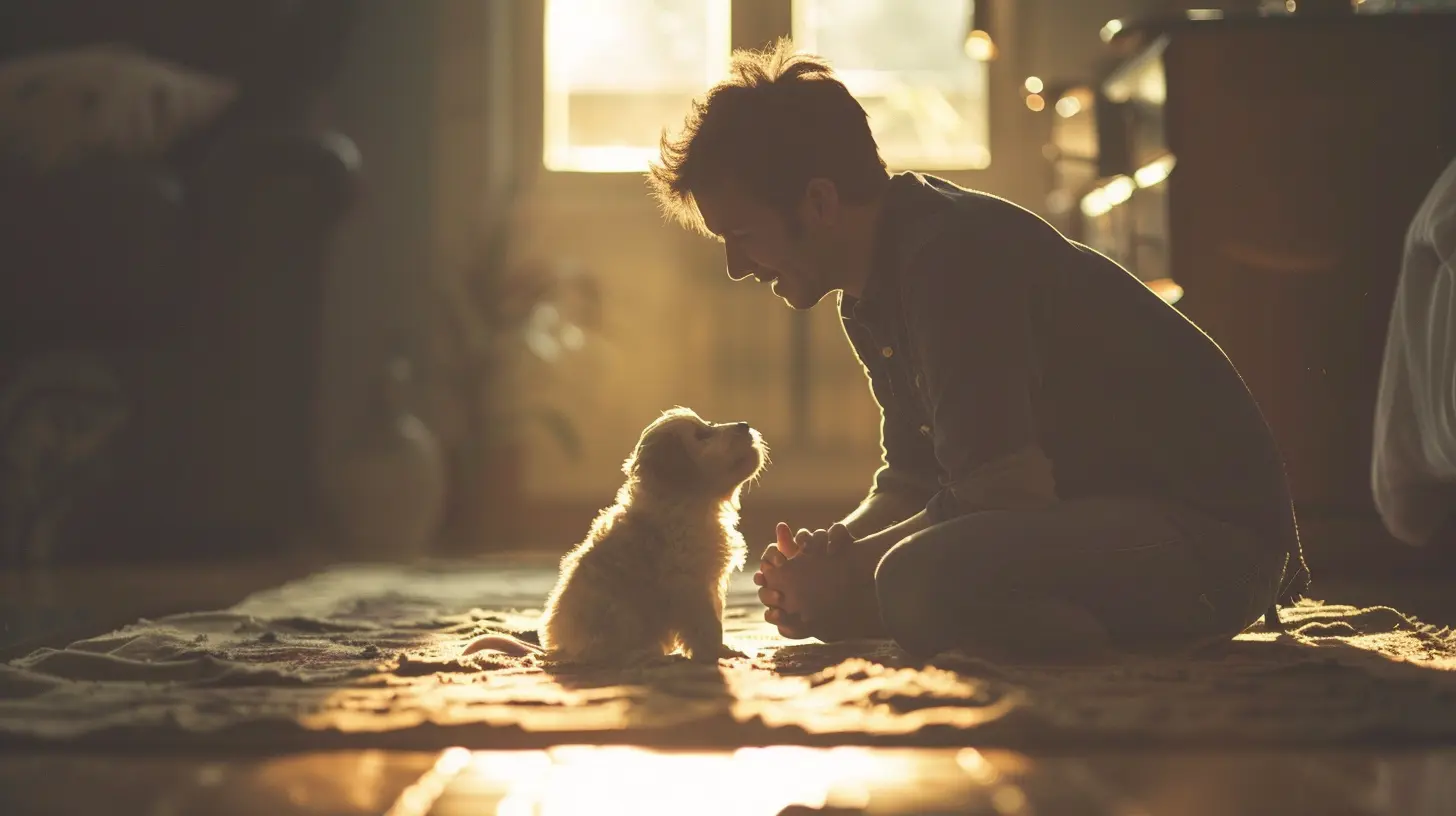
The New Face of Fatherhood
Yup, Dads Are Stepping Up!
Today’s dads aren’t just babysitting. They’re parenting. And more and more of them are choosing to stay home full-time with the kiddos. According to recent stats, the number of stay-at-home dads has steadily grown over the past couple decades. They're changing diapers, organizing playdates, helping with homework, and cooking up some serious grilled cheese masterpieces.But here’s the thing—motherhood has always been associated with nurturing, patience, and emotional intelligence. Dads? Traditionally not so much. So how does a stay-at-home dad embrace those qualities while still staying true to himself?
That’s where positive reinforcement steals the spotlight.
What Even Is Positive Reinforcement?
Sounds Fancy... But It's Really Not
Let’s break it down: positive reinforcement is just a snazzy way of saying “reward the good stuff.” When your toddler picks up their toys and you cheer them on like they've won an Oscar, that’s positive reinforcement. You're encouraging that behavior to happen again. It’s like mental high-fives for good choices.Now, you might be thinking, “Isn’t that what every parent does?” Sure! But for stay-at-home dads, especially those adapting to a new role, understanding how and when to use it can make all the difference between a meltdown and a magical moment.
How Stay-at-Home Dads Can Master It
Starting With Simple Wins
Imagine this: you finally get your preschooler to eat broccoli without threatening their screen time. You look them in the eye, flash a proud smile, and say, “Nice job trying something new!” Boom. You just reinforced a positive behavior—and maybe, just maybe—they’ll do it again without the broccoli battle next time.The trick is to catch the good stuff when it happens, and make a bit of a fuss about it. You’re not just creating better habits for your kids; you’re boosting their confidence. It’s like emotional compound interest.
From Tantrums to Triumph
Stay-at-home life isn’t always zen and puzzle pieces. There are tantrums. Over juice. Over shoes. Over... absolutely nothing. Using positive reinforcement doesn’t mean ignoring the chaos—it means celebrating the calm.Rather than focusing on what your kid did wrong, spotlight what they did right. For example:
- Instead of: “Stop yelling!”
- Try: “I love how you're using your calm voice now.”
It’s about shifting the focus to what you want more of rather than what you want less of. Kids (and adults, let’s be honest) love to feel seen and appreciated.
The Dad Advantage
Breaking Stereotypes One Compliment at a Time
Let’s talk about the elephant in the playroom—society still has some growing up to do when it comes to dads staying home. But that’s all the more reason why these dads need to own their role and do it with style.Positive reinforcement isn’t just for the kids. When dads consistently encourage and praise their children, they show that emotional intelligence isn’t gendered—it’s human. And if there's one superpower every parent needs, it’s the ability to uplift another human being with just a few words.
Real Talk: It Boosts Dad’s Confidence Too
Being a stay-at-home dad can feel isolating, especially when you're the only guy at the playground or parent-teacher conference. But here's the secret: every successful interaction with your child builds your confidence just as much as theirs.When you see your toddler respond well to your pep talks, or your six-year-old beam with pride because you noticed their effort, something shifts. You start feeling like, “Hey, I got this.” And guess what? You do.
The Science Behind the Smiles
Why Positive Reinforcement Actually Works
You don’t have to be a psychologist to get this stuff, but it does help to know it’s backed by science. Positive reinforcement taps into how our brains are wired. When kids (or adults) get praise, their brains release dopamine—the feel-good chemical. That hit of happiness makes them more likely to repeat the same behavior.So whether it's clapping for a crayon masterpiece or saying, "Awesome sharing, buddy!" during snack time, you’re not just being nice. You’re literally reshaping your child’s brain in real-time.
Pretty wild, right?
Tips and Tricks for Stay-at-Home Dads Using Positive Reinforcement
1. Be Specific
Instead of a generic “Good job,” try “I really liked how you put all your blocks away without me asking.” It makes your praise more meaningful and helps kids connect the dots between actions and outcomes.2. Keep It Consistent
If your little one gets praise for saying “please” on Monday, don’t let it slide by Thursday. Kids love routines—even when it comes to being appreciated.3. Use Rewards Sparingly
Not every good deed needs a cookie or sticker. A hug, high-five, or kind word goes a long way and doesn’t sugar them up before naptime.4. Reinforce Effort, Not Just Results
Your child doesn’t have to win the reading contest. If they tried hard or got a little better, celebrate that. It builds resilience and encourages a growth mindset.5. Model It!
Kids are little mirrors. If they see you complimenting them, others, or even yourself, they’ll catch on. “I’m proud of how patient I was today,” isn’t just self-talk—it’s teaching them by example.The Ripple Effect of Positivity
More Than Just a Moment
Here’s where it gets deep: positive reinforcement doesn't just help kids behave better—it shapes their worldview. When kids grow up feeling seen, valued, and encouraged, they become adults who are confident, empathetic, and emotionally balanced.Stay-at-home dads have a golden opportunity here. By consistently using positive reinforcement, they’re not just refereeing daily skirmishes—they’re shaping kind, capable little humans.
It Changes the Family Dynamic
When Dads start leading with positivity, it sets a tone for the whole household. The vibe shifts. Siblings get along better. Mornings are less chaotic. Even the dog seems to chill out a bit. (Okay, maybe not the dog—but you get the idea.)Real Dad Moments: Positive Reinforcement in Action
Let’s bring it home with a few heartwarming—and totally real—scenarios from the world of stay-at-home dad life:- “When my daughter helped her little brother without me asking, I nodded and said, ‘That was really kind of you.’ Her face lit up like Christmas morning.”
- “My son was frustrated building LEGO, and instead of solving it for him, I said, ‘I can see you’re trying really hard. That’s awesome.’ He kept going until he figured it out.”
- “I was wiping up spilled milk (#dadlife), and my kid said, ‘Oops, sorry, Dad.’ I replied, ‘Thanks for being honest! Accidents happen.’ Boom. No tears. No stress.”
These dads aren't parenting unicorns. They’re just using reinforcement the right way—and watching the magic unfold.
Final Thoughts: Dads, Keep Rocking It
If you're a stay-at-home dad, first of all—high five! You’re already doing something many wouldn’t dare to try. But if you really want to level up your dad game? Embrace the power of positive reinforcement.It’s not about being perfect. It’s about noticing the good, highlighting the effort, and making your child feel like they've got a fan club—because they do. And that kind of energy? It’s contagious.
So keep clapping for the little victories. Keep cheering from the sidelines of life. And remember: you're not just raising kids… you’re raising future humans who know the value of kindness, effort, and encouragement. That’s the real win.
all images in this post were generated using AI tools
Category:
Stay At Home DadsAuthor:

Liam Huffman
Discussion
rate this article
2 comments
Echo Franklin
Dads: Masters of Cheerful Praise!
April 10, 2026 at 3:15 AM
Liam Huffman
Thank you! Dads play a crucial role in boosting confidence and fostering positivity in their children. Their cheerful praise can make a lasting impact!
Isabelle Jennings
Thank you for this insightful article! It's refreshing to see the importance of positive reinforcement highlighted, especially for stay-at-home dads. Your suggestions can truly empower fathers in their parenting journey and foster stronger connections with their children. Keep up the great work!
April 7, 2026 at 3:22 PM
Liam Huffman
Thank you for your kind words! I'm glad you found the article insightful and that it resonates with the important role of stay-at-home dads. Your support means a lot!