Stranger Awareness: How to Empower Your Child Without Fear
6 December 2025
As parents, we all want to keep our children safe. But let's be real—no one wants to raise a child who is constantly fearful of the world. The key is to empower them with knowledge and confidence without making them anxious. Stranger awareness isn't about scaring kids; it's about teaching them how to navigate the world safely and independently.
In this guide, we’ll cover practical ways to help your child stay safe around strangers while still letting them enjoy childhood without unnecessary fear. 
Understanding "Stranger Danger" Isn’t Enough
For years, parents taught kids to avoid strangers completely. While this might sound like solid advice, it's actually outdated. Why? Because not all strangers are bad, and sometimes, kids may actually need help from a stranger.Instead of teaching "all strangers are dangerous," focus on helping your child recognize who to trust and how to handle tricky situations.
Consider this: If your child gets lost, wouldn’t you want them to seek help from a responsible adult, rather than hide in fear? 
The Difference Between Strangers and “Tricky People”
Instead of scaring kids with stories of bad strangers, teach them about tricky people—anyone (including someone they know) who tries to get them to do something unsafe.A tricky person might:
- Ask your child to keep a secret from you.
- Try to separate them from their group.
- Offer gifts, favors, or treats in exchange for something.
- Make them feel uncomfortable or uncertain.
Remind your child that most people are good, but it’s behavior, not appearance, that matters. They should trust their instincts—if something feels off, it probably is. 
Creating a Safety Plan Without Fear
Empowerment beats fear every time. Instead of loading your child with "what if" scenarios, equip them with practical ways to stay safe.1. Teach the "No, Go, Yell, Tell" Rule
This simple, easy-to-remember rule can help children take action if they ever feel threatened:- No – Say "No!" loudly with confidence.
- Go – Get away from the situation as quickly as possible.
- Yell – Shout for help to get attention.
- Tell – Tell a trusted adult what happened.
Rehearsing this rule through role-playing can help your child remember it in real situations.
2. Practice "What If" Scenarios
Without fear-mongering, engage your child in problem-solving exercises. Ask questions like:- "What would you do if someone you don’t know offers you candy?"
- "What happens if an adult asks you to help them look for a lost puppy?"
- "What if you're alone and a stranger says your mom told them to pick you up?"
These questions help kids think critically about safety in a calm and constructive way.
3. Encourage Them to Trust Their Gut
Kids have instincts just like adults. If something feels off, they should listen to that feeling.Teach them that it's okay to say no to an adult if they feel uncomfortable. They don’t have to be polite when it comes to their safety.

Safe Adults vs. Unsafe Adults
Children need to understand that not all adults have their best interests at heart. However, they also need to know there are safe adults they can turn to in an emergency.Who Are Safe Adults?
- Police officers- Teachers
- Store employees
- Moms with kids (if they’re lost in public)
A great rule of thumb: If they need help, look for a uniform or a person working at a public place.
Setting Boundaries with Strangers
Kids are naturally curious and friendly, which is wonderful! But they also need to know that they don’t have to engage with everyone.1. They Don’t Owe Strangers Anything
Some kids feel pressured to be polite even when they feel uncomfortable. Teach them:- They don’t have to answer personal questions from strangers.
- They don’t have to hug, high-five, or shake hands if they don’t want to.
- They can walk away from a situation that makes them uneasy.
2. Teach Them Safe Distances
A simple rule: Stay at least two arm-lengths away from someone they don’t know well. This gives them space to react if needed.3. Password Protection for Pickups
Create a family password—a secret word only trusted adults know. If someone claims to be sent by you, your child should ask for the password. If the person doesn’t know it, your child knows not to go with them.Technology and Online Stranger Awareness
Strangers aren’t just people your child meets on the street. The online world brings new risks, and many kids interact with strangers without realizing it.1. Explain That Not Everyone Online Is Who They Say They Are
Kids can be easily tricked into thinking they’re talking to another child when it could actually be an adult with bad intentions.2. Set Rules for Online Interactions
- Never share personal information (name, school, address).- Never agree to meet someone from the internet in real life.
- Always tell a parent if someone online makes them uncomfortable.
Building Confidence, Not Fear
At the end of the day, the goal isn’t to make your child afraid of the world—it’s to help them walk through it with awareness and confidence.Ways to Encourage Confidence:
- Role-play situations so they can practice handling them.- Remind them of their strength—they're capable of making smart decisions.
- Praise their awareness when they make good safety choices.
- Give them opportunities to interact safely in public (ordering their own food, asking for help in a store, etc.).
Children who feel empowered are less likely to panic in difficult situations.
Final Thoughts
Stranger awareness isn’t about paranoia—it’s about smart preparation. When we teach kids how to identify safe people, trust their instincts, and take action when needed, we equip them with lifelong safety skills.Instead of raising fearful children, we raise confident problem solvers who know how to stay safe without being afraid of every stranger who crosses their path.
### So, start those calm and open conversations today. Your child’s confidence begins with you.
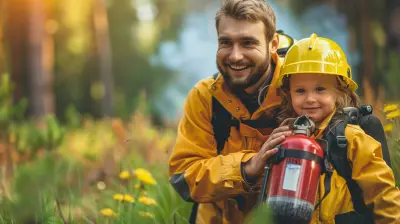
all images in this post were generated using AI tools
Category:
Child SafetyAuthor:

Liam Huffman
Discussion
rate this article
2 comments
Tempest Kelly
Teach caution, not paranoia—balance is key!
December 11, 2025 at 5:34 AM
Liam Huffman
Absolutely! It's all about fostering awareness while promoting confidence. Teaching kids to recognize potential dangers without instilling fear helps them navigate the world safely and independently. Balance is essential!
Iris Chapman
Great insights! Empowering kids with kindness and awareness.
December 6, 2025 at 3:56 AM
Liam Huffman
Thank you! I'm glad you found it insightful. Empowering kids with kindness and awareness is essential for their confidence and safety.