Teaching Kids How to Handle Rejection with Confidence
26 July 2026
Rejection is a part of life, and let's be honest—it's never easy, no matter your age. Whether it's not making the soccer team, missing out on a school play role, or even feeling left out in a group project, kids will inevitably face situations where things don’t go their way.
But here’s the good news: rejection doesn’t have to be a negative experience! It can be a stepping stone to resilience, self-growth, and confidence—if handled the right way. As parents, we have the power to equip our children with the emotional strength to bounce back from rejection without feeling defeated.
So, how do we teach kids to handle rejection with confidence? Let’s dive in! 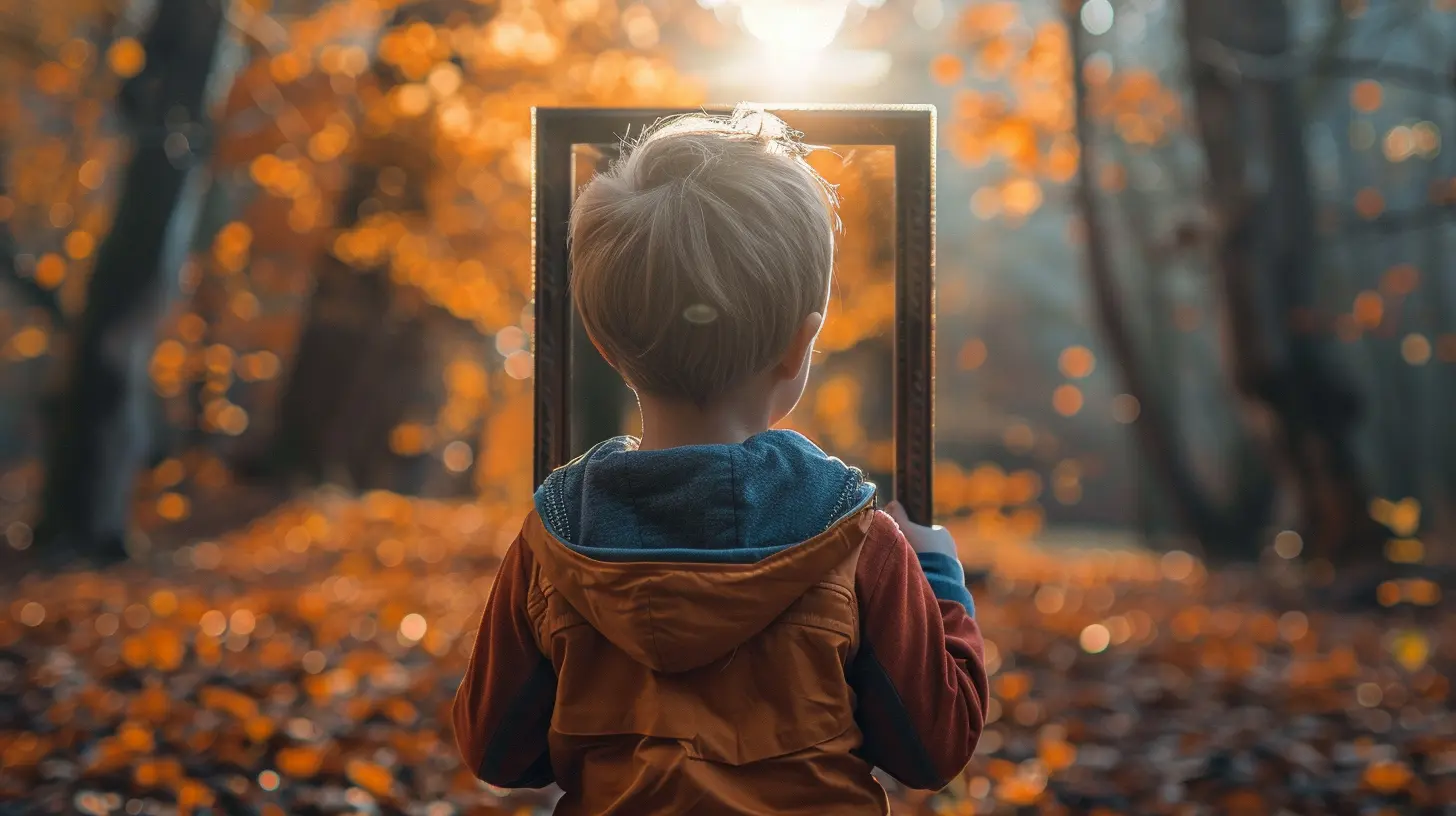
Why Rejection Is a Valuable Life Lesson
Rejection isn't fun, but it’s essential for growing into a strong and confident person. Think about it: some of the most successful people in the world faced countless rejections before they made it! Imagine if J.K. Rowling had given up after her first Harry Potter manuscript was rejected multiple times?Teaching kids to see rejection as a learning experience rather than a failure is key. When they learn to take "no" in stride, they develop resilience—the ability to get back up after setbacks. And that, my friend, is a superpower! 
How Kids Typically React to Rejection
Every child processes rejection differently. Some may shrug it off like it’s no big deal, while others might burst into tears, withdraw socially, or even lash out in frustration. Common reactions include:- Feeling sad and disappointed
- Doubting their abilities
- Comparing themselves to others
- Avoiding future challenges to prevent feeling rejected again
These feelings are completely normal. Our job as parents isn’t to shield them from rejection but to guide them through it in a way that strengthens their confidence instead of damaging it. 
8 Ways to Help Kids Handle Rejection with Confidence
Now, let’s talk about how we can turn those disappointments into valuable lessons that build resilience and self-esteem!1. Normalize Rejection – It's Part of Life
First things first: let’s remove the stigma around rejection. Remind your child that everyone experiences rejection at some point—even the most talented, smart, and successful people! Share your personal experiences with rejection and how you overcame them. When kids realize that rejection is universal, it feels less like a personal failure and more like a common experience.2. Encourage a Growth Mindset
Kids who adopt a growth mindset believe that failures and setbacks are just opportunities for improvement. Instead of saying, “I failed,” they learn to say, “I haven’t mastered this yet.”Encourage phrases like:
✔ “What can I learn from this?”
✔ “How can I improve next time?”
✔ “This didn’t work out, but I’ll try again with a new approach.”
By viewing rejection as feedback rather than failure, kids develop perseverance and confidence.
3. Validate Their Feelings (But Don’t Overdo It)
It’s important to acknowledge and validate your child’s emotions. Saying, “I can see that you're really disappointed, and that's okay,” helps them feel understood. However, avoid excessive pity like, “Oh no! That’s terrible! I can’t believe they did that to you!” which might make them feel even worse about the situation.Balance validation with encouragement: “I know this hurts now, but I also know you'll come out of this stronger.”
4. Teach Them How to Self-Reflect
Instead of dwelling on what went wrong, encourage them to reflect constructively. Ask open-ended questions like:- “What do you think you could do differently next time?”
- “What did you learn from this experience?”
- “What strengths did you show, even if things didn’t turn out the way you expected?”
Helping them analyze setbacks without self-criticism is a powerful way to build resilience.
5. Focus on Their Strengths and Effort
Rejection can make kids doubt themselves, so it's a great time to remind them of their strengths. If they weren’t picked for the basketball team, highlight their other talents. Maybe they’re an amazing artist, a great friend, or a whiz at solving math problems.Also, rather than praising results, focus on their effort: "You worked so hard on this, and I’m really proud of your dedication!" This shifts their mindset from "I failed" to "I gave my best effort, and that’s what matters."
6. Encourage Them to Try Again
One of the biggest lessons we can teach kids is that rejection isn’t the end of the road—it’s just a redirection! Encourage them to try again, whether that means practicing more, finding alternative opportunities, or improving their skills.For example, if they didn’t get the lead role in a play, suggest trying out for another role or participating in a different way, like helping with set design. Teaching them to see opportunities even in disappointment builds resilience.
7. Model Positive Coping Strategies
Kids learn by watching us, so show them how to handle rejection with confidence. If you don’t get that job promotion or your proposal gets turned down, express your disappointment without dwelling on negativity.Try saying things like:
"I was really hoping for this, but I know something else will come along!"
"This didn’t work out, but I learned something valuable that’ll help me next time!"
When kids see you handling setbacks with grace, they learn to do the same.
8. Teach Healthy Ways to Cope with Disappointment
Instead of suppressing emotions, encourage healthy ways to process disappointment. Some great coping strategies include:- Journaling – Writing down feelings can help kids process emotions.
- Physical activity – A walk, bike ride, or playing outside can work wonders.
- Relaxation techniques – Deep breathing, listening to music, or even drawing can help ease frustration.
- Talking it out – Sometimes, just venting to a parent or close friend is enough to feel better.
Teaching them to manage emotions in a healthy way helps them bounce back faster! 
The Long-Term Benefits of Teaching Kids to Handle Rejection
Helping kids develop confidence through rejection doesn’t just prepare them for childhood challenges—it sets them up for success in life! Kids who learn to handle rejection positively are more likely to:✅ Take risks and try new things
✅ Have strong problem-solving skills
✅ Develop emotional resilience
✅ Build self-confidence and self-worth
✅ Overcome fear of failure
And honestly, isn’t that what we all want for our kids? Life will throw curveballs, but with the right mindset, they’ll always find a way to hit them out of the park!
Final Thoughts
Rejection is tough, but it’s also an incredible learning opportunity. When kids understand that setbacks are part of the journey to success, they stop fearing failure and start embracing challenges with confidence.So, next time your child faces rejection, remind them: *This is just a chapter, not the whole story! Keep turning the pages—there’s so much greatness ahead!
all images in this post were generated using AI tools
Category:
Building Self EsteemAuthor:

Liam Huffman
Discussion
rate this article
1 comments
Zayla Beck
Building resilience in kids is crucial. Teaching them to embrace rejection as a learning opportunity can boost their confidence and help them grow.
July 26, 2026 at 4:46 AM