Teaching Kids to Set Healthy Boundaries for Greater Confidence
7 August 2026
As parents, we want our kids to grow up feeling confident, respected, and in control of their own lives. One of the most important lessons we can teach them? Setting healthy boundaries.
Boundaries help kids understand their needs and limits, communicate effectively, and navigate relationships with confidence. But let’s be honest—teaching boundaries isn't as simple as reminding them to say “no” when they don’t want a hug. It’s a lifelong skill that needs practice, support, and encouragement.
So, how do we empower our kids to set boundaries that help them grow into confident, self-assured individuals? Let’s break it down.
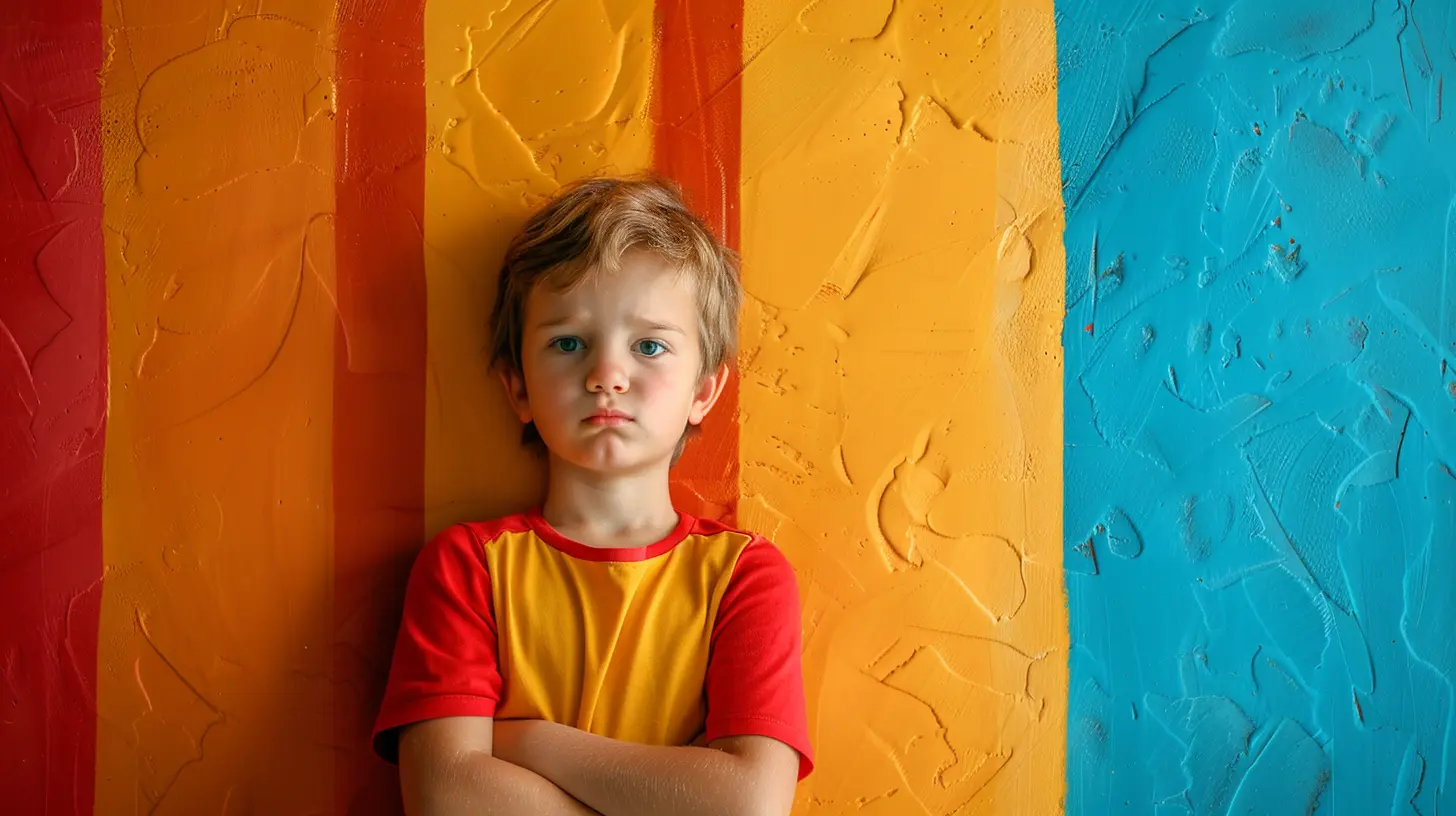
Why Boundaries Matter for Kids
Imagine you’re driving without traffic signs—no stop signs, no lanes, just mayhem. That’s how life feels without boundaries! Boundaries provide structure, safety, and guidance so kids know what to expect and how to interact with others in a healthy way.When kids learn to set boundaries early, they:
✅ Feel more confident saying "no"
✅ Build self-respect and self-worth
✅ Understand the importance of personal space
✅ Develop stronger, healthier relationships
✅ Reduce stress and anxiety
The earlier they learn, the easier it becomes to stand their ground—whether it’s sharing their toys, deciding who gets a hug, or handling peer pressure. 
Types of Boundaries Kids Should Learn
Boundaries aren’t just about saying "no." They show up in different areas of life and help kids develop emotional and social intelligence. Here are the key types of boundaries you should teach:1. Physical Boundaries
These involve personal space and physical contact. Teach your child that they get to decide who touches them and when.? Example: If someone wants a hug and your child isn't comfortable, they should know it's okay to say “No, thank you.”
2. Emotional Boundaries
Kids need to recognize their own feelings and respect others' emotions too.? Example: If a friend hurts their feelings, it’s okay to express that instead of bottling it up.
3. Time Boundaries
Even kids need time management skills! Learning to balance school, play, and rest is crucial.? Example: If a friend wants to play but your child is tired, they should feel comfortable saying, “I need a break right now.”
4. Material Boundaries
Teaching kids how to share, borrow, and protect their belongings is key to respectful relationships.? Example: "You can borrow my toy, but please give it back when you're done."
5. Technology Boundaries
With screens being a big part of life, kids need to understand limits around screen time and online safety.? Example: Setting rules about internet use, such as not sharing personal information online. 
How to Teach Kids to Set Healthy Boundaries
Now that we know boundaries are essential, let’s talk about how to instill these skills in our kids.1. Model Healthy Boundaries
Kids learn best by watching us. If we respect our own boundaries and theirs, they’ll follow suit.? Example: If you're too tired to play, say, "I'm resting right now, but we can play later." This teaches them it’s okay to prioritize their needs.
2. Encourage Open Communication
Let your child know they can always talk to you about their feelings. Create a safe space where they feel heard and respected.? Try saying: “If something makes you uncomfortable, you can always tell me.”
3. Teach "No" is a Complete Sentence
Saying "no" shouldn’t feel guilty or wrong! Encourage kids to use "no" confidently and without over-explaining.? Example: If a family member insists on a hug, help your child respond with a polite but firm, “I don’t feel like a hug right now.”
4. Use Role-Playing Scenarios
Practicing real-life situations can prepare kids to set boundaries when the time comes.? Scenario: “Imagine a friend takes your toy without asking. What would you say?” Let them practice expressing their feelings and requests.
5. Praise Boundary-Setting Behavior
When your child sets a boundary, celebrate it! Praise their confidence so they feel good about standing up for themselves.? Example: “I love the way you told your friend you weren't ready to share your toy yet. That was really confident of you!”
6. Respect Their Boundaries
If you tell your child boundaries matter, but you ignore theirs, it sends mixed signals. Show them respect by honoring their personal choices whenever possible.? Example: If your child says they don’t want to be tickled, stop tickling them immediately.
7. Teach the Difference Between Kindness and Obligation
Kids often feel pressured to say “yes” to please others. Teach them that being kind doesn't mean ignoring their own comfort.? Example: “It’s nice to help others, but you’re not responsible for making everyone happy.” 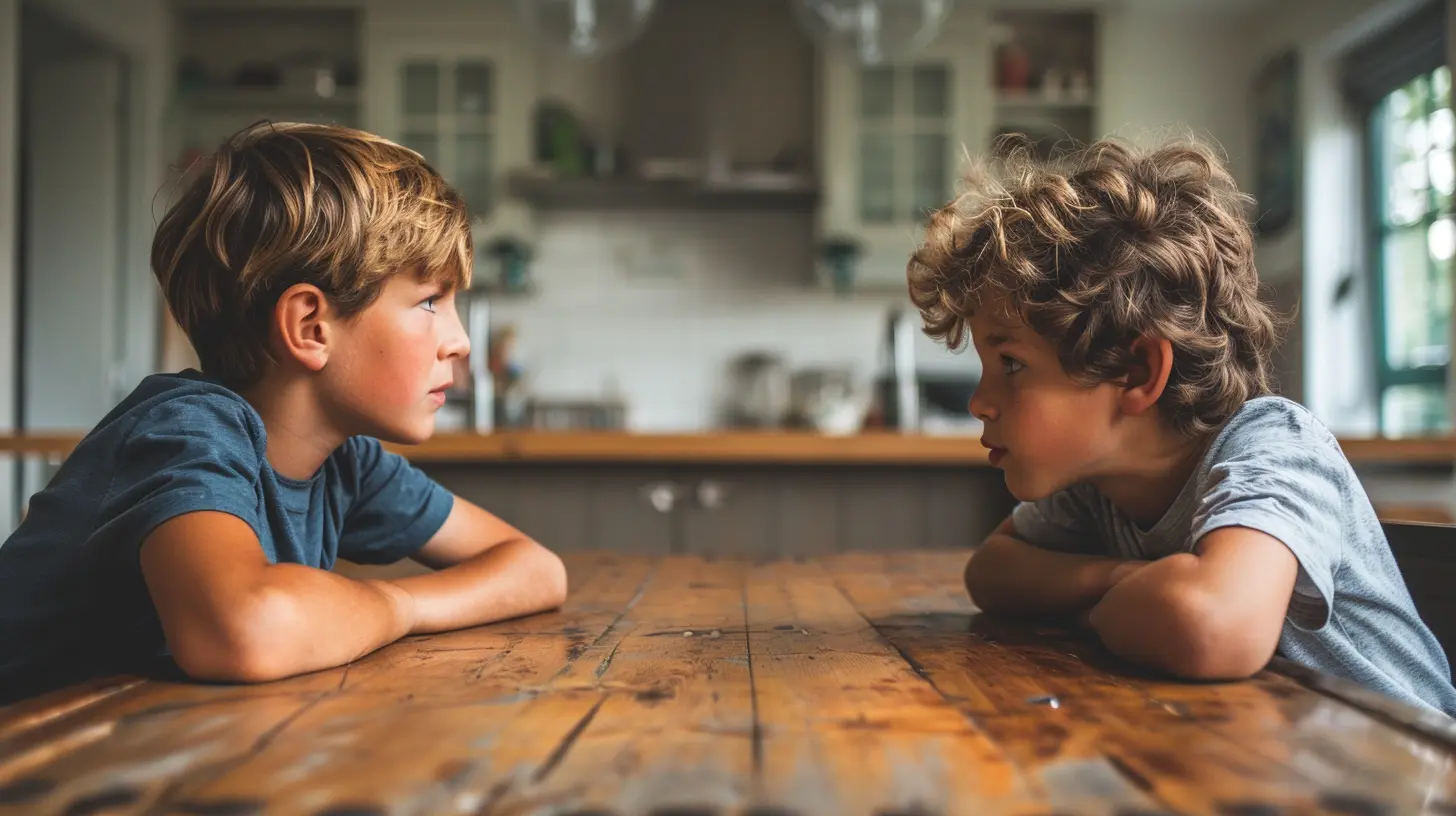
Handling Challenges in Boundary-Setting
Teaching kids boundaries isn't always smooth sailing. Here are some common challenges and how to tackle them:? When Kids Struggle to Speak Up
Some kids have a hard time voicing their boundaries, especially with authority figures or friends. Encourage them with supportive phrases like:✔️ “Your voice matters.”
✔️ “It’s okay to stand up for yourself.”
✔️ “You don’t have to do something just because someone asks you.”
? When Others Don’t Respect Their Boundaries
Not everyone will immediately respect your child’s limits. Teach them to stay firm and seek help if needed.✔️ “If someone keeps crossing your boundary, tell an adult.”
✔️ “You don’t owe anyone an explanation for saying ‘no.’”
? When Parents Struggle Letting Go
As parents, we sometimes forget that setting boundaries means giving kids more control over their own lives. Trust that they’ll make good choices with the skills you’ve taught them!Final Thoughts
Teaching kids to set healthy boundaries is one of the best gifts we can give them. It empowers them to navigate life with confidence, self-respect, and assertiveness.Remember: Boundaries aren't about shutting people out—they're about teaching kids how to protect their well-being while fostering healthy relationships.
By modeling, practicing, and cheering them on, we can raise kids who know their worth and aren’t afraid to stand up for themselves.
And hey, isn't that the kind of confidence we all wish we had growing up?
all images in this post were generated using AI tools
Category:
Building Self EsteemAuthor:

Liam Huffman