Teaching Preschoolers About Responsibility with Simple Household Chores
23 January 2026
Ever caught your preschooler copying how you fold laundry, pretend sweeping the floor, or “helping” in the kitchen? That’s not just cute—it’s an opportunity. Preschoolers actually want to be involved. They’re tiny sponges soaking up everything around them, and guess what? This is the golden window to start teaching them about responsibility. And no, it doesn't mean putting them to work like Cinderella. It’s about small, simple tasks that build character, build confidence, and—bonus—help lighten your load just a teeny bit.
Let’s dive into how we can teach preschoolers about responsibility using basic household chores—without the meltdowns, messes, or martyrdom.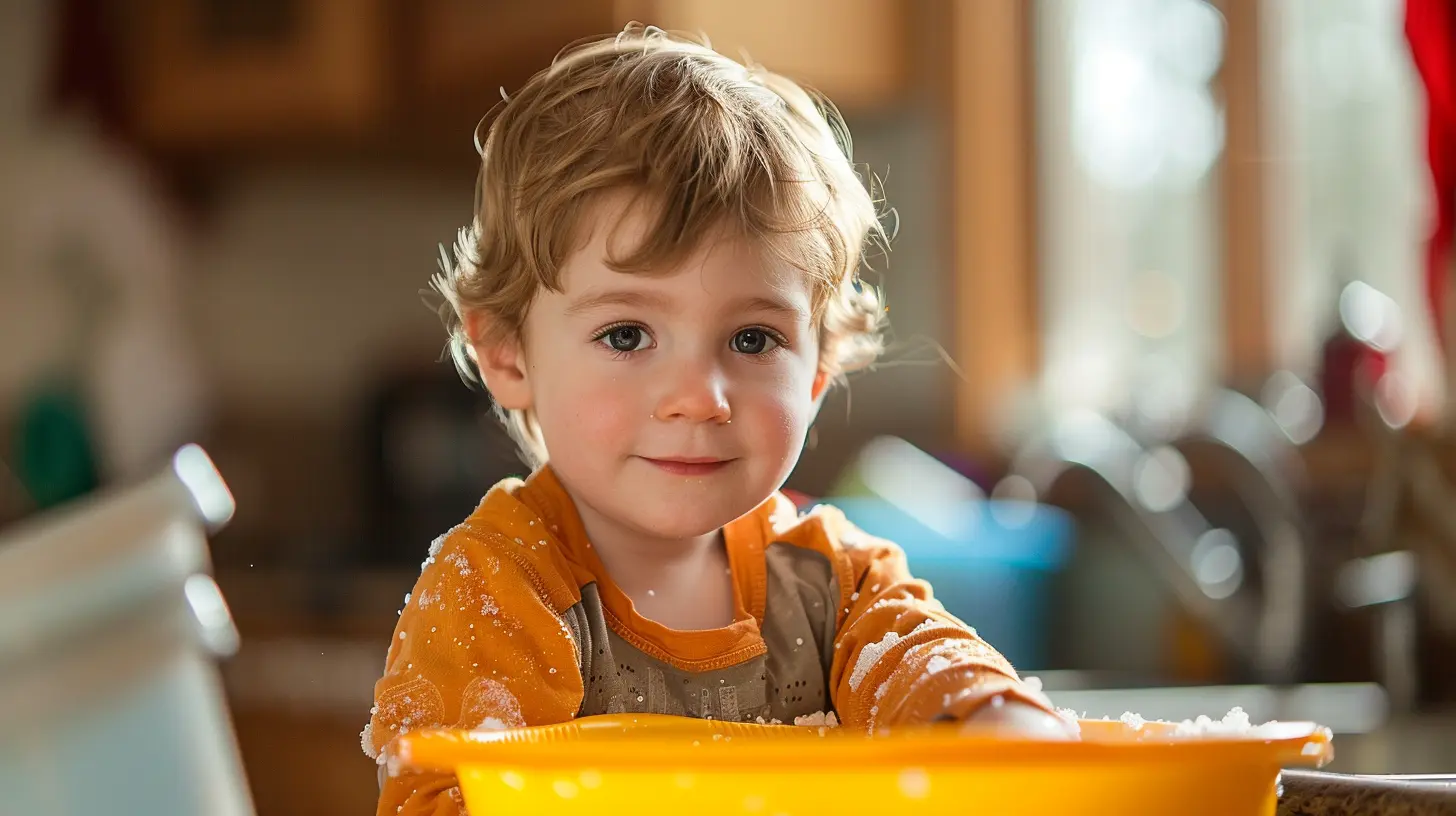
Why Start So Young?
You might be thinking, “Can a 3-year-old really be responsible?” Absolutely—but in their own little way. Responsibility for a preschooler isn’t about paying bills or managing a calendar. It’s about taking ownership of small tasks, understanding cause and effect, and feeling pride in doing something “grown-up.”Children at this age are in a critical phase of development. Giving them small chores taps into several developmental areas:
- Cognitive Skills – Following steps and remembering tasks.
- Fine Motor Skills – Folding washcloths, picking up toys, etc.
- Social and Emotional Growth – Feeling part of the family team, boosting self-esteem.
- Language Skills – Talking through instructions and explanations.
So yes—they’re capable. And more importantly, eager.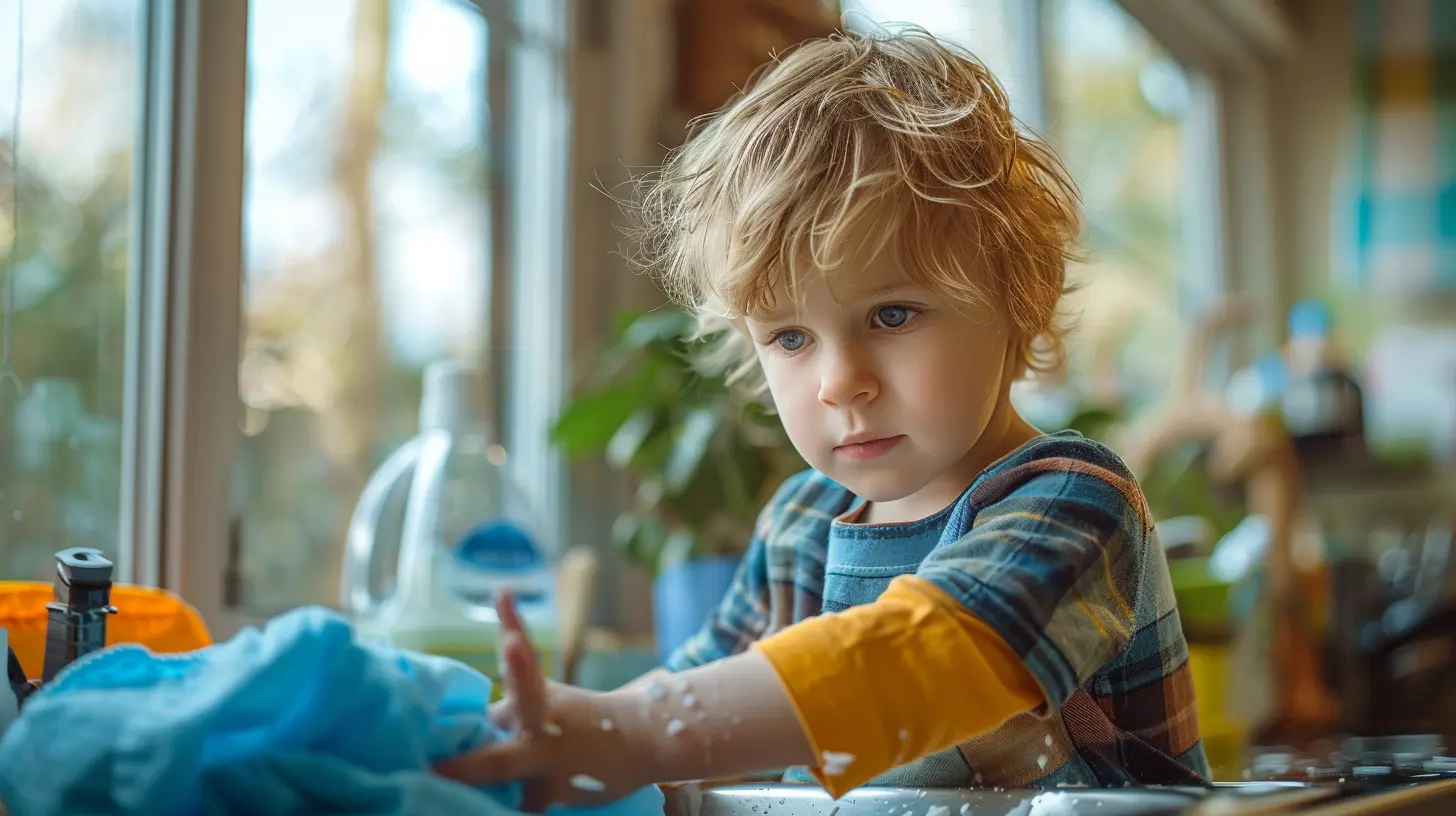
Keep It Simple and Age-Appropriate
The goal isn’t perfection, it’s participation. You don’t expect a preschooler to vacuum the carpet spotless or load the dishwasher like a pro. Instead, you want them to try, to build habits.Here are some easy chores for little hands:
- Putting their dirty clothes in the laundry basket
- Wiping down the table after a meal
- Feeding a pet (with help)
- Pulling up their bedsheets in the morning (not a hotel-standard bed, just making an effort!)
- Watering plants
- Dusting reachable shelves with a sock or small sponge
- Sorting laundry by color (great learning moment too!)
- Putting away plastic utensils from the dishwasher
The key is setting realistic expectations. The towels might not be neatly folded, but the heart behind the effort? Solid gold.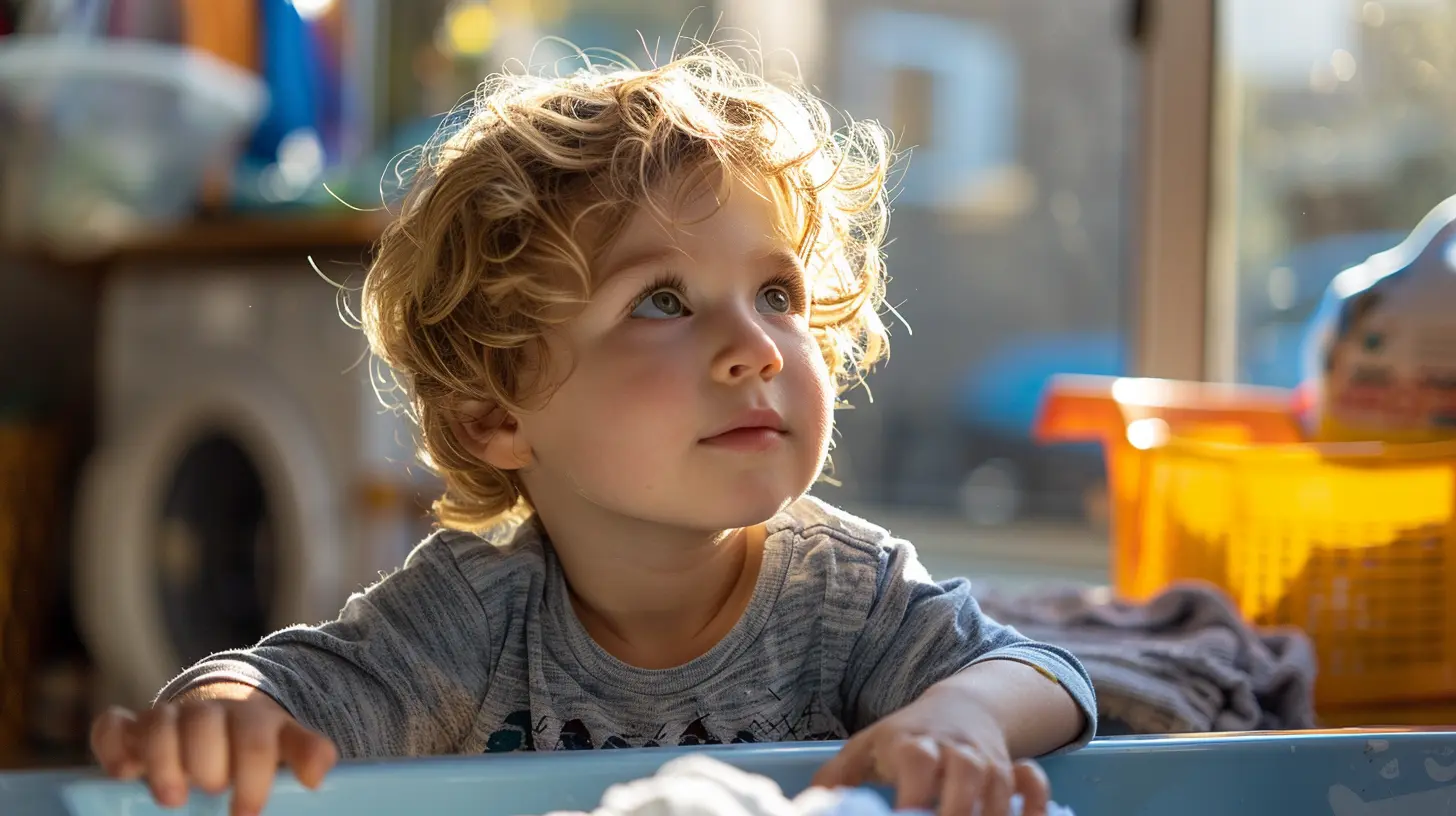
Turning Chores Into Learning Moments
Chores aren’t just tasks—they’re teaching tools in disguise. Here's how you can use them to make learning fun:1. Routine Teaches Responsibility
Make certain chores part of the daily routine. For example, “After breakfast, we wipe the table.” When it becomes a predictable part of the day, resistance goes down. Kids like knowing what comes next—it gives them a sense of control and security.2. Chores as Life Lessons
Chores can teach:- Cause and effect: “If we don’t pick up our blocks, someone might trip.”
- Empathy: “When you help feed the dog, you're taking care of someone who depends on us.”
- Patience and perseverance: “It’s okay if it takes longer to fold towels—you’re getting better each time.”
These aren't just household skills—they’re life skills.
3. Math & Science in Disguise
Sorting laundry? That's color matching and categorizing. Watering plants? That’s understanding living things need care and consistency. Setting the table? That’s one-to-one correspondence and sequencing.Who knew cleaning up could be a preschool science experiment?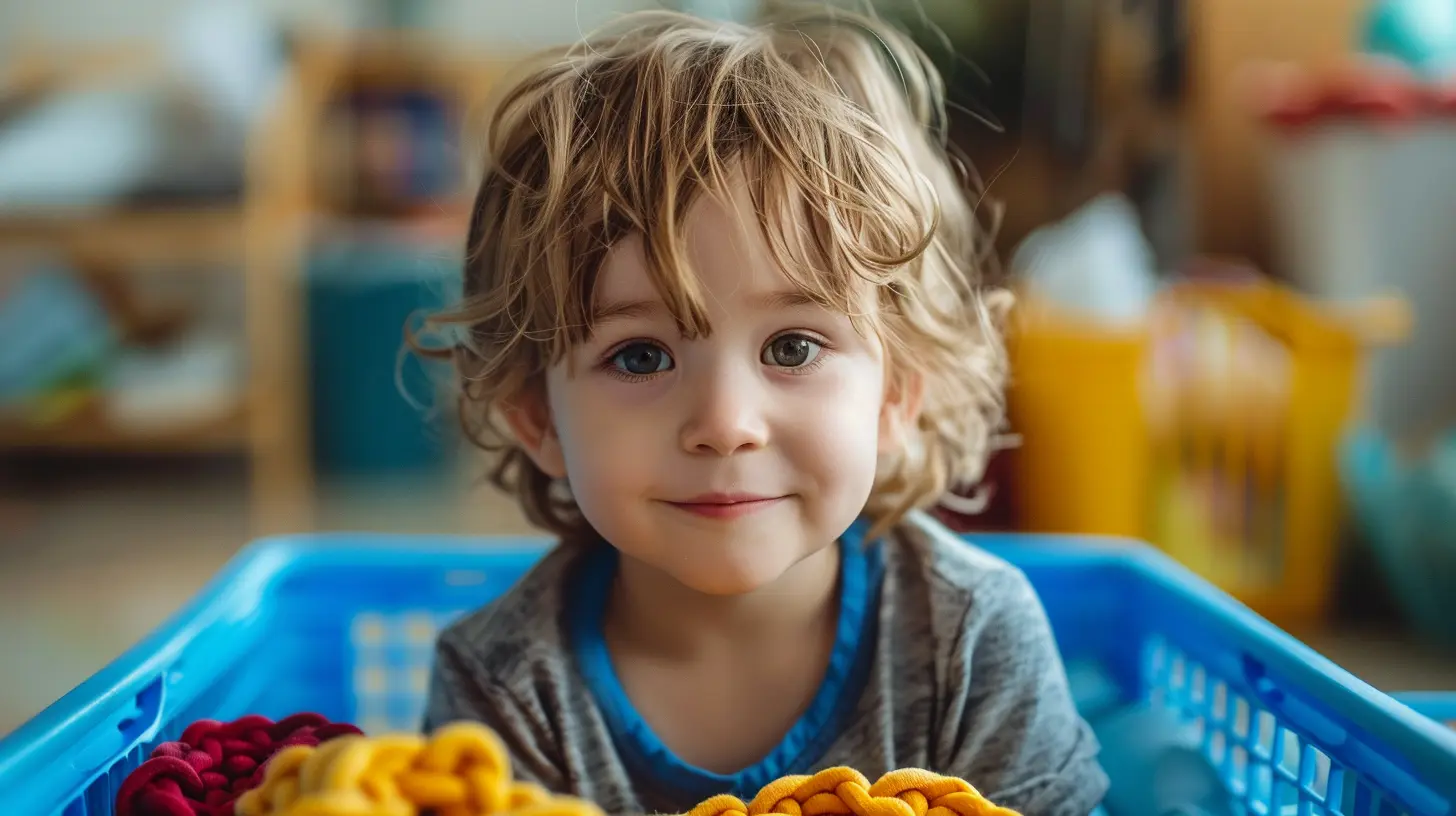
Make It Fun: Turn Chores Into Games
Let’s be real—kids aren’t automatically psyched to clean. But with a little creativity, you can turn chores into playtime.Some fun ideas:
- Beat the Clock: “Let’s see if you can pick up those blocks before the timer goes off!”
- Dance and Clean: Put on their favorite songs and have a tidy-up dance party.
- Sticker Rewards or Chore Charts: Preschoolers love visual progress. Giving a sticker every time they complete a chore can feel like a trophy.
- Imaginative Play: Pretend they’re superheroes saving the living room from the “Mess Monster.”
The trick is making it less of a task and more of a team mission.
Praise the Effort, Not the Outcome
It's tempting to correct your child’s efforts: refolding the towels, redoing the bed, or re-cleaning something. But here’s the thing… if they see you undo their work every time, they'll feel like it wasn’t good enough. That’s the fast track to discouragement.Instead:
- Say, “Wow, you worked so hard on that!”
- “Thank you for helping clean the table—you’re really getting strong!”
- “I love how you remembered to put your shoes away.”
Focus on the participation, not perfection. This builds intrinsic motivation instead of making them feel like they're in a performance review.
When They Say “No”: Handling Resistance
All kids push back—especially when they feel like you're “making” them do something. The secret here is involvement and choice.Instead of saying, “Clean your room,” try:
- “Would you like to pick up the books or put away the stuffed animals first?”
- “Let’s work together—I'll do this part, and you do that part!”
Giving choices helps them feel more involved and in control. And when resistance still shows up (because let’s be honest, it will), just stay calm and consistent. No drama, just expectation.
The Long-Term Payoff
You might be wondering if it’s really worth it. I mean, sometimes it takes longer to get them to “help” than to just do it yourself, right?But here's the thing—you're not just teaching them to clean. You're teaching them:
- Autonomy
- Confidence
- Discipline
- Empathy
- Contribution
Fast-forward a few years, and your child knows how to clean up after themselves, take initiative, and be a team player at home and beyond. That’s some serious parenting ROI.
Think about the adults you know who never learned these skills early on—you’re doing future-you (and your child) a massive favor.
Encourage Reflective Thinking
After chores are done, take a moment to reflect with your child.Ask questions like:
- “How did it feel to help out today?”
- “Which part did you like best?”
- “What should we try next time?”
This helps them connect emotions with responsibility—and reinforces that their effort matters.
Teaching Responsibility Is a Journey, Not a Sprint
Teaching preschoolers about responsibility isn’t about making them perfect little workers. It’s about guiding them to understand that they’re part of a bigger picture—the family team. They feel pride, purpose, and connection. And it starts with the smallest steps.Remember: It’s okay if the shoes end up in the wrong bin. It’s okay if the dog gets two scoops instead of one. What’s important is the heart behind the help.
Laugh through the messes. Celebrate the wins. And know that every sock picked up, every plate wiped, is a step toward raising a more responsible, thoughtful little human.
You're doing great, and so are they.
Real-Life Tips for Success
Here’s a quick checklist to make teaching chores to preschoolers smoother:✔ Start small and simple
✔ Offer choices to reduce power struggles
✔ Use visuals like chore charts or picture guides
✔ Keep it light—games, songs, timers
✔ Praise the effort, not just results
✔ Build chores into daily routines
✔ Be patient—it’s a process, not a one-time lesson
Final Thoughts
Teaching preschoolers about responsibility with household chores is one of those parenting wins wrapped in ordinary moments. You’re not just asking them to clean—you’re building character, confidence, and connection.And along the way, you might even find that your home runs just a smidge more smoothly.
So, hand over that mini broom, pull up a stool to the sink, and let your little helper shine. You’ve got this.
all images in this post were generated using AI tools
Category:
Parenting PreschoolersAuthor:

Liam Huffman
Discussion
rate this article
2 comments
Kate Martinez
Turning chores into play not only teaches responsibility but also sparks joy! Who knew vacuuming could be a dance party in disguise?
February 4, 2026 at 3:30 AM
Liam Huffman
Absolutely! Making chores fun encourages kids to learn responsibility while having a blast. It's all about creativity!
June Williams
Empower through small tasks.
January 23, 2026 at 3:38 AM
Liam Huffman
Absolutely! Small tasks build confidence and instill a sense of responsibility in preschoolers.