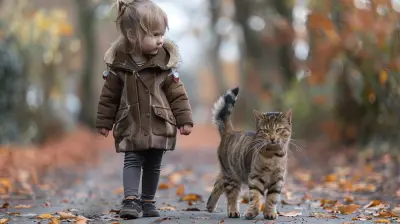
Teaching Responsibility Through Outdoor Adventures
7 March 2026
Let’s be real—teaching responsibility to kids can sometimes feel like trying to herd hyperactive squirrels with a whistle. You nag, you plead, you bribe with ice cream, and yet, you still end up picking their laundry off the floor at the end of the day. Sound familiar? Welcome to the club, my friend.
But what if we told you that you could sneak in some life lessons between roasting marshmallows and zip-lining through the woods? Yep, it turns out Mother Nature isn't just an Instagram backdrop—she’s also the ultimate life coach. So grab your bug spray and hiking boots because we’re diving into why and how teaching responsibility through outdoor adventures can be a total game-changer for your little wildlings.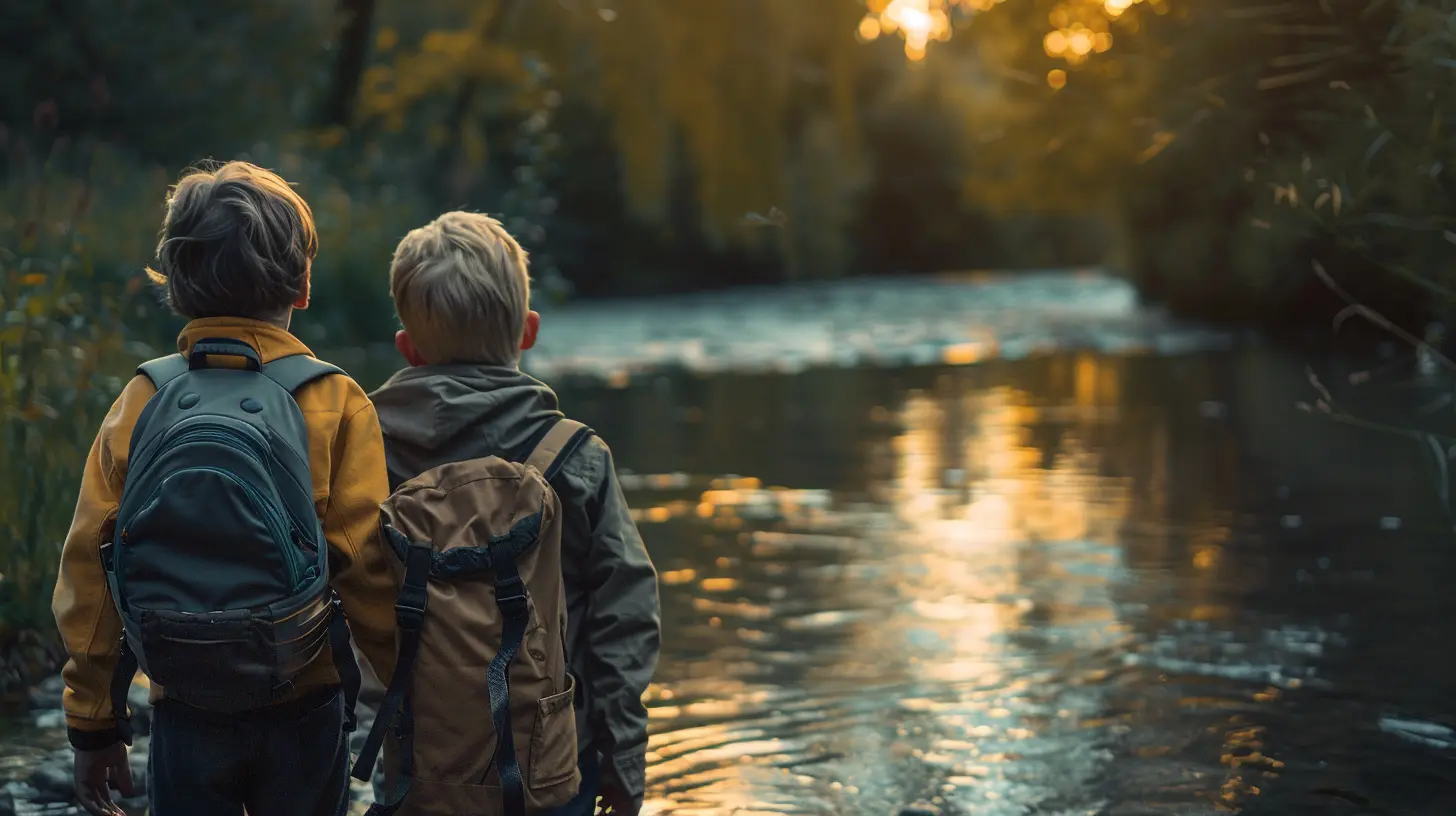
Why the Great Outdoors is the Best Classroom Ever 🌳
Let’s face it—kids learn better when they’re not stuck in a desk staring at an alphabet chart. Put them outside where dirt is plentiful and screens are scarce, and suddenly they’re open to absorbing just about anything... except sunscreen.Outdoor adventures naturally lend themselves to lessons in responsibility. Nature doesn’t hand out cheat codes—forget your water bottle, you get thirsty. Don’t prep your gear? Hello, soggy socks. The consequences are natural (pun totally intended), and that’s where the real magic happens.
The Magic Formula: Fun + Freedom + Consequences = Responsibility
Outdoor experiences give kids the freedom to explore and the autonomy to make decisions. Add a sprinkle of fun and a dash of real-life consequences, and voilà—responsibility starts to stick.Think about it: when your kiddo is in charge of carrying their own backpack on a hike, they quickly learn that overpacking toys = tired little shoulders. No lecture needed.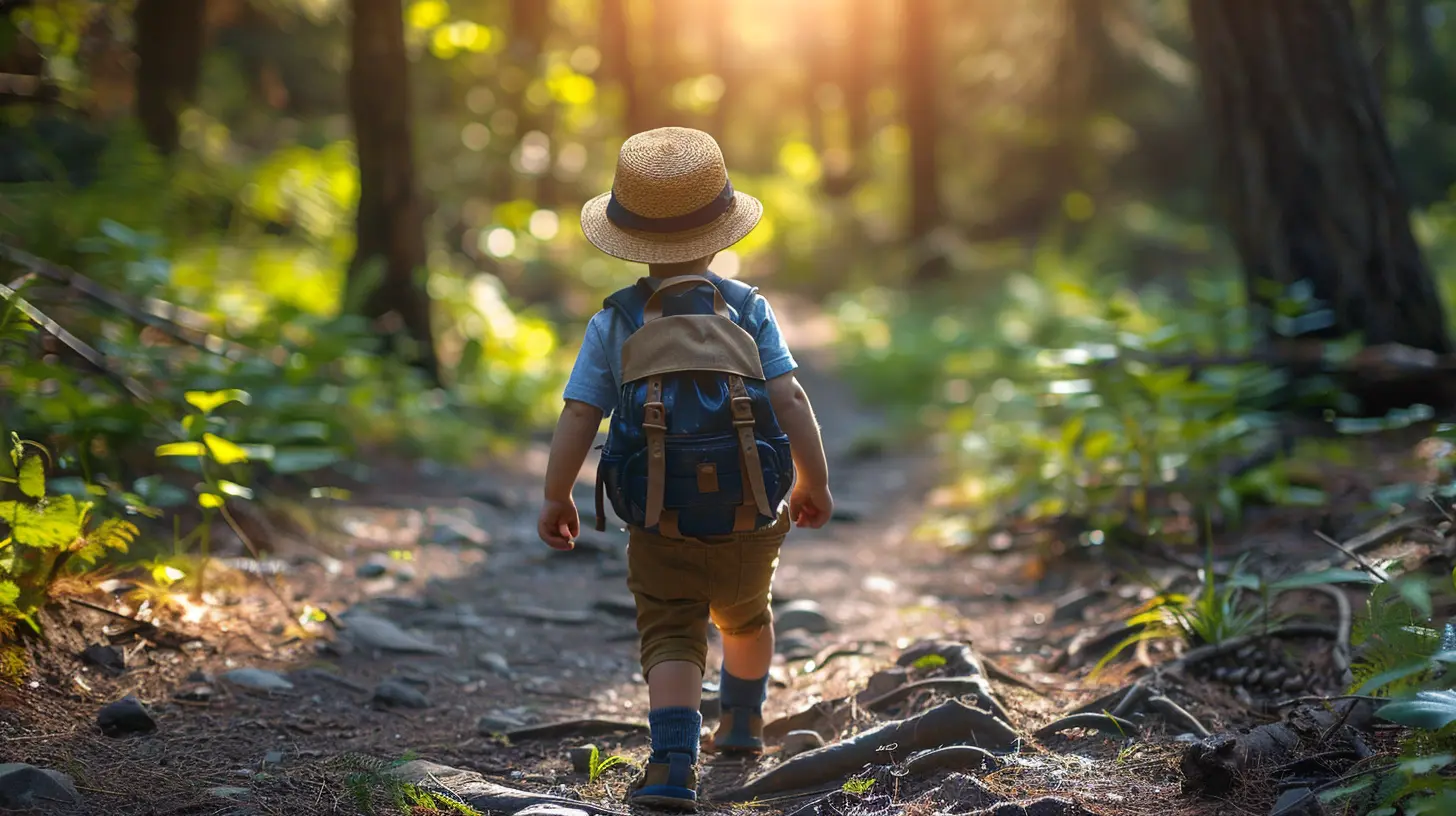
Benefits of Outdoor Adventures for Kids
Before we dive into the nitty-gritty of how to teach responsibility, let’s run through the perks. Spoiler: it’s more than just fresh air and cute selfies.1. Problem-Solving on the Fly
Getting lost on a trail (just a little!) or figuring out how to pitch a tent teaches more than just survival skills—it gives your child a chance to strategize, analyze, and take initiative... without needing a fancy app.2. Teamwork Makes the Dream Work
Whether they’re building a campfire or navigating a rafting trip, kids learn to depend on each other. Sharing gear, looking out for younger siblings, and taking on group tasks? That's teamwork—and responsibility—in action.3. Risk-Taking with Boundaries
Climbing that tree? Exciting. Knowing how high is too high? That’s wisdom. Outdoor adventures allow kids to push boundaries in a relatively safe space, helping them learn limits and decision-making.4. Accountability... the Fun Kind
Forgot the flashlight? Guess who's walking to the bathroom in the dark. Natural consequences hit harder (and funnier) in nature, and lessons stick better when they’re part of an adventure.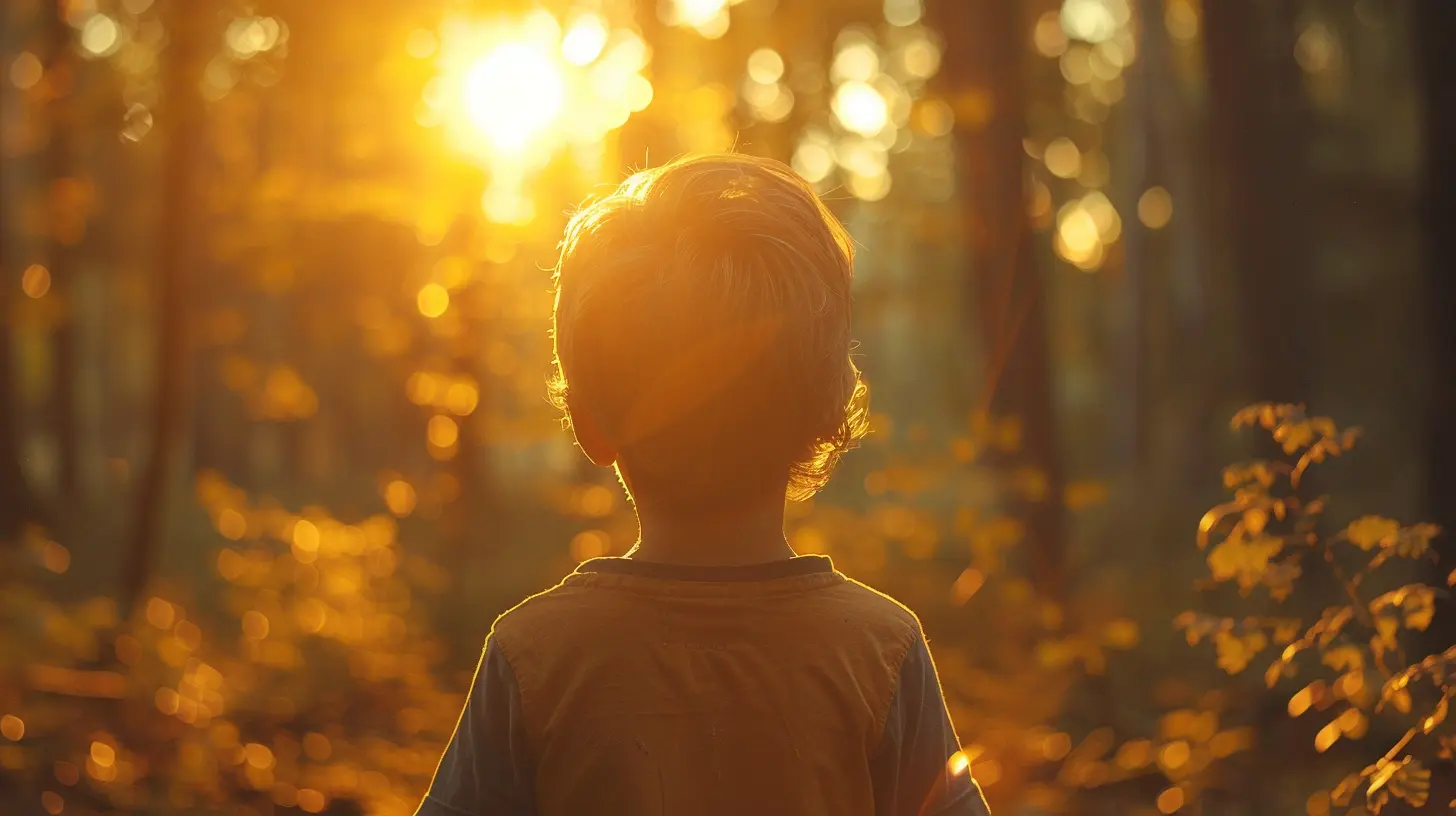
Simple But Powerful Outdoor Activities That Teach Responsibility
Outdoor adventure doesn’t have to mean a weeklong survival retreat in the Rockies. Start small! Here are a few tried-and-true outdoor activities that cleverly sneak in responsibility training.1. Day Hikes with a Twist
Give your child a mini-pack with essentials: water, snacks, a mini map, and sunscreen. Let them be the “Hike Captain” for the day. Boom—responsibility mission: accepted.They’ll have to:
- Keep track of their stuff
- Stay aware of the route
- Remember breaks and snack times
Trust us, nothing builds responsibility like being the one in charge of snack distribution.
2. Camping 101: Little Tent, Big Lessons
Camping is basically the Olympics of responsibility. From setting up a tent to keeping track of gear, kids will have about 20 opportunities to learn from their own mistakes (translation: where’s my sleeping bag?!).Assign age-appropriate tasks:
- Little kids can collect firewood or help prepare food.
- Older kids can set up tents, manage mealtimes, or plan the next day’s adventure.
3. Backyard Bonanza
No forest nearby? No problem! The backyard is your mini-wilderness. Set up a tent, host a scavenger hunt, or start a garden. Let them make decisions and give them their own responsibilities—like watering the plants or managing the campfire snacks.4. Adventure Journals 📓
Create an "Adventure Logbook" where kids can write down what they did, what they forgot, what they learned, and what they want to do better next time. It’s like a diary, but with way more bug stories.How to Encourage Responsibility Without Feeling Like a Drill Sergeant
Now, let's get to the parenting hacks. How do you actually make these lessons sink in without sounding like you’re giving a TED Talk at the summit of Mount Everest?1. Lead by Example
Yep, they’re always watching. If you’re prepared, respectful to nature, and take responsibility seriously—so will they. (No pressure, right?)2. Let ‘Em Fail (A Little)
We know. It’s soooo hard. But resist the urge to swoop in at the first sign of struggle. Let them problem-solve. Let them get a little uncomfortable. That’s where real responsibility kicks in.3. Praise the Effort, Not Just the Outcome
“Hey, I noticed you packed your own bag this time—and remembered your socks! Nice work!” goes a lot further than “Finally, you didn’t forget something.”4. Make It a Game
Need your child to keep track of their gear? Play “Survival Bingo.” Want them to manage time? Start a “Trail Master Timer.” Make it playful, and they won’t even realize they’re learning.Tools of the Trade: What You’ll Need
Don't worry—you don’t need to mortgage your house to get started. Here are a few essentials that can up your adventure game:- Kid-sized backpack
- Water bottle (one they really like)
- Adventure journal
- Basic first aid kit
- A copy of “leave no trace” rules
- Flashlight or headlamp
- Confidence and a whole lot of snacks
Real Talk: Moments That Will Make You Laugh, Cry, and Maybe Question Your Sanity
Teaching responsibility through outdoor adventures is not all sunsets and s'mores. There will be meltdowns over forgotten shoes, tantrums about bug bites, and "emergency" bathroom breaks five minutes into a hike.But there will also be proud moments that sneak up on you. Like when your five-year-old helps her little brother cross a creek without being asked. Or when your tween helps pack up camp without whining (much).
Those are the golden moments—and they're 100% worth chasing.
Tips to Keep It Going Year-Round
Outdoor adventures don’t have to end with summer. Keep the momentum with seasonal twists:- 🌸 Spring: Start a garden—give each kid their own plant to care for.
- ☀️ Summer: Weekly hikes with rotating "Adventure Leaders."
- 🍂 Fall: Leaf collecting missions, or “rake-and-run” goodwill adventures in the neighborhood.
- ❄️ Winter: Snow fort building = teamwork + perseverance + cold noses.
Final Thoughts: Raising Future Adulting Legends
Responsibility isn't something kids stumble into someday between their first job and their first car. It’s built—layer by muddy layer, adventure by wild adventure.By letting your kids take the reins in the great outdoors, you're helping them build confidence, independence, and yes, maybe even some basic map-reading skills (which, let's be honest, puts them ahead of most adults).
So get out there! Let them lead the way—even if it’s the long way. Their future responsible selves will thank you for the journey.
all images in this post were generated using AI tools
Category:
Teaching ResponsibilityAuthor:

Liam Huffman
Discussion
rate this article
2 comments
Paxton Adkins
This article beautifully highlights how outdoor adventures can nurture responsibility in children. It’s a wonderful reminder that life skills often flourish in nature, fostering growth and resilience in our little ones.
March 16, 2026 at 4:16 PM
Liam Huffman
Thank you for your kind words! I'm glad you found the connection between outdoor adventures and fostering responsibility in children so compelling. It's truly a powerful way for them to grow.
Nina Flores
Sure, let’s hand our kids a compass and hope for the best! Outdoor adventures are great, but let’s be real: they also mean mud all over the car and snacks left behind. Responsibility? More like mastering the art of ‘Oops, I lost my shoes again!’ Happy trails!
March 16, 2026 at 5:49 AM
Liam Huffman
I appreciate your humorous take! Outdoor adventures definitely come with their challenges, but they also offer invaluable lessons in responsibility and resilience. Embracing the mess can lead to great growth! Happy trails indeed!