Teaching Responsibility When Things Don't Go as Planned
4 June 2026
Life is full of surprises, isn't it? One moment everything seems to be running smoothly, and the next, you're facing a curveball that throws your plans out the window. As adults, we’ve learned (well, sort of) how to roll with the punches. But for kids? That’s a whole different story. Teaching responsibility when things don’t go as planned is like giving your child a life jacket for the unpredictable waters of life.
In this article, we're diving into how to help your little ones develop responsibility, even when the unexpected happens. So, grab a cup of coffee, find a cozy spot, and let’s chat about raising resilient, responsible kids!
Why Teaching Responsibility Matters
Let’s start here. Why is responsibility such a big deal anyway? Responsibility is the backbone of life skills. It's what helps kids grow up to be dependable, capable adults. When kids learn to own their actions—good, bad, or messy—they also learn resilience, problem-solving, and emotional regulation. And let’s be honest, don’t we all want to raise kids who can handle life like a boss?But here’s the kicker: teaching responsibility isn’t just about chore charts and gold stars. It’s about showing our kids how to deal gracefully when life doesn’t go the way they thought it would. After all, that's when the real lessons happen.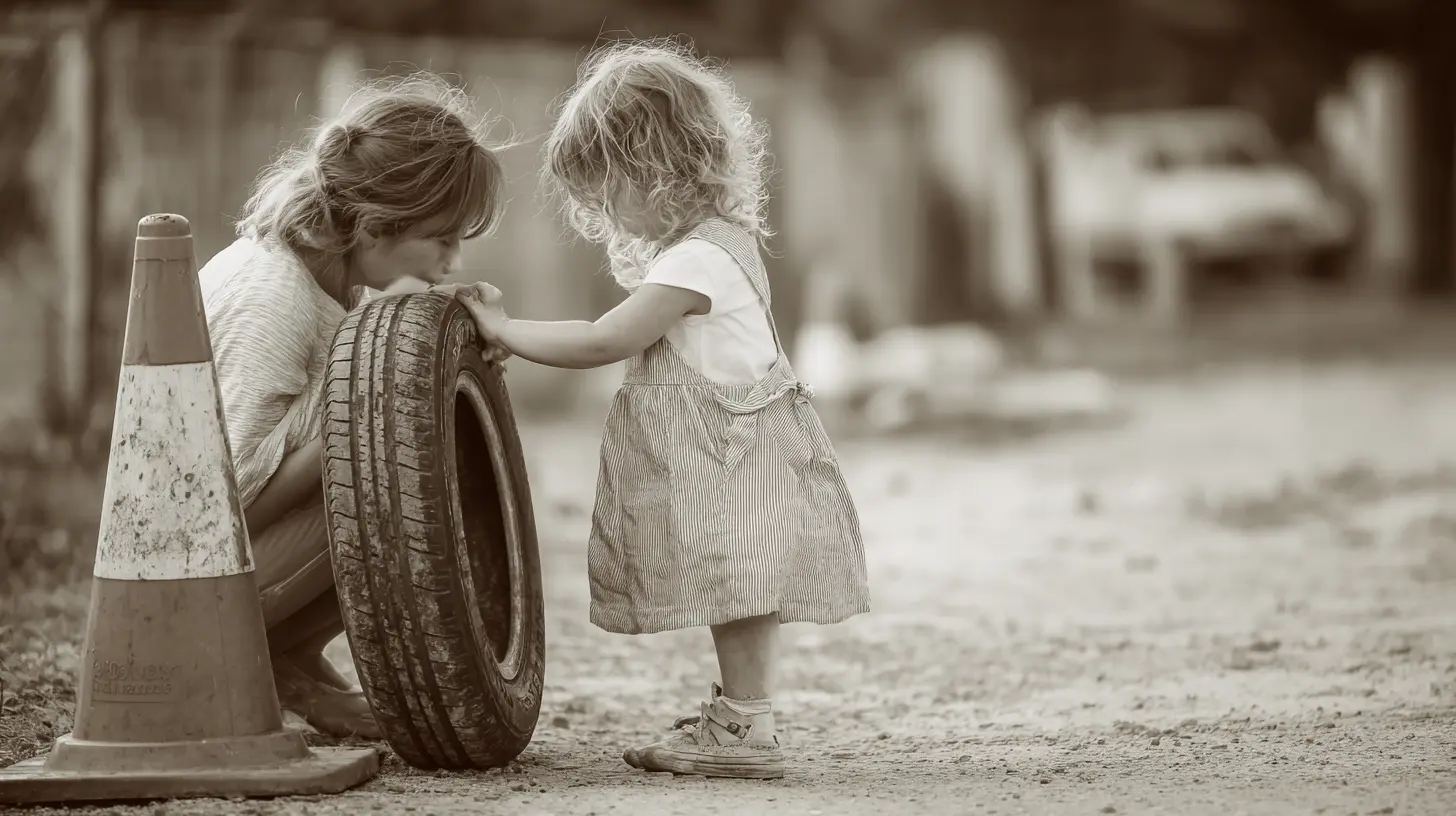
The Curveball Moments: A Teaching Opportunity
Picture this: Your child has spent the whole week planning a trip to the zoo. They’ve mapped out every animal they want to see, and they’re bursting with excitement. But then, on the day of the trip, it rains. Hard. Instantly, you notice their face start to crumble. What do you do?This is what I like to call a “curveball moment.” These unexpected hiccups are golden opportunities to teach responsibility. Instead of swooping in to fix everything or letting them wallow in disappointment, you can walk them through how to handle the situation. Why? Because life isn’t always sunny (both literally and metaphorically), and our kids need to know how to navigate the storms.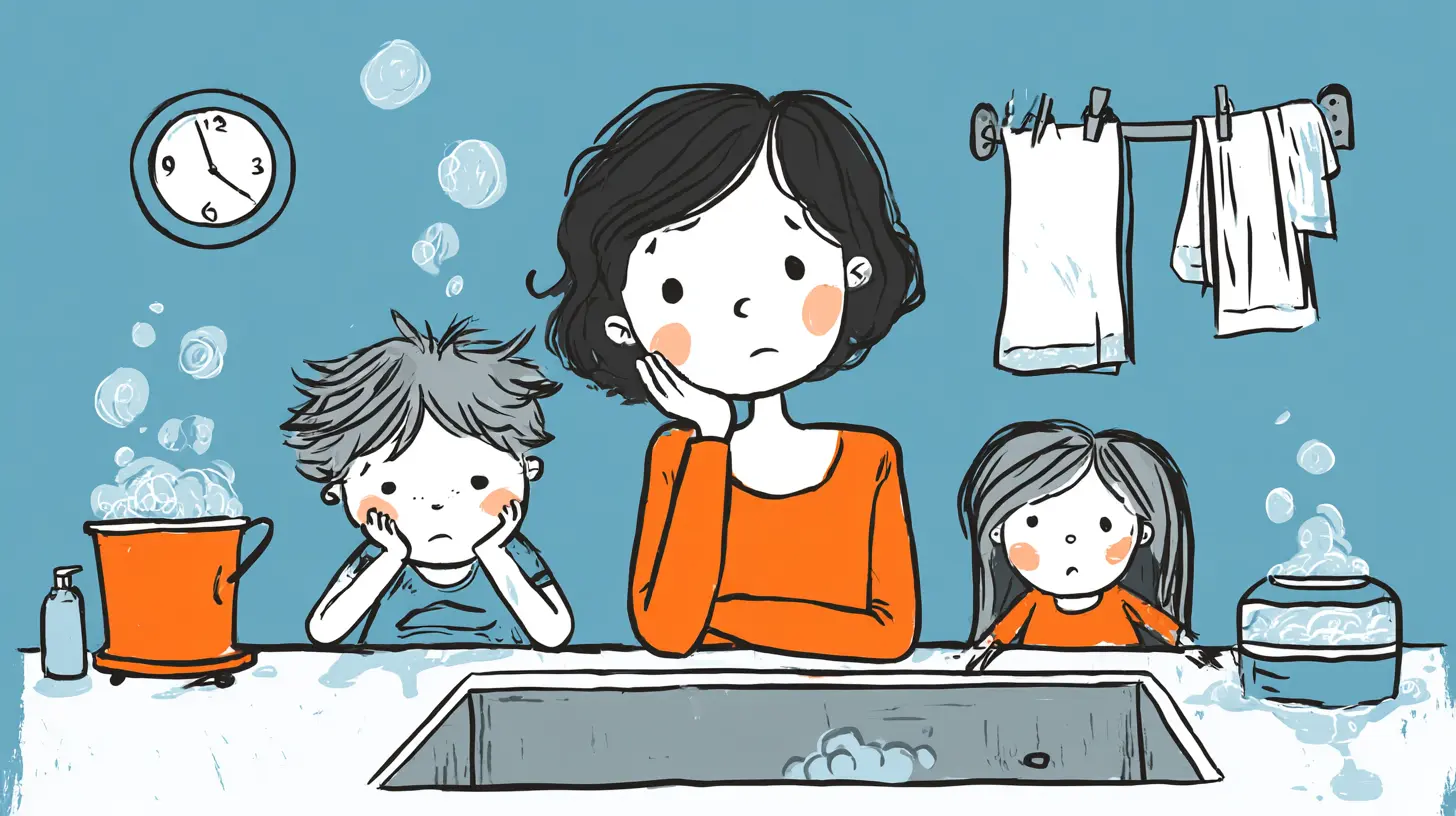
Strategies for Teaching Responsibility When Plans Go Sideways
1. Model Calmness and Problem-Solving
Kids are like little sponges, soaking up what they see from us. If we lose it when plans derail, they’ll learn to do the same. Instead, show them how to stay calm and think things through. Say something like, “Bummer, the zoo is closed because of the rain. But we can still turn today into something special. Let’s brainstorm some fun indoor activities!”Pro Tip: Use this as an opportunity to show that flexibility isn’t a weakness—it’s a superpower.
2. Encourage Ownership of Feelings
When things don’t go as planned, it’s natural for kids to feel upset, frustrated, or disappointed. Instead of sweeping those feelings under the rug, validate them. Try saying, “I know you’re really disappointed about the zoo being canceled. It’s okay to feel upset.”Once they’ve had a chance to process their emotions, guide them toward taking responsibility for how they respond. Gently ask, “What can we do now to make the best of the day?” This flips the switch from “Why me?” to “What can I do?”
3. Teach Them to Find the Silver Lining
No one likes a pity party—especially when life throws lemons your way. One of the best lessons you can teach your child is how to find the silver lining in a tough situation. For example, if the canceled zoo trip means more time at home, maybe it’s the perfect chance for a family game day or movie marathon.Reframing disappointment into opportunity helps kids develop a positive attitude, which is essential for building resilience.
4. Break the Blame Cycle
Does your child ever start pointing fingers when things go wrong? “It’s your fault we didn’t leave earlier!” or “If the weather app had been right, this wouldn’t have happened!” Yep, we’ve all been there.This is the perfect moment to interrupt the blame game and teach accountability. Gently remind them, “Sometimes things happen that no one can control. Instead of blaming others, let’s figure out how we can make the best of it.” Accountability is a key ingredient in the recipe for responsibility.
5. Give Them Small "Fix-It" Responsibilities
When plans tank, involve your kids in creating a Plan B. For example, if the rain ruins an outdoor picnic, ask them to help set up a picnic in the living room. By giving them a role in turning things around, you’re showing them that they have the power to shape their experience.Fixing small problems now gives them the confidence to tackle bigger challenges later in life.
6. Celebrate Effort, Not Just Success
Sometimes, even after you've done everything to help your child take responsibility, things will still go awry. That’s okay. The important thing is to celebrate their effort. Remember to say things like, “I’m proud of the way you tried to make the best of a tough situation.”This reinforces the value of trying, even when the outcome isn’t perfect.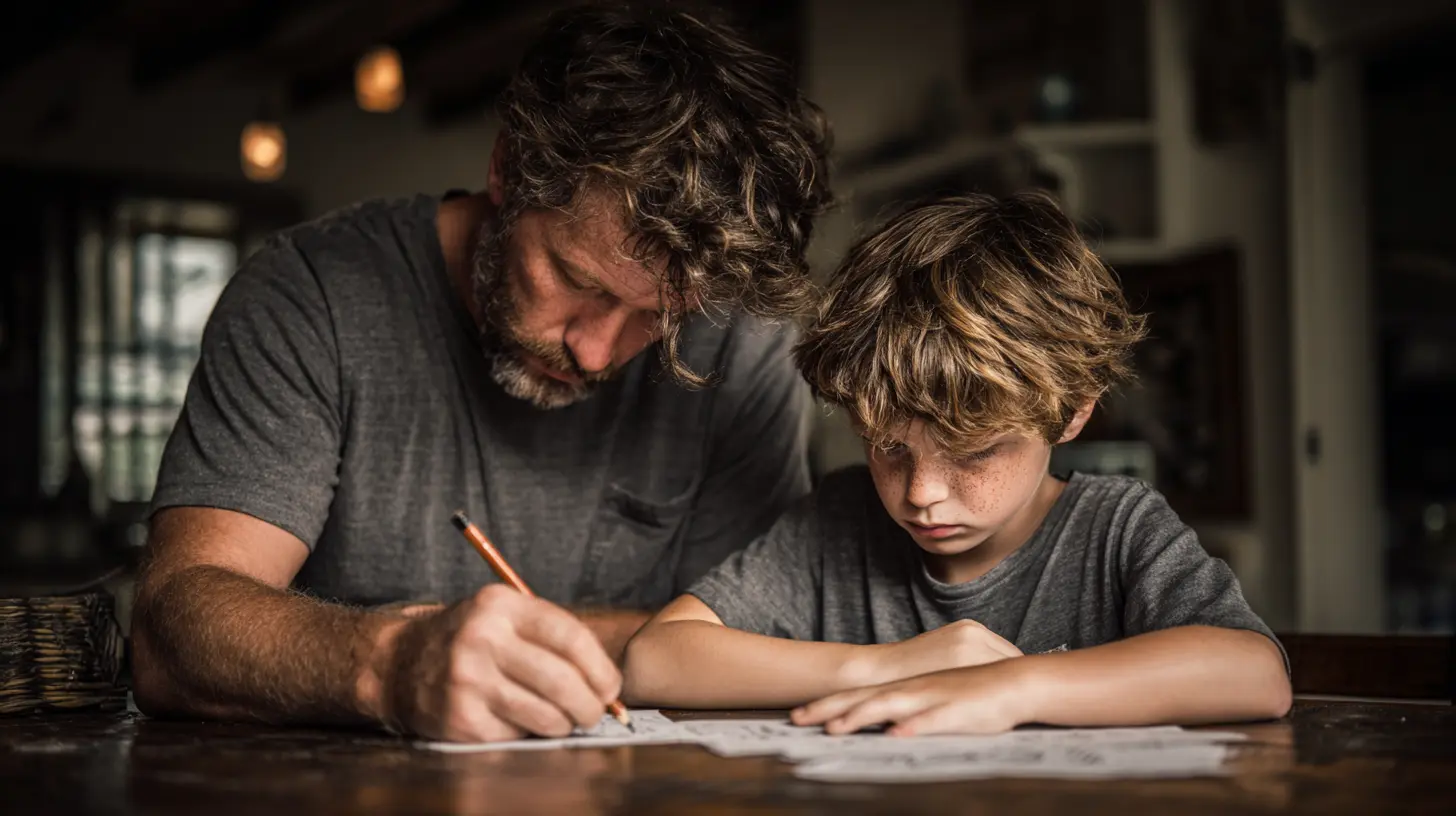
The Long-Term Payoff: Raising Resilient and Responsible Humans
Teaching responsibility when things don’t go as planned isn’t just about surviving rainy-day disasters or broken toys. It’s about preparing your kids for life’s bigger challenges. Whether it’s failing a test, losing a job, or dealing with heartbreak, they’ll know how to face difficulties with grit and grace.And here’s the cherry on top: When we teach our kids how to navigate tough moments responsibly, we’re also strengthening our bond with them. They’ll remember how we stood by their side, cheering them on and showing them the way. That’s the kind of stuff that sticks with them forever.
Final Thought: It’s a Journey, Not a Race
Let’s be real for a second—teaching responsibility is not something you can “nail” in a day, a week, or even a year. It’s a lifelong process that involves a lot of patience, a sprinkle of trial and error, and a whole lot of love.So, the next time plans go haywire, don’t panic. Take a deep breath, put on your “teachable moment” hat, and remember—you’re helping your child build skills they’ll carry for the rest of their life. And honestly? That’s pretty amazing.
all images in this post were generated using AI tools
Category:
Teaching ResponsibilityAuthor:

Liam Huffman
Discussion
rate this article
1 comments
Hunter Jennings
This article nails the reality of parenting. It's crucial to teach kids how to adapt when things go sideways. Those moments build resilience and prepare them for life's challenges.
June 7, 2026 at 4:50 AM
Liam Huffman
Thank you! I'm glad you found it resonates. Teaching kids to adapt is key for their resilience.