The Dangers of Secondhand Smoke: How to Keep Kids Safe
28 June 2026
As parents, we always strive to give our kids the healthiest start in life. We baby-proof the house, buckle them up in car seats, and make sure they eat their veggies. But have you ever thought about the air they breathe?
Secondhand smoke is a silent, invisible danger that can seriously harm children. Even if you don't smoke, your kids may still be exposed to toxic air at home, school, or public places. The good news? You can take steps to protect them.
Let’s dive into the dangers of secondhand smoke and how to keep your little ones safe. 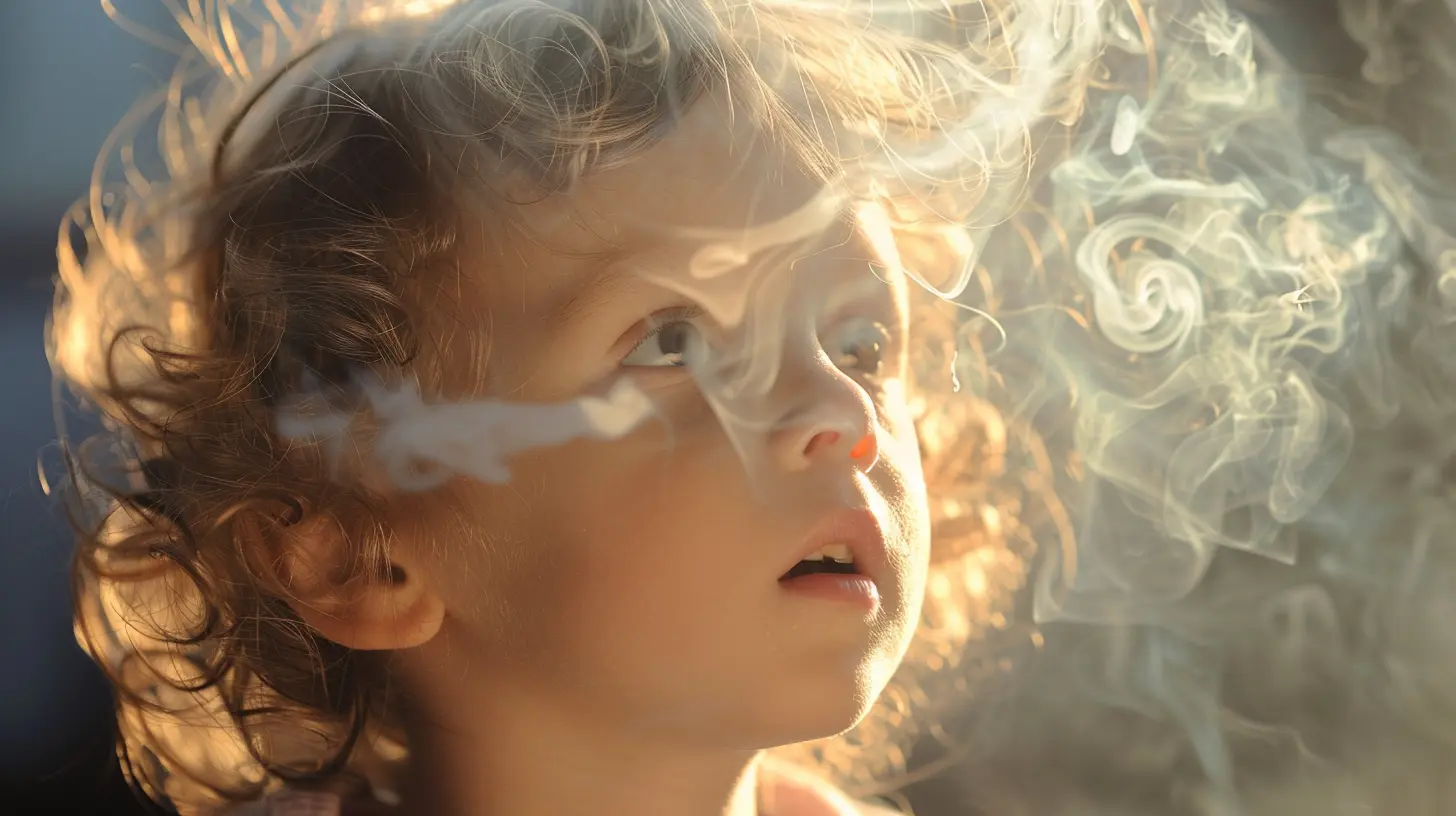
What is Secondhand Smoke?
Secondhand smoke (SHS), also known as passive smoke, is a combination of:- Mainstream smoke: The smoke exhaled by a smoker.
- Sidestream smoke: The smoke from the burning end of a cigarette, cigar, or pipe.
Both types contain over 7,000 chemicals, with at least 250 toxic ones and more than 70 cancer-causing substances.
Since kids breathe faster than adults, their small lungs absorb even more of these harmful chemicals. And the worst part? There’s no safe level of exposure. Even a little bit can be dangerous. 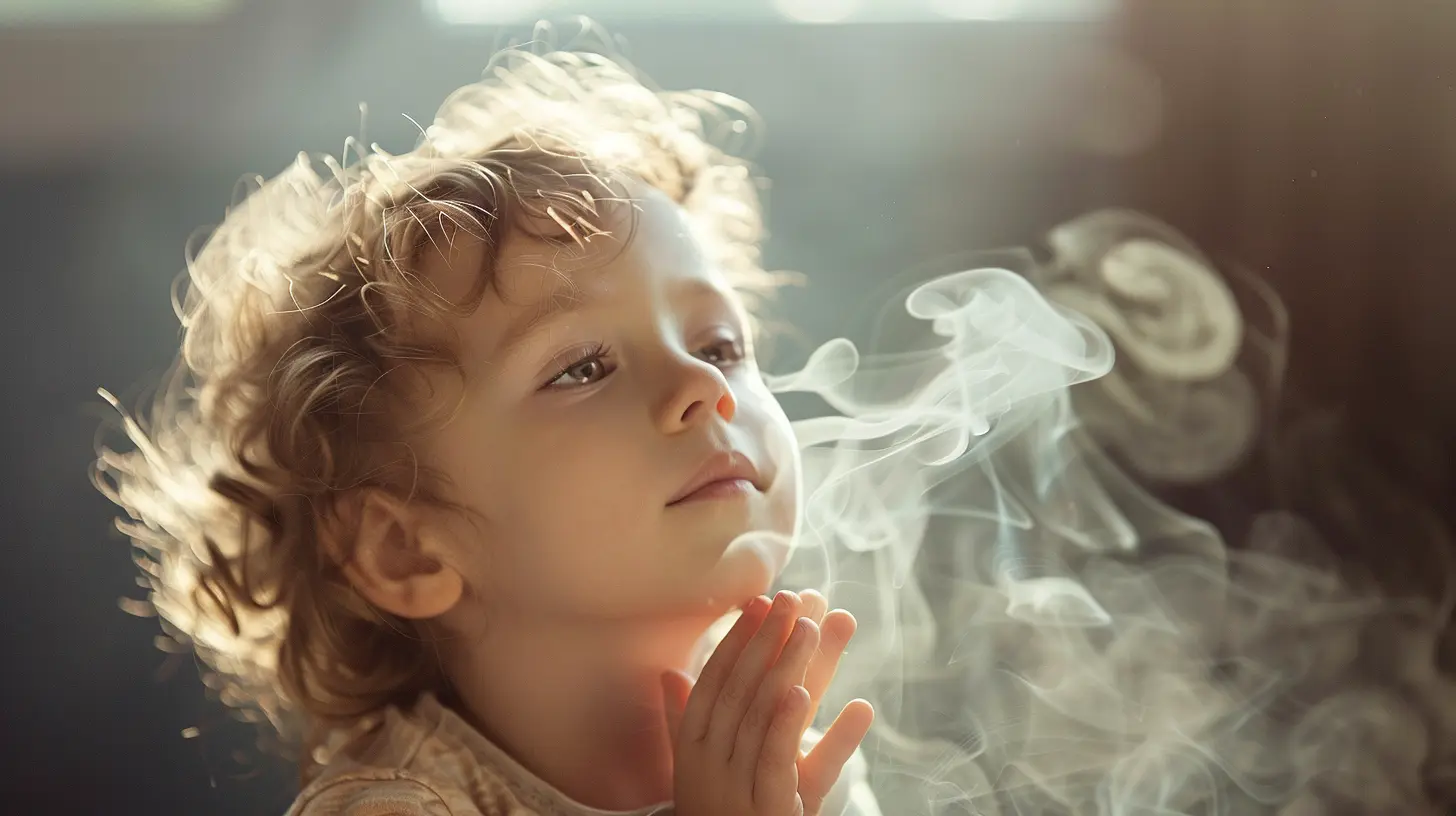
How Secondhand Smoke Harms Children
1. Increased Risk of Respiratory Infections
Children exposed to secondhand smoke are more likely to suffer from bronchitis, pneumonia, and colds. Their lungs are still developing, making them extra vulnerable to damage from smoke particles.Ever noticed how kids in smoking households seem to get sick more often? Their immune systems are constantly fighting off infections from the polluted air they breathe.
2. Higher Chances of Asthma and Wheezing
For kids who already have asthma, secondhand smoke can trigger frequent and severe attacks, making it harder for them to breathe. Even for those without asthma, exposure can lead to chronic coughing and wheezing.Think of it like trying to run a race while breathing through a straw—it’s uncomfortable, scary, and downright exhausting.
3. Increased Risk of Sudden Infant Death Syndrome (SIDS)
Babies exposed to secondhand smoke are at a higher risk of SIDS, the unexplained death of an infant during sleep. The chemicals in smoke can interfere with a baby’s developing brain, affecting their breathing patterns.4. Ear Infections Become More Frequent
Secondhand smoke irritates the lining of the ear canal, leading to fluid buildup and infections. These infections can be painful and, if untreated, even lead to hearing loss.If your child has frequent ear infections, secondhand smoke might be the hidden culprit.
5. Long-Term Health Issues
Exposure to secondhand smoke in childhood increases the risk of heart disease, lung disease, and even cancer in adulthood. The damage doesn’t just disappear as they grow—it stays with them for life.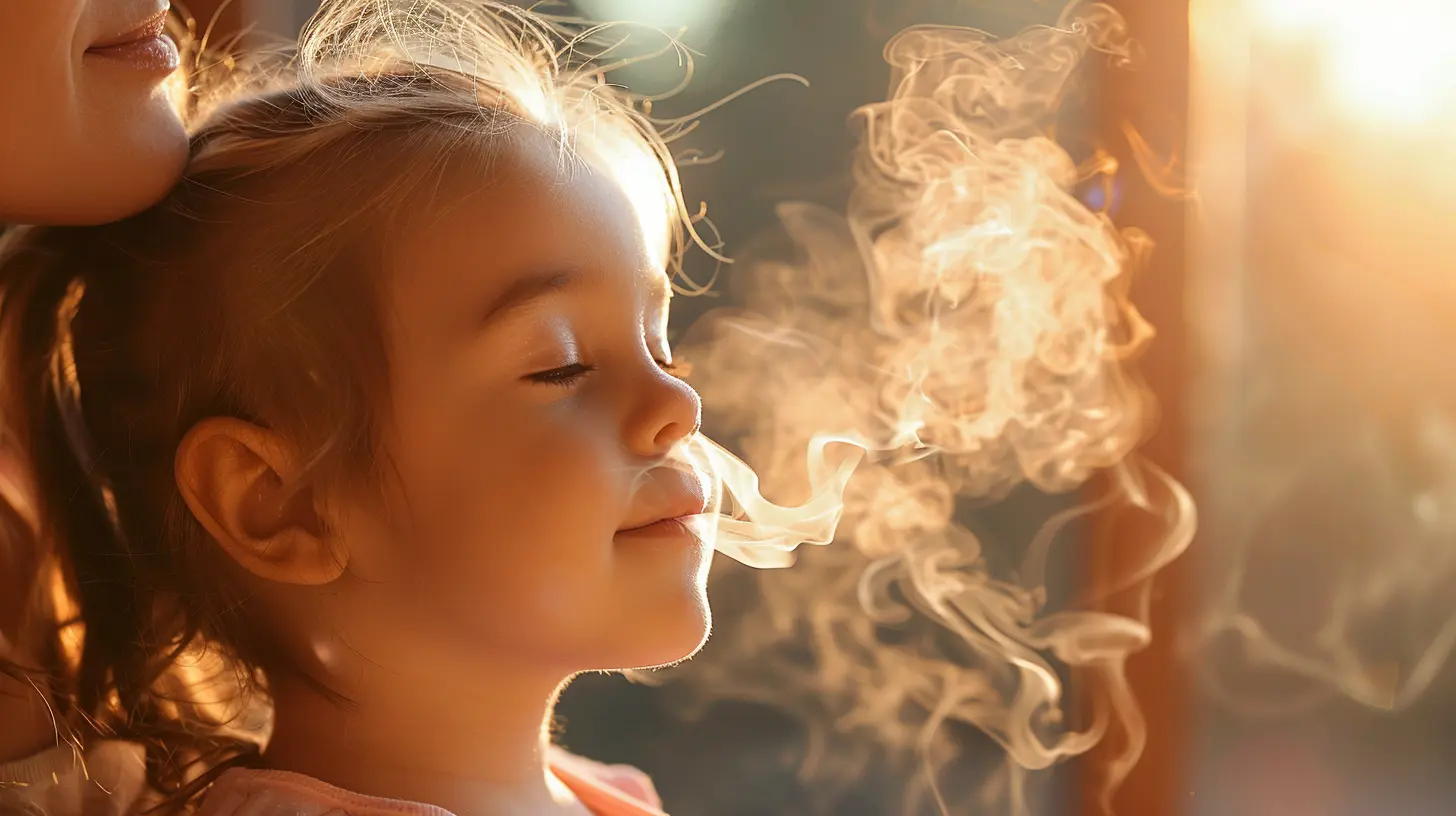
Where Are Kids Exposed to Secondhand Smoke?
You might think, "I don’t smoke inside, so my kids are safe." But secondhand smoke lingers and clings to surfaces longer than you realize. Here are some common sources:1. At Home
- Smoke particles settle on furniture, curtains, carpets, and even walls.- Opening windows or using air fresheners doesn’t eliminate the toxins.
2. In Cars
- Smoking in the car—even with the windows down—leaves harmful chemicals behind.- The small space traps the toxins, making them more concentrated.
3. In Public Places
- Parks, sidewalks, and outdoor seating areas can still expose kids to smoke.- Even if you’re not the one smoking, they may inhale fumes from nearby smokers.
4. At Daycare or Friends’ Homes
- If a caregiver or friend smokes at home, the lingering smoke can still harm your child, even if they don’t smoke in front of them.- "Thirdhand smoke" (residual nicotine and chemicals left on surfaces) can stick to clothes, furniture, and even toys.
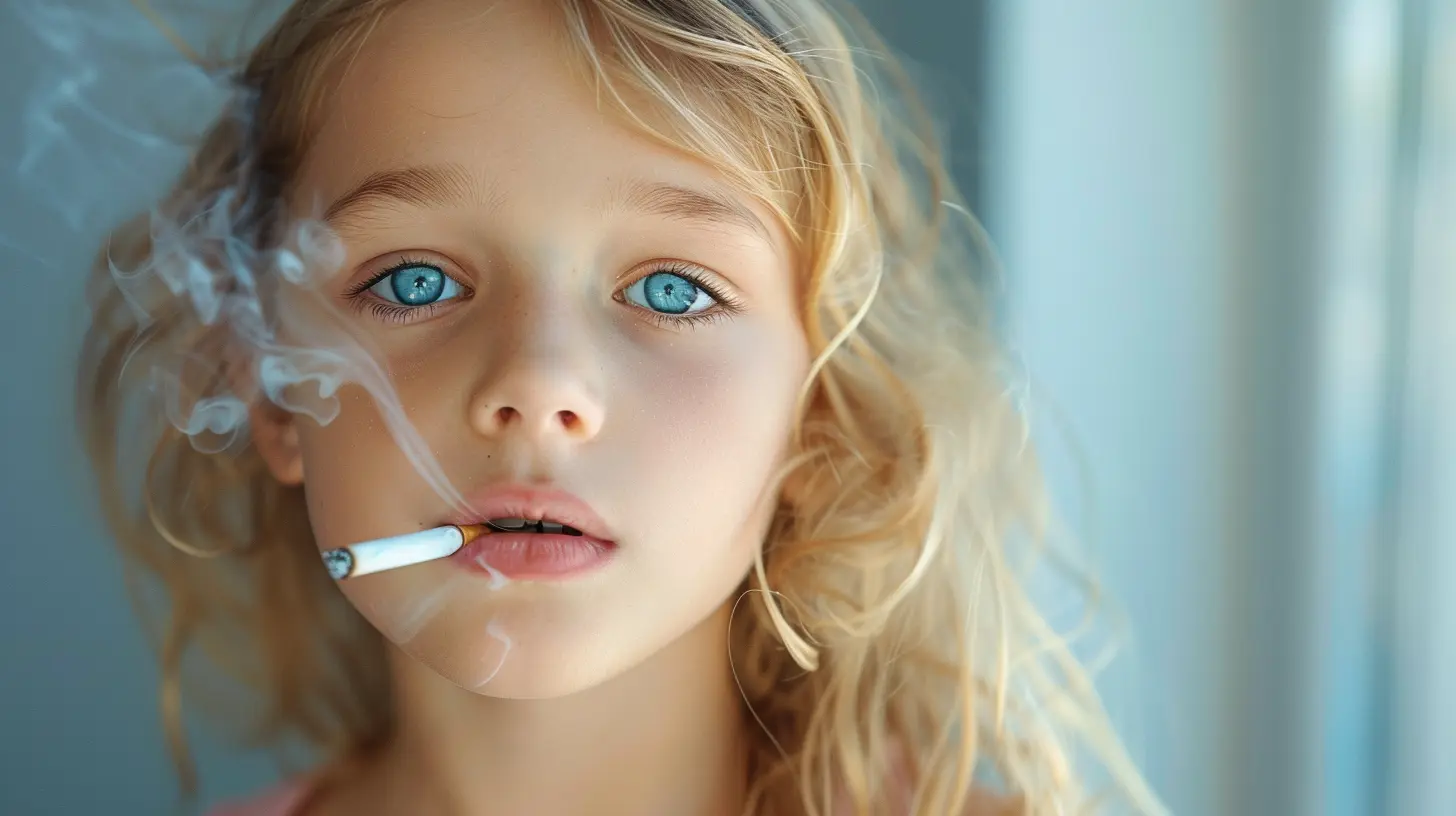
How to Protect Your Kids from Secondhand Smoke
Now that we know the risks, let’s talk about solutions. Protecting your kids from secondhand smoke is easier than you think.1. Make Your Home and Car 100% Smoke-Free
- Establish a strict no-smoking policy inside your home and car—no exceptions.- Ask visitors to smoke outside, far from doors and windows.
- Wash clothing, curtains, and upholstery frequently to remove residual toxins.
2. Be Mindful of Thirdhand Smoke
- Avoid letting kids touch surfaces or play in areas where people have smoked.- If someone in your household smokes, encourage them to change clothes and wash their hands after smoking.
3. Choose Smoke-Free Environments
- If you’re hiring a babysitter or choosing a daycare, ask about their smoking policies.- Avoid restaurants, parks, and public places where smoking is allowed.
4. Talk to Friends and Family
- Let loved ones know why you don't want smoke around your children.- If they smoke, kindly ask them to do it away from your home and car.
5. Encourage Loved Ones to Quit Smoking
- Offer support and resources to family members who smoke.- Quitting benefits them and keeps your little ones safe.
Helping Someone Quit Smoking
If someone close to you smokes, quitting might feel impossible. But it’s never too late to quit.Ways to Help a Smoker Quit:
- Encourage them to seek support: Hotlines, support groups, and medical treatments can help.- Suggest nicotine replacement therapy: Patches, gum, and medications can ease withdrawal symptoms.
- Be patient and supportive: Quitting is tough, but every step counts.
- Celebrate small victories: Even reducing smoking helps lessen secondhand exposure.
If they’re not ready to quit yet, ask them to at least smoke outside and away from the kids.
Final Thoughts
Secondhand smoke is a serious threat to children’s health, but you have the power to protect them. By creating smoke-free spaces, being mindful of thirdhand smoke, and encouraging loved ones to quit, you can ensure your little ones grow up in a safe and healthy environment.Because at the end of the day, every child deserves to breathe clean, pure air.
all images in this post were generated using AI tools
Category:
Child SafetyAuthor:

Liam Huffman
Discussion
rate this article
1 comments
Caden Sharpe
Smoke-free kids, happy parents!
June 29, 2026 at 4:41 PM