The Importance of Teaching Consent to Kids Early
30 July 2026
Let’s face it—parenting is full of overwhelming milestones. From first steps to first words, we document every moment like it’s gold. But there’s one crucial life lesson that often gets overlooked in the early years: teaching consent.
Now, hold on a sec. I’m not talking about the heavy, adult-themed version of consent. What I mean is empowering our kids to understand boundaries, respect personal space, express themselves clearly, and recognize their right to say “no.” Teaching consent early isn’t just about safety. It’s about building confidence, empathy, and strong, respectful relationships that last a lifetime.
So why is it so important to start this conversation young—and how do you even begin? Let’s dig in.
Why Teaching Consent Early Matters
1. Kids Are Learning Machines
Children are like little sponges, soaking up everything around them—language, social cues, behaviors, you name it. That also means the earlier they hear and see healthy boundaries in action, the more second-nature it becomes.Think about it: when we teach toddlers “please” and “thank you,” we’re laying the groundwork for politeness. So why not start just as early with “Are you okay with a hug?” or “You don’t have to kiss Aunt Lisa if you don’t want to”?
Starting young doesn’t complicate childhood—it empowers kids to grow with clarity.
2. Consent Isn’t Just About Sex
Let’s bust a myth right now: teaching consent isn’t a “too mature” topic. It’s not about sexuality when you’re talking to a preschooler. It’s about teaching them that:- They own their bodies.
- Their feelings matter.
- They should respect others' boundaries too.
Honestly, that’s just good manners with emotional intelligence.
3. Prevention is Better Than Cure
Here's a tough truth: teaching consent early is one of the best ways to prevent abuse. When children understand that it’s okay to speak up, that their body belongs to them, and that secrets (especially secrets that make them uncomfortable) are not okay—they’re more likely to recognize inappropriate behavior and reach out for help.Wouldn’t you rather build their armor now than try to repair cracks later?
What Consent Looks Like for Kids
Believe it or not, toddlers and preschoolers are already navigating consent in simple ways. Every time your kid doesn’t want to share a toy or give a hug—they’re expressing a boundary. Here’s how consent shows up in kid-friendly terms:- Asking before touching someone else (even if it’s just a hug or tickle)
- Listening when someone says “No” or “Stop”
- Respecting when a friend wants space during playtime
- Saying “Yes” when they feel good about something, not because they feel pressured
Pretty basic, right? But foundational.
How to Talk About Consent with Kids
Alright, you’re ready to dive in—but where do you start? Don’t worry, you don’t need to be a child development expert. You just need to keep it honest, simple, and age-appropriate.1. Use Real Language for Body Parts
Start by teaching the proper names for private body parts. Yes, it might feel awkward at first—but calling things by their real names sends a message: nothing about your body is shameful.When a kid knows the right words, they’re better prepared to talk about their bodies and tell a trusted adult if something feels wrong.
2. Empower Them to Say “No”
Let your child know that it’s okay to say no—even to adults. That might feel uncomfortable as a parent (especially when Grandma wants that kiss goodbye), but it reinforces a powerful message: they control their own bodies.Don’t force physical affection. Instead, offer options.
“Do you want to give Grandma a hug, a high-five, or just wave goodbye?”
This way, everyone still gets that sweet farewell moment, but your child gets to choose how they engage.
3. Teach Them to Ask for Permission, Too
Teaching consent goes both ways. Encourage your kids to ask before touching others. Whether they’re climbing into a friend’s lap or tackling a sibling in play, asking “Is this okay?” puts empathy and consideration into practice.You’re helping them become mindful of how actions affect others. And let me tell you—that’s a life skill they’ll use forever.
4. Talk About Feelings—Often
Consent isn’t just physical—it’s emotional too. Help your child identify their feelings and trust their gut. Ask questions like:- “How did you feel when your friend said no?”
- “What do you do when someone makes you uncomfortable?”
Celebrate their honesty. Let them know their feelings are always valid—even if someone else doesn’t understand them right away.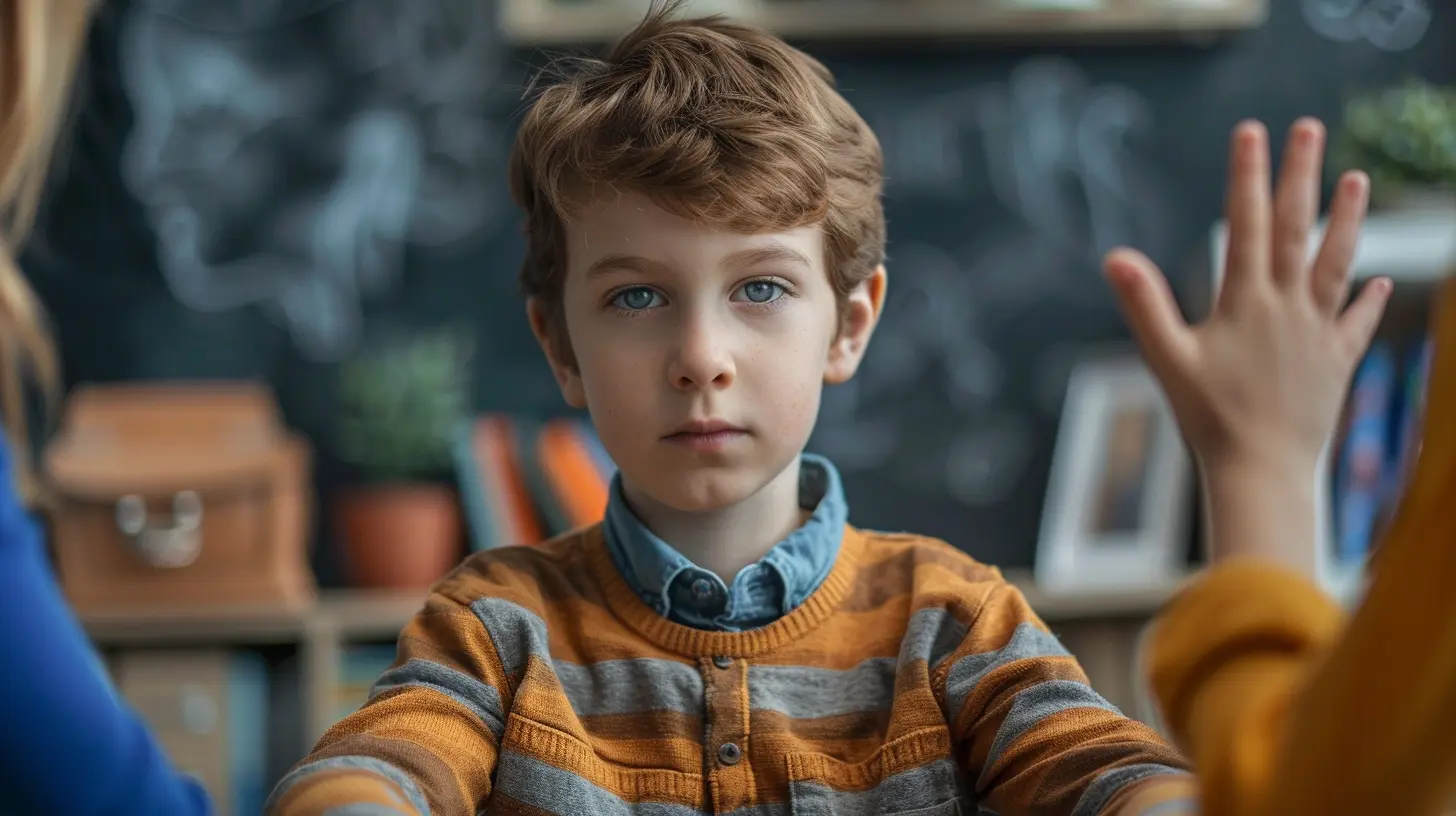
Everyday Moments That Teach Consent
You don’t need to wait for a Big Talk. In fact, the best lessons happen in everyday little moments. Parenting is full of teachable bits—you just need to spot them.Here are a few ways to weave consent into daily life:
Bathtime
Ask: “Can I wash your hair now?” or “Do you want to do it yourself?”This shows them their opinion matters, even during routine care.
Playdates
Remind your child to ask before borrowing toys, touching, or playing games that might make others uncomfortable.“Let’s make sure everyone’s okay playing tag before we start.”
Storytime
So many books and shows have characters navigating boundaries—use these moments to start a chat.- “What could the character have done differently?”
- “How would you feel if someone did that to you?”
This way, you’re teaching critical thinking around consent. Bonus? You’re raising emotionally intelligent humans.
How to Handle Pushback
A lot of us grew up in a different time. You might hear things like:- “Don’t be rude—give Uncle Steve a hug!”
- “They’re just being friendly!”
Here’s how to push back gently but firmly:
- “We’re teaching them they’re in charge of their body. They can show affection in their own way.”
- “We want them to feel safe and comfortable, even with family.”
Stand your ground. Advocate for your child. You’re not raising a people-pleaser. You’re raising a confident, intuitive decision-maker.
Modeling Consent at Home
Kids learn way more from watching you than from listening to you (yep, tough pill to swallow). If you want your child to understand consent, model it.Ask before giving hugs. Respect their “no.” Apologize when you mess up. Talk about your own boundaries.
Even phrases like:
- “I really don’t feel like talking right now. I need a little quiet time.”
- “I’d prefer if you didn’t take things from my purse without asking.”
These show that adults have boundaries too—and that’s totally healthy.
Repeating the Message as They Grow
Teaching consent isn’t a one-and-done conversation. As your child grows, the conversations will evolve. What starts with “Don’t touch without asking,” becomes “Respect your partner’s boundaries,” and eventually, “Healthy relationships are based on mutual respect and communication.”The seeds you plant now will grow with your child.
What If You Didn’t Learn This Growing Up?
Here’s some good news: you don’t have to be an expert or have gotten it perfectly as a kid. You’re breaking patterns. That’s powerful work.Be honest with your child. It’s okay to say:
- “I wasn’t taught this when I was little, but I’m learning with you.”
- “It’s important to me that you feel respected and heard, even if I didn’t always feel that way growing up.”
These vulnerable moments? They’re gold. They build trust and show your child that growth is always possible.
The Ripple Effect of Consent
When you teach your child about consent, you're doing more than keeping them safe. You're equipping them with tools to:- Build healthy friendships
- Stand up for themselves
- Avoid toxic relationships
- Become compassionate parents, partners, and leaders
You’re contributing to a kinder, safer world—one little conversation at a time.
And that? That’s something to be proud of.
Final Thoughts
Parenting doesn’t come with a handbook, and there’s no such thing as perfect. But one of the most powerful things we can do is raise kids who value themselves and others.Teaching consent early might seem small now, but down the road, it can change everything.
It’s not an optional add-on in your parenting toolbox—it’s a daily, essential part of raising happy, healthy, respectful humans.
So go ahead—start the conversation. Keep it going. Your kids are listening, learning, and watching. And trust me—they’re more ready than you think.
all images in this post were generated using AI tools
Category:
Child SafetyAuthor:

Liam Huffman