The Influence of Body Language on Kids’ Self-Image
19 March 2026
Have you ever noticed how a child's face lights up when you give them a warm smile or how they shrink away when confronted with a harsh glare? These subtle, non-verbal cues shape our little ones in ways we often overlook. Body language isn’t just a way we communicate—it’s a powerful tool that influences how children see themselves.
So, what exactly is the impact of body language on a child's self-image? And more importantly, how can we use it to build their confidence instead of unknowingly tearing it down? Let’s dive in!
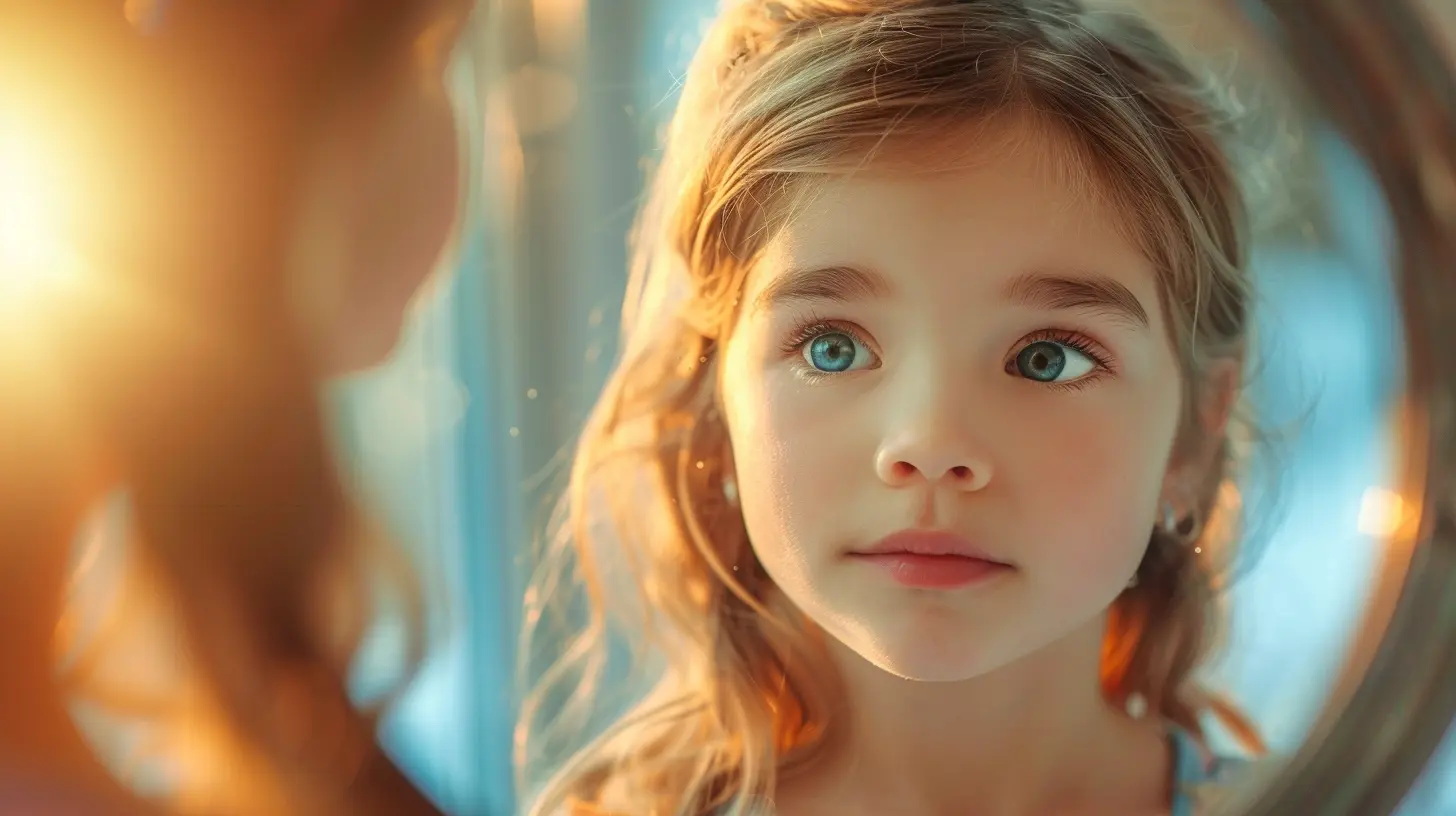
What is Body Language, and Why Does It Matter?
Body language is the silent messenger of emotions. It includes facial expressions, posture, hand gestures, eye contact, and even the way we position ourselves in a room. It’s how we communicate without speaking.Now, imagine being a child. You’re constantly scanning the faces and movements of the people around you, especially your parents and caregivers. If their arms are always crossed, their brows furrowed, or their tone disapproving, how would that shape your self-image? Exactly! Kids absorb these signals like little sponges, using them to form beliefs about themselves.
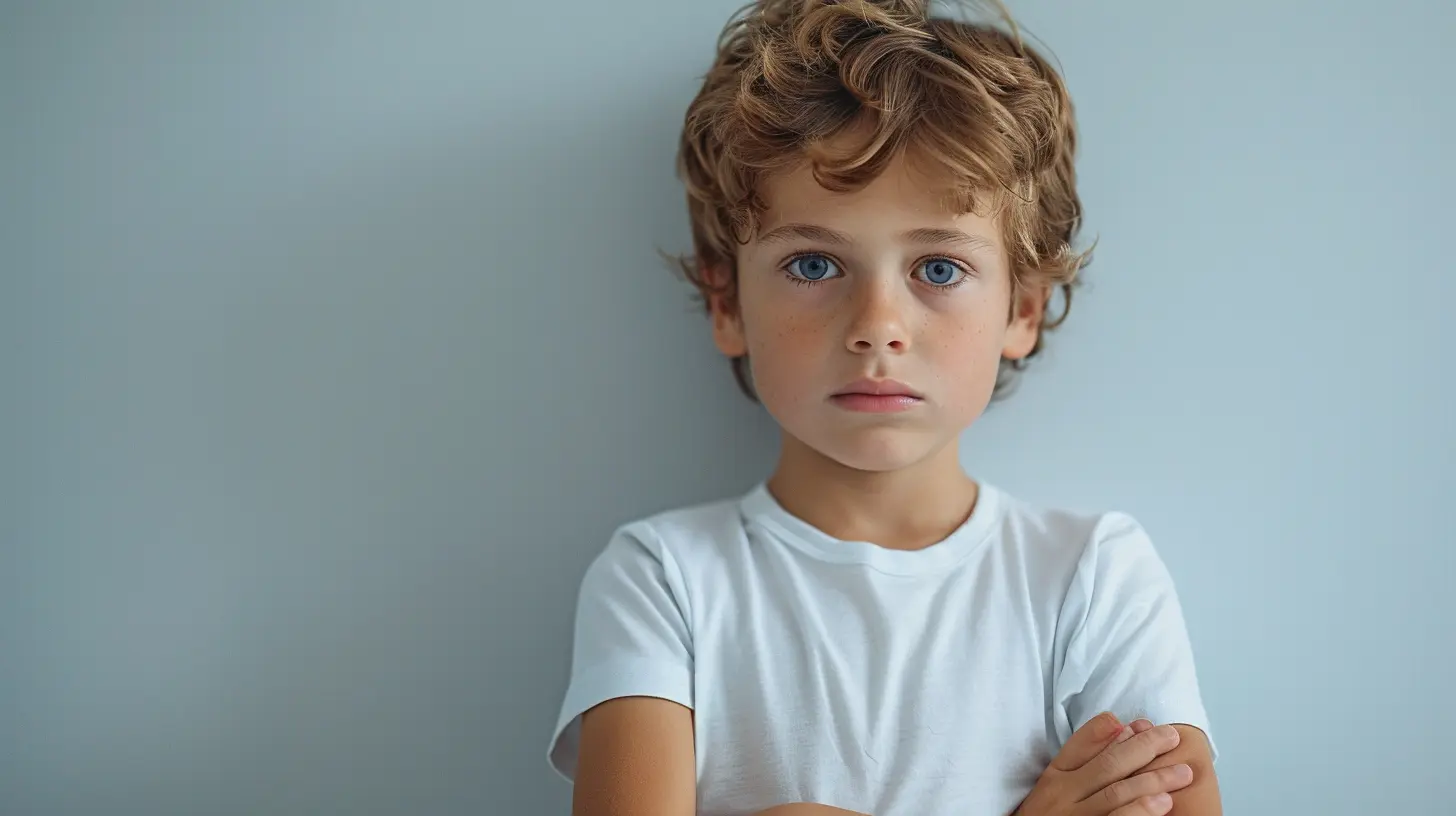
How Body Language Shapes a Child’s Self-Image
Children don’t just listen to what we say; they watch how we say it. Here’s how body language plays a big role in shaping their self-esteem and self-worth:1. Positive vs. Negative Body Language
Think about the power of a simple thumbs-up or a pat on the back. Positive body language reassures kids, reinforcing their confidence. On the flip side, when a parent constantly sighs, rolls their eyes, or avoids eye contact, it sends an entirely different message.- Positive gestures (smiling, open arms, nodding) = Encouragement and support
- Negative gestures (frowning, folded arms, avoiding eye contact) = Doubt and disapproval
Even if we don’t mean to, our body language can sometimes undermine our words. Saying “Good job!” with a forced, uninterested expression won’t have the same impact as saying it with genuine enthusiasm and a smile.
2. Eye Contact: A Window to Self-Worth
Ever tried talking to someone who won’t look up from their phone? Feels terrible, right? Now picture how a child feels when their parents rarely make eye contact with them.Eye contact makes kids feel seen and valued. It tells them, You matter. I’m listening. On the contrary, avoiding eye contact can make a child feel ignored or unimportant, which can chip away at their confidence over time.
3. Posture and Presence: The Silent Confidence Booster
Posture speaks volumes. A slouched back and crossed arms can signal disinterest, while an open stance with relaxed shoulders conveys warmth and acceptance.Encouraging good posture doesn’t just help physically—it builds confidence. When kids stand tall, they feel stronger and more self-assured. If we model confident body language ourselves, they’re likely to mirror it. On the other hand, if we constantly appear tense or unsure, they might adopt similar habits.
4. Facial Expressions: The Emotional Mirror
Have you ever seen a toddler burst into tears just from a parent's disappointed look? That’s the power of facial expressions.Kids are incredibly perceptive. If they frequently see frowns, raised eyebrows, or expressions of disappointment directed toward them, they may start to believe they’re constantly doing something wrong. Eventually, this can lead to self-doubt and anxiety.
A warm, reassuring smile, on the other hand, can be the emotional hug a child needs to feel secure.
How Parents Can Use Body Language to Boost a Child’s Confidence
Now that we understand the impact of body language, let's talk about how we can use it to nurture a strong, positive self-image in our kids.1. Be Mindful of Your Expressions
Before reacting to something your child says or does, pause for a moment. Are your facial expressions reflecting support or discouragement? A simple shift from a neutral face to a warm smile can make a world of difference.2. Use Open and Welcoming Gestures
When talking to your child, try to:- Keep your arms uncrossed
- Lean in slightly to show you’re engaged
- Nod when they speak to encourage them to express themselves
These subtle changes make kids feel like what they say matters.
3. Make Eye Contact—But Keep It Gentle
When your child speaks, put down your phone, look them in the eyes, and truly listen. This tells them they're valued. However, avoid staring too intensely—nobody likes an uncomfortable glare!4. Teach and Model Confident Posture
Helping kids develop confident body language starts with us. Encourage them to stand tall, shoulders back, with a relaxed posture. Show them how to walk with assurance and maintain friendly, open body language during conversations.At home, create a habit of “power poses” together—standing tall like a superhero before an important event or speaking engagement can do wonders for their confidence!
5. Offer Physical Affirmation
Sometimes words aren’t enough. A reassuring hug, a playful high-five, or a gentle hand on the shoulder can provide emotional security. Physical touch, when appropriate, reinforces love and support.6. Use Body Language to Celebrate Efforts, Not Just Results
Instead of just praising the final achievement, celebrate the journey with positive physical cues. A thumbs-up for effort, a cheerful nod for trying, or an energetic fist bump for persistence all encourage resilience and self-belief.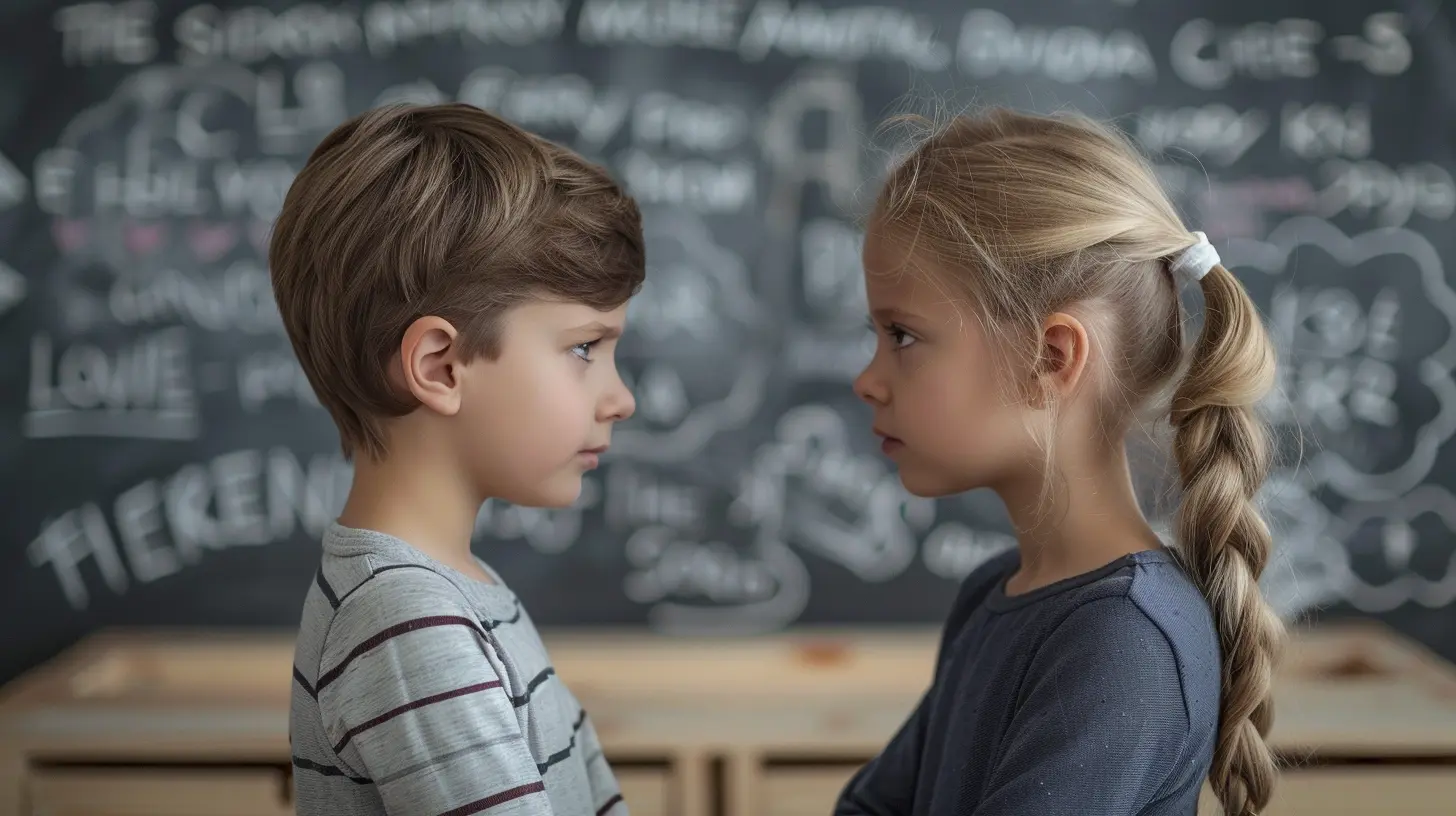
How Negative Body Language Can Damage a Child’s Self-Image
Just as positive body language builds confidence, negative body language can chip away at a child’s self-esteem.Here are a few habits to watch out for:
- Eye-rolling: It can make kids feel like their opinions don’t matter.
- Constant frowning: May signal disappointment, even when unintended.
- Turning away mid-conversation: Can make them feel unimportant.
- Frequent sighing: Implies frustration, which kids may take personally.
Remember, children are ultra-sensitive to non-verbal cues, so being aware of these small habits can prevent unintentional harm.
Final Thoughts: The Silent Power of Body Language
Body language is a parenting superpower we often overlook. It doesn’t require words—just a little awareness and intentional effort.By using open, positive, and encouraging non-verbal cues, we can help our kids feel more secure, confident, and valued. And when they feel great about themselves, they take on the world with courage and self-assurance.
So, next time you interact with your child, take a second to check your body language. A small tweak might just be the confidence boost they need!
all images in this post were generated using AI tools
Category:
Building Self EsteemAuthor:

Liam Huffman
Discussion
rate this article
2 comments
Opal McConkey
This article highlights a crucial aspect of parenting often overlooked: the impact of body language on children's self-image. Parents must be mindful of their non-verbal cues, as kids are keen observers. Positive body language can foster confidence, while negative signs may inadvertently erode their self-esteem.
March 22, 2026 at 3:21 AM
Liam Huffman
Thank you for your insightful comment! You're absolutely right—non-verbal cues play a pivotal role in shaping children's self-image. Being mindful of our body language can make a significant difference in their confidence and self-esteem.
Juliet Young
Loved this article! It's amazing how our body language shapes our kids' self-image. Small changes can make a big difference. Let’s nurture their confidence every day!
March 20, 2026 at 6:02 PM
Liam Huffman
Thank you! I completely agree—our body language plays a crucial role in shaping children's self-image, and even small adjustments can have a significant impact. Let's keep fostering their confidence together!