The Link Between Physical Activity and Self-Confidence in Kids
15 June 2026
Kids and confidence go together like peanut butter and jelly – when they fit, magic happens. But let’s be real for a second: not every child walks into a room like they own it. Building self-confidence in kids is a process, and sometimes it feels like finding the secret recipe for happiness. Spoiler alert: physical activity might just be the missing ingredient.
Think about it. Remember when you finally nailed riding a bike without training wheels? That sense of accomplishment was almost electric. It made you feel invincible, didn’t it? That’s exactly how physical activity can boost self-confidence in kids. Let’s dive into the science, the benefits, and a few quirky tidbits about why getting little ones moving is a game-changer for their self-esteem.
Kids and Physical Activity: A Dynamic Duo
Picture this: a kid who’s just scored their first soccer goal, successfully climbed up the monkey bars, or mastered a new dance move. The grin on their face? Priceless. Physical activity isn’t just about burning energy or staying in shape; it’s also about showing kids they’re capable of achieving things they didn’t think they could. Every little win builds a foundation of self-trust and belief.Kids who engage in physical activities often feel more competent in their abilities. Think of it like building a sturdy LEGO tower – every positive experience adds a new block of confidence. The more they stack up, the sturdier their self-belief becomes.
Why Does Physical Activity Boost Self-Confidence?
It’s not magic (although it feels like it). It’s a combination of biology, psychology, and good old-fashioned fun. Here’s how it works:1. The Power of Accomplishment
Kids thrive on small victories. Whether it’s kicking a ball farther than yesterday or finishing a challenging swim lap, every accomplishment screams, “I CAN DO THIS!” These moments help them realize that effort pays off, and nothing feels better than proving to themselves they’re capable.2. Feel-Good Hormones
Physical activity isn’t just great for their muscles – it gives their brain a little pep, too. Exercise releases endorphins, aka the “happy hormones.” Think of endorphins as nature’s way of giving kids a high five. When they’re feeling good physically, it spills over into their emotions. A happy kid = a confident kid.3. Social Skills on the Field
Group activities like soccer, basketball, or dance classes teach kids teamwork, cooperation, and how to handle a little friendly competition. They learn to communicate, cheer for their peers, and, yes, even deal with defeat. These skills translate to real-life confidence boosters, like making friends or presenting in front of the class.4. Body Confidence Boost
Let’s not forget how physical activity helps with feeling strong and capable. When kids feel good about their bodies and what they can do, it fosters a positive self-image. It’s like giving them a mirror that shows how awesome they are, inside and out.
The Domino Effect of Confidence
Confidence isn’t confined to games or sports – it ripples into all areas of a child’s life. Have you noticed how kids who are confident on the basketball court are also the ones willing to raise their hands in class? It’s no coincidence.Here’s why: when a child believes they can conquer something physically challenging, they’re more likely to tackle emotional and intellectual challenges with the same mindset. It’s like planting a seed – once they see what they’re capable of, they realize there’s no limit to their potential. 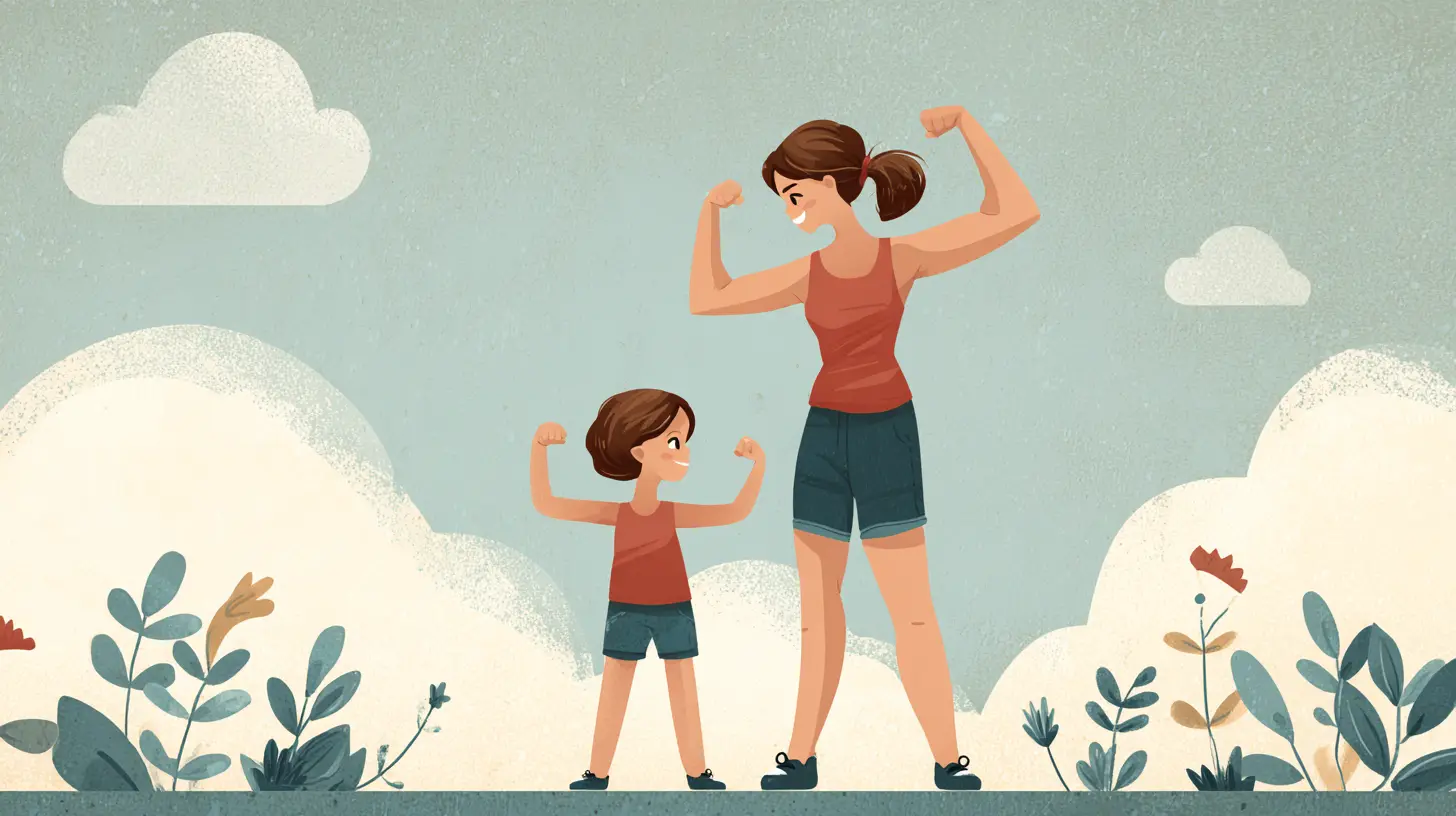
Overcoming Setbacks: The Real MVP of Growth
Let’s get one thing straight: physical activity doesn’t mean rainbows and sunshine all the time. Kids will fall. They’ll miss shots. They might even lose games. But guess what? That’s exactly the point.Learning to handle setbacks is a crucial part of developing self-confidence. Sports and physical activities serve as a controlled environment where kids can “fail” safely. Over time, they realize that a missed goal isn’t the end of the world – it’s just a chance to try again. This resilience is like a secret superpower that they can carry with them throughout life.
How to Encourage Your Kids to Get Moving
Okay, so you’re sold on the whole “physical activity builds confidence” thing – but what if your kid isn’t exactly eager to sign up for the soccer team? Don’t worry. Not every child is a born athlete, and that’s perfectly fine. The key is finding something they actually enjoy.Here are some tips to get your little one moving:
1. Make It Fun
Not every kid wants to run laps or dribble a ball, and that’s okay. Turn it into playtime instead. Dance parties in the living room? An epic game of tag? Building an obstacle course in the backyard? These count too!2. Let Them Explore
Expose your child to a variety of activities – swimming, karate, hiking, gymnastics, even yoga. Sometimes it takes a few tries (or more) to find what clicks with them.3. Be Their Cheerleader
Celebrate their efforts, not just their achievements. Didn’t make the shot? That’s cool! They gave it their all, and that’s what matters. Knowing you support them no matter what is a huge confidence booster.4. Lead by Example
Kids are natural copycats – they’ll follow what you do more than what you say. If they see you being active and enjoying it, they’re more likely to want in on the fun.Balancing Physical Activity and Over-Scheduling
Here’s an important side note: while physical activity is amazing for kids’ confidence, it’s also important not to overdo it. Shuffling them from soccer practice to dance class to martial arts every single day is a recipe for burnout (both for them and you).Balance is key. Leave room for downtime, creativity, and just being a kid. Remember, it’s not about creating the next Olympic gold medalist – it’s about helping your child feel good about themselves.
The Real Measure of Success
At the end of the day, it’s not about how many trophies they collect or how many goals they score. The real measure of success is how they feel about themselves. If physical activity helps your kid walk a little taller, smile a little bigger, and carry themselves with a little more confidence, then you’re doing something right.So, lace up those sneakers, dust off the frisbee, or break into an impromptu dance battle with your kids (trust me, they’ll love it). Because the best way to boost their confidence is to make activity a part of your family’s everyday life. And hey, who knows? You might end up feeling a little more confident yourself.
Final Thoughts: Raising Confident Movers and Shakers
Building a child’s self-confidence isn’t about fancy programs or creating the “perfect” athlete – it’s about giving them the tools to believe in themselves. Physical activity is one of the simplest and most effective ways to do that. Every kick, jump, and cartwheel they conquer teaches them they’re stronger, braver, and more capable than they thought.And in the end, isn’t that what every parent wants? To see their kids happy, confident, and ready to take on the world – one step, leap, or forward roll at a time.
all images in this post were generated using AI tools
Category:
Building Self EsteemAuthor:

Liam Huffman
Discussion
rate this article
1 comments
Lola Middleton
This article highlights an essential connection between physical activity and self-confidence in children. It's encouraging to see how movement can empower kids in various aspects of their lives. I appreciate the insights shared and look forward to implementing these ideas to help my child thrive. Thank you!
June 16, 2026 at 5:04 AM
Liam Huffman
Thank you for your kind words! I'm glad you found the insights helpful. Encouraging movement can truly make a difference in children's confidence. Wishing you all the best as you implement these ideas!