The Power of Apologies: Modeling Forgiveness in Your Family
12 January 2026
Let’s be honest. We all mess up. We lose our tempers, say things we don’t mean, snap at our kids (and sometimes our partners), and then wish we could take it all back. Sound familiar?
The truth is, being a parent doesn’t make us immune to mistakes—it magnifies them. Why? Because little eyes are always watching. Our children see how we handle conflict, how we treat others, and most importantly, how we respond when we’re in the wrong.
One of the most powerful tools in your parenting toolkit? A simple, heartfelt apology. Yep, saying “I’m sorry” can change the trajectory of your family dynamics. It's not just about the words—it's about what you're modeling: humility, responsibility, and the beautiful art of forgiveness.
Let’s dive into how teaching and modeling apologies can absolutely transform your family’s emotional landscape.
Why Apologies Matter (More Than We Think)
You might think apologizing to your child is a sign of weakness. Spoiler alert: it’s not. It’s actually a show of strength. When you apologize to your child—owning up to your mistakes—you’re teaching them something way more valuable than any lecture or punishment ever could.You’re showing them how to be accountable.
Apologizing tells your child that everyone, even grown-ups, makes mistakes—and that it’s okay, as long as we take responsibility and try to do better next time. It takes the pressure off being perfect and creates a family culture of grace and growth.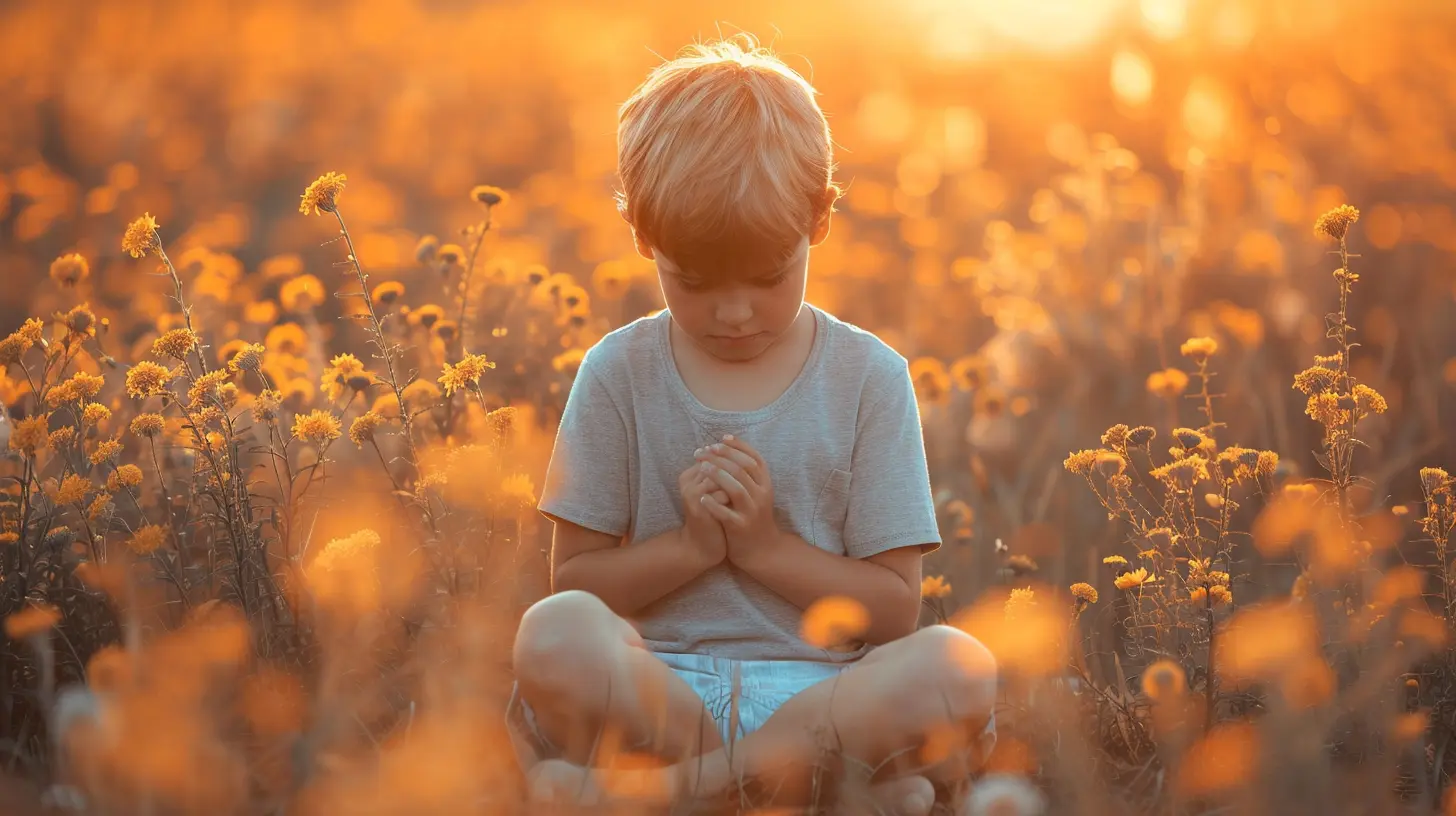
What an Apology Really Is (And What It’s Not)
Let’s break it down. A real apology isn’t “I’m sorry you feel that way” or “I’m sorry, but if you hadn’t...”Nope. That’s deflection. That’s shifting blame. That’s not teaching anything useful to your kids.
A genuine apology sounds like:
- “I’m sorry I yelled at you. I was feeling overwhelmed, but that doesn’t make it okay.”
- “I hurt your feelings, and I regret that. I’ll work on being more mindful.”
See the difference? It’s soft, sincere, and loaded with accountability.
When Parents Apologize: The Ripple Effect
Let’s say you lose your cool after a long day. You slam a door or snap at your kid for spilling milk (even though you've done the same a dozen times). Later, you sit down and calmly say, “I shouldn’t have reacted that way. I’m really sorry.”Here’s what happens:
1. Your child feels seen and respected.
2. You rebuild trust.
3. They learn how to take ownership of their own mistakes.
It’s like dropping a pebble in a pond—the ripples go far beyond the moment. That one apology models emotional intelligence, humility, and the power of making things right.
It also tells them a powerful truth: “It’s okay to mess up. What matters is what we do after.”
Teaching Kids to Apologize (Without Forcing It)
You can teach manners, but you can’t force sincerity. Ever heard a kid mutter a mumbled “Sorry!” under their breath while glaring daggers at their sibling? Yeah, not exactly a shining moment of emotional growth.So how do we raise kids who actually mean it when they apologize?
1. Model It Regularly
Kids don’t need perfection. They need visibility. Let them see you apologizing in real life. To your spouse, your friend, even the waiter who got your dinner order wrong. Real apologies in real situations.2. Explain the Why
Instead of saying, “Say you’re sorry,” try “Can you see how your actions might have made your brother feel?” Help them walk through empathy first. An apology rooted in understanding is a thousand times more meaningful.3. Praise Sincere Apologies
When they do get it right, celebrate that effort! "I’m proud of you for owning what you did. That takes courage." You're reinforcing the behavior you want to see more of.4. Connection > Correction
Instead of punishing a misstep right away, try connecting first. When emotions settle, the path to a genuine apology becomes clearer.Forgiveness: The Other Half of the Story
So, we’ve talked about giving apologies. But what about receiving them?Forgiveness is the flip side of the apology coin—and just as essential. When we show our kids how to forgive, we’re teaching them not to hold grudges, not to internalize pain, and not to let resentment simmer.
That doesn’t mean letting things slide or pretending everything’s OK when it’s not. It means acknowledging hurt, choosing grace, and moving forward. It’s messy. It’s human. But it's healing.
And here’s the kicker: when your child sees you forgive others—even when it’s hard—they learn to do the same.
Real-Life Examples: What It Looks Like at Home
Let’s get practical. Here are a few everyday scenarios and how apologies and forgiveness might look in your family:Scenario 1: The Morning Meltdown
You’re running late. The kids are dragging their feet. You explode: “I’ve told you ten times to put your shoes on! Why can’t you just listen?!”Later, you pull your child aside:
“I’m really sorry for yelling. I was stressed, but that wasn’t fair to you. I should have handled it better.”
Boom. Growth moment.
Scenario 2: Sibling Smackdown
Your son hits his sister. Instead of rushing in with punishment, you take a breath. Later, you ask:“How do you think that made her feel? What could you do to make it right?”
He says, “I’m sorry I hurt you. I shouldn’t have done that.” She forgives him. They hug it out (eventually, after some grumbling).
Boom. Connection.
Scenario 3: The Friend Fallout
You overhear your child saying something mean to a friend during a playdate. After the friend leaves, you gently ask what happened and why. You explain the power of words—and how saying sorry can help rebuild friendship.Later, your child writes a note: “I’m sorry I was mean. I didn’t mean to hurt your feelings.”
Boom. Integrity.
Why It’s Never Too Late
Some parents worry, “I didn’t grow up with this. I wasn’t taught to apologize. Am I too late?” Not even close.Kids are incredibly forgiving and resilient, especially when they see you trying. Start small. One moment at a time. Every apology is a stitch in the fabric of trust you’re weaving as a family.
Even if your child is older, your willingness to say, “I’ve been learning, and I want to do better,” can open up conversations and healing you didn’t think were possible.
Apologizing Without Shame
Let’s get one thing straight: apologizing isn’t about guilt-tripping yourself or wallowing in shame. It’s about growth, grace, and repair.You’re not saying, “I’m a bad parent.” You’re saying, “I had a bad moment—and I’m owning it.”
That’s powerful.
Building a Forgiving Family Culture
So, how do you create a home where forgiveness flows freely, and apologies are sincere? Simple answer: lead with love. And create space for imperfection.Here are some tips:
- Build daily check-ins: Ask “Is there anything we need to talk about?” Make space for feelings.
- Encourage journaling or art: Sometimes apologies come easier when expressed through writing or drawing.
- Create a family mantra: Something like, “We’re not perfect, but we always try to make things right.”
- Celebrate repair: Instead of focusing just on the problem, spotlight how your family recovers from it.
Final Thoughts
At the end of the day, parenting isn't about being perfect—it's about being present, being honest, and being humble enough to admit when we’re wrong.The power of apologies lies not just in the words, but in the intention behind them. When we model forgiveness, we’re setting the tone for our children to become kind, self-aware, emotionally intelligent individuals.
So next time you mess up (and you will, because you’re human), take a deep breath. Look your child in the eye. Offer a sincere “I'm sorry.” And watch what happens.
Because those three little words? They can heal hearts, bridge divides, and build stronger families.
all images in this post were generated using AI tools
Category:
Family LifeAuthor:

Liam Huffman
Discussion
rate this article
2 comments
Katherine Nelson
Apologies teach love and growth; they strengthen our family bonds.
January 25, 2026 at 4:01 AM
Liam Huffman
Thank you! Absolutely, apologies embody the essence of love and growth, fostering deeper connections within our families.
Azriel Robinson
Apologizing to your kids is like giving them a superpower! Just remember, if you accidentally step on a LEGO, a heartfelt 'sorry' can turn tears into giggles faster than you can say 'ouch!'
January 18, 2026 at 5:35 AM
Liam Huffman
Absolutely! Teaching our kids the value of apologies not only fosters forgiveness but also strengthens our bond. A simple "sorry" can truly transform tough moments into laughter and connection.