The Power of Family Meals: Creating Healthy Nutrition Habits Together
23 December 2025
Let’s be honest. Life moves fast. Between work emails, school runs, soccer practices, and trying to wrestle the laundry into submission, sitting down to have a meal together can feel like an impossible dream. But here’s the deal—family meals aren’t just about stuffing our faces at the same time. They’re golden opportunities. Daily, delicious moments that shape your child’s relationship with food, health, and even self-esteem. And the best part? You don’t have to be Martha Stewart or serve gourmet meals on a perfect table to make it work.
In this article, we’ll dig into why eating meals as a family matters so much, how it molds healthy nutrition habits, and practical ways to actually pull it off—no guilt and no perfection required.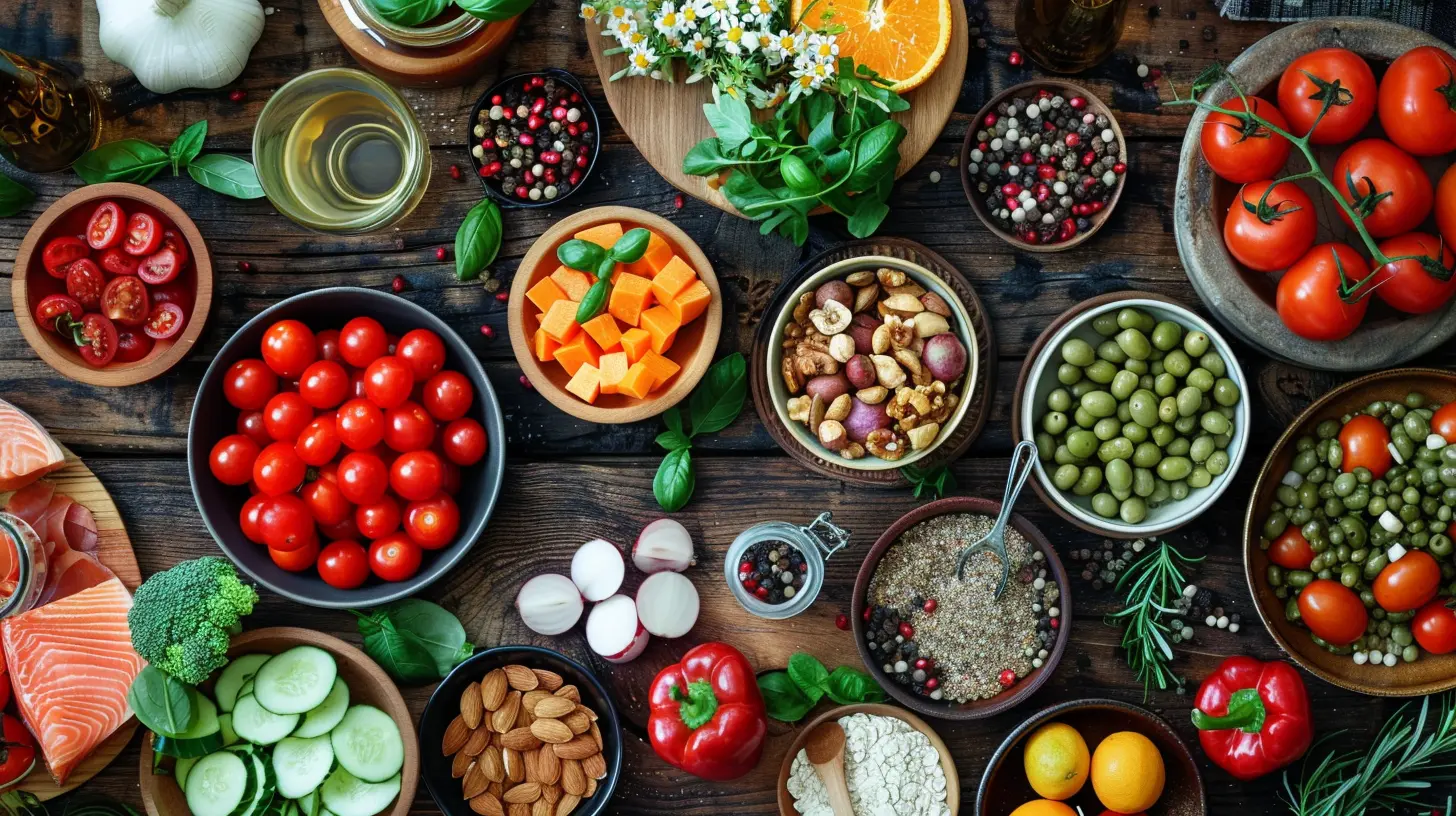
Why Family Meals Matter More Than You Think
Ever heard the saying, “The kitchen is the heart of the home”? There’s some serious truth to that. Meals aren’t just about eating—they’re about connecting, sharing stories, and slowing down together. In a world buzzing with screens and schedules, the table might be one of the few places we get a real shot at bonding.But the magic goes beyond warm fuzzies. Research shows that kids who regularly eat meals with their families are more likely to:
- Eat more fruits and vegetables
- Consume less junk food and sugary drinks
- Maintain a healthy weight
- Perform better in school
- Avoid risky behaviors like smoking and alcohol use
And get this—family meals are one of the best predictors of nutritional success in children. Crazy, right?
Setting the Table for Healthy Habits
So, how does a simple dinner help your child become a balanced, healthy eater? Think of it this way: kids learn by watching. You are their very first nutrition teacher—even if your "lesson plan" is just tacos on a Tuesday night.Modeling Balanced Eating Choices
When you serve a variety of foods and make balanced plates part of the norm, your kids naturally tune in. They're watching your cues—even the weird stuff.If you're avoiding veggies and washing dinner down with soda every night (hey, we all have rough days), they’ll notice. But if you’re sipping water, loading your plate with colorful foods, and giving broccoli a chance, they'll likely copy that too.
It’s less about lecturing and more about leading by example.
Developing a Healthy Relationship with Food
Let’s talk about food attitudes. These get carved out early. If every meal turns into a battlefield because you're pushing another bite of peas, your child could start to see eating as stressful or even punishing.But, when meals are a consistent, low-pressure environment, kids naturally learn to try new foods and listen to their hunger cues… without the drama. Family meals teach them that food isn’t the enemy or a reward—it’s just part of daily life.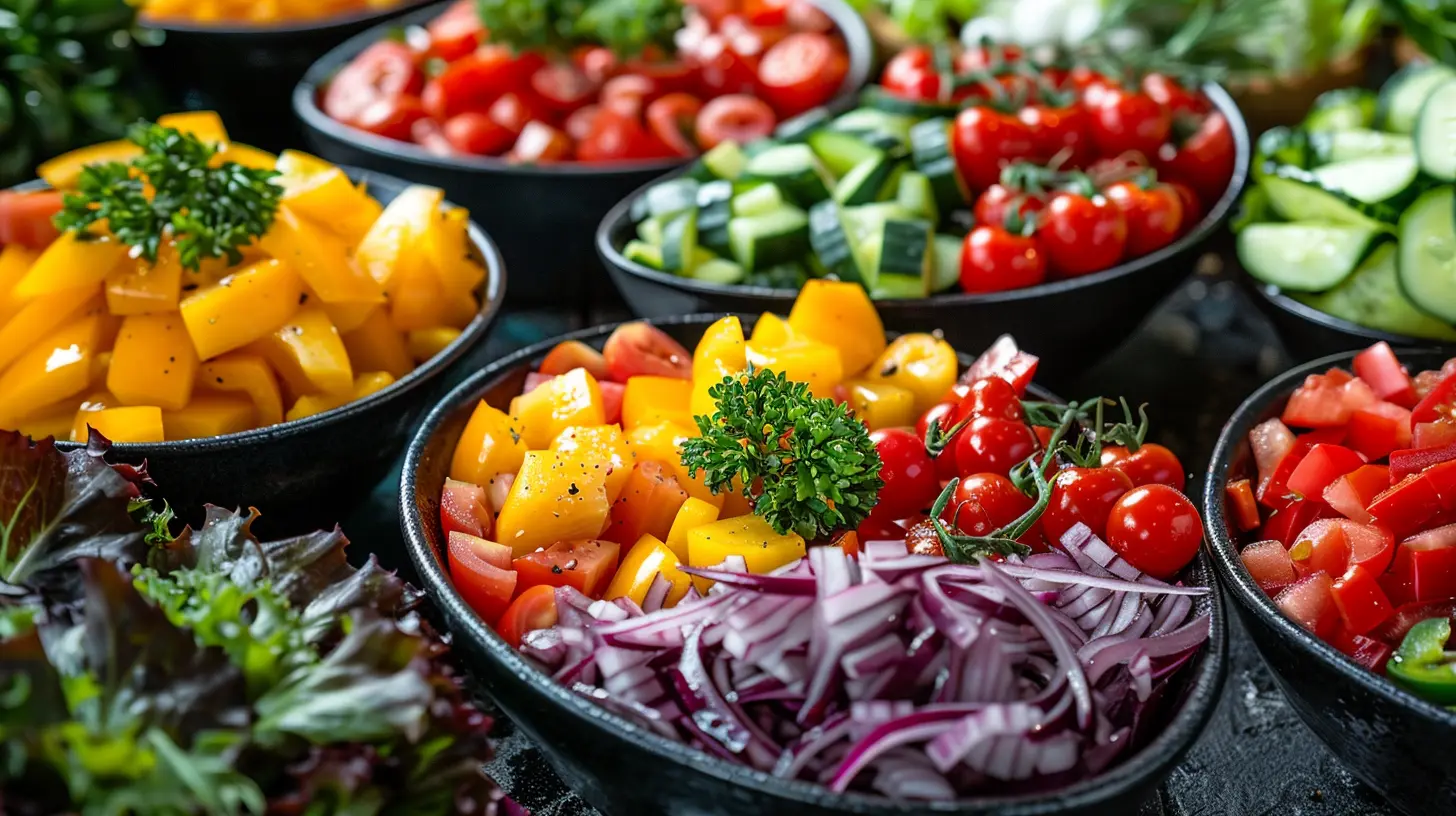
Quality over Quantity (Seriously)
Here’s a little secret: it's not about eating together every single night. That’s just not realistic for most families. If you're lucky to get three or four meals together a week, that’s already a win.What matters more than frequency is the quality of those meals. Are you talking to each other? Laughing? Trickling a little love into the meal, even if it’s pizza delivery? That soulful connection is what counts.
Even breakfast counts. Or Saturday lunch. Find your rhythm and make it yours. No rules, no guilt.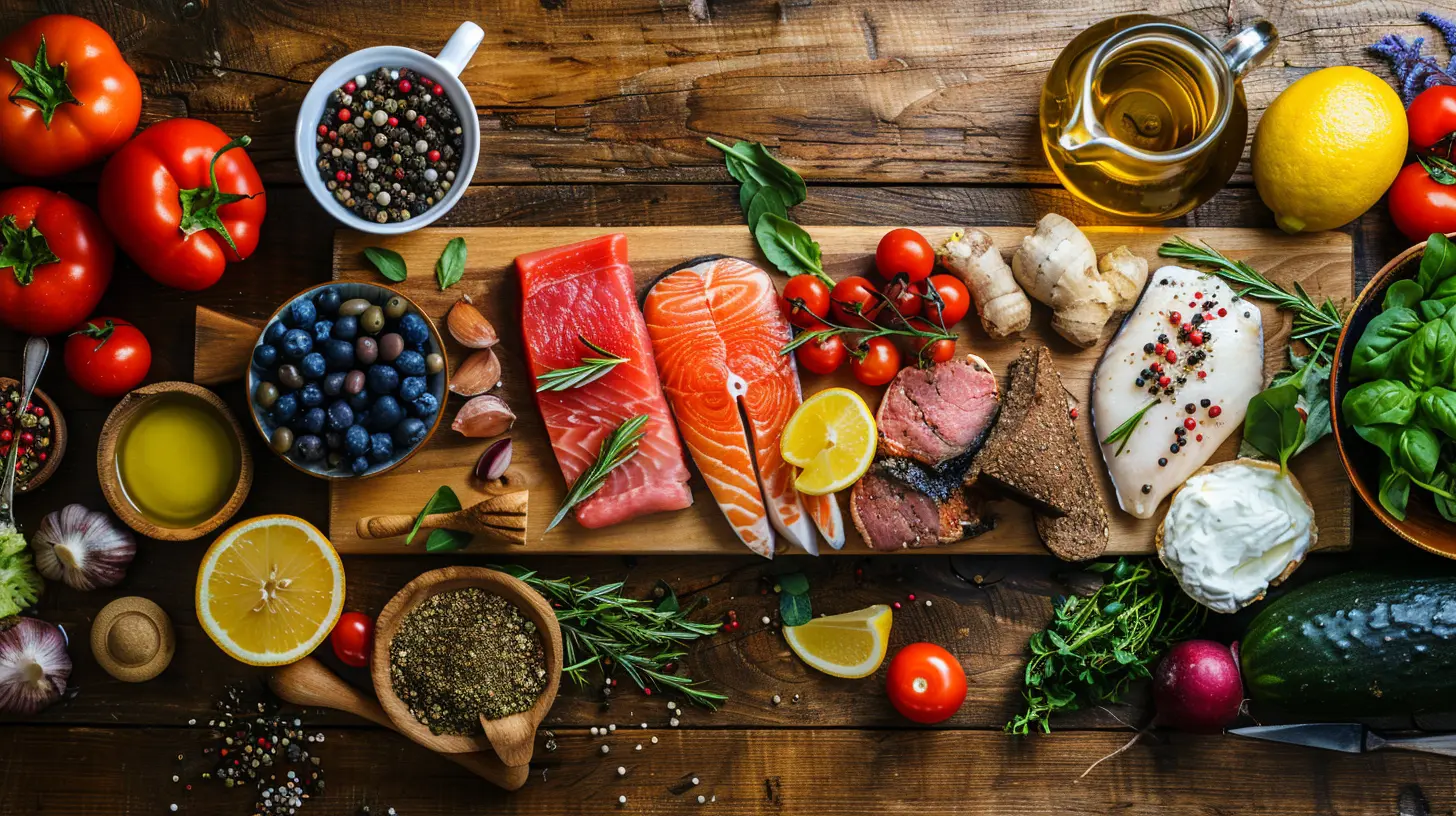
How to Make Family Meals Happen (Without Losing Your Mind)
Alright. It’s one thing to want family meals. But between picky eaters, time crunches, and general chaos, it’s easy to toss the whole idea out the window.Let’s break it down with practical, stress-free tips:
1. Keep It Simple.
Nobody’s saying every meal has to be homemade from scratch. Use shortcuts. Rotisserie chicken, frozen veggies, meal kits—these can be your best friends. The goal isn’t perfection. It’s presence.2. Involve the Kids
Let your kids help plan meals, pick ingredients, or set the table. Kids who are involved in the process are more curious and invested in what ends up on their plate.Bonus: They’re less likely to whine if they helped choose the meal!
3. Make Meals Screens-Free
I know. It’s tempting to keep the TV on or scroll through your phone when you finally sit down. But try to make mealtime a little bubble without tech. Even 15-20 minutes of eye contact and conversation can work wonders.4. Use Theme Nights
“Taco Tuesday,” “Pasta Friday,” “Soup-and-Sandwich Sunday.” Give your meals a theme so planning becomes easier and more fun. Kids love the routine, and you’ll save the mental energy.5. Don’t Stress Over Picky Eaters
Picky eating is a phase (mostly). Keep introducing different foods in low-pressure ways. Try a “no thank you bite.” And whatever you do, don’t turn the table into a war zone. That just creates anxiety and resistance.Remember: Some days your kid might eat like a bird. Other days like a bear. That’s normal.
Conversations that Nourish
What you talk about at dinner matters almost as much as what’s on the plate. This is your golden opportunity to check in, recharge, and really hear your kids.Not sure what to say?
Try simple, open-ended questions:
- What was the best part of your day?
- Did anything surprise you today?
- What’s one thing you're excited about this week?
Avoid turning the table into interrogation central. Instead, let it be a space where everyone feels safe sharing—whether it’s silliness or serious talk. You’ll be amazed what comes up when the pasta's flowing.
Mental Health + Mealtimes = A Stronger Bond
Family meals are more than just food. They’re like mini therapy sessions (without the couch or the hourly rate). Studies have shown that families who eat together regularly have kids with lower rates of depression, anxiety, and behavioral problems.Why? Because the dinner table becomes a place of consistency and comfort—a daily ritual that reminds kids they belong, they matter, and they’re loved.
In today’s fast-paced world, those anchors make all the difference.
Teens, Tacos, and Time Together
Think teens don’t want this? Think again.While they might not admit it, teens still crave family connection. Even a quick 20-minute meal can create a safe space where they feel heard.
Pro tip: Let them choose the menu once a week, even if it’s all chicken nuggets and fries. It shows trust—and gets them engaged.
And don’t freak if they’re quiet. Sometimes just being there is enough.
Family Meals on a Budget
Worried that eating healthy as a family will break the bank? Don’t be. Here are some wallet-friendly ways to make it work:- Buy in bulk and freeze extras
- Stick to whole foods (rice, beans, oats, eggs, etc.)
- Plan meals around sales and discounts
- Use leftovers creatively (hello, stir-fry night)
Dinner doesn't have to be fancy to be nourishing—physically or emotionally.
What If You're a Single Parent or Have an Irregular Schedule?
You don’t need a full house for family dinner to count.Whether it’s you and your toddler, or just a late-night dinner with one child, those moments still matter. They still count.
If you work late or have shifts at odd times, aim for consistency where you can. Saturday mornings, Sunday brunches—whatever fits into your life is perfect. There’s no one-size-fits-all here.
Bottom Line: It’s the Togetherness That Counts
Look, not every family meal will be Instagram-worthy. Some nights will be microwave mac and cheese, and some will be a chaotic mess. That’s okay. Actually, that’s kind of beautiful.Because in the end, it’s not about what’s on the table—it’s about who's sitting around it.
So, drop perfection. Embrace the crumbs and the ketchup stains. Laugh a little. Chat a lot. And keep coming back to that table, as often as you can.
You’re not just feeding bellies. You’re feeding hearts, building habits, and creating a foundation your kids will carry into adulthood.
All over a simple plate of food.
all images in this post were generated using AI tools
Category:
Kids NutritionAuthor:

Liam Huffman
Discussion
rate this article
2 comments
Quill McGillivray
Family meals: where broccoli meets giggles and broccoli-sneaking kids become veggie ninjas! 🍽️✨ Who knew that sharing a plate could spark culinary chaos and lifelong healthy habits? Bon appétit, family fun!
December 27, 2025 at 4:54 PM
Liam Huffman
Absolutely! Family meals transform nutrition into fun, fostering healthy habits and unforgettable memories. 🍽️✨
Iris McAdams
Absolutely loved this article! Family meals really do create lasting memories and healthy habits together. ❤️
December 25, 2025 at 3:32 PM
Liam Huffman
Thank you so much! I’m glad you enjoyed the article and appreciate your thoughts on the importance of family meals! ❤️