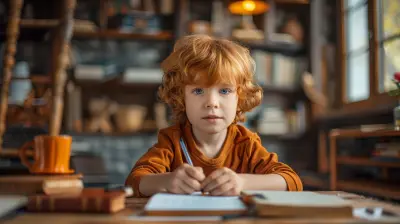
The Power of Responsibility in Developing Self-Worth
8 May 2026
Responsibility. It’s a word that either inspires or intimidates, depending on how you look at it. For many of us, it brings back memories of chores, deadlines, or the sinking feeling of having forgotten something important. But here’s the thing—responsibility is so much more than just a to-do list. It's one of the most powerful building blocks in shaping a person’s sense of self-worth.
In this article, we’re going to talk about why taking on responsibility matters, especially for kids and teens, and how it plays a crucial role in helping them feel confident, capable, and valuable. Whether you're a parent, grandparent, or someone who just wants to help the next generation grow up strong, this is for you.
What Is Responsibility Really About?
Let’s strip it down. Responsibility means being trusted to do things—on your own—and being held accountable for them. It’s about doing what needs to be done, even when it’s not convenient or fun.But here's the twist: when someone gives you responsibility, they’re actually giving you a vote of confidence. It says, “I believe you can handle this.”
That’s empowering, right?
Now imagine how that impacts a child. When we trust them with responsibilities, whether that’s feeding the dog or helping a younger sibling, we’re sending the message: “You’re capable. You matter.”
Self-Worth and Responsibility: What’s the Connection?
Self-worth is how we see ourselves. It’s tied to our confidence, our value, and the belief that we can contribute.So, how does responsibility play into that?
Well, think of it like a muscle. The more we exercise it, the stronger it gets. When kids are given responsibilities and they follow through, they experience success. That builds confidence.
On the flip side, when we do everything for our kids—out of love, of course—we may be accidentally sending the wrong message: “You can’t handle this.”
Ouch. No one means to do it, but it happens.
Small Duties, Big Impact
You don’t have to hand your child the keys to the house and say “good luck” to develop self-worth. It starts with small, age-appropriate tasks.Here’s what that might look like:
- A toddler picking up their toys.
- A 7-year-old making their own sandwich.
- A 13-year-old managing their own homework schedule.
Each of these responsibilities teaches accountability. And when kids meet those expectations? That’s where real pride and a sense of achievement kick in.
They start thinking, “Hey, I did that. I’m capable.”
Letting Go (Just Enough)
It’s tough as a parent. Watching your kid struggle through something you could fix in a second can feel unbearable. But here’s the deal—you’ve got to let them stumble a bit.Growth doesn’t happen in comfort zones. It happens in the awkward, uncomfortable moments where kids figure things out. Spilled juice, forgotten homework, or burnt toast? These aren't disasters. They’re lessons.
And each time they bounce back, they’re not just learning a task—they’re learning resilience and building that all-important self-worth.
The “Try Again” Magic Trick
Here’s a secret: kids don’t need to get it right the first time. In fact, it’s better if they don’t.Why?
Because the opportunity to “try again” teaches perseverance. When parents say, “That didn’t work, but let’s see how you can fix it,” it sends a powerful message.
It tells them:
- Mistakes are okay.
- Growth comes from effort.
- You are not defined by failure.
Pretty powerful stuff, right?
Responsibility Builds Independence
Let’s face it—no parent wants their child to grow up feeling helpless. We want them to stand tall, make decisions, and take care of themselves. Responsibility is the bridge to independence.The more ownership kids have over their lives, the more control they feel. And control is a big part of self-worth. No one feels good when they think others have to do everything for them.
By giving our kids the space to take charge—of small things now, and big things later—we help them develop true independence and confidence.
The Role of Positive Reinforcement
Now, giving responsibility isn’t just about handing out chores. It’s about acknowledging the effort and growth that comes with it.When your child follows through on a task, notice it. Praise their effort more than the outcome.
Instead of “Good job cleaning your room,” say:
- “I saw how you organized your toys—that was thoughtful.”
- “You remembered to feed the cat without being reminded. That shows responsibility.”
See the difference? You’re affirming their effort and decision-making, not just the end result.
That’s the stuff that sticks.
When Responsibility Backfires (And How to Avoid It)
Alright, let’s talk reality. Sometimes, responsibility can feel overwhelming for kids, especially if we pile on too much or expect perfection.Here are some mistakes to avoid:
- Overloading: Don’t give too many responsibilities at once.
- Micromanaging: Once you assign a task, don’t hover. Let them own it.
- Shaming: If they forget or mess it up, guide them instead of criticizing.
Remember, the goal isn’t perfection. It’s growth.
Building Responsibility Age by Age
Want some ideas for age-appropriate responsibilities? Here’s a quick breakdown:Toddlers (2-4)
- Pick up toys- Put clothes in the hamper
- Help set the table
Early Elementary (5-8)
- Make their bed- Pack their backpack
- Help make lunch
Tweens (9-12)
- Do laundry with supervision- Take care of a pet
- Cook simple meals
Teens (13+)
- Manage their schedule- Budget their allowance
- Help with younger siblings
Each stage builds on the last. The key is consistency and follow-through.
Responsibility and Emotional Strength
It’s not just about doing things. Responsibility also teaches emotional regulation.Here’s how:
- Kids learn to manage frustration when things don’t go as planned.
- They practice patience when they have to wait.
- They develop empathy when their actions affect others.
These emotional muscles are just as important as practical ones. And they all add up to a stronger sense of self-worth.
How to Encourage Responsibility (Without Nagging)
Let’s be honest. Repeating yourself 20 times is exhausting. If you want your child to take ownership without turning into a broken record, here are some tips:- Give choices: “Do you want to do homework before or after dinner?”
- Use routines: Consistency builds habits, and habits build independence.
- Be a role model: Show them how you handle your own responsibilities.
- Make it meaningful: Connect tasks to real-life impact. (“When you feed the dog, you’re helping keep him healthy.”)
When kids see the bigger picture, they’re much more likely to buy in.
What Happens When Kids Own Their Role
The magic happens when kids start to take responsibility without being told. That’s when you know their self-worth is growing.They’ll:
- Take initiative
- Apologize when they mess up
- Ask for help when they need it
- Find pride in their progress—not just praise
That’s the kind of development every parent wants to see. And it all starts with small, intentional steps.
Why It’s Worth the Effort
Raising responsible kids takes time. It’s not a one-and-done deal. But the payoff? Priceless.You’re not just raising someone who can do chores. You’re raising someone who:
- Believes in themselves
- Feels valuable
- Knows how to contribute to a community
- Handles life’s challenges with strength
In short—you’re helping them build the kind of self-worth that can’t be shaken by a bad grade or a tough day.
Final Thoughts
Responsibility isn’t just about getting tasks done—it’s about raising human beings who believe that who they are and what they do matters.So the next time you hand your kid a small responsibility, smile. You’re not just checking something off your list. You’re handing them a stepping stone to becoming their best self.
And that, my friend, is powerful parenting.
all images in this post were generated using AI tools
Category:
Building Self EsteemAuthor:

Liam Huffman
Discussion
rate this article
2 comments
Trixie Henderson
Kids feeling like mini superheroes when they tackle chores? Priceless! Responsibility builds self-worth and might even inspire a dance party.
June 12, 2026 at 3:46 AM
Liam Huffman
Absolutely! It's amazing how small tasks can empower kids. That sense of achievement is truly worth celebrating!
Kieran Spencer
Responsibility nurtures confidence, shaping our children's futures.
May 10, 2026 at 2:44 PM
Liam Huffman
Absolutely. When children learn to take responsibility, they build trust in themselves and their abilities, setting a strong foundation for their future success.