Using Outdoor Adventures to Enhance Your Homeschool Curriculum
5 February 2026
Homeschooling offers a unique opportunity to tailor education to your child's needs, and one of the best ways to make learning engaging is by stepping outside. Nature provides a hands-on classroom where children can explore, observe, and interact with the world in a way that books and screens simply can't replicate. If you're looking to enrich your homeschool curriculum while keeping your kids active and engaged, outdoor adventures are the way to go!
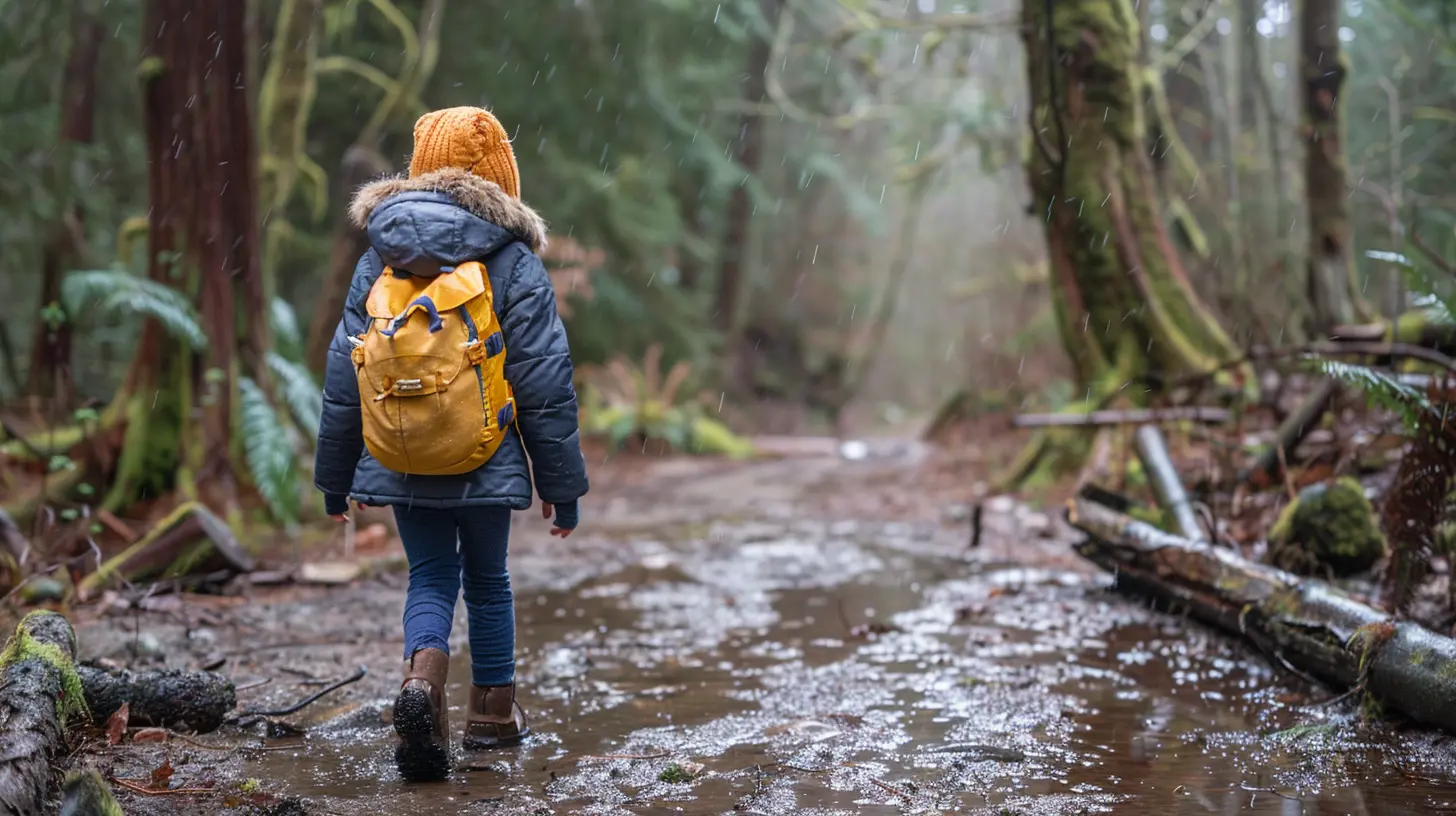
Why Outdoor Learning Matters
Modern education often leans heavily on textbooks, worksheets, and screens. While these tools are useful, they can sometimes lack engagement. Outdoor learning brings subjects to life, making concepts easier to understand and remember.Studies show that time spent in nature enhances cognitive function, reduces stress, and improves overall well-being. Plus, kids who learn through hands-on experiences are more likely to develop problem-solving skills, creativity, and a lifelong love of learning.
So, how can you integrate the great outdoors into your homeschool curriculum? Let’s dive in!
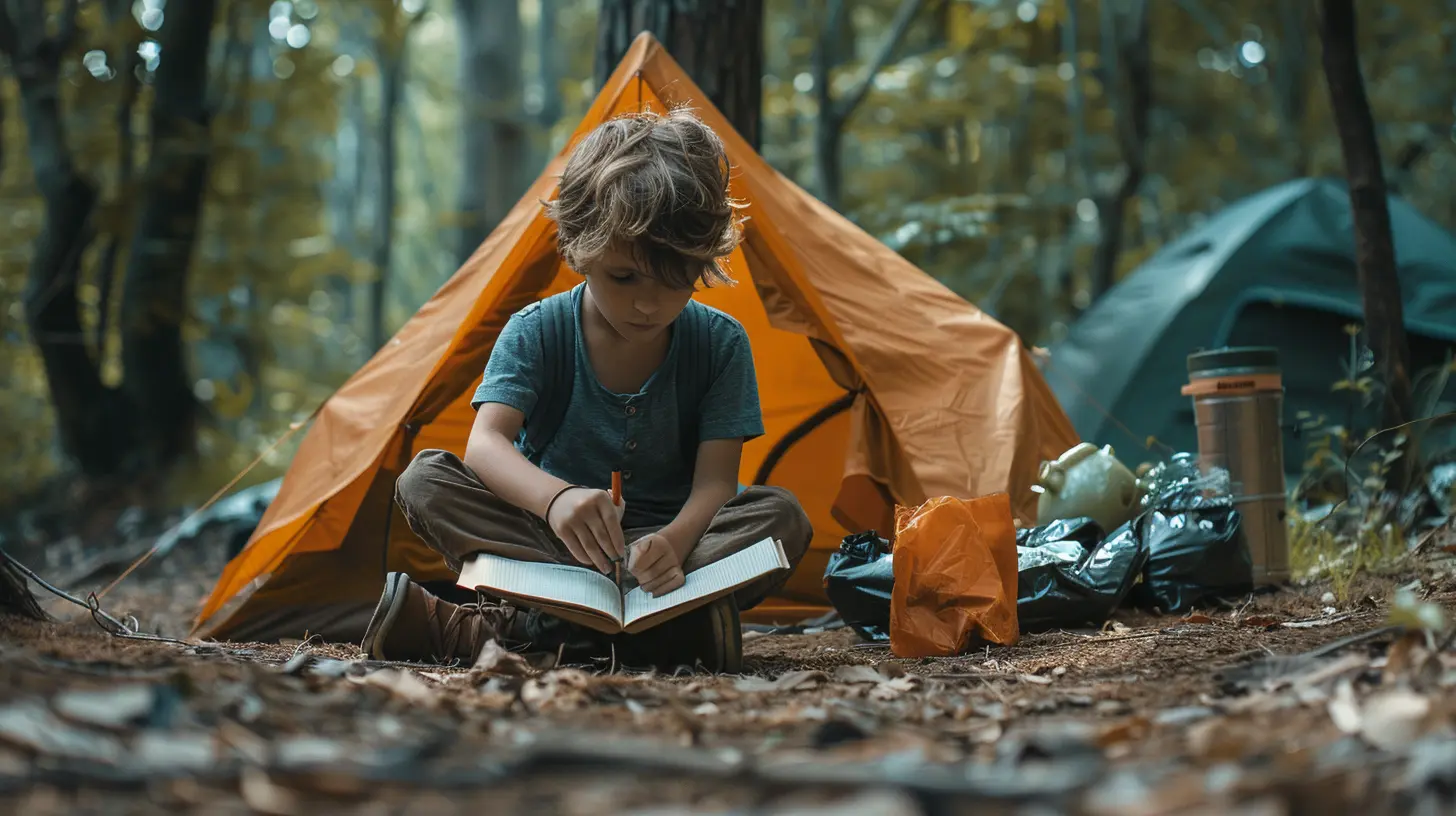
Science in Nature
1. Biology and Ecology
Nothing beats the real-life experience of studying plants, animals, and ecosystems firsthand. Instead of reading about photosynthesis, take a walk in the woods and observe how sunlight nourishes plants. Visit a pond to watch tadpoles transform into frogs, or go birdwatching to track migration patterns.Activities to Try:
- Start a backyard garden and document plant growth.
- Go on a scavenger hunt to identify different species of trees and insects.
- Visit a local nature reserve and learn about food chains by observing predator-prey relationships.
2. Earth Science and Weather
Weather patterns, rock formations, and the water cycle come to life when studied outdoors. Let your kids track cloud formations, measure rainfall, or study erosion along a riverbank.Activities to Try:
- Keep a weather journal to record daily temperatures and conditions.
- Collect different rocks and minerals, then compare their properties.
- Build a simple water filtration system using natural materials.
History and Geography on the Move
3. Historical Field Trips
Textbooks tell us about history, but visiting historical landmarks immerses children in the past. Take trips to battlefields, colonial villages, or Indigenous heritage sites to give your child a firsthand look at different time periods.Activities to Try:
- Walk the trails of historical sites and discuss key events.
- Recreate ancient tools or crafts using natural materials.
- Hold a "living history" day where your child dresses up and re-enacts a historical moment.
4. Mapping and Navigation
Geography becomes much more exciting when kids get to explore real landscapes. Learning to read a map, use a compass, or navigate by the stars turns geography into an adventure.Activities to Try:
- Go on a hike and let your child follow a trail map.
- Teach basic orienteering skills and practice finding directions.
- Use a GPS or geocaching app to locate hidden treasures.
Math in the Wild
You might not think of math as an outdoor subject, but it absolutely can be! From counting objects in nature to measuring tree heights, math becomes much more tangible outside.5. Hands-on Math Activities
Activities to Try:- Estimate and measure the height of trees using simple tools like a pencil.
- Calculate the speed of a stream by measuring the time it takes for a floating stick to travel a set distance.
- Use patterns found in nature (like Fibonacci sequences in pinecones) to explore mathematical concepts.
6. Real-World Problem Solving
Shopping for camping supplies or planning a road trip offers excellent opportunities to work with budgets, distances, and time management. Let your child be in charge of a hiking trip itinerary, measuring distances, estimating how long a trail will take, and packing accordingly.Language Arts in the Outdoors
7. Creative Writing and Storytelling
Fresh air and beautiful scenery can inspire creativity. Encourage children to write poems, short stories, or journal entries based on their outdoor experiences.Activities to Try:
- Have a "sensory walk" where your child writes about what they see, hear, and feel.
- Create stories inspired by animals or historical landmarks they encounter.
- Start a nature journal filled with sketches and observations.
8. Reading in Nature
Why stay inside when you could set up a cozy reading nook under a tree? Reading outdoors can make books feel more magical, whether it's a nature-themed novel or a historical adventure.Activities to Try:
- Read books about outdoor survival and then practice the skills.
- Act out a scene from a book in an outdoor setting.
- Write a book report in the form of a nature-inspired scrapbook.
Physical Education and Life Skills
9. Outdoor Sports and Challenges
Physical education isn't just about running laps; it's about developing coordination, strength, and endurance. Hiking, rock climbing, kayaking, and even simple playground activities build these skills while keeping kids active.Activities to Try:
- Set up an obstacle course using natural elements like logs, rocks, and streams.
- Teach basic survival skills like fire-starting, shelter-building, or knot-tying.
- Plan a "family Olympics" with outdoor challenges.
10. Teamwork and Leadership
Outdoor adventures teach children how to work together, communicate effectively, and solve problems as a team. Whether it’s setting up a tent, navigating a trail, or cooking over a campfire, these experiences build confidence and independence.Activities to Try:
- Assign leadership roles on each outing—one child navigates, another manages supplies.
- Encourage teamwork with cooperative games like scavenger hunts.
- Let kids take charge of planning and leading a family camping trip.
Making Outdoor Learning a Habit
Incorporating outdoor adventures into your homeschool curriculum doesn't have to be complicated. Start small—maybe with a weekly nature walk or backyard science project—and gradually add more outdoor lessons as your confidence grows.Here are some tips to make outdoor learning a regular part of your homeschooling routine:
- Schedule it: Set aside specific days for outdoor learning, just like any other subject.
- Keep it simple: You don’t need elaborate plans—many lessons unfold naturally.
- Follow your child's interests: If they’re passionate about animals, explore wildlife studies. If they love running, try orienteering races.
- Use technology wisely: Nature apps, GPS devices, and digital field guides can enhance learning without replacing hands-on experiences.
- Stay flexible: Learning outside means embracing surprises—unexpected encounters with wildlife, changes in weather, and spontaneous discoveries all add to the experience.
Final Thoughts
Outdoor adventures bring learning to life in a way that traditional methods often can't. Whether you're studying science, history, math, or language arts, the natural world offers endless opportunities for discovery and exploration. Plus, you'll be nurturing an active, curious, and resilient child along the way.So, grab your hiking boots, pack a notebook, and take your homeschool lessons outside. Who knows? The best classroom might just be the one without walls!
all images in this post were generated using AI tools
Category:
HomeschoolingAuthor:

Liam Huffman
Discussion
rate this article
2 comments
Bryce McCaw
This article insightfully highlights the benefits of integrating outdoor adventures into homeschooling. By engaging with nature, children not only enhance their academic skills but also develop critical thinking, teamwork, and resilience. Such experiential learning can make education more dynamic, fostering a deeper connection to the world around them.
February 24, 2026 at 3:26 PM
Liam Huffman
Thank you for your thoughtful comment! I'm glad you found the article highlights the valuable skills that outdoor adventures can bring to homeschooling. Engaging with nature truly enriches the learning experience!
Eden McLaughlin
Love this idea! Outdoor adventures are such a fun way to make learning come alive. Can't wait to incorporate more nature-based activities into our homeschool routine. Thanks for the inspiration! 🌳📚😊
February 9, 2026 at 3:33 AM
Liam Huffman
Thank you! I'm thrilled you found it inspiring. Enjoy your outdoor adventures! 🌟📖